
Cetaphil Redness Relieving Night Moisturizer for oily acne-prone skin

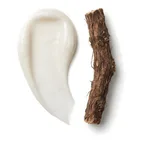 Allantoin
 Niacinamide
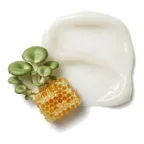 Panthenol Vitamin B5
 Tocopheryl Acetate Vitamin E
 Ceramide Np
Average
- HighOily Skin Fit
- AverageEffectiveness
- HighSafety
Works for oily acne-prone skin; other moisturizers fit it better.
- Clinical, Cosmetic and Investigational Dermatology, 2017
- American Journal of Clinical Dermatology, 2002
This fit is calculated for the concerns frequently associated with oily acne-prone skin: shine, breakouts, blemishes, and enlarged pores. For scores and recommendations based on your full skin profile, including your 12D face scan results and any goals or preferences you have, please use the Lovi app.
Updated How the Fit score works
Lovi Assistant explains
- Offers moderate suitability for your oily skin as niacinamide helps regulate sebum and glycerin provides essential hydration, though it lacks specialized ingredients to directly target your acne, blemishes, and breakouts.
- Allantoin and panthenol offer soothing benefits, supporting overall skin health without exacerbating oiliness.
- The product is safe for your skin, with no harsh ingredients and a formulation designed to minimize irritation.
How to apply
- Use this AM and PM routine every day to help clear your skin. Always remember to finish with SPF in the morning.
- Apply the moisturizer after your cleanser and toner, right before your SPF during the day.
- Gently press a small amount into your skin and avoid rubbing to keep pores clear.
- Apply on clean, slightly damp skin to help the product absorb better and control oil.
- Avoid the sensitive eye area and do a simple patch test before your first use.
People Say
★4.4Overall rating based on 3.4k+ reviewsMany users report a visible reduction in redness and a calmer complexion by morning. A subset of reviewers find it functions better as a gentle maintenance moisturizer rather than a treatment that actively eliminates existing redness.
Highlights
Gentle & soothing Often Mentioned
- “feels soothing”
- “stops burning”
- “cools skin”
- “no stinging”
Lightweight texture Often Mentioned
- “absorbs quickly”
- “not greasy”
- “lightweight feel”
- “doesn't feel heavy”
Reduces redness Often Mentioned
- “less red in morning”
- “skin looks balanced”
- “stopped the flushing”
Fragrance-free Sometimes Noted
- “no scent”
- “doesn't irritate nose”
- “great for sensitive skin”
- “no chemical smell”
Hydrating Sometimes Noted
- “skin feels soft”
- “good moisture”
- “eliminates dry patches”
- “hydrates overnight”
Ineffective on redness Sometimes Noted
- “didn't help redness”
- “just a moisturizer”
- “no change in color”
- “redness persisted”
Caused irritation Rarely Noted
- “burned my face”
- “caused breakout”
- “stung upon application”
- “made face redder”
Packaging issues Rarely Noted
- “pump stopped working”
- “hard to get last bit”
- “defective dispenser”
- “wasteful bottle”
Small quantity Rarely Noted
- “bottle is tiny”
- “expensive for size”
- “runs out fast”
- “wish it was bigger”
Texture too thin Rarely Noted
- “too watery”
- “runny consistency”
- “not rich enough”
- “need more moisture”
Sources: lovi.care, walmart.com, target.com, iherb.com, cetaphil.com, walgreens.com, and more
Questions and answers
How well does Cetaphil Redness Relieving Night Moisturizer work for oily acne-prone skin?
This moisturizer offers moderate suitability for your oily, acne-prone skin because niacinamide helps balance oil and glycerin provides essential hydration, though it lacks specialized ingredients to directly target breakouts. Allantoin and panthenol soothe your skin without causing extra oiliness. To work best for this skin type, a product of this type needs powerful acne-fighting ingredients alongside lightweight hydration that clears blemishes without clogging pores.
Clinical, Cosmetic and Investigational Dermatology, 2017American Journal of Clinical Dermatology, 2002
Which ingredients make this cream a good fit for oily acne-prone skin?
Niacinamide helps regulate oil, while glycerin provides essential hydration, and allantoin and panthenol soothe skin without adding extra grease. However, because it lacks targeted ingredients for breakouts, this skin type needs a product that includes powerful hydrating and repairing ingredients alongside ingredients that target acne and blemishes without heavy oils.
What does Allantoin do for oily acne-prone skin?
Allantoin helps calm redness and irritation while supporting the skin barrier in oily, acne-prone skin. It is unlikely to clog pores and works well alongside blemish-fighting ingredients to keep skin comfortable.
What does Niacinamide do for oily acne-prone skin?
Niacinamide helps balance oil production, calms redness, and is unlikely to irritate oily, acne-prone skin while improving blemishes. Clinical tests show it reduces excess oil and helps clear up both inflammatory and non-inflammatory acne breakouts.
Journal of Cosmetic and Laser Therapy, 2006Journal of Cosmetic Dermatology, 2024
Where does it go in a skincare routine for oily acne-prone skin?
This moisturizer goes in the evening routine after your cleansing toner and treatment, and in the morning routine after your hydrating toner. It helps hydrate and calm oily skin without feeling heavy, though this skin type also needs ingredients that directly target breakouts and blemishes.
Can I use this cream with retinol, and in what order?
How often should I use it?
You can use this moisturizing treatment daily as part of your evening routine. Daily application of a moisturizing cream helps keep your skin calm and hydrated without making it feel overly greasy.
Can this cream clog pores, cause breakouts or purging for oily acne-prone skin?
This cream is unlikely to clog pores or cause breakouts for oily acne-prone skin, as it has a safe and gentle formula with soothing ingredients like allantoin and panthenol that do not make oiliness worse. However, because it lacks specialized ingredients to directly target blemishes, oily acne-prone skin needs a product that includes acne-fighting components like salicylic acid or benzoyl peroxide alongside lightweight hydrators.
Contemporary Clinical Trials Communications, 2021American Journal of Clinical Dermatology, 2002
Can I use it around the eyes or on my body?
You can use this moisturizing treatment around the eyes and on the body, as its gentle formula is safe and unlikely to irritate delicate areas. The skin around the eyes is very thin, while body skin varies in thickness across different regions.
Is this cream fragrance-free and alcohol-free?
Yes, it has no fragrance and no drying alcohol. Cetearyl alcohol, behenyl alcohol, and cetyl alcohol are fatty alcohols, which soften the skin.
What the research says
A single application of a moisturizing fluid containing hyaluronic acid 1%, glycerin 5%, and Centella asiatica stem cells extract significantly increased skin hydration by 29% and reduced transepidermal water loss at 24 hours compared to baseline and an untreated control site in twenty healthy women.
Clinical, Cosmetic and Investigational Dermatology, 2017Topical dexpanthenol acts as a moisturizer, improves stratum corneum hydration, accelerates wound healing and epidermal regeneration, reduces erythema, and improves symptoms of skin irritation compared to vehicle or no pretreatment.
American Journal of Clinical Dermatology, 2002A new topical panthenol-containing emollient significantly improved transepidermal water loss reduction, stratum corneum hydration, and intercellular lipid lamellae length compared with control in healthy subjects without negatively impacting bacterial viability.
The Journal of Dermatological Treatment, 2017Dermatological products containing d-alpha tocopheryl acetate showed non-comedogenic potential with less than a 50% increase in microcomedones in 12 healthy male subjects compared to octyl palmitate.
Contemporary Clinical Trials Communications, 2021The ThriveCo Bumps Eraser Kit increased skin hydration by 131.75%, reduced redness by 69.30%, decreased pigmentation by 35.77%, dropped itchiness by 92.63%, improved smoothness by 55.00%, reduced roughness by 148.54%, and decreased scaliness by 87.09% without adverse effects.
Cureus, 2025The combination of allantoin, bisabolol, D-panthenol and dipotassium glycyrrhizinate reduces UVB-induced PGE2, inflammatory cytokines, and mitochondrial superoxide in human epidermal keratinocytes.
International Journal of Cosmetic Science, 2024Topical nicotinamide prevented solar-simulated UV-induced immunosuppression in healthy volunteers, and men experienced immunosuppression at solar-simulated UV doses three times lower than those required for women.
The Journal of Investigative Dermatology, 2008Topical 5% niacinamide applied twice daily for 12 weeks reduced fine lines and wrinkles, hyperpigmented spots, red blotchiness, and skin sallowness, and improved skin elasticity compared to vehicle control in 50 female white subjects with facial photoaging.
Dermatologic Surgery, 2005Topical 2% niacinamide significantly decreased sebum excretion rate in Japanese individuals and casual sebum levels in Caucasian individuals compared to placebo or baseline.
Journal of Cosmetic and Laser Therapy, 2006Topical dexpanthenol formulated in lipophilic vehicles improved stratum corneum hydration and reduced transepidermal water loss compared to vehicle control in humans.
Arzneimittel-Forschung, 2000A combination serum containing galactomyces ferment filtrate, dexpanthenol, and Centella asiatica effectively treated post-acne hyperpigmentation in subjects with colored skin by significantly increasing lightness scores in Fitzpatrick skin type V and reducing the melanin index in Fitzpatrick skin type IV compared to placebo.
Skinmed, 2021A cream containing panthenol, prebiotics, and probiotic lysate improved facial sensitive skin symptoms and skin barrier function in 110 participants over 28 days.
Skin Research and Technology, 2024Topical application of an antioxidant serum containing 15% ascorbic acid, 0.5% ferulic acid, and 1% tocopherol prevented particulate matter-induced degradation of extracellular matrix components, inflammation, and oxidative stress in the skin of 15 female volunteers compared to untreated controls.
Journal of Cosmetic Dermatology, 2025Topical application of an antioxidant mix containing 15% ascorbic acid, 0.5% ferulic acid, and 1% tocopherol prevented PM and UV-induced skin barrier perturbation, lipid peroxidation, inflammatory markers, MMP9 activation, and Type I collagen loss in 15 healthy females compared to untreated exposed skin.
Journal of Cosmetic Dermatology, 2024A topical antioxidant serum significantly reduced air pollution-induced skin pigmentation and proinflammatory gene expression ex vivo, and improved skin aging signs in 40 healthy adult females after 90 days of daily use.
Journal of Cosmetic Dermatology, 2022Ceramide and niacinamide-containing moisturizer combined with anti-acne treatment significantly improved non-inflammatory, inflammatory, and total acne lesions compared to hydrophilic cream in 40 patients with mild to moderate acne vulgaris after 8 weeks.
Journal of Cosmetic Dermatology, 2024Topical application of a pseudo-ceramide-containing spray improved stratum corneum water content, transepidermal water loss, cell area, and scaling score, and normalized the ceramide profile in patients with dry and sensitive skin compared to a control spray.
Journal of Cosmetic Dermatology, 2025
Why other moisturizers fit oily acne-prone skin better
Co-delivery of paeonol and madecassoside via nanoemulsions improved transdermal delivery, promoted barrier repair proteins, inhibited inflammatory cytokine secretion in cellular and 3D models, and reduced transepidermal water loss and acne in human facial skin compared to free components.
Molecules, 2023A facial serum containing snail secretion filtrate, Calendula officinalis, and Glycyrrhiza glabra root extract significantly reduced inflammatory acne lesions compared to placebo in 66 participants with mild-to-moderate maskne over 12 weeks.
Journal of Cosmetic Dermatology, 2022
Ingredients
Water, Caprylic Capric Triglyceride, Glycerin, Propanediol, Pentylene Glycol, Helianthus Annuus Seed Oil Sunflower Seed Oil, Sorbitol, Dimethicone, Butyrospermum Parkii Butter Shea Butter, Cetearyl Alcohol, Behenyl Alcohol, Glyceryl Stearate, Sodium Hydroxide, Tocopheryl Acetate, Allantoin, Dipotassium Glycyrrhizate, Sodium Hyaluronate, Ceramide Np, Panthenol, Caffeine, Citric Acid, Cetyl Alcohol, Ceteareth-20, Glyceryl Stearate Citrate, Disodium Ethylene Dicocamide Peg-15 Disulfate, Niacinamide, Caprylyl Glycol, Acrylates C10-30 Alkyl Acrylate Crosspolymer, Disodium Edta, Xanthan Gum, Bht
Behind this fit score
Lovi calculates every fit score from the full ingredient list with brand-independent rules our dermatologists and cosmetic chemists build and review, and personalizes every pick with AI trained on the real results of millions of users. Lovi trains its fit score models on a proprietary dataset built from more than 10,000 expert-labeled products and more than 100,000 simulated examples, following an internally consistent methodology presented at Cosmoprof, AMWC, and Skin of Color Update.
-

Co-founder, Medical Director
Cosmetic chemist, cosmetologist, aesthetic products developer
-

Co-founder, CEO and CTO
PhD in computer science, 3x US patent holder, ex-Google, ex-Yandex
-

Dr. Sofía Perea Pérez, MD, MSc
Medical Board
Aesthetic medicine practitioner, MSc in Longevity and Anti-Aging Medicine
-

Medical Board
Specialist dermatologist, MBBS, MD, IFAAD
-

Medical Board
Cosmetic chemist, SCS, IFSCC member
-

Medical Board, Medical Advisor
Dermatology MD
-

Elina Nazarenko, MD
Medical Board
Dermatology and diagnostic consultant
-

Victoria Derkova, MS
Medical Board
Cosmetic chemist, cosmetic development technologist


How does it fit your skin?
Scan your face, then any product: Lovi shows how well it fits you and what fits even better.