
CeraVe Skin Renewing Retinol Serum for oily skin

 Retinol
 Sodium Hyaluronate
 3 Essential Ceramides
 Niacinamide
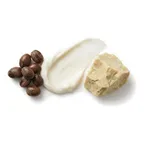 Shea Butter
Average
- AverageOily Skin Fit
- AverageEffectiveness
- ConcerningSafety
Works for oily skin; other serums fit it better.
This fit is calculated for the concerns frequently associated with oily skin: shine, enlarged pores, blackheads, and blemishes. For scores and recommendations based on your full skin profile, including your 12D face scan results and any goals or preferences you have, please use the Lovi app.
Updated How the Fit score works
Lovi Assistant explains
- Offers moderate treatment for minimizing fine lines and wrinkles, as retinol and niacinamide work to smooth texture and even skin tone for your oily skin.
- While niacinamide aids in seboregulation and retinol in desquamation, the formula lacks stronger oil-controlling ingredients, potentially leading to insufficient results for oily shine.
How to apply
- Use this serum in your PM routine. Start by applying it 3 times a week and build up to daily use if your skin tolerates it well.
- Apply the serum after cleansing and toning, but right before your moisturizer for the best results.
- Gently press 2-3 drops of the serum into your skin. Let it absorb ⏱ for a minute before applying the next product.
- Apply the serum on clean and dry skin since your skin is not sensitive and you want to target oily shine. This helps control excess oil throughout the night.
- Avoid the delicate eye area and do a patch test before using the serum for the very first time.
People Say
★4.5Overall rating based on 5.0k+ reviewsBased on a very large amount of data, this serum is frequently praised as an excellent starter retinol for sensitive or dry skin, effectively smoothing texture and hydrating without irritation. Many users report a radiant glow and softened fine lines, though some note that results are gradual and it may be too gentle for those seeking significant correction for deep wrinkles or severe acne. A common mechanical complaint involves pump malfunctions, and some users experience pilling when layering products.
Highlights
Gentle and non-irritating Mostly Mentioned
- “no sting”
- “zero irritation”
- “no redness”
Affordable value Often Mentioned
- “great value”
- “accessible”
- “budget-friendly”
Hydrating texture Often Mentioned
- “silky smooth”
- “lightweight”
- “baby soft”
Improves skin texture Sometimes Noted
- “smoother skin”
- “radiant glow”
- “reduced bumps”
Pilling and residue Sometimes Noted
- “pills under makeup”
- “leaves a film”
- “feels sticky”
Pump malfunctions Sometimes Noted
- “the pump stopped working”
- “it broke halfway”
- “hard to get product out”
Breakouts or purging Rarely Noted
- “caused breakouts”
- “bad purging”
- “clogged pores”
Unpleasant consistency Rarely Noted
- “yellow color”
- “thick/heavy”
- “faint chemical smell”
Weak or slow results Rarely Noted
- “no difference in wrinkles”
- “too weak”
- “results took months”
Sources: lovi.care, amazon.com, walmart.com, ulta.com, cerave.com, target.com, and more
Questions and answers
How well does CeraVe Retinol Serum work for oily skin?
This product works moderately well for oily skin, helping to smooth texture and even out tone, though it lacks strong oil-controlling ingredients to fully manage oily shine. To better fit oily skin, products of this type need effective oil-controlling ingredients along with light, soothing components that manage shine without heavy layers.
Which ingredients make this serum a good fit for oily skin?
Retinol and niacinamide make this serum a good fit for oily skin by smoothing texture, evening skin tone, and helping balance oil. However, this oily skin type needs stronger oil-controlling ingredients to properly manage shine.
What does Retinol do for oily skin?
Retinol is unlikely to be the best fit for oily skin on its own, because it primarily targets aging and texture rather than reducing grease. To properly care for oily skin, a product needs oil-controlling ingredients and lightweight formulas that help keep pores clear and skin feeling fresh.
What does Hyaluronic Acid do for oily skin?
Hyaluronic acid helps oily skin by reducing extra oil and sebum production without causing irritation. Clinical studies show that it decreases lipid synthesis in the skin's oil glands, leaving the face balanced and calm.
Where does this serum go in a skincare routine for oily skin?
This treatment serum goes in the evening routine after cleansing and before moisturizing, to keep things simple and safe around sun exposure. Oily skin often needs a product of this type to also include strong oil-controlling ingredients to properly manage shine.
Can I use it with vitamin C, and in what order?
Use vitamin C and this serum apart: in different sessions of the same day or on different days. Using them at different times of day helps avoid extra irritation while still giving you the smoothing and brightening benefits of both ingredients.
How often should I use it?
Use this treatment in the evening, starting once a week and gradually using it more often if your skin tolerates it well. This serum helps smooth texture and even tone for your oily skin, though oily skin of this type needs stronger oil-controlling ingredients to manage shine.
Journal of Cosmetic Dermatology, 2016Facial Plastic Surgery, 2014
Can this serum clog pores, cause breakouts or purging for oily skin?
Yes, this serum may cause breakouts or purging for oily skin as retinol speeds up skin shedding. Breakouts or purging are unlikely to be a major issue based on reviewer feedback, but an oily skin type needs stronger oil-controlling ingredients to manage shine effectively.
Is it fragrance-free and alcohol-free?
It has no fragrance and contains drying alcohol (alcohol).
What the research says
Topical application of retinol and retinoic acid both increased epidermal thickness and upregulated collagen genes and proteins in human skin, with retinol producing similar histological and molecular changes to retinoic acid alongside a significant reduction in facial wrinkles after 12 weeks.
Journal of Cosmetic Dermatology, 2016Topical bakuchiol 0.5% applied twice daily compared with retinol 0.5% applied daily significantly decreased wrinkle surface area and hyperpigmentation with no statistical difference between the compounds in 44 patients over 12 weeks, while retinol users reported more facial skin scaling and stinging.
The British Journal of Dermatology, 2019Topical 0.3% and 1% retinol comparably improved biomarkers of cutaneous photoageing in photoaged volunteers, while 0.3% retinol demonstrated better tolerance with fewer and milder adverse events compared to 1% retinol in a daily escalation regimen.
International Journal of Cosmetic Science, 2022Daily application of 0.3% and 0.5% retinol serums in 37 volunteers over 12 weeks reduced skin hyperpigmentation, unevenness, and wrinkles on both sides of the face, with the 0.5% concentration causing more frequent and intense skin irritation.
Skin Pharmacology and Physiology, 2020Topical application of 0.1% retinol induced CRABP2 and HBEGF gene expression, increased keratinocyte proliferation and epidermal thickness ex vivo, and improved major skin aging signs without significant adverse reactions in 48 volunteers compared to placebo.
Skin Pharmacology and Physiology, 2009Topical application of 0.1% hyaluronic acid formulations of different molecular weights led to significant improvements in skin hydration and elasticity, with low-molecular-weight formulations also significantly reducing wrinkle depth in seventy-six female subjects compared to a vehicle control.
Journal of Drugs in Dermatology, 2011Topical hyaluronic acid serum used twice daily by 40 females with facial photoaging produced an immediate 134% increase in skin hydration, a sustained 55% increase at week 6, and significant improvements in smoothness, plumping, fine lines, wrinkles, and global appearance without causing irritation.
Dermatology and Therapy, 2021A topical antioxidant serum significantly reduced air pollution-induced skin pigmentation and proinflammatory gene expression ex vivo, and improved skin aging signs in 40 healthy adult females after 90 days of daily use.
Journal of Cosmetic Dermatology, 2022Ceramide and niacinamide-containing moisturizer combined with anti-acne treatment significantly improved non-inflammatory, inflammatory, and total acne lesions compared to hydrophilic cream in 40 patients with mild to moderate acne vulgaris after 8 weeks.
Journal of Cosmetic Dermatology, 2024Topical application of a pseudo-ceramide-containing spray improved stratum corneum water content, transepidermal water loss, cell area, and scaling score, and normalized the ceramide profile in patients with dry and sensitive skin compared to a control spray.
Journal of Cosmetic Dermatology, 2025Topical nicotinamide prevented solar-simulated UV-induced immunosuppression in healthy volunteers, and men experienced immunosuppression at solar-simulated UV doses three times lower than those required for women.
The Journal of Investigative Dermatology, 2008Topical 5% niacinamide applied twice daily for 12 weeks reduced fine lines and wrinkles, hyperpigmented spots, red blotchiness, and skin sallowness, and improved skin elasticity compared to vehicle control in 50 female white subjects with facial photoaging.
Dermatologic Surgery, 2005Topical 2% niacinamide significantly decreased sebum excretion rate in Japanese individuals and casual sebum levels in Caucasian individuals compared to placebo or baseline.
Journal of Cosmetic and Laser Therapy, 2006A skin barrier restoring cream with shea butter, silkflo, and vitamin E increased type I procollagen synthesis, enhanced antioxidant enzyme activity, decreased reactive oxygen species generation, and promoted hyaluronic acid production in H2O2-stimulated human keratinocyte cells compared to untreated cells.
International Journal of Cosmetic Science, 2025
Why other serums fit oily skin better
A Ficus carica cell suspension culture extract reduced epinephrine, interleukin 6, lipid peroxide, and protein carbonylation, induced ceramide synthesis, and decreased transepidermal water loss and sebum production in skin cells and in vivo.
Antioxidants, 2021
Ingredients
Water, Glycerin, Caprylic Capric Triglyceride, Potassium Cetyl Phosphate, Hydrogenated Palm Glycerides, Polysorbate 20, Peg-40 Stearate, Cyclopentasiloxane, Hydroxyethylcellulose, Potassium Phosphate, Ceramide Np, Ceramide Ap, Ceramide Eop, Carbomer, Niacinamide, Isoceteth-10, Dimethicone Vinyl Dimethicone Crosspolymer, Triethanolamine, Cetearyl Alcohol, Behentrimonium Methosulfate, Cichorium Intybus Chicory Root Extract, Lecithin, Retinol, Silica, Sodium Lauroyl Lactylate, Cholesterol, Phenoxyethanol, Tocopherol, Alcohol, Hydroxyacetophenone, Citric Acid, Hydrolyzed Hyaluronic Acid, Pentylene Glycol, Xanthan Gum, Phytosphingosine, Butyrospermum Parkii Shea Butter, Ethylhexylglycerin
Behind this fit score
Lovi calculates every fit score from the full ingredient list with brand-independent rules our dermatologists and cosmetic chemists build and review, and personalizes every pick with AI trained on the real results of millions of users. Lovi trains its fit score models on a proprietary dataset built from more than 10,000 expert-labeled products and more than 100,000 simulated examples, following an internally consistent methodology presented at Cosmoprof, AMWC, and Skin of Color Update.
-

Co-founder, Medical Director
Cosmetic chemist, cosmetologist, aesthetic products developer
-

Co-founder, CEO and CTO
PhD in computer science, 3x US patent holder, ex-Google, ex-Yandex
-

Dr. Sofía Perea Pérez, MD, MSc
Medical Board
Aesthetic medicine practitioner, MSc in Longevity and Anti-Aging Medicine
-

Medical Board
Specialist dermatologist, MBBS, MD, IFAAD
-

Medical Board
Cosmetic chemist, SCS, IFSCC member
-

Medical Board, Medical Advisor
Dermatology MD
-

Elina Nazarenko, MD
Medical Board
Dermatology and diagnostic consultant
-

Victoria Derkova, MS
Medical Board
Cosmetic chemist, cosmetic development technologist


How does it fit your skin?
Scan your face, then any product: Lovi shows how well it fits you and what fits even better.