
Caudalie Vinopure Moisturizing Mattifying Fluid for oily skin

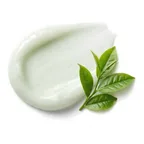 Polyphenols
 Squalane
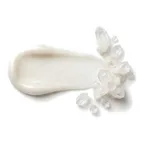 Silica
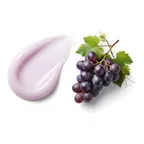 Palmitoyl Grape Seed Extract
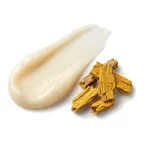 Enantia Chlorantha Bark Extract
High
- HighOily Skin Fit
- HighEffectiveness
- HighSafety
A great choice for oily skin; a few moisturizers fit it even better.
This fit is calculated for the concerns frequently associated with oily skin: shine, enlarged pores, blackheads, and blemishes. For scores and recommendations based on your full skin profile, including your 12D face scan results and any goals or preferences you have, please use the Lovi app.
Updated How the Fit score works
Lovi Assistant explains
- Highly suitable for your oily skin, this formula utilizes silica and grape seed extract to effectively mattify and absorb excess oil, addressing your primary concern of oily shine.
- The inclusion of Vitis Vinifera Fruit Water and Tocopherol further supports skin hydration and provides antioxidant benefits, enhancing the overall comfort and health of your skin.
- The product is safe for your skin, with no reported irritation risks due to its gentle formulation and absence of harsh ingredients.
How to apply
- Could be used as part of your AM or PM routine every day to keep your face fresh.
- Apply this moisturizer after cleansing and toning, but right before your SPF in the morning.
- Gently press a small amount into your skin and let it absorb fully.
- Apply on clean, slightly dry skin to help control that oily shine.
- Avoid the eye area and do a quick patch test before your first use.
People Say
★4.7Overall rating based on 11.6k+ reviewsBased on a very large amount of data, this product is highly regarded for its lightweight, non-greasy feel, effectively managing oil and shine, and is particularly suited for oily, combination, and acne-prone skin types. It helps reduce blemishes and pores, leaving a smooth, matte finish. Some users noted it can pill under makeup or may not be hydrating enough for dry skin, and a few found it to be expensive for the amount provided.
Highlights
Lightweight, non-greasy Mostly Mentioned
- “Doesn't feel greasy.”
- “The texture is lightweight.”
- “Lightweight, mattifying, and leaves skin feeling soft.”
- “Not greasy at all.”
Controls oil/shine Often Mentioned
- “Keeps shine at bay all day.”
- “Effectively controls oil and shine throughout the day.”
- “Helps reduce shine for at least a couple of hours.”
- “Skin is a lot less greasy/shiny.”
Absorbs quickly Sometimes Noted
- “Absorbs quickly into the skin.”
- “Sinks into the skin.”
- “Fast-absorbing formula.”
- “Glides easily on skin.”
Minimizes pores/blemishes Sometimes Noted
- “Helps calm redness, minimize breakouts.”
- “Noticeable smoothing, pore-minimizing effect.”
- “My pores were smaller.”
- “Helps to reduce the look of blackheads.”
Expensive and small Rarely Noted
- “The tube it comes in is way too small.”
- “Pricey adjustments.”
Not hydrating enough Rarely Noted
- “For the winter I find it is not hydrating or enough.”
- “It gives moisturizer in short term only.”
- “Not hydrating enough for dry skin.”
Pills under makeup Rarely Noted
- “This product pills a lot.”
- “Not ideal as skin prep before makeup.”
- “Can peal under makeup.”
Sources: lovi.care, caudalie.com, macys.com, sephora.co.id, cultbeauty.co.uk, bigw.com.au, and more
Questions and answers
What makes Caudalie Vinopure Moisturizing Mattifying Fluid a great fit for oily skin?
This fluid is a great fit for oily skin because it uses silica and grape seed extract to soak up excess oil and reduce shine. It also includes grape fruit water and vitamin E to keep your skin hydrated while maintaining a gentle, safe profile that is unlikely to cause irritation.
International Journal of Cosmetic Science, 2015Colloids and Surfaces. B, Biointerfaces, 2019
Which ingredients make this cream a good fit for oily skin?
This cream is a great fit for oily skin because it uses silica and grape seed extract to soak up extra oil and keep shine under control. Ingredients like Vitis Vinifera Fruit Water and tocopherol also help keep your skin hydrated and comfortable without causing irritation.
International Journal of Cosmetic Science, 2015Colloids and Surfaces. B, Biointerfaces, 2019
What do Polyphenols do for oily skin?
Polyphenols help oily skin by reducing daily oil production and calming breakouts, leaving your face clearer and less shiny. Applying them twice a day can significantly lower pimple counts and skin irritation over a few weeks.
What does Squalane do for oily skin?
Squalane helps keep oily skin soft and smooth without feeling heavy, though oxidized forms may sometimes trigger irritation or inflammation. A suitable product for this skin type needs lightweight ingredients that balance moisture without clogging pores.
Where does this cream go in a skincare routine for oily skin?
This moisturizing treatment goes after your cleanser and hydrating toner in your morning routine, and after your treatment step in your evening routine. It uses silica and grape seed extract to absorb excess oil and keep your skin feeling comfortable.
Can I use this cream with salicylic acid, and in what order?
You can use this cream with salicylic acid by applying your salicylic acid treatment first and following with this moisturizer to keep your skin hydrated and matte. This gentle routine helps control excess shine while keeping your skin comfortable and is unlikely to cause irritation.
International Journal of Cosmetic Science, 2015Colloids and Surfaces. B, Biointerfaces, 2019
How often should I use this cream?
You can use this moisturizing treatment daily to help keep oily shine under control while maintaining hydration and comfort. Its gentle formula is well suited for regular use without irritation risks.
Can this cream clog pores, cause breakouts or purging for oily skin?
This cream is unlikely to clog pores or cause breakouts for oily skin because it has a gentle, lightweight formula designed to absorb excess oil and shine without irritation. Reviewers rarely report issues with clogged pores.
Can I use this cream around the eyes or on my body?
This facial treatment is made for the face and is not tested for use on the body or around the eyes, where skin is much thinner. When choosing a product for the thin skin around the eyes, look for gentle, lightweight formulas with proven safety and high tolerance in that delicate area.
What the research says
Topical application of a water-in-oil emulsion containing 2% Muscat hamburg grape seed extract significantly improved melanin, elasticity, and sebum content compared to a placebo in human volunteers over 8 weeks, with no reported skin hypersensitivity.
International Journal of Cosmetic Science, 2015Hydrogels containing vitamin E-loaded nanostructured lipid carriers exhibited better occlusive properties and long-lasting effects, while vitamin E-loaded nanoemulsions performed a faster skin hydration effect and were selected as more attractive for skin application.
Colloids and Surfaces. B, Biointerfaces, 2019A topical serum containing vitamin C, vitamin E, and raspberry leaf cell culture extract improved skin color, elasticity, radiance, smoothness, scaliness, and wrinkles compared to the untreated contralateral side in fifty female volunteers.
Journal of Cosmetic Dermatology, 2020Hydroxypropyl methylcellulose hydrogel formulations of berberine chloride-loaded escinosomes increased skin residence time and transdermal permeability while maintaining high safety and biocompatibility without skin irritation.
International Journal of Biological Macromolecules, 2020A topical antioxidant serum significantly reduced air pollution-induced skin pigmentation and proinflammatory gene expression ex vivo, and improved skin aging signs in 40 healthy adult females after 90 days of daily use.
Journal of Cosmetic Dermatology, 2022Topical application of (-)-epigallocatechin-3-gallate (EGCG) to human skin before UV irradiation decreases UV-induced production of hydrogen peroxide by 68-90% and nitric oxide by 30-100%, inhibits leukocyte infiltration and lipid peroxidation by 41-84%, and restores glutathione levels and glutathione peroxidase activity compared to UV exposure alone.
Carcinogenesis, 2001An artichoke extract cosmetic formulation enhanced skin roughness by 19.74% and elasticity by 11.45% in human subjects compared to a placebo cream, alongside exhibiting antioxidant, anti-inflammatory, and anti-aging cellular effects.
Molecules, 2018A 1.0% w/w cocoa pod husk extract lotion improved skin hydration by 52.48%, reduced transepidermal water loss by 7.73%, and decreased the melanin index by 9.10% in 30 volunteers after 4 weeks of application compared to baseline.
Life, 2025Application of fullerene-C60 dissolved in squalane cream twice daily for 8 weeks significantly enhanced skin moisture and reduced wrinkle formation compared to placebo in 23 Japanese women without severe side effects.
Journal of Nanoscience and Nanotechnology, 2010Squalane at 0.005-0.015% counteracts UVA-induced oxidative stress, inflammation, and collagen metabolism inhibition while stimulating fibroblast migration in human dermal fibroblasts.
Molecules, 2025Plant-derived squalane protected human dermal fibroblasts against UVA-induced damage by counteracting ROS formation, suppressing apoptosis-related proteins p53, caspase-3, caspase-9, and PARP, and restoring the pro-survival p-Akt/mTOR pathway.
Antioxidants, 2025Film-forming formulations containing porous silica achieved skin permeation rates comparable to immediate release formulations while confirming prolonged drug availability and causing no skin irritation in healthy volunteers.
European Journal of Pharmaceutical Sciences, 2017Topical treatment with silica mud and microalgae extracts from the Blue Lagoon improved skin barrier function by inducing epidermal gene expression and reducing transepidermal water loss in healthy humans, while preventing skin aging markers in vitro.
Experimental Dermatology, 2008Flower-like mesoporous silica nanoparticles exhibited a significantly superior oil-absorption capacity, including a 226.3% increase in adsorbing large-molecular-weight PDMS-15000 w, compared to conventional mesoporous silica nanoparticles.
RSC Advances, 2026Oligomeric proanthocyanidin topical cream and lotion significantly reduced UV-induced erythema by 45.9% and 53.1% respectively and increased skin hydration by nearly 20% in human subjects, with dietary supplementation providing additional suppression of erythema and higher skin hydration.
Skin Pharmacology and Physiology, 2007Topical application of oligomeric proanthocyanidins cream immediately after UV exposure significantly decreased UV-induced ultra-weak photon emission by approximately 30% and reduced skin sensitization in 25 healthy female subjects compared to untreated skin.
Journal of Photochemistry and Photobiology. B, Biology, 2010Grape seed extract protects human dermal fibroblasts from UVA-induced damage by increasing cell viability, while its combination with octyl methoxycinnamate ensures the photostability of catechins and improves the UV absorption capacity of sunscreen formulations.
Journal of Cosmetic Dermatology, 2021Oleanolic acid inhibits PM10-induced CYP1A1 expression, reduces inflammatory cytokines, prevents matrix metalloproteinase 1 release, and recovers AhR-mediated autophagy disruption in keratinocytes and dermal fibroblasts.
Biomolecules & Therapeutics, 2021Fluorinated and chlorinated oleanolic acid indole derivatives showed enhanced anti-hyaluronidase activity with IC50 values of 9.97 and 9.57 µg/mL compared to 80.3 µg/mL for oleanolic acid, by binding to the enzyme and altering its secondary structure.
Journal of Enzyme Inhibition and Medicinal Chemistry, 2021Oleanolic acid nanofibers (OAnf) improved water solubility and skin penetration, displaying superior antioxidant, anti-inflammatory, and anti-skin aging activities in particulate matter-treated keratinocytes compared to oleanolic acid.
Antioxidants, 2021
Ingredients
Water, Butylene Glycol, Coco-Caprylate Caprate, Vitis Vinifera Fruit Water Grape Fruit Water, Silica, Squalane, Glycerin, Tapioca Starch, Glyceryl Stearate, Isostearyl Isostearate, Palmitoyl Grape Seed Extract, Alcohol Denat, Acrylates C10-30 Alkyl Acrylate Crosspolymer, Caprylyl Glycol, Xanthan Gum, Enantia Chlorantha Bark Extract, Pentylene Glycol, Potassium Cetyl Phosphate, Vitis Vinifera Juice Grape Juice, Tocopherol, Helianthus Annuus Seed Oil Sunflower Seed Oil, Sodium Phytate, Citric Acid, Pelargonium Graveolens Oil Flower, Sodium Hydroxide, Sodium Carboxymethyl Beta-Glucan, Peppermint Oil, Citral, Cymbopogon Citratus Oil Leaf, Sodium Benzoate, Rosmarinus Officinalis Oil Leaf Rosemary Oil Leaf, Citronellol, Maltodextrin, Orthosiphon Stamineus Extract, Potassium Sorbate, Lavandula Hybrida Oil, Melissa Officinalis Oil Leaf, Oleanolic Acid, Geraniol, Linalool, Limonene
Behind this fit score
Lovi calculates every fit score from the full ingredient list with brand-independent rules our dermatologists and cosmetic chemists build and review, and personalizes every pick with AI trained on the real results of millions of users. Lovi trains its fit score models on a proprietary dataset built from more than 10,000 expert-labeled products and more than 100,000 simulated examples, following an internally consistent methodology presented at Cosmoprof, AMWC, and Skin of Color Update.
-

Co-founder, Medical Director
Cosmetic chemist, cosmetologist, aesthetic products developer
-

Co-founder, CEO and CTO
PhD in computer science, 3x US patent holder, ex-Google, ex-Yandex
-

Dr. Sofía Perea Pérez, MD, MSc
Medical Board
Aesthetic medicine practitioner, MSc in Longevity and Anti-Aging Medicine
-

Medical Board
Specialist dermatologist, MBBS, MD, IFAAD
-

Medical Board
Cosmetic chemist, SCS, IFSCC member
-

Medical Board, Medical Advisor
Dermatology MD
-

Elina Nazarenko, MD
Medical Board
Dermatology and diagnostic consultant
-

Victoria Derkova, MS
Medical Board
Cosmetic chemist, cosmetic development technologist


How does it fit your skin?
Scan your face, then any product: Lovi shows how well it fits you and what fits even better.