
Burt's Bees Facial Cleanser for oily acne-prone skin

 Aloe Barbadensis Leaf Juice
 Glycerin
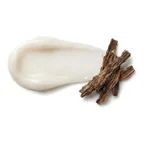 Quillaja Saponaria Bark Extract
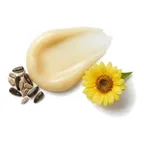 Helianthus Annuus Seed Oil Sunflower Seed Oil
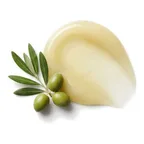 Olea Europaea Oil Fruit Olive Oil Fruit
Average
- AverageOily Skin Fit
- AverageEffectiveness
- HighSafety
Works for oily acne-prone skin; other cleansers fit it better.
This fit is calculated for the concerns frequently associated with oily acne-prone skin: shine, breakouts, blemishes, and enlarged pores. For scores and recommendations based on your full skin profile, including your 12D face scan results and any goals or preferences you have, please use the Lovi app.
Updated How the Fit score works
Lovi Assistant explains
- Offers moderate cleansing for your oily skin, as Quillaja Saponaria Bark Extract and Glycerin help remove impurities while maintaining hydration, though these ingredients lack specialized action against acne and blemishes.
- Helianthus Annuus Seed Oil and Olea Europaea Oil Fruit provide emollient action suitable for oily skin, but may not offer sufficient seboregulation.
- The product is safe for your skin, with no risks of irritation due to the absence of prohibited or harsh ingredients.
How to apply
- Use this cleanser as part of your AM and PM routine. Start using it daily to help clear your breakouts.
- Apply this cleanser as the first step in the morning and right after your pre-cleanser in the evening. Follow it with your toner and moisturizer.
- Gently massage a small amount of the cleanser onto your face using circular motions. Rinse thoroughly with lukewarm water and pat dry.
- Apply the cleanser on slightly damp skin to help clean deeply and remove excess oil. This works best for oily skin types.
- Avoid the sensitive eye area during application. Do a patch test before your first use.
People Say
★4.1Overall rating based on 4.5k+ reviewsBased on a very large amount of data, Burt's Bees facial cleansers are frequently praised for their natural ingredients and gentle, hydrating effects, particularly for sensitive, dry, and combination skin. Many users report a soothing outcome. However, a significant number of reviews mention that the cleansers can leave a residue, and some users experienced breakouts or irritation. The effectiveness for removing makeup is also a concern for some.
Highlights
Gentle on skin Mostly Mentioned
- “Doesn't strip moisture”
- “No stinging/redness”
- “Feels very mild”
Hydrating feel Often Mentioned
- “Leaves skin soft”
- “Not tight/dry”
- “Moisturizing cream texture”
Leaves residue Often Mentioned
- “Weird waxy film”
- “Doesn't rinse off”
- “Feels grimy”
Natural ingredients Sometimes Noted
- “99% natural origin”
- “No harsh chemicals”
- “Clean ingredients”
Soothing effect Sometimes Noted
- “Helps reduce redness”
- “Calms reactive skin”
- “Aloe is soothing”
Caused breakouts Sometimes Noted
- “Broke me out”
- “Acne in a tube”
- “Clogged my pores”
Poor makeup removal Sometimes Noted
- “Doesn't remove makeup”
- “Not for heavy makeup”
- “Needs double cleanse”
Irritating sensation Rarely Noted
- “Burned around eyes”
- “Tingling was painful”
- “Skin on fire”
Sources: lovi.care, amazon.com, target.com, walmart.com, burtsbees.ca, sephora.my, and more
Questions and answers
How well does Burt's Bees Facial Cleanser work for oily acne-prone skin?
Burt's Bees Facial Cleanser works moderately well for oily skin by helping remove impurities while maintaining hydration, though it lacks specialized action against breakouts. A cleanser for this skin needs soothing and effective ingredients like niacinamide, ceramides, probiotics, or salicylic acid to balance oil production and maintain skin clarity without irritation.
Which ingredients make this cleanser a good fit for oily acne-prone skin?
Quillaja Saponaria bark extract and glycerin help remove impurities while keeping skin hydrated, and sunflower and olive oils soften without causing irritation. However, this cleanser lacks specialized ingredients to clear blemishes and balance oil production. A top-rated cleanser for oily acne-prone skin needs ingredients like niacinamide, ceramides, probiotics, or salicylic acid to actively manage breakouts and control excess oil.
What does Glycerin do for oily acne-prone skin?
Glycerin helps keep oily acne-prone skin hydrated without feeling heavy. It draws moisture into the skin while supporting the skin barrier so it stays soft and balanced.
The British Journal of Dermatology, 2008Clinical, Cosmetic and Investigational Dermatology, 2017
Where does this cleanser go in a skincare routine for oily acne-prone skin?
This cleanser goes in your morning and evening routine, washing away impurities while keeping your skin hydrated. However, because it lacks targeted ingredients for blemishes and oil control, oily acne-prone skin needs a product of this type that also includes ingredients to clear pores and balance oil production.
Can I use this cleanser with retinol, and in what order?
You can use this cleanser with retinol, applying the cleanser first to remove impurities and keep your skin hydrated before your retinol treatment. This product is safe for your skin with no risk of irritation, though oily acne-prone skin needs ingredients that help target blemishes and regulate oil.
How often should I use this cleanser?
You can use this cleanser daily in the morning and evening as part of your routine for oily acne-prone skin, as it is safe and free of harsh ingredients. However, because it lacks specialized acne-fighting ingredients and oil control, oily acne-prone skin needs a product that includes targeted blemish-fighting actives and ingredients that help balance oil.
Can this cleanser clog pores, cause breakouts or purging for oily acne-prone skin?
This cleanser may cause breakouts for oily acne-prone skin because it lacks specialized blemish-fighting ingredients and contains oils that may not provide enough oil control. A cleanser for this skin needs targeted acne-fighting ingredients and deep pore-clearing benefits.
Can I use this cleanser around the eyes or on my body?
You can use this cleanser on your body, but you should be cautious around the thin skin of the eyes. This product helps wash away impurities, but olive oil may damage the skin barrier and cause mild redness while sunflower seed oil preserves skin integrity.
What the research says
A single application of a moisturizing fluid containing hyaluronic acid 1%, glycerin 5%, and Centella asiatica stem cells extract significantly increased skin hydration by 29% and reduced transepidermal water loss at 24 hours compared to baseline and an untreated control site in twenty healthy women.
Clinical, Cosmetic and Investigational Dermatology, 2017A cream combining propolis, tea tree oil, and Aloe vera reduced erythema scars, acne severity index, and total lesion count better than erythromycin cream in sixty patients with mild to moderate acne vulgaris compared to placebo.
Clinical Pharmacology, 2018Formulations containing 0.10%, 0.25%, and 0.50% freeze-dried Aloe vera extract increased stratum corneum water content compared with the vehicle in 20 female subjects, while transepidermal water loss was not modified.
Skin Research and Technology, 2006Kombucha-mediated fermentation of aloe vera gel for 10 and 20 days enhanced its phenolic and flavonoid content, antioxidant capacity, cytoprotective effects, enzyme inhibition against collagenase, elastase, and hyaluronidase, and moisturizing properties compared to unfermented gel.
Molecules, 2025The emollient V0034CR significantly reduced TEWL compared to vehicle and vehicle plus glycerol, and significantly increased corneometry scores compared to vehicle and vehicle plus petrolatum in healthy volunteers with dry skin, demonstrating combined barrier function improvement from petrolatum and hydration improvement from glycerol.
Journal of Cosmetic Dermatology, 2020Ten days of treatment with a cream containing 20% glycerin significantly increased skin hydration measured by corneometer values in 17 healthy volunteers compared to a placebo cream, but showed no influence on transepidermal water loss or skin sensitivity to an irritating surfactant.
International Journal of Cosmetic Science, 2001Niacinamide/glycerin body moisturizers provided better rapid and prolonged improvement of cosmetic xerosis through functional improvement of stratum corneum barrier function compared to no treatment and conventional moisturizers in female subjects.
Journal of Drugs in Dermatology, 2012The application of a pH-neutral gel containing organic extra virgin olive oil demonstrated similar efficacy and safety for peristomal skin hygiene compared to usual stoma hygiene gel in patients with a colostomy or ileostomy, with a statistically significant improvement observed in abnormal peristomal skin domains within the experimental group after 8 weeks.
Journal of Tissue Viability, 2023The incorporation of olive oil-loaded hydrogel particles into a cream formulation provides strong moisturizing properties and photoprotective potential when applied to healthy subjects.
Pharmaceutical Development and Technology, 2018Wild Olive Oil, Extra Virgin Olive Oil, and Virgin Olive Oil compared against liquid paraffin and rosehip oil showed that wild olive oil yielded the lowest perception of oiliness and the highest increase in skin elasticity among eight healthy volunteers.
Pharmaceutics, 2022
Why other cleansers fit oily acne-prone skin better
Topical application of Lactobacillus plantarum-GMNL6 enhanced collagen synthesis and SPTSSA gene expression while reducing melanin synthesis, Staphylococcus aureus biofilm, and Cutibacterium acnes proliferation, leading to clinical improvements in skin moisture, color, spots, wrinkles, UV spots, and porphyrins in human volunteers.
International Journal of Medical Sciences, 2021A novel emulsion containing niacinamide, lens esculenta seed extract, and white willow bark extract effectively improved acne, blackheads, and conspicuous facial pores in 30 subjects with oily skin.
Journal of Cosmetic Dermatology, 2024A panthenol-enriched mask improved skin hydration, regulated sebum, and reduced redness and TEWL across dry sensitive, oily sensitive, and oily acne skin subgroups with excellent tolerance and no adverse reactions.
Journal of Cosmetic Dermatology, 2024
Ingredients
Aloe Barbadensis Leaf Juice, Glycerin, Helianthus Annuus Seed Oil Sunflower Seed Oil, Quillaja Saponaria Bark Extract, Cetearyl Alcohol, Cetyl Alcohol, Olea Europaea Oil Fruit Olive Oil Fruit, Limonene, Avena Sativa Kernel Flour Oat Kernel Flour, Citrus Aurantium Dulcis Oil, Avena Sativa Kernel Oil Oat Kernel Oil, Lanolin, Beta-Carotene, Tocopherol, Rosmarinus Officinalis Leaf Extract Rosemary Leaf Extract, Glycine Soja Oil Soybean Oil, Canola Oil, Citric Acid, Potassium Sorbate, Benzoate
Behind this fit score
Lovi calculates every fit score from the full ingredient list with brand-independent rules our dermatologists and cosmetic chemists build and review, and personalizes every pick with AI trained on the real results of millions of users. Lovi trains its fit score models on a proprietary dataset built from more than 10,000 expert-labeled products and more than 100,000 simulated examples, following an internally consistent methodology presented at Cosmoprof, AMWC, and Skin of Color Update.
-

Co-founder, Medical Director
Cosmetic chemist, cosmetologist, aesthetic products developer
-

Co-founder, CEO and CTO
PhD in computer science, 3x US patent holder, ex-Google, ex-Yandex
-

Dr. Sofía Perea Pérez, MD, MSc
Medical Board
Aesthetic medicine practitioner, MSc in Longevity and Anti-Aging Medicine
-

Medical Board
Specialist dermatologist, MBBS, MD, IFAAD
-

Medical Board
Cosmetic chemist, SCS, IFSCC member
-

Medical Board, Medical Advisor
Dermatology MD
-

Elina Nazarenko, MD
Medical Board
Dermatology and diagnostic consultant
-

Victoria Derkova, MS
Medical Board
Cosmetic chemist, cosmetic development technologist


How does it fit your skin?
Scan your face, then any product: Lovi shows how well it fits you and what fits even better.