
Biossance Squalane + Vitamin C Dark Spot Serum for oily skin

 Ascorbic Acid
 Squalane
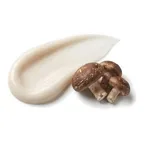 White Shiitake Mushroom Extract
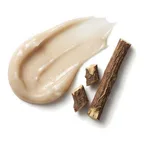 Licorice Root Extract
 Sodium Hyaluronate
High
- HighOily Skin Fit
- HighEffectiveness
- HighSafety
A great choice for oily skin; a few serums fit it even better.
This fit is calculated for the concerns frequently associated with oily skin: shine, enlarged pores, blackheads, and blemishes. For scores and recommendations based on your full skin profile, including your 12D face scan results and any goals or preferences you have, please use the Lovi app.
Updated How the Fit score works
Lovi Assistant explains
- Offers moderate brightening for your oily skin due to 3-O-Ethyl Ascorbic Acid and Glycyrrhiza Glabra Root Extract, which help regulate melanogenesis and provide antioxidant activity.
- While the serum offers general hydration benefits, its primary function is not directly targeted at managing oily shine.
- The formula is safe for your oily skin, with no risks of irritation from harsh ingredients.
How to apply
- Use this serum in your PM routine. Start by applying it 3 times a week and build up to daily use if your skin tolerates it well.
- Apply the serum after cleansing and toning, but right before your moisturizer for the best results.
- Gently press 2-3 drops of the serum into your skin. Let it absorb ⏱ for a minute before applying the next product.
- Apply the serum on clean and dry skin since your skin is not sensitive and you want to target oily shine. This helps control excess oil throughout the night.
- Avoid the delicate eye area and do a patch test before using the serum for the very first time.
People Say
★4.4Overall rating based on 1.0k+ reviewsBased on a very large amount of data, this serum is frequently praised for its lightweight, milky texture that hydrates while effectively brightening dull complexions and fading acne scars over time. Many with sensitive skin find it gentle and non-irritating, although a subset of users experienced no visible changes in pigmentation or suffered severe allergic reactions like redness and swelling.
Highlights
Brightens complexion Mostly Mentioned
- “skin looks brighter”
- “gives you glowing skin”
- “visible brightening instantly”
- “boost of brightness”
Fades dark spots Often Mentioned
- “drastically decreased my acne scars”
- “sun spots lightening”
- “diminish of my brown spots”
- “fades dark spots effectively”
Hydrating texture Often Mentioned
- “feels very hydrating”
- “not at all sticky”
- “lightweight and fast absorbing”
- “glides on my skin”
Gentle formula Sometimes Noted
- “gentle on sensitive skin”
- “no reaction”
- “didn't irritate my skin”
High price Sometimes Noted
- “expensive for results”
- “not the most affordable”
- “quite spendy”
- “pricey for the amount”
No visible results Sometimes Noted
- “saw no difference”
- “didn't do much for dark spots”
- “cannot say it has lighten”
- “spots would still linger”
Allergic reactions Rarely Noted
- “swollen and red under eyes”
- “patches of red dry skin”
- “blistered and painful”
- “severe allergic reaction”
Poor packaging Rarely Noted
- “pump stops working”
- “hard to get last bit”
- “messy to open”
- “bad packaging”
Sources: lovi.care, biossance.com, influenster.com, sephora.ph, cultbeauty.com, spaceNK.com, and more
Questions and answers
What makes Biossance Squalane + Vitamin C Dark Spot Serum a great fit for oily skin?
Biossance Squalane + Vitamin C Dark Spot Serum is a great fit for oily skin because 3-O-Ethyl Ascorbic Acid and Licorice Root Extract help brighten dark spots and provide antioxidant support. The formula is also safe for your skin with no risk of irritation from harsh ingredients.
Which ingredients make this serum a good fit for oily skin?
This serum is a great fit for your oily skin thanks to 3-O-Ethyl Ascorbic Acid and Licorice Root Extract, which help brighten your skin and provide antioxidant activity. These ingredients work safely without harsh risks, though the formula does not directly target oily shine.
Free Radical Biology & Medicine, 2021Journal of Cosmetic Dermatology, 2020
What does Vitamin C do for oily skin?
Vitamin C helps oily skin by preventing sebum oxidation and reducing breakouts, which keeps your complexion clear and balanced. It also brightens dark spots left behind by blemishes.
What does Squalane do for oily skin?
Squalane helps keep oily skin soft and smooth without feeling heavy, though oxidized forms may sometimes trigger irritation or inflammation. A suitable product for this skin type needs lightweight ingredients that balance moisture without clogging pores.
Where does this serum go in a skincare routine for oily skin?
This serum goes in your evening routine, applied after cleansing and toning and before your moisturizer. Putting treatments in the evening keeps things simple and helps avoid extra safety concerns around sun exposure.
Can I use this serum with retinol, and in what order?
You can use this treatment alongside retinol by applying the serum in the morning or spacing them out on alternate nights to avoid irritation. This gentle formula is safe for your skin and helps brighten tone without clogging pores.
How often should I use this serum?
This treatment is used in the evening for your oily skin, fitting neatly into your nighttime routine for simplicity and safety. You can use it daily since the formula is safe and unlikely to cause irritation.
Can this serum clog pores, cause breakouts or purging for oily skin?
This serum is a great fit for oily skin and is unlikely to cause breakouts or clog pores since its formula is safe and free of harsh, irritating ingredients. While it offers light hydration, its main job is brightening rather than controlling oily shine.
Is this serum fragrance-free and alcohol-free?
Yes, it has no fragrance and no drying alcohol.
What the research says
A topical serum containing vitamin C, vitamin E, and raspberry leaf cell culture extract improved skin color, elasticity, radiance, smoothness, scaliness, and wrinkles compared to the untreated contralateral side in fifty female volunteers.
Journal of Cosmetic Dermatology, 20203-O-ethyl ascorbic acid exerts anti-melanogenic effects via Nrf2-mediated alpha-MSH inhibition in UVA-irradiated keratinocytes and autophagy induction in melanocytes, while also inhibiting tyrosinase expression and endogenous pigmentation in a zebrafish model.
Free Radical Biology & Medicine, 2021Topical application of 5% vitamin C cream significantly improved global clinical scores, increased skin microrelief density, and induced elastic tissue repair in photoaged skin compared to excipient control in healthy female volunteers.
Experimental Dermatology, 2003Topical application of VC-IP cream twice daily for 8 weeks reduces periorbital wrinkles in female subjects compared to a placebo cream.
Journal of Cosmetic Dermatology, 2022Topical treatment with 5% vitamin C and 0.1% madecassoside significantly improved clinical scores for wrinkles, suppleness, firmness, roughness, and skin hydration, along with functional and structural remodeling of the elastic fiber network in 20 female volunteers with photoaged skin after 6 months compared to baseline.
Experimental Dermatology, 2008Application of fullerene-C60 dissolved in squalane cream twice daily for 8 weeks significantly enhanced skin moisture and reduced wrinkle formation compared to placebo in 23 Japanese women without severe side effects.
Journal of Nanoscience and Nanotechnology, 2010Squalane at 0.005-0.015% counteracts UVA-induced oxidative stress, inflammation, and collagen metabolism inhibition while stimulating fibroblast migration in human dermal fibroblasts.
Molecules, 2025Plant-derived squalane protected human dermal fibroblasts against UVA-induced damage by counteracting ROS formation, suppressing apoptosis-related proteins p53, caspase-3, caspase-9, and PARP, and restoring the pro-survival p-Akt/mTOR pathway.
Antioxidants, 2025Lentinan reduced benzo(a)pyrene-induced oxidative stress, malondialdehyde levels, and inflammatory cytokine production while increasing antioxidant enzyme activities in human keratinocytes.
Journal of Cosmetic Dermatology, 2020Shiitake mushroom ethanol extract exhibited moderate antioxidant capacity, 51.99% elastase inhibition, concentration-dependent collagenase suppression, and non-toxicity in human keratinocytes, supporting its safe incorporation into stable topical anti-aging skin-care formulations.
Journal of Cosmetic Dermatology, 2026Combining 755 nm alexandrite laser with topical licorice gel significantly reduces terminal hair counts compared to alexandrite laser with placebo in women with idiopathic hirsutism.
Evidence-based Complementary and Alternative Medicine, 2015Licochalcone A activated Nrf2 signaling, elevated cytoprotective enzymes, increased the reduced-to-oxidized glutathione ratio, and decreased reactive oxygen species in human fibroblasts and neutrophils, while a LicA-rich licorice extract lowered UVA-induced oxidative processes in vivo.
Experimental Dermatology, 2015Mesoporous silica nanoparticles entrapping licorice polysaccharide and coated with polydopamine showed 76% entrapment efficiency, 89% in vitro release at pH 5, increased sebocytes' cellular uptake, and mediated inflammatory response by inhibiting pro-inflammatory cytokines and regulating anti-inflammatory cytokines.
Carbohydrate Polymers, 2024Topical application of 0.1% hyaluronic acid formulations of different molecular weights led to significant improvements in skin hydration and elasticity, with low-molecular-weight formulations also significantly reducing wrinkle depth in seventy-six female subjects compared to a vehicle control.
Journal of Drugs in Dermatology, 2011Topical hyaluronic acid serum used twice daily by 40 females with facial photoaging produced an immediate 134% increase in skin hydration, a sustained 55% increase at week 6, and significant improvements in smoothness, plumping, fine lines, wrinkles, and global appearance without causing irritation.
Dermatology and Therapy, 2021A topical antioxidant serum significantly reduced air pollution-induced skin pigmentation and proinflammatory gene expression ex vivo, and improved skin aging signs in 40 healthy adult females after 90 days of daily use.
Journal of Cosmetic Dermatology, 2022
Ingredients
Water, Glycerin, 3-O-Ethyl Ascorbic Acid, Squalane, Lentinus Edodes Mycelium Extract, Hydroxyethyl Acrylate Sodium Acryloyldimethyl Taurate Copolymer, Glycyrrhiza Glabra Root Extract Licorice Root Extract, Sodium Hyaluronate, Citric Acid, Polyacrylate Crosspolymer-6, Acacia Senegal Gum, Xanthan Gum, Sodium Gluconate, Sodium Citrate, Phenoxyethanol, Ethylhexylglycerin
Behind this fit score
Lovi calculates every fit score from the full ingredient list with brand-independent rules our dermatologists and cosmetic chemists build and review, and personalizes every pick with AI trained on the real results of millions of users. Lovi trains its fit score models on a proprietary dataset built from more than 10,000 expert-labeled products and more than 100,000 simulated examples, following an internally consistent methodology presented at Cosmoprof, AMWC, and Skin of Color Update.
-

Co-founder, Medical Director
Cosmetic chemist, cosmetologist, aesthetic products developer
-

Co-founder, CEO and CTO
PhD in computer science, 3x US patent holder, ex-Google, ex-Yandex
-

Dr. Sofía Perea Pérez, MD, MSc
Medical Board
Aesthetic medicine practitioner, MSc in Longevity and Anti-Aging Medicine
-

Medical Board
Specialist dermatologist, MBBS, MD, IFAAD
-

Medical Board
Cosmetic chemist, SCS, IFSCC member
-

Medical Board, Medical Advisor
Dermatology MD
-

Elina Nazarenko, MD
Medical Board
Dermatology and diagnostic consultant
-

Victoria Derkova, MS
Medical Board
Cosmetic chemist, cosmetic development technologist


How does it fit your skin?
Scan your face, then any product: Lovi shows how well it fits you and what fits even better.