
Allies of Skin Peptides & Omegas Firming Eye Cream for oily acne-prone skin

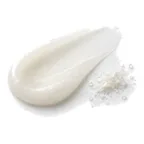 4 Firming Peptides
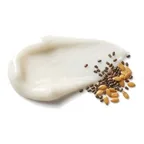 Omegas Complex
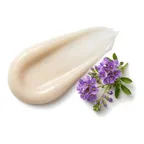 Bakuchiol
 Ascorbic Acid
 Ceramide Np
Average
- HighOily Skin Fit
- AverageEffectiveness
- ExcellentSafety
Works for oily acne-prone skin; other eye cares fit it better.
This fit is calculated for the concerns frequently associated with oily acne-prone skin: shine, breakouts, blemishes, and enlarged pores. For scores and recommendations based on your full skin profile, including your 12D face scan results and any goals or preferences you have, please use the Lovi app.
Updated How the Fit score works
Lovi Assistant explains
- Offers moderate exfoliation and antioxidant benefits suitable for your oily skin, with ingredients like Bakuchiol and Sodium Ascorbyl Phosphate helping to manage oiliness and provide mild texture refinement. While the peptides, such as Palmitoyl Tripeptide-1, offer firming effects, these benefits are not directly aligned with your primary concern of acne, blemishes, and breakouts.
- Glycerin and Allantoin provide general hydration and soothing, which are supportive but not targeted for your specific skin issues.
- The product is safe for your skin, with Bakuchiol and Bisabolol noted for their soothing properties and absence of harsh or prohibited ingredients.
People Say
★4.3Overall rating based on 400+ reviewsUsers frequently praise this cream for its rich, silky texture that deeply hydrates and effectively firms the delicate eye area, often noting visible improvements in fine lines and "tired" eyes. While many experience brightening and depuffing benefits, a subset of users with sensitive skin reported irritation, and others found the packaging difficult to use towards the end.
Highlights
Deep hydration Mostly Mentioned
- “nourished and hydrated”
- “perfectly nourishing”
- “soft and dewy”
- “relieves dryness”
Effective firming Often Mentioned
- “fix the fine lines”
- “lines get lighter”
- “crepey skin decreased”
- “crows feet gone”
Luxurious texture Often Mentioned
- “creamy and consistent”
- “absorbs fast”
- “layers great”
- “glides on easily”
High price point Often Mentioned
- “bottle is so expensive”
- “very expensive but good”
- “price is a bit high”
- “worth it but pricey”
Brightening & depuffing Sometimes Noted
- “brightens the undereye”
- “eyes look refreshed”
- “noticeable difference in circles”
- “looks more alert”
Potent ingredients Sometimes Noted
- “powerhouse lineup”
- “love the peptides”
- “bakuchiol works wonders”
- “good combo of actives”
Packaging issues Sometimes Noted
- “pump head is fixed”
- “can't get last drop”
- “packaging has issues”
- “hard to finish bottle”
Irritation reported Rarely Noted
- “stings my eyes”
- “swollen and itchy”
- “severe reaction”
- “way too harsh”
No results Rarely Noted
- “did not help”
- “eye area got worse”
- “makes eyes look tired”
- “no improvement”
Sources: lovi.care, cultbeauty.co.uk, spacenk.com, sephora.sg, lovelyskin.com, dermstore.com, and more
Questions and answers
How well does Allies of Skin Firming Eye Cream work for oily acne-prone skin?
Allies of Skin Peptides & Omegas Firming Eye Cream works moderately well for oily acne-prone skin, offering helpful antioxidants and soothing ingredients alongside firming peptides, though it is not specifically targeted for breakouts. It is safe and provides gentle hydration, but oily skin often needs a product that specifically helps manage excess oil and targets blemishes.
Which ingredients make this cream a good fit for oily acne-prone skin?
Bakuchiol and Sodium Ascorbyl Phosphate help manage oiliness and refine skin texture, while Glycerin and Allantoin provide gentle, calming hydration. However, an eye care product for oily acne-prone skin needs ingredients that directly target breakouts and blemishes while controlling excess oil without feeling heavy.
What do Peptides do for oily acne-prone skin?
Peptides help oily, acne-prone skin by targeting acne-causing bacteria and fighting inflammation with a favorable safety profile. These ingredients work directly to calm breakouts and support clearer skin.
What do Omegas do for oily acne-prone skin?
Omega fatty acids help calm oily, acne-prone skin by reducing redness and swelling while improving blemishes. Taking them or using them topically may also help balance oil and keep skin clear.
Acta Dermato-venereologica, 2014Journal of Cosmetic Dermatology, 2021
Where does this cream go in a skincare routine for oily acne-prone skin?
This eye cream goes after cleansing and toning in your morning and evening routines. While it offers some oil control and firming, oily acne-prone skin needs a product of this type that also targets blemishes and breakouts with specialized active ingredients.
Can I use this cream with retinol, and in what order?
You can use this eye cream with retinol, applying the retinol first and letting it absorb before gently patting on the cream. This product provides a safe option for your oily acne-prone skin, though this skin type needs targeted blemish-clearing ingredients and oil control rather than firming peptides.
How often should I use this cream?
This eye cream works for your oily skin, though other products fit it better because its firming and soothing ingredients do not target acne and breakouts. To care for this skin type, a product needs blemish-fighting ingredients and oil-control agents.
Can this cream clog pores, cause breakouts or purging for oily acne-prone skin?
This cream is unlikely to clog pores or cause purging on your oily skin, though it may not actively target your breakouts. Oily acne-prone skin needs lightweight, balancing care with ingredients that specifically help clear blemishes and control breakouts.
Is this cream fragrance-free and alcohol-free?
Yes, it has no fragrance and no drying alcohol.
What the research says
Combined ascorbyl palmitate and sodium ascorbyl phosphate treatment significantly reduced facial sebum secretions in healthy female volunteers compared to a placebo control over 90 days.
Drug Research, 2017Chronomodulated daytime application of baicalin and nighttime application of palmitoyl tripeptide-1 synergistically improved skin luminance by 16.29%, nasolabial fold depth by -36.35%, and firmness by 24.35% in 30 female participants.
Journal of Cosmetic Dermatology, 2026A multi-modal methodology combining MALDI-MSI, in vivo RCM, echography, and histology revealed age-related decreases in extracellular matrix and epidermal-dermal junction proteins and undulation depth, while a blend of palmitoyl oligopeptide and palmitoyl tetrapeptide-7 improved subepidermal low-echogenic band thickness, density, and extracellular matrix structure compared to placebo.
Journal of Cosmetic Dermatology, 2015Topical application of an autophagy-activating peptide reduced closed comedones, skin surface lipids, and trans-epidermal water loss, while altering lipid composition in acne-prone skin compared to vehicle.
Journal of Cosmetic Dermatology, 2021Topical exosomes and peptides improve skin rejuvenation by increasing collagen deposition, enhancing skin texture, and accelerating wound healing.
Aesthetic Surgery Journal. Open Forum, 2024Topical omiganan gels exhibited rapid, dose-dependent bactericidal and fungicidal activity against a broad spectrum of bacteria and yeasts in ex vivo pig skin and in vivo guinea pig skin models.
International Journal of Antimicrobial Agents, 2009Supplementation with EPA, but not DHA, augmented dermal production of CER[NS] and CER[NDS] and increased epidermal ceramide-1-phosphate levels in ex vivo human skin explants, while leaving epidermal CER[EOH], CER[EOS], and CER[EOP] ceramides unaffected.
Biochimica Et Biophysica Acta. Biomembranes, 2017Docosahexaenoic acid and eicosapentaenoic acid increased the metabolic activity of human keratinocytes and fibroblasts without significantly improving cell proliferation, wound closure, or mitigating the adverse effects of chronic wound fluid.
Experimental Dermatology, 2022Topical supplementation with essential oils and polyunsaturated fatty acids increased epidermal thickness, cell layers, and ceramide content (51.7 versus 41.6) in canine skin equivalents compared to vehicle.
Journal of Veterinary Medicine, 2013Topical bakuchiol 0.5% applied twice daily compared with retinol 0.5% applied daily significantly decreased wrinkle surface area and hyperpigmentation with no statistical difference between the compounds in 44 patients over 12 weeks, while retinol users reported more facial skin scaling and stinging.
The British Journal of Dermatology, 2019A dermocosmetic containing bakuchiol, Ginkgo biloba extract, and mannitol improves inflammatory lesions, Investigator Global Assessment, and seborrhea intensity when added to adapalene 0.1% gel in patients with acne vulgaris.
Clinical, Cosmetic and Investigational Dermatology, 2015Topical application of a serum containing supramolecular Bakuchiol and Terminalia chebula extract significantly improved barrier function, reduced redness and sensitivity, and improved wrinkles and elasticity in 34 Chinese subjects with sensitive skin after 28 days.
Health Science Reports, 2025Topical application of 5% vitamin C cream significantly improved global clinical scores, increased skin microrelief density, and induced elastic tissue repair in photoaged skin compared to excipient control in healthy female volunteers.
Experimental Dermatology, 2003Topical application of VC-IP cream twice daily for 8 weeks reduces periorbital wrinkles in female subjects compared to a placebo cream.
Journal of Cosmetic Dermatology, 2022Topical treatment with 5% vitamin C and 0.1% madecassoside significantly improved clinical scores for wrinkles, suppleness, firmness, roughness, and skin hydration, along with functional and structural remodeling of the elastic fiber network in 20 female volunteers with photoaged skin after 6 months compared to baseline.
Experimental Dermatology, 2008Ceramide and niacinamide-containing moisturizer combined with anti-acne treatment significantly improved non-inflammatory, inflammatory, and total acne lesions compared to hydrophilic cream in 40 patients with mild to moderate acne vulgaris after 8 weeks.
Journal of Cosmetic Dermatology, 2024Topical application of a pseudo-ceramide-containing spray improved stratum corneum water content, transepidermal water loss, cell area, and scaling score, and normalized the ceramide profile in patients with dry and sensitive skin compared to a control spray.
Journal of Cosmetic Dermatology, 2025
Why other eye cares fit oily acne-prone skin better
Co-delivery of paeonol and madecassoside via nanoemulsions improved transdermal delivery, promoted barrier repair proteins, inhibited inflammatory cytokine secretion in cellular and 3D models, and reduced transepidermal water loss and acne in human facial skin compared to free components.
Molecules, 2023Cosmetic formulations containing 5% Centella asiatica extract showed the best efficacy in improving skin moisture and decreasing transepidermal water loss, while also exhibiting antiinflammatory properties in 25 volunteers compared to baseline measurements.
Indian Journal of Pharmaceutical Sciences, 2016Semi-solid formulations enriched with retinol and oligopeptide-loaded lipid nanocarriers significantly reduced sebum secretion and facial wrinkles while decreasing the skin irritation typically caused by classic retinoid therapies in volunteers.
Life, 2024
Ingredients
Water, Glycerin, Tribehenin, Caprylic Capric Triglyceride, Isodecyl Neopentanoate, Squalane, Glyceryl Stearate, Propanediol, Acrylamide Sodium Acryloyldimethyltaurate Copolymer, Leuconostoc Radish Root Ferment Filtrate, Bakuchiol, Sodium Ascorbyl Phosphate, Rosa Canina Oil Fruit, Adansonia Digitata Seed Oil, Argania Spinosa Kernel Oil, Glycyrrhiza Glabra Root Extract, Ceramide Np, Pfaffia Paniculata Root Extract, Ptychopetalum Olacoides Stem Extract Bark, Calanthe Discolor Extract, Lilium Candidum Flower Extract, Ubiquinone, Superoxide Dismutase, Ergothioneine, Tocopheryl Acetate, Bisabolol, Allantoin, Sodium Hyaluronate Crosspolymer-3, Hesperidin Methyl Chalcone, Methylglucoside Phosphate, Copper Lysinate Prolinate, Palmitoyl Tetrapeptide-7, Chrysin, Gluconolactone, Dipeptide-2, Palmitoyl Tripeptide-1, N-Prolyl Palmitoyl Tripeptide-56 Acetate, Calcium Gluconate, N-Hydroxysuccinimide, Sodium Benzoate, Xanthan Gum, Isohexadecane, Caprylyl Capryl Glucoside, Citric Acid, Polysorbate 80, Steareth-20, Pentylene Glycol, Caprylyl Glycol, Glyceryl Polyacrylate, Sodium Gluconate, Potassium Sorbate
Behind this fit score
Lovi calculates every fit score from the full ingredient list with brand-independent rules our dermatologists and cosmetic chemists build and review, and personalizes every pick with AI trained on the real results of millions of users. Lovi trains its fit score models on a proprietary dataset built from more than 10,000 expert-labeled products and more than 100,000 simulated examples, following an internally consistent methodology presented at Cosmoprof, AMWC, and Skin of Color Update.
-

Co-founder, Medical Director
Cosmetic chemist, cosmetologist, aesthetic products developer
-

Co-founder, CEO and CTO
PhD in computer science, 3x US patent holder, ex-Google, ex-Yandex
-

Dr. Sofía Perea Pérez, MD, MSc
Medical Board
Aesthetic medicine practitioner, MSc in Longevity and Anti-Aging Medicine
-

Medical Board
Specialist dermatologist, MBBS, MD, IFAAD
-

Medical Board
Cosmetic chemist, SCS, IFSCC member
-

Medical Board, Medical Advisor
Dermatology MD
-

Elina Nazarenko, MD
Medical Board
Dermatology and diagnostic consultant
-

Victoria Derkova, MS
Medical Board
Cosmetic chemist, cosmetic development technologist


How does it fit your skin?
Scan your face, then any product: Lovi shows how well it fits you and what fits even better.