La Roche-Posay EFFACLAR for acne-prone skin

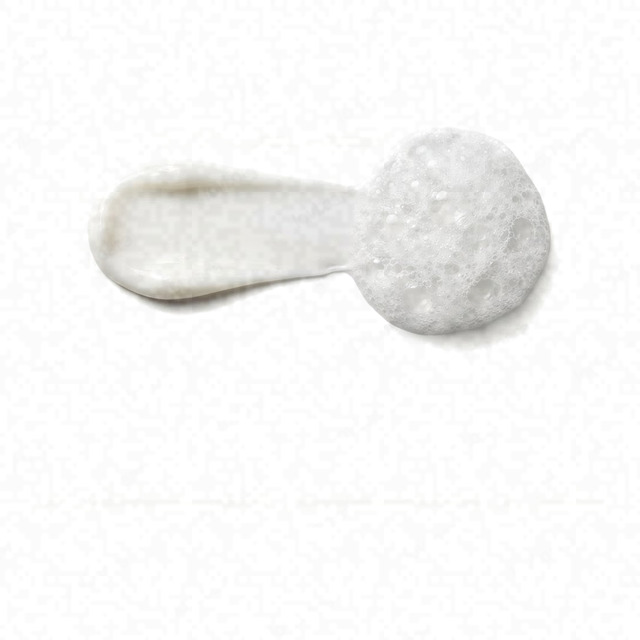 Sodium Laureth Sulfate
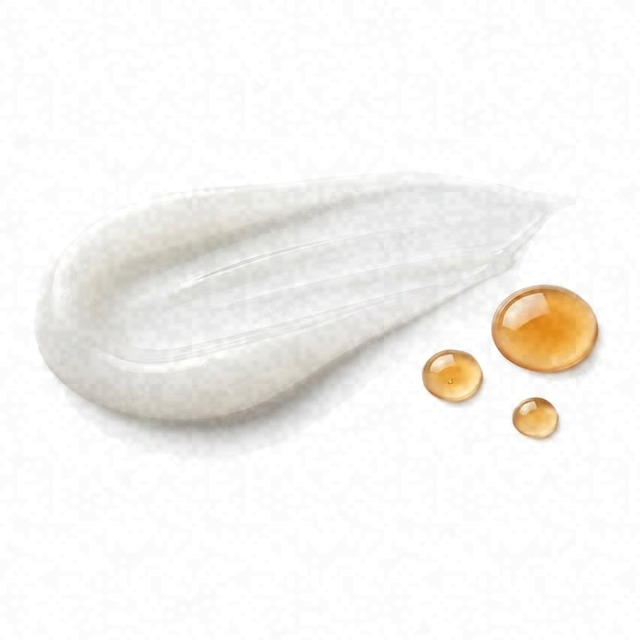 Cocamidopropyl Betaine
Low
- HighCombination Skin Fit
- AverageEffectiveness
- HighSafety
A weak match for acne-prone skin; the cleansers alongside fit it better.
This fit is calculated for the concerns frequently associated with acne-prone skin: breakouts, blackheads, and post-acne marks. For scores and recommendations based on your full skin profile, including your 12D face scan results and any goals or preferences you have, please use the Lovi app.
Page built Nov 8, 2026How the Fit score works
Lovi Assistant explains
- Offers moderate cleansing for your oily and acne-prone skin as sodium laureth sulfate and zinc pca help cleanse pores and regulate sebum. Citric acid provides mild exfoliation, which is beneficial for combination skin.
- The formula is safe for your acne-prone skin, with no harsh ingredients that could cause irritation.
- The overall safety profile is excellent, with no risks of irritation for your acne-prone skin due to the absence of prohibited or harsh ingredients.
How to apply
- Could be used as part of your AM and PM routine. Start using it 3 times a week and build up to daily use if your skin tolerates it.
- This cleanser is the first step in your morning routine and the second step after your pre-cleanser in the evening. Always follow up with a toner and moisturizer .
- Gently massage a small amount of the cleanser onto your face in circular motions. Avoid harsh rubbing to keep your skin calm.
- Apply the cleanser on slightly damp skin to help it work effectively against breakouts. Rinse thoroughly with lukewarm water .
- Avoid the immediate eye area and do a patch test before your first use to check for any sensitivity.
People Say
★4.6Overall rating based on 12.0k+ reviewsBased on a very large amount of data, users with oily and acne-prone skin consistently praise this line for effectively clearing hormonal breakouts, reducing blackheads, and controlling excess sebum without being overly harsh. While many describe it as a "holy grail" that delivers visible results within days, a subset of users with sensitive skin find the active ingredients drying or irritating.
Highlights
Rapid acne clearance Mostly Mentioned
- “clears hormonal acne”
- “zaps zits overnight”
- “reduces bump size quickly”
Oil control Often Mentioned
- “removes excess sebum”
- “mattifies shiny skin”
- “controls oily secretion”
Fast results Sometimes Noted
- “visible difference in 1 week”
- “overnight redness reduction”
- “quick healing”
Gentle effectiveness Sometimes Noted
- “effective without stripping”
- “suitable for sensitive skin”
- “non-comedogenic”
Texture improvement Sometimes Noted
- “smooths skin surface”
- “refines pores”
- “reduces blackheads”
Drying or stripping Sometimes Noted
- “dried skin out”
- “feels tight after washing”
- “caused flaking/peeling”
Bleaching fabrics Rarely Noted
- “bleached towels/pillowcases”
- “stains clothes”
Purging phase Rarely Noted
- “caused initial breakout”
- “skin purged for a week”
- “worse before better”
Skin irritation Rarely Noted
- “caused burning sensation”
- “redness upon application”
- “stung sensitive areas”
Unpleasant scent Rarely Noted
- “strong soapy smell”
- “chemical fragrance”
- “smells artificial”
Sources: lovi.care, amazon.com, ulta.com, lovelyskin.com, cocooncenter.co.uk, skincare.com, and more
Questions and answers
Why is La Roche-Posay Effaclar cleanser a weak match for acne-prone skin?
This cleanser is a weak match for your acne-prone skin because it only offers moderate cleansing and mild exfoliation while lacking the powerful acne-fighting and barrier-repairing ingredients found in top-rated products. An ideal cleanser for this skin needs powerful ingredients like niacinamide, ceramides, and hydrating agents to effectively clear breakouts and protect the skin barrier.
The Journal of Clinical and Aesthetic Dermatology, 2020Journal of Cosmetic Dermatology, 2021
Which ingredients make this cleanser a poor fit for acne-prone skin?
This cleanser is a weak match for acne-prone skin because it lacks the more powerful blemish-fighting and barrier-protecting ingredients found in top-rated products, such as niacinamide and ceramides. Cleansers of this type need soothing and hydrating agents like hyaluronic acid to effectively balance the skin without causing irritation.
What does Water do for acne-prone skin?
Water-based hydration helps keep acne-prone skin balanced by providing essential moisture without adding excess oil. Proper hydration also helps reduce dryness and flakiness that can sometimes result from harsh acne treatments.
What does Sodium Laureth Sulfate do for acne-prone skin?
Sodium laureth sulfate is a detergent that cleanses the skin, but it may cause dryness and irritation on acne-prone skin, which can weaken the skin barrier.
Where does this cleanser go in a skincare routine for acne-prone skin?
This cleanser goes in the morning and evening routine for your acne-prone skin, followed by a hydrating toner, moisturizer, and sunscreen in the morning, and a makeup remover, cleansing toner, treatment, and moisturizer at night. Cleansers of this type for acne-prone skin need ingredients like zinc pca and sodium laureth sulfate to help clean pores and control oil.
Can I use this cleanser with retinol, and in what order?
You can use this cleanser with retinol, applying the cleanser first on damp skin, rinsing it off, and then applying your retinol after your skin is dry. This cleanser helps wash away excess oil, but because acne-prone skin needs extra support against dryness and irritation from retinol, this skin type also needs a cleanser that adds soothing ingredients and ceramides.
How often should I use this cleanser?
You can use this cleanser in the morning and evening as part of your daily routine. It helps clean pores and manage oil, and is unlikely to cause irritation.
Can this cleanser clog pores, cause breakouts or purging for acne-prone skin?
This cleanser is unlikely to clog pores or cause irritation for your acne-prone skin, though some users may experience mild dryness or stripping. A cleanser for this skin needs gentle cleansing ingredients along with pore-clearing and oil-regulating components to properly manage breakouts.
Can I use this cleanser around the eyes or on my body?
This cleanser is generally safe to use on the body, but the thin skin around the eyes may require extra caution because cleansers with strong cleansing ingredients can sometimes be too drying for that delicate area. For cleansing acne-prone skin effectively without causing dryness or irritation, a gentle formula containing soothing ingredients and mild hydrators works best.
Is this cleanser fragrance-free and alcohol-free?
Yes, it has no fragrance and no drying alcohol.
What the research says
Topical nicotinamide plus an antibacterial adhesive agent and zinc-pyrrolidone carboxylic acid combined with adapalene significantly reduced noninflammatory acne lesions by the second week of therapy compared to placebo with adapalene in patients with moderate acne vulgaris.
The Journal of Clinical and Aesthetic Dermatology, 2020Daily treatment with a facial serum containing multiple acids reduced post-inflammatory hyperchromia lesion grade and number by 29.4% at 56 days, and decreased skin oiliness by 30.7% at 7 days in Brazilian patients with acne vulgaris.
Journal of Cosmetic Dermatology, 2021A novel composition containing salicylic acid, capryloyl salicylic acid, HEPES, glycolic acid, citric acid, and dioic acid showed similar tolerance and efficacy compared with clindamycin 1% and benzoyl peroxide 5% gel in subjects with acne vulgaris.
Journal of Drugs in Dermatology, 2013Sodium dodecyl sulfate (SDS) treatment decreases lipid membrane chain conformational order and stiffness leading to increased water sorption and diffusivity, whereas sodium lauryl ether sulfate (SLES) treatment increases lipid membrane conformational order and stiffness with increased water sorption capacity driven by its hygroscopic nature.
Langmuir, 2014The cytotoxic effect of sodium lauryl sulphate on normal human keratinocytes was significantly decreased when combined with cocamidopropyl betaine, Tween 20, and Tween 80 at concentrations well below the critical micelle concentration.
Skin Pharmacology and Applied Skin Physiology, 2003
Ingredients
Water, Sodium Laureth Sulfate, Cocamidopropyl Betaine, Peg-120 Methyl Glucose Dioleate, Zinc Pca, Sodium Chloride, Citric Acid, Sodium Benzoate, Phenoxyethanol, Caprylyl Glycol
Behind this fit score
Lovi calculates every fit score from the full ingredient list with brand-independent rules our dermatologists and cosmetic chemists build and review, and personalizes every pick with AI trained on the real results of millions of users. Lovi trains its fit score models on a proprietary dataset built from more than 10,000 expert-labeled products and more than 100,000 simulated examples, following an internally consistent methodology presented at Cosmoprof, AMWC, and Skin of Color Update.
-

Co-founder, Medical Director
Cosmetic chemist, cosmetologist, aesthetic products developer
-

Co-founder, CEO and CTO
PhD in computer science, 3x US patent holder, ex-Google, ex-Yandex
-

Dr. Sofía Perea Pérez, MD, MSc
Medical Board
Aesthetic medicine practitioner, MSc in Longevity and Anti-Aging Medicine
-

Medical Board
Specialist dermatologist, MBBS, MD, IFAAD
-

Medical Board
Cosmetic chemist, SCS, IFSCC member
-

Medical Board, Medical Advisor
Dermatology MD
-

Elina Nazarenko, MD
Medical Board
Dermatology and diagnostic consultant
-

Victoria Derkova, MS
Medical Board
Cosmetic chemist, cosmetic development technologist


How does it fit your skin?
Scan your face, then any product: Lovi shows how well it fits you and what fits even better.