L'Oreal Paris Dark Spot Exfoliant Peel for sensitive skin

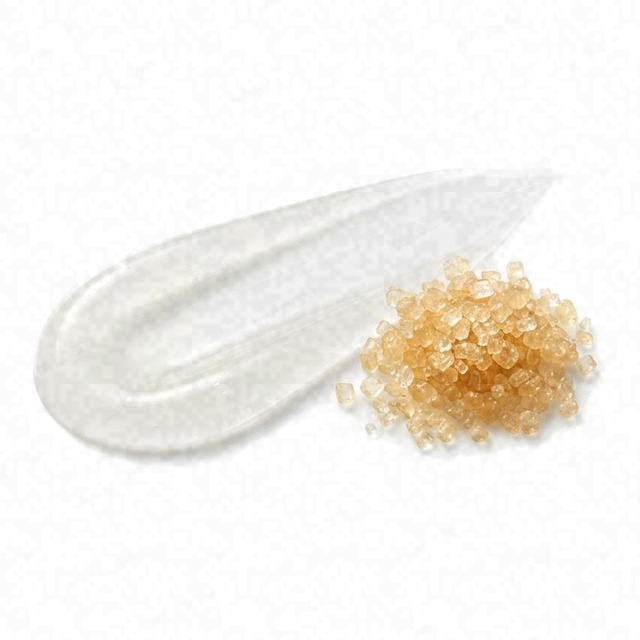 Glycolic Acid
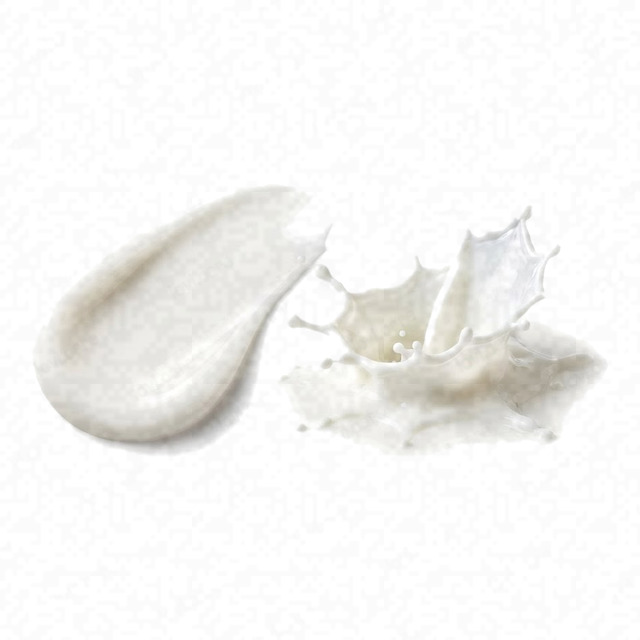 Lactic Acid
 Niacinamide
 Salicylic Acid
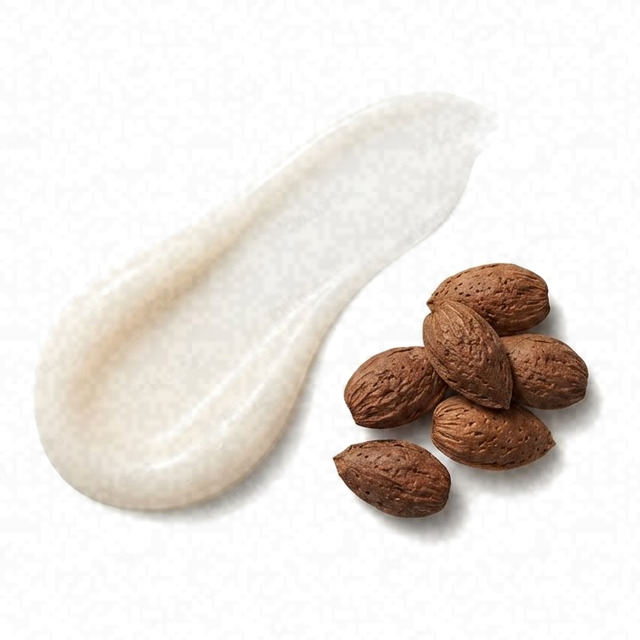 Mandelic Acid
Average
- AverageNormal Skin Fit
- HighEffectiveness
- ConcerningSafety
Works for sensitive skin; other products fit it better.
This fit is calculated for the concerns frequently associated with sensitive skin: redness, stinging, and reactions to new products. For scores and recommendations based on your full skin profile, including your 12D face scan results and any goals or preferences you have, please use the Lovi app.
Page built Nov 8, 2026How the Fit score works
Lovi Assistant explains
- Offers moderate exfoliation for normal skin, as lactic acid and glycolic acid help smooth texture, but the inclusion of alcohol denat may cause dryness.
- While effective for redness and irritation, the combination of multiple acids and parfum presents a risk of exacerbating sensitivity for your skin.
How to apply
- Use your exfoliant PM once a week to help with redness and irritation. Start slowly and only increase frequency if your skin feels happy and comfortable.
- Apply the exfoliant after cleansing and toner , but always before your moisturizer . This ensures the product absorbs properly into the skin.
- Gently press 2-3 drops of the exfoliant into your skin without rubbing . Let it absorb for a minute before moving on.
- Since your skin is sensitive , apply the exfoliant on completely dry skin for the best tolerance. This helps prevent any extra stinging or discomfort.
- Always do a patch test before your first use and avoid the delicate eye area .
People Say
★4.4Overall rating based on 600+ reviewsUsers with acne-prone and sensitive skin frequently praise this peel for its ability to smooth texture and brighten the complexion immediately without the harsh irritation typical of professional peels. While many report visible fading of post-acne marks and dark spots after consistent use, results can be gradual, and the formula causes a temporary tingling sensation for some.
Highlights
Brightens complexion Often Mentioned
- “skin looks instantly brighter”
- “gave me a nice glow”
- “complexion looks clearer and radiant”
Smoother skin texture Often Mentioned
- “skin felt noticeably smoother after one use”
- “feels retexturized and softer”
- “leaves skin feeling revitalized and smooth”
Fades dark spots Sometimes Noted
- “dark spots have visibly lightened”
- “helped fade old acne marks”
- “evened out my skin tone”
Gentle for a peel Sometimes Noted
- “surprisingly gentle for sensitive skin”
- “no major irritation or redness”
- “did not dry out my face”
Tingling or burning sensation Sometimes Noted
- “slight tingling the first few times”
- “burning sensation when first applied”
- “felt a bit spicy on the skin”
Packaging/Applicator issues Rarely Noted
- “bottle is hard to squeeze”
- “applicator tip is a bit messy”
- “bulky packaging for the amount”
Slow visible results Rarely Noted
- “took too long to see changes”
- “results weren't immediate”
- “didn't erase spots completely”
Sticky texture Rarely Noted
- “feels a little sticky and tacky”
- “leaves a residue if not rinsed well”
- “texture is slimy like a serum”
Sources: lovi.care, ulta.com, lorealparisusa.com, target.com, hometesterclub.com, sayso.com.au, and more
Questions and answers
How well does L'Oreal Dark Spot Exfoliant Peel work for sensitive skin?
This exfoliant is an average fit for your sensitive skin because, while it provides smoothing acids, the alcohol and multiple acids may cause dryness and irritation. An exfoliant treatment for this skin needs soothing ingredients, hydrating components, and powerful antioxidants to calm redness without any risk of irritation.
Which ingredients make this exfoliant a good fit for sensitive skin?
Niacinamide, lactic acid, and glycolic acid help smooth texture and address redness, but this exfoliant is only an average fit because multiple acids, alcohol denat, and parfum may cause dryness and irritation. An exfoliant for sensitive skin needs soothing and hydrating ingredients, antioxidants, and skin-repairing components without allergens or heavy irritants.
What does Glycolic Acid do for sensitive skin?
Glycolic acid can be too harsh for sensitive skin, leaving it dry and irritated, so this type of skin needs a gentler exfoliating ingredient and calming plant extracts to keep the skin barrier safe and comfortable.
What does Lactic Acid do for sensitive skin?
Lactic acid may cause stinging and irritation on sensitive skin because sensitive skin often has a fragile barrier and enhanced facial blood flow. To care for sensitive skin, a product of this type needs soothing ingredients like ceramides to strengthen the skin barrier and calm discomfort.
Archives of Dermatological Research, 2018Clinical, Cosmetic and Investigational Dermatology, 2021
Where does this exfoliant go in a skincare routine for sensitive skin?
This exfoliant goes into your evening routine once a week, as starting slowly helps you avoid irritation. A product of this type needs soothing ingredients and gentle exfoliants to keep sensitive skin calm and smooth.
Can I use this exfoliant with retinol, and in what order?
You should avoid using this exfoliant with retinol because the combination of multiple acids and alcohol denat presents a high risk of causing dryness, redness, and irritation on sensitive skin. A product for this skin needs gentler acids and soothing, hydrating ingredients without added fragrances or drying alcohols.
How often should I use this exfoliant?
Use this exfoliant once a week in the evening, as starting slowly helps you avoid irritation on sensitive skin. Because this product contains multiple acids, alcohol denat, and parfum, it may cause dryness and discomfort if used too often. Sensitive skin needs gentle exfoliating ingredients and soothing hydrators that smooth texture without harsh alcohol or fragrance.
Can this exfoliant clog pores, cause breakouts or purging for sensitive skin?
Is this exfoliant fragrance-free and alcohol-free?
It contains fragrance (parfum) and drying alcohol (alcohol denat).
What the research says
A combination of dermapen and glycolic acid peel significantly decreased acne scar grades and resulted in higher patient satisfaction compared to either monotherapy in 30 patients.
Journal of Cosmetic Dermatology, 2019Ethanol as a preservative in topical creams reduced the dermal penetration of hydrophilic surrogates by about 40% and lipophilic surrogates by about 20% on intact skin while having minimal impact on irritated skin, and it altered biophysical skin properties depending on the skin condition.
Pharmaceutics, 2025Repeated short-contact 70% glycolic acid peels provided superior results in atrophic acne scars compared to daily low-strength glycolic acid cream or placebo in 58 women over 24 weeks.
International Journal of Dermatology, 2000Serial glycolic acid peels combined with a modified Kligman formula significantly reduced facial PIH severity in Indian patients compared to the modified Kligman formula alone.
Dermatologic Surgery, 2017Application of a cream containing lactic acid 12% and pramoxine HCl 1% significantly improved skin dryness, hydration, and itch compared with a nontreated control in 24 women with a history of dry itchy skin.
Cutis, 2004Topical 12% ammonium lactate produced a significant sparing of epidermal and dermal atrophy induced by clobetasol propionate in human volunteers, without influencing the corticosteroid's bioavailability or antiinflammatory properties.
Journal of the American Academy of Dermatology, 1992A lactic acid/ceramide lotion significantly improved skin moisturization and desquamation compared to no treatment in women with dry, rough skin on the anterior shins.
The Journal of Clinical and Aesthetic Dermatology, 2020Topical post-laser application of human adipocyte-derived mesenchymal stem cell media combined with niacinamide significantly improved wrinkle index, melanin index, patient satisfaction, and investigator esthetic improvement scores compared to vehicle cream in patients with aging skin.
Journal of Cosmetic Dermatology, 2021Topical nicotinamide prevented solar-simulated UV-induced immunosuppression in healthy volunteers, and men experienced immunosuppression at solar-simulated UV doses three times lower than those required for women.
The Journal of Investigative Dermatology, 2008Topical 5% niacinamide applied twice daily for 12 weeks reduced fine lines and wrinkles, hyperpigmented spots, red blotchiness, and skin sallowness, and improved skin elasticity compared to vehicle control in 50 female white subjects with facial photoaging.
Dermatologic Surgery, 2005Cryotherapy with liquid nitrogen achieved a higher cure rate (39%) than salicylic acid (24%) and a wait-and-see approach (16%) for cutaneous warts at 13 weeks in primary care patients.
CMAJ, 2010A moisturizer containing licochalcone A, 1,2-decanediol, L-carnitine, and salicylic acid significantly reduced noninflammatory, inflammatory, and total acne lesion counts compared to a vehicle control in Thai patients during a 12-week maintenance phase.
BioMed Research International, 2020Treatment with 2% supramolecular salicylic acid hydrogel resulted in a regression and markedly improvement rate of 51.01% compared to 43.10% for Adapaline gel in patients with mild to moderate facial acne vulgaris, showing no significant difference in efficacy.
Journal of Cosmetic Dermatology, 2024Treatment with 45% mandelic acid peel showed nearly equal overall efficacy as 30% salicylic acid peel in patients with mild-to-moderate facial acne vulgaris, but with fewer adverse effects.
Journal of Cosmetic Dermatology, 2020Chemical peels using 35% glycolic acid, 20% salicylic-10% mandelic acid, and phytic acid reduce acne scores by 70.55%, 74.14%, and 69.7% respectively, and significantly decline the postacne hyperpigmentation index in Asian patients with mild to moderate acne.
Journal of Cutaneous and Aesthetic Surgery, 2019Commonly used chemical peels showed no significant differences in effectiveness for acne vulgaris in most comparisons, though combined salicylic and mandelic acid peeling was superior to glycolic acid and glycolic acid was superior to placebo, based on twelve randomized controlled trials.
BMJ Open, 2018
Ingredients
Water, Alcohol Denat, Lactic Acid, Glycolic Acid, Gluconolactone, Propanediol, Sodium Hydroxide, Glycerin, Silica, Salicylic Acid, Mica, Mandelic Acid, Polyacrylate Crosspolymer-6, Ci 77891, Titanium Dioxide, Ethyl Menthane Carboxamide, Hydroxyethylcellulose, Niacinamide, Xanthan Gum, Parfum, Trisodium Ethylenediamine Disuccinate, Ci 19140, Yellow 5, Ci 42090, Blue 1, Disodium Phosphate, Polysorbate 60, Sodium Phosphate
Behind this fit score
Lovi calculates every fit score from the full ingredient list with brand-independent rules our dermatologists and cosmetic chemists build and review, and personalizes every pick with AI trained on the real results of millions of users. Lovi trains its fit score models on a proprietary dataset built from more than 10,000 expert-labeled products and more than 100,000 simulated examples, following an internally consistent methodology presented at Cosmoprof, AMWC, and Skin of Color Update.
-

Co-founder, Medical Director
Cosmetic chemist, cosmetologist, aesthetic products developer
-

Co-founder, CEO and CTO
PhD in computer science, 3x US patent holder, ex-Google, ex-Yandex
-

Dr. Sofía Perea Pérez, MD, MSc
Medical Board
Aesthetic medicine practitioner, MSc in Longevity and Anti-Aging Medicine
-

Medical Board
Specialist dermatologist, MBBS, MD, IFAAD
-

Medical Board
Cosmetic chemist, SCS, IFSCC member
-

Medical Board, Medical Advisor
Dermatology MD
-

Elina Nazarenko, MD
Medical Board
Dermatology and diagnostic consultant
-

Victoria Derkova, MS
Medical Board
Cosmetic chemist, cosmetic development technologist


How does it fit your skin?
Scan your face, then any product: Lovi shows how well it fits you and what fits even better.