Cetaphil Gentle Foaming Cleanser for oily acne-prone skin

 Glycerin
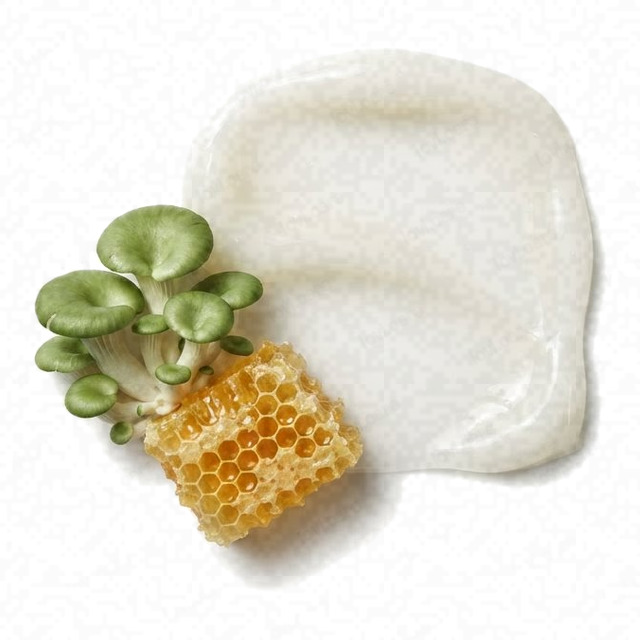 Panthenol Vitamin B5
 Tocopheryl Acetate Vitamin E
 Cocamidopropyl Betaine
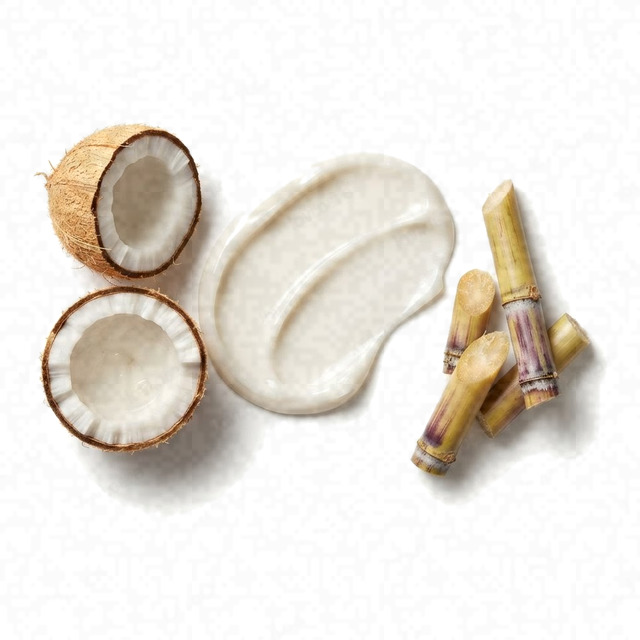 Coco-Glucoside
Average
- LowOily Skin Fit
- AverageEffectiveness
- ConcerningSafety
Works for oily acne-prone skin; other cleansers fit it better.
This fit is calculated for the concerns frequently associated with oily acne-prone skin: shine, breakouts, blemishes, and enlarged pores. For scores and recommendations based on your full skin profile, including your 12D face scan results and any goals or preferences you have, please use the Lovi app.
Page built Nov 8, 2026How the Fit score works
Lovi Assistant explains
- Offers moderate cleansing for your oily skin with cocamidopropyl betaine and coco-glucoside, but glycerin and panthenol vitamin b5 may overwhelm oily skin types.
- While it provides general cleansing benefits, the formula lacks targeted ingredients to effectively address your acne, blemishes, and breakouts.
How to apply
- Use this cleanser as part of your AM and PM routine. Start using it daily to help clear your breakouts.
- Apply this cleanser as the first step in the morning and right after your pre-cleanser in the evening. Follow it with your toner and moisturizer.
- Gently massage a small amount of the cleanser onto your face using circular motions. Rinse thoroughly with lukewarm water and pat dry.
- Apply the cleanser on slightly damp skin to help clean deeply and remove excess oil. This works best for oily skin types.
- Avoid the sensitive eye area during application. Do a patch test before your first use.
People Say
★4.5Overall rating based on 1.0k+ reviewsBased on a very large amount of data, this cleanser is highly regarded as a gentle, non-stripping option suitable for sensitive and dry skin, effectively cleansing without removing moisture. Many users appreciate its fragrance-free and non-irritating qualities, along with its pleasant foaming texture. Some users with oily skin or those who wear heavy makeup find it too mild, and a notable number of reviews mention issues with the pump packaging.
Highlights
Fragrance-free Mostly Mentioned
- “no strong smell”
- “great for sensitive nose”
- “truly unscented”
Gentle and non-stripping Often Mentioned
- “doesn't strip skin”
- “face feels soft”
- “no tight feeling”
Non-irritating Often Mentioned
- “doesn't burn eyes”
- “calms redness”
Pump issues Often Mentioned
- “pump stays down”
- “hard to dispense”
- “broken nozzle”
Foaming texture Sometimes Noted
- “fluffy foam”
- “light airy texture”
- “satisfying lather”
Makeup removal Sometimes Noted
- “didn't remove mascara”
- “need a second cleanse”
- “too mild for makeup”
Drying for some Rarely Noted
- “caused peeling”
- “dried me out”
- “skin felt parched”
Residue left Rarely Noted
- “hard to rinse off”
- “slippery finish”
- “felt filmy”
Sources: lovi.care, ulta.com, target.com, skinsort.com, reddit.com, lavishfestival.com, and more
Questions and answers
How well does Cetaphil Gentle Foaming Cleanser work for oily acne-prone skin?
Cetaphil Gentle Foaming Cleanser works moderately for your oily skin with Cocamidopropyl Betaine and Coco-Glucoside, but Glycerin and Panthenol Vitamin B5 may overwhelm oily skin types. It also lacks targeted ingredients to effectively address your acne, blemishes, and breakouts. A cleanser for this skin needs soothing and effective ingredients like Niacinamide, Ceramides, Salicylic Acid, or probiotics, which balance oil production, soothe the skin, and manage breakouts without irritation.
Which ingredients make this cleanser a good fit for oily acne-prone skin?
Cocamidopropyl betaine and coco-glucoside clean oily skin, while glycerin and panthenol vitamin B5 may sometimes feel heavy. A cleanser for this skin needs soothing and effective ingredients like niacinamide, ceramides, probiotics, or salicylic acid to help clear breakouts and balance oil without irritation.
What does Glycerin do for oily acne-prone skin?
Glycerin helps keep oily acne-prone skin hydrated without feeling heavy. It draws moisture into the skin while supporting the skin barrier so it stays soft and balanced.
The British Journal of Dermatology, 2008Clinical, Cosmetic and Investigational Dermatology, 2017
What does Panthenol do for oily acne-prone skin?
Panthenol helps regulate sebum, improves skin hydration, and reduces redness and irritation in oily acne-prone skin. It is well tolerated and may support barrier recovery without causing adverse reactions.
Where does it go in a skincare routine for oily acne-prone skin?
This cleanser goes in your morning and evening routine as your cleansing step, before toner and moisturizer. While it cleans your oily skin moderately well, it lacks targeted ingredients to address acne and breakouts, so this skin type needs a cleanser with ingredients like salicylic acid or benzoyl peroxide.
Can I use this cleanser with retinol, and in what order?
You can use this cleanser with retinol by applying the cleanser first on damp skin, rinsing thoroughly, and following with your retinol after your skin is completely dry. This cleanser washes away dirt, but oily acne-prone skin needs products with targeted blemish-fighting ingredients and lighter hydrators to stay clear and balanced.
How often should I use it?
You can use this cleanser daily in the morning and evening as part of your routine. This gives your oily skin moderate cleaning, but an oily acne-prone skin needs targeted ingredients like salicylic acid or niacinamide to help manage breakouts and blemishes.
Can this cleanser clog pores, cause breakouts or purging for oily acne-prone skin?
This cleanser is unlikely to clog pores, but because it lacks targeted ingredients for breakouts, it may not prevent them on oily acne-prone skin. A product for this type of skin needs blemish-fighting ingredients like salicylic acid to properly keep pores clear.
Can I use it around the eyes or on my body?
You can use this cleanser on your body, but the skin around your eyes is much thinner and more delicate than most body regions, so take care not to get it in your eyes. This product type washes away dirt and oil safely across the skin, though it lacks targeted ingredients for special concerns.
Is this cleanser fragrance-free and alcohol-free?
It has no fragrance and contains drying alcohol (isopropyl alcohol).
What the research says
A single application of a moisturizing fluid containing hyaluronic acid 1%, glycerin 5%, and Centella asiatica stem cells extract significantly increased skin hydration by 29% and reduced transepidermal water loss at 24 hours compared to baseline and an untreated control site in twenty healthy women.
Clinical, Cosmetic and Investigational Dermatology, 2017The emollient V0034CR significantly reduced TEWL compared to vehicle and vehicle plus glycerol, and significantly increased corneometry scores compared to vehicle and vehicle plus petrolatum in healthy volunteers with dry skin, demonstrating combined barrier function improvement from petrolatum and hydration improvement from glycerol.
Journal of Cosmetic Dermatology, 2020Ten days of treatment with a cream containing 20% glycerin significantly increased skin hydration measured by corneometer values in 17 healthy volunteers compared to a placebo cream, but showed no influence on transepidermal water loss or skin sensitivity to an irritating surfactant.
International Journal of Cosmetic Science, 2001Topical dexpanthenol acts as a moisturizer, improves stratum corneum hydration, accelerates wound healing and epidermal regeneration, reduces erythema, and improves symptoms of skin irritation compared to vehicle or no pretreatment.
American Journal of Clinical Dermatology, 2002Moisturizer containing 5% panthenol, madecassoside, and copper-zinc-manganese decreased adverse reactions and downtime after ablative fractional carbon dioxide laser resurfacing with comparable efficacy to 0.02% triamcinolone acetonide cream in 20 subjects.
Journal of Cosmetic Dermatology, 2019Topical dexpanthenol formulated in lipophilic vehicles improved stratum corneum hydration and reduced transepidermal water loss compared to vehicle control in humans.
Arzneimittel-Forschung, 2000Topical application of an antioxidant serum containing 15% ascorbic acid, 0.5% ferulic acid, and 1% tocopherol prevented particulate matter-induced degradation of extracellular matrix components, inflammation, and oxidative stress in the skin of 15 female volunteers compared to untreated controls.
Journal of Cosmetic Dermatology, 2025Dermatological products containing d-alpha tocopheryl acetate showed non-comedogenic potential with less than a 50% increase in microcomedones in 12 healthy male subjects compared to octyl palmitate.
Contemporary Clinical Trials Communications, 2021Topical application of an antioxidant mix containing 15% ascorbic acid, 0.5% ferulic acid, and 1% tocopherol prevented PM and UV-induced skin barrier perturbation, lipid peroxidation, inflammatory markers, MMP9 activation, and Type I collagen loss in 15 healthy females compared to untreated exposed skin.
Journal of Cosmetic Dermatology, 2024The cytotoxic effect of sodium lauryl sulphate on normal human keratinocytes was significantly decreased when combined with cocamidopropyl betaine, Tween 20, and Tween 80 at concentrations well below the critical micelle concentration.
Skin Pharmacology and Applied Skin Physiology, 2003Coco-glucoside powered emulgels containing probiotics and prebiotics demonstrated stability without phase separation and preserved probiotic viability for up to 11 days, supporting the skin's natural barrier.
International Journal of Pharmaceutics, 2025
Why other cleansers fit oily acne-prone skin better
Topical application of Lactobacillus plantarum-GMNL6 enhanced collagen synthesis and SPTSSA gene expression while reducing melanin synthesis, Staphylococcus aureus biofilm, and Cutibacterium acnes proliferation, leading to clinical improvements in skin moisture, color, spots, wrinkles, UV spots, and porphyrins in human volunteers.
International Journal of Medical Sciences, 2021A novel emulsion containing niacinamide, lens esculenta seed extract, and white willow bark extract effectively improved acne, blackheads, and conspicuous facial pores in 30 subjects with oily skin.
Journal of Cosmetic Dermatology, 2024
Ingredients
Water, Cocamidopropyl Betaine, Coco-Glucoside, Betaine, Glycerin, Panthenol Vitamin B5, Tocopheryl Acetate Vitamin E, Sodium Benzoate, Polysorbate 20, Polyquaternium-10, Phenoxyethanol, Citric Acid, Isopropyl Alcohol
Behind this fit score
Lovi calculates every fit score from the full ingredient list with brand-independent rules our dermatologists and cosmetic chemists build and review, and personalizes every pick with AI trained on the real results of millions of users. Lovi trains its fit score models on a proprietary dataset built from more than 10,000 expert-labeled products and more than 100,000 simulated examples, following an internally consistent methodology presented at Cosmoprof, AMWC, and Skin of Color Update.
-

Co-founder, Medical Director
Cosmetic chemist, cosmetologist, aesthetic products developer
-

Co-founder, CEO and CTO
PhD in computer science, 3x US patent holder, ex-Google, ex-Yandex
-

Dr. Sofía Perea Pérez, MD, MSc
Medical Board
Aesthetic medicine practitioner, MSc in Longevity and Anti-Aging Medicine
-

Medical Board
Specialist dermatologist, MBBS, MD, IFAAD
-

Medical Board
Cosmetic chemist, SCS, IFSCC member
-

Medical Board, Medical Advisor
Dermatology MD
-

Elina Nazarenko, MD
Medical Board
Dermatology and diagnostic consultant
-

Victoria Derkova, MS
Medical Board
Cosmetic chemist, cosmetic development technologist


How does it fit your skin?
Scan your face, then any product: Lovi shows how well it fits you and what fits even better.