CeraVe Resurfacing Retinol Serum for dry skin

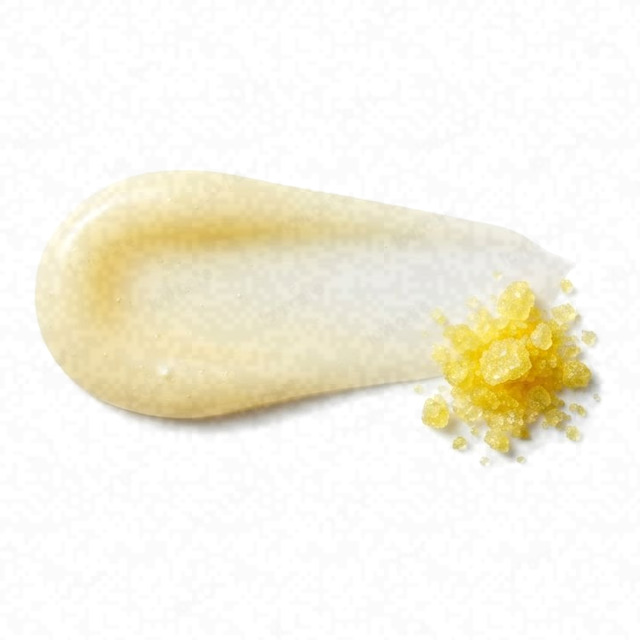 Encapsulated Retinol
 Niacinamide
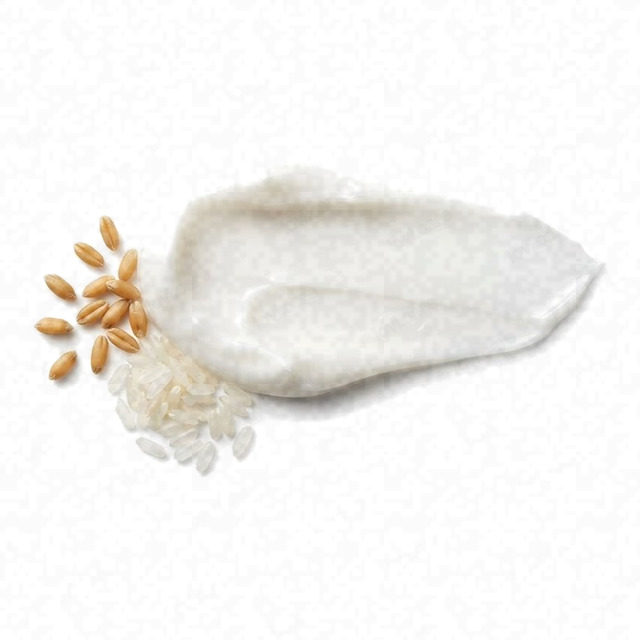 3 Essential Ceramides
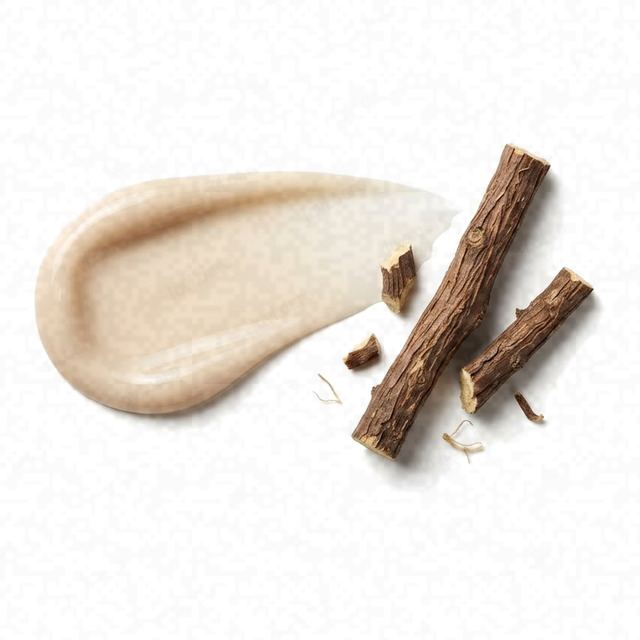 Licorice Root Extract
Low
- AverageDry Skin Fit
- AverageEffectiveness
- HighSafety
A weak match for dry skin; the serums alongside fit it better.
This fit is calculated for the concerns frequently associated with dry skin: flakiness, tightness, dehydration, fine lines, and wrinkles. For scores and recommendations based on your full skin profile, including your 12D face scan results and any goals or preferences you have, please use the Lovi app.
Page built Nov 8, 2026How the Fit score works
Lovi Assistant explains
- Offers excellent skin resurfacing for your dry skin due to retinol and niacinamide, which smooth texture and reduce post-acne marks, though sodium hyaluronate provides only moderate hydration without sufficient emollients to fully address dryness.
- The formula is safe for your dry skin as it lacks harsh ingredients that could cause irritation.
- While it offers general skincare benefits, the primary focus on cell turnover may not fully alleviate flakiness.
How to apply
- Apply this serum PM, starting 3×/week and working up to daily use as your skin adjusts.
- Place the serum after cleansing and toner, but right before your moisturizer.
- Gently press 2-3 drops of the serum into your skin and let it absorb for a minute.
- Apply the serum on slightly damp skin to help lock in extra moisture.
- Avoid the eye area and do a patch test before your first use.
People Say
★4.6Overall rating based on 4.6k+ reviewsBased on a very large amount of data, this serum is highly regarded as a gentle introduction to retinol, effectively smoothing skin texture and reducing the appearance of post-acne marks with minimal irritation. Many users observe a radiant complexion and diminished pores, though significant improvements in hyperpigmentation typically require consistent application over several weeks to months.
Highlights
Gentle and non-irritating Mostly Mentioned
- “no burning sensation”
- “didn't dry me out”
- “zero irritation experienced”
Fades acne marks Often Mentioned
- “lightened dark spots”
- “faded acne scars”
- “helped with hyperpigmentation”
Improves skin texture Often Mentioned
- “smoother complexion”
- “softens rough patches”
- “reduces pore visibility”
Affordable value Sometimes Noted
- “great price”
- “budget-friendly retinol”
- “good value for money”
Lightweight formula Sometimes Noted
- “absorbs instantly”
- “non-greasy finish”
- “lightweight gel texture”
Slow results Sometimes Noted
- “takes a few months”
- “slow progress”
- “not an overnight miracle”
Initial breakouts Rarely Noted
- “caused small whiteheads”
- “skin purged initially”
- “broke me out first”
Initial dryness Rarely Noted
- “slight peeling”
- “dry patches around nose”
- “needs good moisturizer”
Packaging issues Rarely Noted
- “pump stopped working”
- “can't see product amount”
- “hard to get last bit”
Too mild Rarely Noted
- “too weak”
- “didn't do enough”
- “need stronger percentage”
Sources: lovi.care, ulta.com, walmart.com, cerave.com, influenster.com, cosmopolitan.com, and more
Questions and answers
Why is CeraVe Resurfacing Retinol Serum a weak match for dry skin?
This serum smooths texture with retinol and niacinamide, but it may not fully alleviate flakiness because it lacks sufficient emollients to fully address dryness. Treatments of this type need rich ingredients that specifically target hydration and skin barrier support with soothing elements to nourish dry skin.
Which ingredients make this serum a poor fit for dry skin?
This serum is a weak match for dry skin because retinol focuses on cell turnover rather than heavy hydration, leaving dry skin in need of ingredients that specifically target hydration and skin barrier support with soothing elements, ceramides, and peptides.
What does Encapsulated Retinol do for dry skin?
Encapsulated retinol helps improve skin dryness while keeping irritation low. This type of ingredient provides sustained hydration and comfort for dry skin over weeks of use.
What does Niacinamide do for dry skin?
Niacinamide helps dry skin by strengthening the skin barrier, increasing hydration, and reducing water loss. It supports ceramide production and helps keep the surface smooth and calm. This ingredient tends to be very well tolerated and is unlikely to irritate dry skin.
Journal of Cosmetic Dermatology, 2004Journal of Cosmetic Dermatology, 2026
Where does this serum go in a skincare routine for dry skin?
This treatment goes in the evening routine after cleansing and before moisturizing. A product of this type for dry skin needs rich hydrators and soothing skin-softening ingredients to fully tackle flakiness.
Can I use this serum with vitamin C, and in what order?
You can use this serum with vitamin C by applying vitamin C in the morning and this retinol serum at night, as using them at different times helps prevent potential irritation. A product for this skin needs rich moisturizers and heavy oils to lock in hydration and stop flakiness.
How often should I use this serum?
This treatment is used in the evening, starting once a week and gradually increasing frequency if your skin tolerates it well. Because this product is a weak match for dry skin, a product of this type needs rich moisturizers, ceramides, and hyaluronic acid to lock in moisture and fully address dryness.
Can this serum clog pores, cause breakouts or purging for dry skin?
This serum is unlikely to cause breakouts, though it may lead to initial breakouts or mild flakiness as retinol speeds up cell turnover. A product for dry skin needs rich, nourishing hydrators and heavy oils to deeply moisturize and soothe flakiness.
Is this serum fragrance-free and alcohol-free?
It has no fragrance and contains drying alcohol (alcohol).
What the research says
Niacinamide significantly decreased hyperpigmentation and increased skin lightness compared with vehicle alone after 4 weeks of use in women by inhibiting melanosome transfer.
The British Journal of Dermatology, 2002Topical 0.4% retinol significantly increased epidermal thickness, dermal vascularity, and extracellular matrix production by stimulating keratinocyte proliferation, endothelial cell proliferation, and fibroblast activation in naturally aged human skin compared to vehicle.
International Journal of Cosmetic Science, 2017Topical bakuchiol 0.5% applied twice daily compared with retinol 0.5% applied daily significantly decreased wrinkle surface area and hyperpigmentation with no statistical difference between the compounds in 44 patients over 12 weeks, while retinol users reported more facial skin scaling and stinging.
The British Journal of Dermatology, 2019Silicone particles encapsulating retinol increased its half-life by 9-fold and yielded 12-23% lower skin irritation in human subjects compared to Microsponge particles while maintaining biological activity.
Journal of Controlled Release, 2018Topical stabilized retinol treatment induced HAS gene expression and increased hyaluronic acid production in human skin in vitro, ex vivo, and in vivo compared to vehicle.
Archives of Dermatological Research, 2017Topical application of all-trans-retinol induced epidermal thickening and increased retinoid binding protein expression similar to all-trans-retinoic acid in normal human skin, but without causing significant erythema or measurable retinoic acid levels.
The Journal of Investigative Dermatology, 1995Topical post-laser application of human adipocyte-derived mesenchymal stem cell media combined with niacinamide significantly improved wrinkle index, melanin index, patient satisfaction, and investigator esthetic improvement scores compared to vehicle cream in patients with aging skin.
Journal of Cosmetic Dermatology, 2021Topical nicotinamide prevented solar-simulated UV-induced immunosuppression in healthy volunteers, and men experienced immunosuppression at solar-simulated UV doses three times lower than those required for women.
The Journal of Investigative Dermatology, 2008Topical 5% niacinamide applied twice daily for 12 weeks reduced fine lines and wrinkles, hyperpigmented spots, red blotchiness, and skin sallowness, and improved skin elasticity compared to vehicle control in 50 female white subjects with facial photoaging.
Dermatologic Surgery, 2005Combining 755 nm alexandrite laser with topical licorice gel significantly reduces terminal hair counts compared to alexandrite laser with placebo in women with idiopathic hirsutism.
Evidence-based Complementary and Alternative Medicine, 2015Licochalcone A activated Nrf2 signaling, elevated cytoprotective enzymes, increased the reduced-to-oxidized glutathione ratio, and decreased reactive oxygen species in human fibroblasts and neutrophils, while a LicA-rich licorice extract lowered UVA-induced oxidative processes in vivo.
Experimental Dermatology, 2015Bioactive glycyrrhizic acid and oxymatrine ionic liquid self-assembled nanomicelles significantly promoted the transdermal permeation, subcutaneous retention, and anti-photoaging efficacy of palmitoyl pentapeptide-4 in cellular and animal models compared to unformulated peptide.
Advanced Science, 2025
Why other serums fit dry skin better
A topical serum containing vitamin C, vitamin E, and raspberry leaf cell culture extract improved skin color, elasticity, radiance, smoothness, scaliness, and wrinkles compared to the untreated contralateral side in fifty female volunteers.
Journal of Cosmetic Dermatology, 2020Treatment with 14% ferulic acid and 12% l-ascorbic acid significantly reduced pigmentation and erythema while improving hydration and elasticity in 20 women with photoaged skin, with neither acid proving definitively more effective overall though ascorbic acid showed slightly greater skin lightening.
Dermatologic Therapy, 2022Treatment with cross-linked hyaluronic acid-based microneedle patches combined with acetyl hexapeptide-8 or epidermal growth factor significantly improved wrinkles and skin hydration compared to the patch alone in Korean females over 29 days.
Annals of Dermatology, 2019
Ingredients
Water, Propanediol, Dimethicone, Cetearyl Ethylhexanoate, Niacinamide, Ammonium Polyacryloyldimethyl Taurate, Dipotassium Glycyrrhizate, Hydrogenated Lecithin, Potassium Phosphate, Ceramide Np, Ceramide Ap, Ceramide Eop, Carbomer, Cetearyl Alcohol, Behentrimonium Methosulfate, Dimethiconol, Lecithin, Sodium Citrate, Retinol, Sodium Hyaluronate, Sodium Lauroyl Lactylate, Cholesterol, Phenoxyethanol, Alcohol, Isopropyl Myristate, Caprylyl Glycol, Citric Acid, Trisodium Ethylenediamine Disuccinate, Pentylene Glycol, Phytosphingosine, Xanthan Gum, Polysorbate 20, Ethylhexylglycerin
Behind this fit score
Lovi calculates every fit score from the full ingredient list with brand-independent rules our dermatologists and cosmetic chemists build and review, and personalizes every pick with AI trained on the real results of millions of users. Lovi trains its fit score models on a proprietary dataset built from more than 10,000 expert-labeled products and more than 100,000 simulated examples, following an internally consistent methodology presented at Cosmoprof, AMWC, and Skin of Color Update.
-

Co-founder, Medical Director
Cosmetic chemist, cosmetologist, aesthetic products developer
-

Co-founder, CEO and CTO
PhD in computer science, 3x US patent holder, ex-Google, ex-Yandex
-

Dr. Sofía Perea Pérez, MD, MSc
Medical Board
Aesthetic medicine practitioner, MSc in Longevity and Anti-Aging Medicine
-

Medical Board
Specialist dermatologist, MBBS, MD, IFAAD
-

Medical Board
Cosmetic chemist, SCS, IFSCC member
-

Medical Board, Medical Advisor
Dermatology MD
-

Elina Nazarenko, MD
Medical Board
Dermatology and diagnostic consultant
-

Victoria Derkova, MS
Medical Board
Cosmetic chemist, cosmetic development technologist


How does it fit your skin?
Scan your face, then any product: Lovi shows how well it fits you and what fits even better.