Burt's Bees Soap Bark & Chamomile Deep Cleansing Cream for sensitive skin

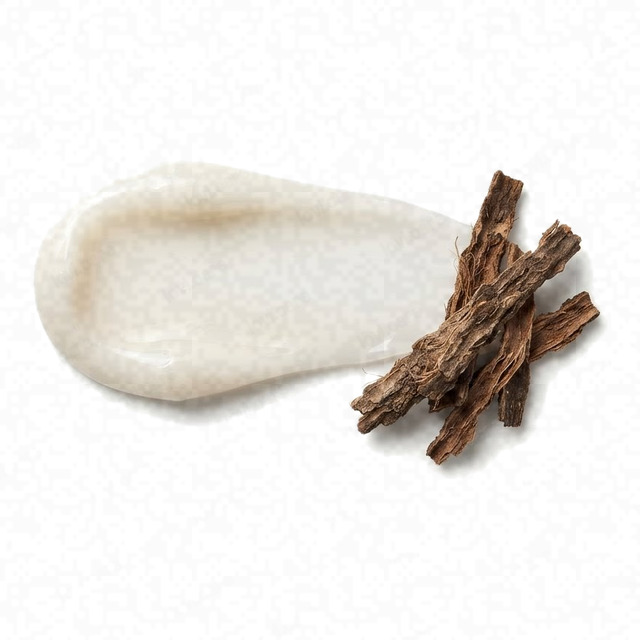 Soap Bark
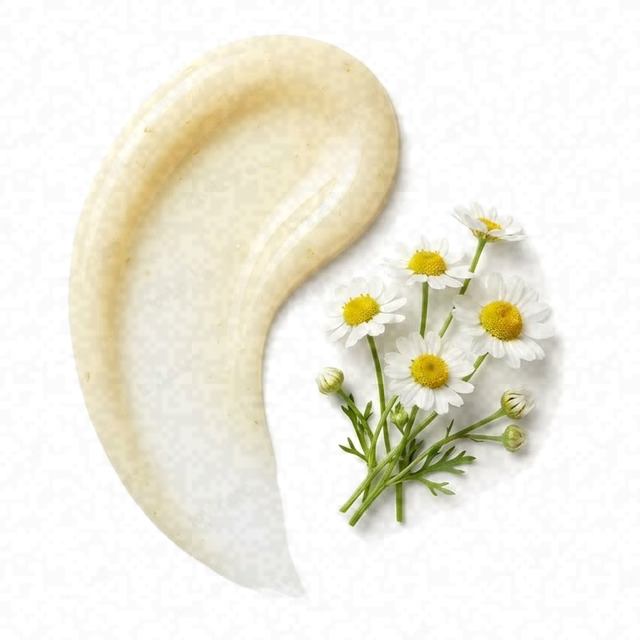 Chamomile
 Aloe Barbadensis
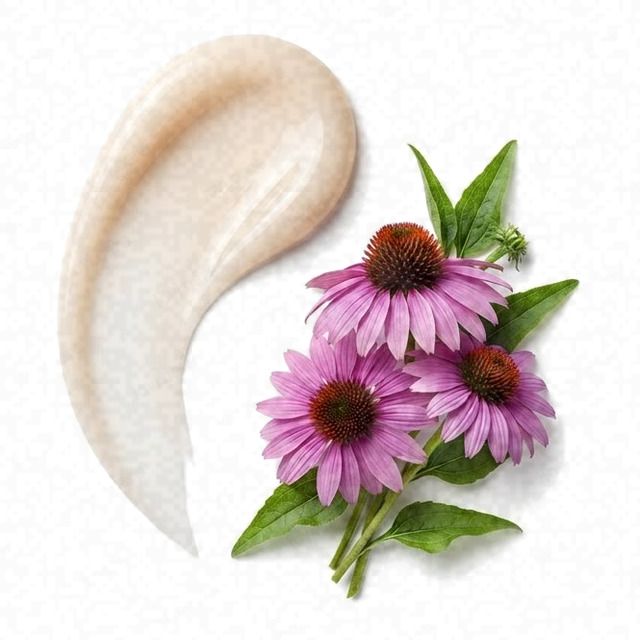 Echinacea
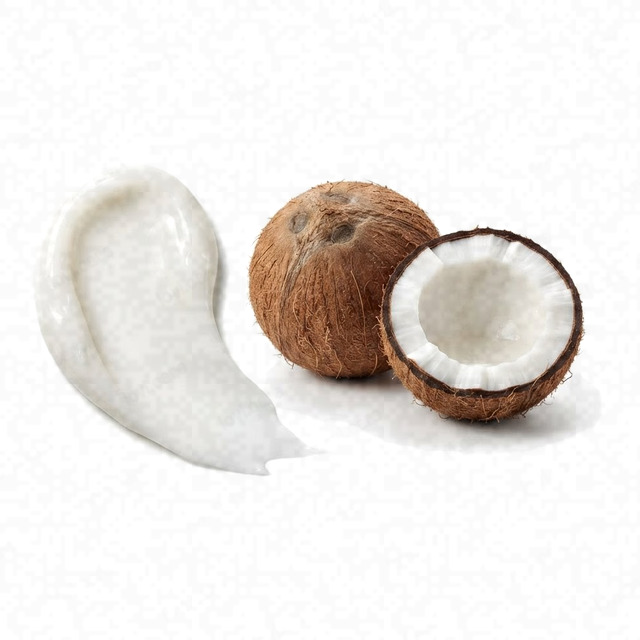 Coconut Oil
Average
- AverageNormal Skin Fit
- HighEffectiveness
- HighSafety
Works for sensitive skin; other cleansers fit it better.
This fit is calculated for the concerns frequently associated with sensitive skin: redness, stinging, and reactions to new products. For scores and recommendations based on your full skin profile, including your 12D face scan results and any goals or preferences you have, please use the Lovi app.
Page built Nov 8, 2026How the Fit score works
Lovi Assistant explains
- Suitable for normal skin with sensitivity as chamomile extract and aloe vera extract offer soothing and anti-inflammatory benefits, while glycerin provides humectant action. Sunflower seed oil and coconut oil offer some emollient properties, though a richer emollient blend would better suit normal skin needs.
- The cleansing agents, quillaja saponaria bark extract and coco-glucoside, effectively decongest the pores, aligning with your goal of addressing redness and irritation.
- The product is safe for your skin, containing no harsh ingredients and featuring soothing components like chamomile and aloe vera extracts.
How to apply
- Use your cleanser in the AM and PM routines every day. Start using it daily since your sensitive skin needs gentle care.
- Apply this first in your morning and evening skincare routine before toner and moisturizer. This clears away dirt without upsetting your skin.
- Gently massage a small amount onto your face using soft circles. Avoid any rough rubbing to keep redness away.
- Apply the cleanser on slightly damp skin to help it wash away impurities softly. Clean skin feels fresh and comfortable afterwards.
- Avoid getting the cleanser in your eyes and do a quick patch test before first use. Rinse thoroughly with lukewarm water.
Questions and answers
How well does Burt's Bees Soap Bark & Chamomile Deep Cleansing Cream work for sensitive skin?
Burt's Bees Soap Bark & Chamomile Deep Cleansing Cream works moderately well for sensitive skin, as it contains soothing chamomile and aloe vera to help calm redness, but it lacks a richer blend of softening ingredients. A cleanser for this skin needs gentle soothing components, mild cleansing agents, and a balanced mix of hydrating and barrier-repairing ingredients to keep skin soft and comfortable without stripping moisture.
Which ingredients make this cleanser a good fit for sensitive skin?
Chamomile extract and aloe vera extract make this cleanser a good fit because they help calm and soothe sensitive skin. This cleanser needs a richer blend of softening ingredients and barrier-repairing components like niacinamide and ceramides to fully meet the needs of sensitive skin.
What does Soap Bark do for sensitive skin?
Soap bark helps calm sensitive skin by reducing redness and irritation thanks to its natural anti-inflammatory properties. It is generally well-tolerated, though a patch test is always a good idea to check for any unexpected reaction.
What does Chamomile do for sensitive skin?
Chamomile helps calm sensitive and irritated skin by reducing inflammation and easing redness. It is unlikely to cause irritation for most people, though pure extracts may occasionally trigger allergic reactions in sensitive individuals.
Clinical, Cosmetic and Investigational Dermatology, 2024Toxicology and Applied Pharmacology, 2017
Where does this cleanser go in a skincare routine for sensitive skin?
This cleanser works in the morning and evening routine for sensitive skin, helping to wash away pore-clogging impurities safely while keeping the skin calm. Sensitive skin like this needs a richer blend of softening and nourishing ingredients to keep it feeling comfortable and fully protected.
Can I use this cleanser with salicylic acid, and in what order?
You can use this cleanser with salicylic acid, applying the cleanser first to clean your skin before using your salicylic acid treatment. Sensitive skin needs a cleanser with soothing ingredients like chamomile and aloe vera alongside a rich blend of softening oils to keep the skin calm and comfortable.
How often should I use this cleanser?
This cleanser works for your sensitive skin as part of your morning and evening routine. Sensitive skin of this type needs a richer blend of softening ingredients to better protect it.
Can this cleanser clog pores, cause breakouts or purging for sensitive skin?
This cleanser is unlikely to clog pores or cause breakouts for sensitive skin because its cleansing ingredients effectively decongest the pores. To better suit sensitive skin, this type of product also needs a richer blend of softening and smoothing ingredients to keep the skin comfortable.
Can I use this cleanser around the eyes or on my body?
You can use this cleanser on your body, but it is best to avoid the very thin skin directly around your eyes. Cleansers used near the eyes or on the body need gentle, non-irritating formulas packed with soothing botanical extracts and rich moisturizers to keep sensitive skin calm and soft.
Is this cleanser fragrance-free and alcohol-free?
It contains fragrance (limonene and citral) and drying alcohol (alcohol).
What the research says
Apigenin protects against UVA-induced cytotoxicity and senescence in normal human dermal fibroblasts, decreases MMP-1 expression, and when applied topically as a cream in human subjects, increases dermal density and elasticity while reducing fine wrinkle length, skin evenness, moisture content, and transepidermal water loss compared to control cream.
International Journal of Molecular Medicine, 2016Topical chamomile oil combined with a night splint significantly improved the symptomatic and functional status of patients with severe carpal tunnel syndrome compared to placebo, while electrodiagnostic parameters showed no significant changes.
Complementary Therapies in Clinical Practice, 2015German chamomile solution applied twice a day healed peristomal skin lesions significantly faster than once-a-day 1% hydrocortisone ointment in colostomy patients, with a mean healing time of 8.89 days versus 14.53 days.
Ostomy/wound Management, 2011A cream combining propolis, tea tree oil, and Aloe vera reduced erythema scars, acne severity index, and total lesion count better than erythromycin cream in sixty patients with mild to moderate acne vulgaris compared to placebo.
Clinical Pharmacology, 2018Topical aloe vera gel significantly accelerated split-thickness skin graft donor-site healing compared to placebo in 12 patients, but showed no significant difference in pain relief.
Plastic and Reconstructive Surgery, 2018Topical application of Aloe vera cream reduced postoperative pain at rest and during defecation, accelerated wound healing at two weeks, and decreased analgesic requirements in patients after open hemorrhoidectomy compared to placebo.
Journal of Alternative and Complementary Medicine, 2010Application of Echinacea purpurea cream and gel increased skin hydration up to 10.6 AU and 11.4 AU and decreased wrinkles by 9.47% and 14.92% without causing skin irritation in 10 healthy volunteers over 1 month.
International Journal of Cosmetic Science, 2010A new skincare formulation from Echinacea purpurea completely blocked the 40-60% reduction in skin nerve endings caused by UVA and UVB exposure in ex vivo human skin samples.
Cell Proliferation, 2012Topical application of Echinacea pallida root extract and its constituent echinacoside showed good anti-inflammatory and wound healing properties compared to E. purpurea and control in rats.
Journal of Ethnopharmacology, 2002Overnight virgin coconut oil application provides a skin protective effect against damage and increased TEWL from frequent alcohol-based hand sanitizer usage in 60 volunteers, resulting in a 25% increase in perceived moisture content compared to the control group.
Journal of Cosmetic Dermatology, 2021
Ingredients
Water, Helianthus Annuus Seed Oil Sunflower Seed Oil, Stearic Acid, Glycerin, Cetyl Alcohol, Cetearyl Alcohol, Coconut Oil, Coco-Glucoside, Silica, Quillaja Saponaria Bark Extract, Chamomilla Recutita Flower Extract Matricaria Flower Extract, Echinacea Purpurea Extract, Aloe Barbadensis Leaf Extract, Tocopherol Vitamin E, Theobroma Cacao Seed Butter, Lonicera Japonica Flower Extract Honeysuckle Flower Extract, Lonicera Caprifolium Flower Extract Honeysuckle Flower Extract, Rosmarinus Officinalis Leaf Extract Rosemary Leaf Extract, Witch Hazel Water, Menthol, Sucrose Stearate, Xanthan Gum, Glycine Soja Oil Soybean Oil, Canola Oil, Sodium Phytate, Alcohol, Phenoxyethanol, Limonene, Citral, Alpha-Isomethyl Ionone
Behind this fit score
Lovi calculates every fit score from the full ingredient list with brand-independent rules our dermatologists and cosmetic chemists build and review, and personalizes every pick with AI trained on the real results of millions of users. Lovi trains its fit score models on a proprietary dataset built from more than 10,000 expert-labeled products and more than 100,000 simulated examples, following an internally consistent methodology presented at Cosmoprof, AMWC, and Skin of Color Update.
-

Co-founder, Medical Director
Cosmetic chemist, cosmetologist, aesthetic products developer
-

Co-founder, CEO and CTO
PhD in computer science, 3x US patent holder, ex-Google, ex-Yandex
-

Dr. Sofía Perea Pérez, MD, MSc
Medical Board
Aesthetic medicine practitioner, MSc in Longevity and Anti-Aging Medicine
-

Medical Board
Specialist dermatologist, MBBS, MD, IFAAD
-

Medical Board
Cosmetic chemist, SCS, IFSCC member
-

Medical Board, Medical Advisor
Dermatology MD
-

Elina Nazarenko, MD
Medical Board
Dermatology and diagnostic consultant
-

Victoria Derkova, MS
Medical Board
Cosmetic chemist, cosmetic development technologist


How does it fit your skin?
Scan your face, then any product: Lovi shows how well it fits you and what fits even better.