VT Pro Cica Centella Asiatica Tiger Skin for sensitive skin

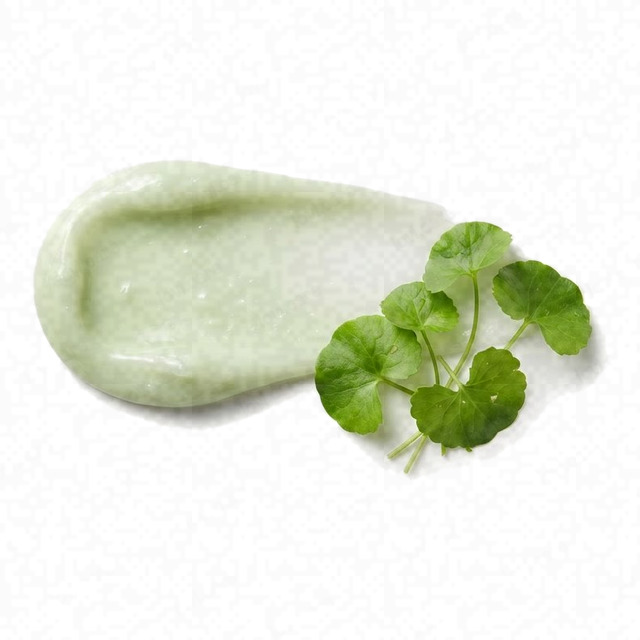 Centella Asiatica Extract
 Sodium Hyaluronate
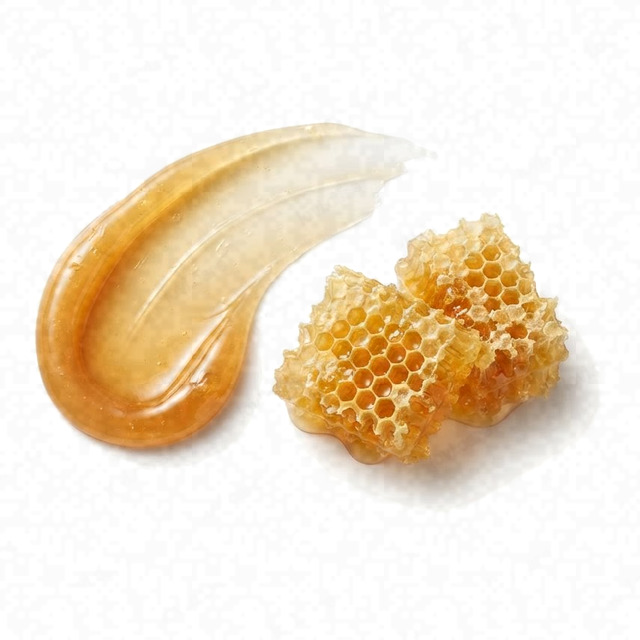 Propolis Extract
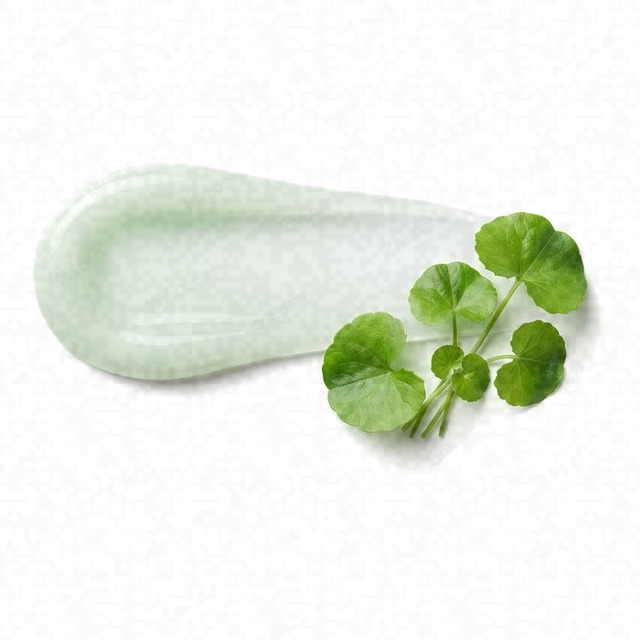 Cica Dna
High
- HighNormal Skin Fit
- HighEffectiveness
- ExcellentSafety
One of the best serums for sensitive skin.
- Journal of Alternative and Complementary Medicine, 2020
- Indian Journal of Pharmaceutical Sciences, 2016
This fit is calculated for the concerns frequently associated with sensitive skin: redness, stinging, and reactions to new products. For scores and recommendations based on your full skin profile, including your 12D face scan results and any goals or preferences you have, please use the Lovi app.
Page built Nov 8, 2026How the Fit score works
Lovi Assistant explains
- Highly suitable for your normal skin, this product effectively addresses redness and irritation with Centella Asiatica extracts like Asiaticoside and Madecassoside, which soothe inflammation and support skin barrier repair.
- The inclusion of ingredients such as Jojoba Seed Oil and Bitter Almond Kernel Oil provides nourishment, complementing the primary soothing benefits for your skin.
- The formulation is safe for your sensitive skin, as it contains no harsh ingredients and is enriched with calming components.
How to apply
- Use your serum in the PM routine, starting 3 times a week before building up to daily use if your skin is happy.
- Apply the serum after cleansing and toning, but before putting on your moisturizer for the best results.
- Gently press 2-3 drops of the serum into your skin and wait a minute ⏱ for it to soak in.
- Since your skin is sensitive and easily irritated, apply the serum on completely dry skin to help keep it calm.
- Always do a patch test before your first use and avoid getting the serum too close to your eyes .
People Say
★5.0Overall rating based on 100+ reviewsBased on limited data, users with sensitive and combination skin praise this toner for its ability to gently exfoliate without irritation, leaving the skin smoother and well-balanced. The lightweight, watery texture absorbs quickly to provide deep hydration while the Cica and PHA ingredients work together to calm redness and refine skin texture over time.
Highlights
Soothing and calming Mostly Mentioned
- “good for sensitive skin”
- “doesn't irritate at all”
- “calms redness”
Gentle exfoliation Often Mentioned
- “skin looked smoother”
- “gentle exfoliating”
- “removes dead skin cells gently”
Lightweight hydration Often Mentioned
- “lightweight texture”
- “absorbs quickly”
- “no sticky residue”
Skin balancing Sometimes Noted
- “balances my combination skin”
- “restores skin balance”
- “not greasy”
Availability issues Sometimes Noted
- “sold out often”
- “hard to find reviews”
- “niche product”
Herbal scent Sometimes Noted
- “strong herbal smell”
- “medicinal scent”
- “scent might be hit or miss”
Mild tingling Rarely Noted
- “slight tingling initially”
- “active feeling”
Sources: lovi.care, asianbeautywholesale.com, skinsort.com, whatsinmyjar.com, reddit.com, and more
Questions and answers
What makes VT Pro Cica Centella Asiatica Tiger Skin a great fit for sensitive skin?
This product is a great fit for sensitive skin because it helps calm redness and irritation using Centella Asiatica extracts that soothe inflammation and support barrier repair. It is safe for this skin type since it avoids harsh ingredients and adds nourishment with jojoba seed oil and bitter almond kernel oil.
Molecules, 2023Indian Journal of Pharmaceutical Sciences, 2016
Which ingredients make this treatment a good fit for sensitive skin?
This treatment is a great fit for sensitive skin because it uses Centella Asiatica Extract, Madecassoside, and Propolis Extract to help calm redness and soothe irritation. It also features Jojoba Seed Oil and Sodium Hyaluronate to nourish the skin and support your moisture barrier without causing discomfort.
Journal of Alternative and Complementary Medicine, 2020Indian Journal of Pharmaceutical Sciences, 2016
What does Centella Asiatica Extract do for sensitive skin?
Centella asiatica extract helps calm sensitive skin and keeps it comfortable by easing irritation and supporting moisture retention. Using this ingredient helps soothe redness and supports a healthy skin barrier with a very low likelihood of irritation.
Journal of Cosmetic Dermatology, 2025Indian Journal of Pharmaceutical Sciences, 2016
What does Madecassoside do for sensitive skin?
Madecassoside helps calm sensitive skin by reducing irritation and supporting skin barrier repair. It also has soothing properties that may decrease redness and discomfort.
Where does this treatment go in a skincare routine for sensitive skin?
This treatment goes in your evening routine, after cleansing and toning and before moisturizing, to keep it simple and safe for your sensitive skin. Lovi routines place treatments at night because it is easier and safer around sun exposure.
Can I use this treatment with retinol, and in what order?
Yes, you can use this treatment with retinol by applying it after your retinol product to help calm and soothe potential irritation. The formulation is safe for your sensitive skin because it contains no harsh ingredients and is enriched with calming components like Centella Asiatica extracts that reduce redness and support skin barrier repair.
Journal of Cosmetic Dermatology, 2024Indian Journal of Pharmaceutical Sciences, 2016
How often should I use this treatment?
Apply this treatment in the evening, starting once a week to see how your skin responds. You may gradually increase use if your skin tolerates it well without irritation.
Journal of Alternative and Complementary Medicine, 2020Indian Journal of Pharmaceutical Sciences, 2016
Can this treatment clog pores, cause breakouts or purging for sensitive skin?
This treatment is a great fit for sensitive skin and is unlikely to clog pores or cause breakouts because it contains no harsh ingredients and is packed with calming components. It helps soothe irritation and redness while keeping skin balanced.
Journal of Alternative and Complementary Medicine, 2020Indian Journal of Pharmaceutical Sciences, 2016
Is this treatment fragrance-free and alcohol-free?
Yes, it has no fragrance and no drying alcohol.
What the research says
Topical application of 0.05% w/w ECa 233 gel reduced erythema index by 0.03 U and improved early crusting and general wound appearance compared to placebo in thirty individuals undergoing facial laser resurfacing.
Journal of Alternative and Complementary Medicine, 2020Cosmetic formulations containing 5% Centella asiatica extract showed the best efficacy in improving skin moisture and decreasing transepidermal water loss, while also exhibiting antiinflammatory properties in 25 volunteers compared to baseline measurements.
Indian Journal of Pharmaceutical Sciences, 2016Co-delivery of paeonol and madecassoside via nanoemulsions improved transdermal delivery, promoted barrier repair proteins, inhibited inflammatory cytokine secretion in cellular and 3D models, and reduced transepidermal water loss and acne in human facial skin compared to free components.
Molecules, 2023Topical application of jojoba wax reduced LPS-induced secretion of IL-6, IL-8, and TNFα by approximately 30% and increased the synthesis of pro-collagen III and hyaluronic acid compared to untreated skin in an ex-vivo human skin organ culture model.
Frontiers in Pharmacology, 2024A single application of a moisturizing fluid containing hyaluronic acid 1%, glycerin 5%, and Centella asiatica stem cells extract significantly increased skin hydration by 29% and reduced transepidermal water loss at 24 hours compared to baseline and an untreated control site in twenty healthy women.
Clinical, Cosmetic and Investigational Dermatology, 2017Moisturizer containing 5% panthenol, madecassoside, and copper-zinc-manganese decreased adverse reactions and downtime after ablative fractional carbon dioxide laser resurfacing with comparable efficacy to 0.02% triamcinolone acetonide cream in 20 subjects.
Journal of Cosmetic Dermatology, 2019Topical treatment with 5% vitamin C and 0.1% madecassoside significantly improved clinical scores for wrinkles, suppleness, firmness, roughness, and skin hydration, along with functional and structural remodeling of the elastic fiber network in 20 female volunteers with photoaged skin after 6 months compared to baseline.
Experimental Dermatology, 2008Treatment with an asiaticoside-containing cream applied twice daily for 12 weeks significantly improved periorbital wrinkles in 65% of 27 female volunteers compared to a vehicle control cream.
International Journal of Cosmetic Science, 2008Topical application of 0.1% hyaluronic acid formulations of different molecular weights led to significant improvements in skin hydration and elasticity, with low-molecular-weight formulations also significantly reducing wrinkle depth in seventy-six female subjects compared to a vehicle control.
Journal of Drugs in Dermatology, 2011Topical application of hyaluronic acid in conjunction with free gingival graft significantly reduced donor site postoperative pain until day 7 compared to normal saline, with no significant differences in graft dimensions or patient satisfaction.
Clinical Oral Investigations, 2022Treatment with a hyaluronic acid-containing mouth rinse or topical gel led to significant lesion reduction, pain relief, and normalization of lesion color in adult patients with minor recurrent aphthous stomatitis, with the gel formulation showing an earlier healing onset at 3 days.
BMC Oral Health, 2019A cream combining propolis, tea tree oil, and Aloe vera reduced erythema scars, acne severity index, and total lesion count better than erythromycin cream in sixty patients with mild to moderate acne vulgaris compared to placebo.
Clinical Pharmacology, 2018Topical propolis application significantly reduced postoperative pain, hemorrhage, and accelerated wound healing in patients undergoing tonsillectomy compared to a control group.
Clinical and Experimental Otorhinolaryngology, 2018Topical treatment with ethanol propolis extract resulted in complete mycological and clinical cure in 56.25% of patients with onychomycosis, demonstrating non-toxicity and effective antifungal activity against Trichophyton spp. both in vitro and in patients.
Frontiers in Microbiology, 2018Topical application of Low-Peony PDRN enhanced barrier recovery and improved periorbital skin elasticity in human subjects.
International Journal of Molecular Sciences, 2025Topical treatment with a ROS-initiated protective reagent reduced UV-induced DNA damage and DNA repair signaling via TP53 in human skin explants compared to administration of a catalase antioxidant.
Free Radical Biology & Medicine, 2019A topical mixture of polydeoxyribonucleotide, vitamin C, and niacinamide delivered via a microneedling therapy system decreased skin pigmentation and increased skin elasticity by attenuating melanogenesis and the destruction of collagen and elastin fibers in a UV-B-radiated animal model.
Molecules, 2022
Ingredients
Water, Butylene Glycol, Propanediol, 1,2-Hexanediol, Glycerin, C12-14 Pareth-12, Carbomer, Ethylhexylglycerin, Coptis Japonica Root Extract, Disodium Edta, Sodium Hyaluronate, Theobroma Cacao Seed Extract, Hydrolyzed Hyaluronic Acid, Tromethamine, Glyceryl Glucoside, Dextrin, Celery Extract, Prunus Avium Fruit Extract, Pogostemon Cablin Oil, Jojoba Seed Oil, Bitter Almond Kernel Oil, Dna, Agrimonia Eupatoria Extract, Camellia Sinensis Leaf Extract, Hydrogenated Lecithin, Artemisia Vulgaris Oil, Beta-Sitosterol, Pyrus Malus Leaf Extract, Polyquaternium-51, Jasmine Flower Water, Vanilla Planifolia Fruit Extract, Magnolia Kobus Bark Extract, Lonicera Caprifolium Flower Extract Honeysuckle Flower Extract, Pelargonium Graveolens Extract, Uncaria Tomentosa Bark Extract, Corydalis Turtschaninovii Root Extract, Cupressus Sempervirens Leaf Extract, Nepeta Cataria Extract, Capryloyl Salicylic Acid, Lactobionic Acid, Asiaticoside, Madecassoside, Asiatic Acid, Ceramide Np, Madecassic Acid, Propolis Extract
Behind this fit score
Lovi calculates every fit score from the full ingredient list with brand-independent rules our dermatologists and cosmetic chemists build and review, and personalizes every pick with AI trained on the real results of millions of users. Lovi trains its fit score models on a proprietary dataset built from more than 10,000 expert-labeled products and more than 100,000 simulated examples, following an internally consistent methodology presented at Cosmoprof, AMWC, and Skin of Color Update.
-

Co-founder, Medical Director
Cosmetic chemist, cosmetologist, aesthetic products developer
-

Co-founder, CEO and CTO
PhD in computer science, 3x US patent holder, ex-Google, ex-Yandex
-

Dr. Sofía Perea Pérez, MD, MSc
Medical Board
Aesthetic medicine practitioner, MSc in Longevity and Anti-Aging Medicine
-

Medical Board
Specialist dermatologist, MBBS, MD, IFAAD
-

Medical Board
Cosmetic chemist, SCS, IFSCC member
-

Medical Board, Medical Advisor
Dermatology MD
-

Elina Nazarenko, MD
Medical Board
Dermatology and diagnostic consultant
-

Victoria Derkova, MS
Medical Board
Cosmetic chemist, cosmetic development technologist


How does it fit your skin?
Scan your face, then any product: Lovi shows how well it fits you and what fits even better.