Trader Joe's Enrich Moisturizing Face Lotion for skin with dark spots

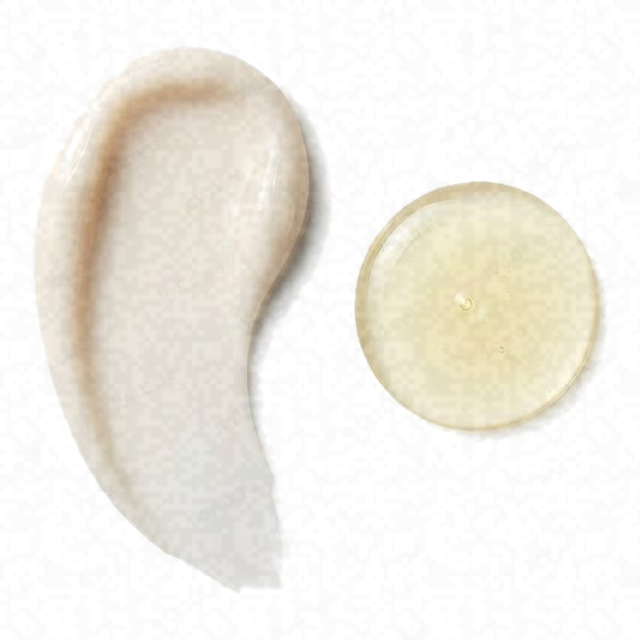 Octinoxate
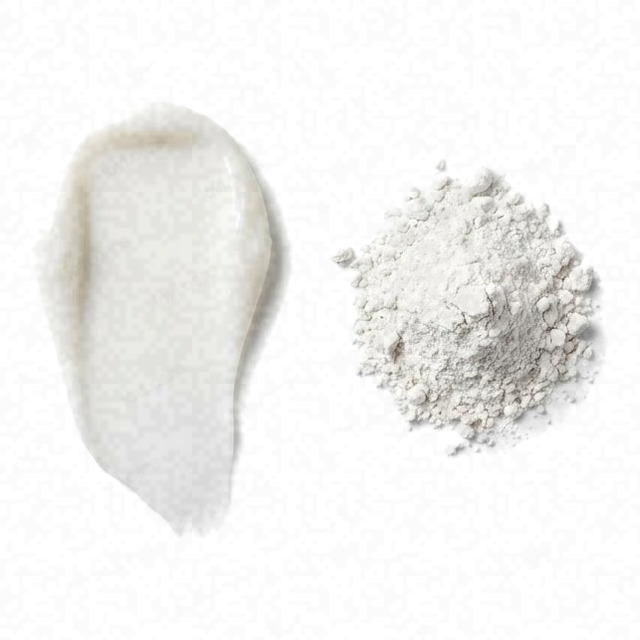 Zinc Oxide
 Glycerin
 Ascorbic Acid
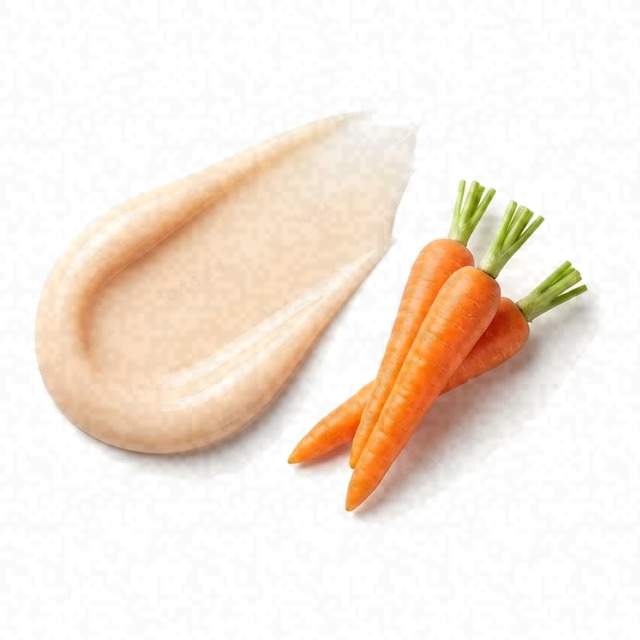 Retinyl Palmitate
Average
- HighNormal Skin Fit
- AverageEffectiveness
- HighSafety
Works for skin with dark spots; other sunscreens fit it better.
This fit is calculated for the concerns frequently associated with dark spots: hyperpigmentation, sun spots, and uneven skin tone. For scores and recommendations based on your full skin profile, including your 12D face scan results and any goals or preferences you have, please use the Lovi app.
Page built Nov 8, 2026How the Fit score works
Lovi Assistant explains
- Suitable for normal skin due to the presence of glycerin and allantoin, which provide humectant and soothing actions, respectively, this product offers moderate moisturizing and basic sun protection with zinc oxide.
- While it addresses general skincare needs, it lacks specialized ingredients to effectively target your pigmentation concerns.
- The formulation is safe for your normal skin, with no identified risks of irritation from harsh or prohibited ingredients.
How to apply
- Use this moisturizing sunscreen AM daily to protect your normal skin and fight dark spots.
- Apply this product as the final step of your morning routine after your moisturizer.
- Gently spread a coin-sized amount evenly over your face, avoiding rough rubbing.
- Apply this product on clean, dry skin for the best coverage and protection.
- Avoid the sensitive eye area and reapply every two hours when outdoors.
Questions and answers
How well does Trader Joe's Enrich Moisturizing Face Lotion work for skin with dark spots?
Trader Joe's Enrich Moisturizing Face Lotion works for skin with dark spots, though other products fit it better because it lacks specialized ingredients to effectively target your pigmentation concerns. A product of this type needs effective ingredients that provide strong sun protection and hydration while targeting dark spots to truly help this skin.
Which ingredients make this lotion a good fit for skin with dark spots?
This lotion contains ascorbic acid and retinyl palmitate to help address your dark spots. However, because it lacks specialized ingredients for deep pigmentation, a product of this type needs targeted brightening agents and advanced antioxidants to better fit this skin.
What does Octinoxate do for skin with dark spots?
Octinoxate helps protect skin with dark spots from UV rays that can make pigmentation worse. When combined in a brightening routine with exfoliating acids, it may also help improve the look of dark spots over time.
What does Zinc Oxide do for skin with dark spots?
Zinc oxide helps improve dark spots, melasma, and age spots when used regularly in skin preparations. Clinical studies show that preparations containing zinc oxide can successfully reduce unwanted skin darkening and even out skin tone while remaining very gentle and non-irritating.
Where does this lotion go in a skincare routine for skin with dark spots?
This moisturizer with spf goes in the morning routine after your hydrating toner and before heading out for the day. While it offers basic sun protection and keeps skin soft, skin with dark spots needs extra targeted brightening ingredients like vitamin C or specialized treatment serums.
Can I use this lotion with niacinamide, and in what order?
You can use this lotion with niacinamide by applying your niacinamide serum first and following with this moisturizer. This product is safe for your skin, but a product for dark spots needs targeted brightening ingredients like vitamin C or kojic acid to fade uneven tone.
How often should I use this lotion?
You can use this moisturizing spf daily in the morning as part of your routine. Daily application helps keep your skin soft and provides basic sun protection.
Can this lotion clog pores, cause breakouts or purging for skin with dark spots?
Trader Joe's Enrich Moisturizing Face Lotion is unlikely to clog pores or cause breakouts for your skin, as the formulation is safe and has no identified risks of irritation. However, because it is an average fit for skin with dark spots, this type of product needs specialized brightening ingredients like targeted vitamin C or exfoliating acids to truly fade dark spots.
Is this lotion fragrance-free and alcohol-free?
Yes, it has no fragrance and no drying alcohol. Cetyl alcohol and stearyl alcohol are fatty alcohols, which soften the skin.
What the research says
A single application of a moisturizing fluid containing hyaluronic acid 1%, glycerin 5%, and Centella asiatica stem cells extract significantly increased skin hydration by 29% and reduced transepidermal water loss at 24 hours compared to baseline and an untreated control site in twenty healthy women.
Clinical, Cosmetic and Investigational Dermatology, 2017The application of a sunscreen formulation containing ethylhexyl methoxycinnamate, ethylhexyl salicylate, methyl anthranilate, and octocrylene does not significantly affect critical acne-related species such as Cutibacterium acnes and Staphylococcus epidermidis, refuting the induction of facial dysbiosis in men.
Archives of Dermatological Research, 2024Liposomal encapsulation of octyl methoxycinnamate increases its safety, skin affinity, and in vivo solar photoprotection factor while slowing its release and enhancing retention in the stratum corneum compared to a conventional formulation.
International Journal of Nanomedicine, 2013Replacing 20% of the chemical UV filter octyl methoxycinnamate with urucum oil in solid lipid nanoparticles maintained the skin protection factor without inducing toxic responses or significant skin penetration in human volunteers.
Skin Pharmacology and Physiology, 2018Encapsulation of ethylhexyl methoxycinnamate and butyl methoxydibenzoylmethane in lipid microparticles significantly reduced their in vivo human skin penetration compared to nonencapsulated filters.
Skin Pharmacology and Physiology, 2011Multilamellar liposomes containing octyl methoxycinnamate increased stratum corneum accumulation and reduced deeper skin penetration compared to conventional emulsions and small unilamellar liposomes in six volunteers, resulting in a slightly better sun protection factor.
Journal of Cosmetic Science, 2008Topical 0.5% hyaluronic-ZnO nanogel applied twice daily reduced inflammatory-lesion counts by 58% at week four in human subjects compared to baseline without causing erythema.
Biomedicines, 2025Nels cream achieved a similar reduction in inflammatory and noninflammatory lesion counts compared to 5% benzoyl peroxide in acne vulgaris patients, but caused significantly fewer side-effects such as peeling and dryness.
Clinical and Experimental Dermatology, 2000Topically applied coated and uncoated zinc oxide nanoparticles under flexing and massage are retained in the stratum corneum with no significant penetration into the viable epidermis and no cellular toxicity in human skin.
Nanomedicine, 2016The emollient V0034CR significantly reduced TEWL compared to vehicle and vehicle plus glycerol, and significantly increased corneometry scores compared to vehicle and vehicle plus petrolatum in healthy volunteers with dry skin, demonstrating combined barrier function improvement from petrolatum and hydration improvement from glycerol.
Journal of Cosmetic Dermatology, 2020Ten days of treatment with a cream containing 20% glycerin significantly increased skin hydration measured by corneometer values in 17 healthy volunteers compared to a placebo cream, but showed no influence on transepidermal water loss or skin sensitivity to an irritating surfactant.
International Journal of Cosmetic Science, 2001Niacinamide/glycerin body moisturizers provided better rapid and prolonged improvement of cosmetic xerosis through functional improvement of stratum corneum barrier function compared to no treatment and conventional moisturizers in female subjects.
Journal of Drugs in Dermatology, 2012Topical application of 5% vitamin C cream significantly improved global clinical scores, increased skin microrelief density, and induced elastic tissue repair in photoaged skin compared to excipient control in healthy female volunteers.
Experimental Dermatology, 2003Ascorbic acid 2-glucoside gel significantly reduced gingival melanin pigmentation after 4 weeks compared to placebo in 73 subjects with symmetric pigmentation.
Journal of Periodontology, 2009Topical application of VC-IP cream twice daily for 8 weeks reduces periorbital wrinkles in female subjects compared to a placebo cream.
Journal of Cosmetic Dermatology, 2022Over-the-counter retinol products provided only weak evidence for a mild ameliorating effect on fine facial skin wrinkle lines in randomized, double-blind, vehicle-controlled trials, and major methodological flaws call the validity of positive results into question.
The Journal of Clinical and Aesthetic Dermatology, 2021A cosmetic niacinamide/peptide/retinyl propionate regimen significantly improved periorbital wrinkle appearance relative to a 0.02% tretinoin regimen at 8 weeks with comparable benefits at 24 weeks, while demonstrating significantly better tolerability in 196 women.
The British Journal of Dermatology, 2010A novel triple-active cosmetic formulation containing 4-hexylresorcinol, retinyl propionate, and niacinamide improved the visual appearance of photoageing similarly to 0.02% tretinoin and reversed a consensus gene signature associated with ageing in female adults while causing less skin irritation.
International Journal of Cosmetic Science, 2024
Why other sunscreens fit skin with dark spots better
A nighttime topical antioxidant containing resveratrol, baicalin, and vitamin E significantly improved fine lines, wrinkles, firmness, elasticity, laxity, hyperpigmentation, radiance, roughness, and dermal thickness in subjects with mild to moderately photodamaged skin over 12 weeks.
Journal of Drugs in Dermatology, 2014
Ingredients
Octinoxate, Zinc Oxide, Allantoin, Ascorbic Acid, Caprylyl Glycol, Cetyl Alcohol, Chlorphenesin, Cyclomethicone, Cyclopentasiloxane, C13-14 Isoparaffin, Dimethicone Vinyl Dimethicone Crosspolymer, Disodium Edta, Ethylhexylglycerin, Glycerin, Glyceryl Stearate, Hexylene Glycol, Isohexadecane, Laureth-7 Coconut, Peg-100 Stearate, Phenoxyethanol, Polyacrylamide, Retinyl Palmitate Vitamin A, Stearyl Alcohol, Tocopheryl Acetate, Triethoxycaprylylsilane, Water
Behind this fit score
Lovi calculates every fit score from the full ingredient list with brand-independent rules our dermatologists and cosmetic chemists build and review, and personalizes every pick with AI trained on the real results of millions of users. Lovi trains its fit score models on a proprietary dataset built from more than 10,000 expert-labeled products and more than 100,000 simulated examples, following an internally consistent methodology presented at Cosmoprof, AMWC, and Skin of Color Update.
-

Co-founder, Medical Director
Cosmetic chemist, cosmetologist, aesthetic products developer
-

Co-founder, CEO and CTO
PhD in computer science, 3x US patent holder, ex-Google, ex-Yandex
-

Dr. Sofía Perea Pérez, MD, MSc
Medical Board
Aesthetic medicine practitioner, MSc in Longevity and Anti-Aging Medicine
-

Medical Board
Specialist dermatologist, MBBS, MD, IFAAD
-

Medical Board
Cosmetic chemist, SCS, IFSCC member
-

Medical Board, Medical Advisor
Dermatology MD
-

Elina Nazarenko, MD
Medical Board
Dermatology and diagnostic consultant
-

Victoria Derkova, MS
Medical Board
Cosmetic chemist, cosmetic development technologist


How does it fit your skin?
Scan your face, then any product: Lovi shows how well it fits you and what fits even better.