
Tata Harper Purifying Cleanser

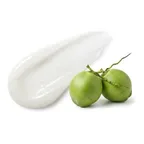 Caprylic Capric Triglyceride
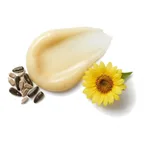 Helianthus Annuus Seed Oil Sunflower Seed Oil
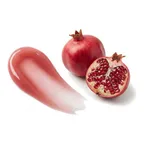 Lactobacillus Punica Granatum Extract Fruit Ferment
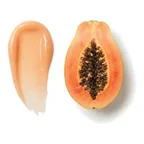 Papain
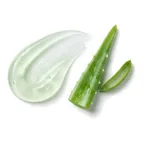 Aloe Barbadensis Leaf Extract
Average fit for oily skin, dry skin, combination skin, sensitive skin, acne-prone skin, skin with dark spots, mature skin, and oily acne-prone skin; low for dry sensitive skin.
Each fit is calculated for the concerns frequently associated with that skin type. For scores and recommendations based on your full skin profile, including your 12D face scan results and goals, use the Lovi app.
Updated How the Fit score works
Where it fits best and least
Best fit Average
Oily Skin, Dry Skin, Combination Skin, Sensitive Skin, Acne-Prone Skin, Skin with Dark Spots, Mature Skin, Oily Acne-Prone Skin
Works for oily skin; other cleansers fit it better.
- Highly suitable for your oily skin due to papain and willow bark extract, which offer keratolytic action and seboregulation to manage oiliness.
Lowest fit Low
A weak match for dry sensitive skin.
- Offers moderate cleansing for your dry and sensitive skin, as kaolin and montmorillonite help decongest pores, while aloe barbadensis leaf extract provides soothing benefits. Papain and willow bark extract, however, have a keratolytic action that may strip essential lipids and exacerbate dryness.
How to apply
- Use your cleanser AM and PM every day to keep your skin fresh. Always make sure to follow with a good SPF in the morning.
- Apply your cleanser as the first step in the morning or the second step in the evening before your toner.
- Gently massage a small amount onto your face using circular motions, then rinse well with water .
- You can apply this cleanser safely on damp skin for a refreshing and easy wash.
- Avoid getting the product directly into your eyes and stop use if irritation occurs.
People Say
★4.8Overall rating based on 1.8k+ reviewsBased on a very large amount of data, users with oily, combination, and congested skin frequently praise this gel-to-oil cleanser for its ability to deeply detoxify pores without stripping moisture. Many describe it as a luxurious "spa in a bottle" that effectively combats acne and pollution. A minority of users find the strong herbal scent polarizing and the high price point difficult to justify.
Highlights
Effective deep cleanse Mostly Mentioned
- “pores feel cleaner”
- “removes all makeup”
- “great morning cleanse”
- “detoxifies congested skin”
Luxurious spa experience Often Mentioned
- “smells like a spa”
- “relaxing herbal scent”
- “feels very luxurious”
- “treat for the skin”
Non-stripping formula Often Mentioned
- “skin feels soft”
- “doesn't dry out”
- “leaves skin hydrated”
- “gentle on barrier”
High price point Often Mentioned
- “way too expensive”
- “not worth the money”
- “pricey for a cleanser”
- “cheaper alternatives exist”
Cooling texture Sometimes Noted
- “cooling sensation”
- “lovely gel-to-oil”
- “refreshing tingle”
- “silky consistency”
Polarizing scent Sometimes Noted
- “smells like moldy forest”
- “strong clove smell”
- “scent is overpowering”
- “medicinal odor”
Residue/rinsing issues Rarely Noted
- “leaves oily film”
- “hard to rinse”
- “requires a washcloth”
- “feels heavy”
Skin irritation Rarely Noted
- “caused breakouts”
- “irritated my eyes”
- “essential oils burned”
- “redness after use”
Sources: lovi.care, spacenk.com, cultbeauty.co.uk, sephora.com, tataharperskincare.com, organicbeautylover.com, and more
Questions and answers
How well does the Tata Harper Purifying Cleanser work for oily skin?
This cleanser works well for oily skin, helping wash away excess oil and impurities without causing irritation. Oily skin works best with cleansers that clear out pores and balance shine without feeling greasy.
Journal of Cosmetic Dermatology, 2019Journal of Cosmetic Dermatology, 2024
How well does Tata Harper Purifying Cleanser work for dry skin?
This cleanser works moderately well for dry skin, but it may strip essential oils and worsen flakiness due to papain and willow bark extract. A cleanser for dry skin needs gentle ingredients that clean without stripping moisture while delivering rich hydration.
The Journal of Investigative Dermatology, 2015International Journal of Biological Macromolecules, 2023
Which ingredients make this cleanser a good fit for acne-prone skin?
Glycerin, aloe barbadensis leaf extract, papain, and willow bark extract help calm irritation, hydrate, decongest pores, and regulate oil. To better fit acne-prone skin, a cleanser of this type needs targeted ingredients like salicylic acid to effectively combat acne and breakouts without irritation.
Journal of Cosmetic Dermatology, 2019Clinical, Cosmetic and Investigational Dermatology, 2017
Why is Tata Harper Purifying Cleanser a weak match for dry sensitive skin?
This cleanser is a weak match because its exfoliating ingredients may strip essential lipids and worsen dryness on delicate skin. While it helps clear pores and soothe, this type of skin needs gentle, hydrating ingredients and rich moisturizing oils to maintain comfort and prevent moisture loss.
Journal of Cosmetic Dermatology, 2019The Journal of Investigative Dermatology, 2015
How often should I use this cleanser?
You can use this cleanser twice a day as part of your morning and evening routine. It helps clear away excess oil and impurities safely without causing irritation.
Is this cleanser fragrance-free and alcohol-free?
How well does Tata Harper Purifying Cleanser work for combination skin?
Tata Harper Purifying Cleanser works reasonably well for combination skin by providing gentle cleansing and mild oil control through ingredients like willow bark extract and grapefruit oil. However, because it does not fully balance oily and dry areas, a cleanser for this skin type needs ingredients that effectively clear shine while maintaining deep hydration and supporting the moisture barrier.
Journal of Cosmetic Dermatology, 2019Journal of Cosmetic Dermatology, 2024
How well does Tata Harper Purifying Cleanser work for sensitive skin?
Tata Harper Purifying Cleanser works reasonably well for sensitive skin, offering moderate cleansing and soothing benefits that help calm redness and irritation. Because it is an average fit, a cleanser for this skin needs extra soothing agents and zero potential irritants to keep skin completely calm and comfortable.
How well does Tata Harper Purifying Cleanser work for skin with dark spots?
This cleanser works moderately well for your skin, though it lacks specialized ingredients to fade dark spots. To better address dark spots, a cleanser of this type needs brightening agents and soothing ingredients that help even out skin tone while keeping your skin calm.
How well does Tata Harper Purifying Cleanser work for mature skin?
This cleanser is an average fit for mature skin because it cleans gently and exfoliates mildly with papain, but it lacks ingredients that specifically target wrinkles and fine lines. Cleansers that work best for mature skin need to be very safe and combine gentle cleansing with hydrating and soothing ingredients that directly address wrinkles and fine lines.
International Journal of Biological Macromolecules, 2023Journal of Ethnopharmacology, 2022
How well does Tata Harper Purifying Cleanser work for oily acne-prone skin?
Tata Harper Purifying Cleanser works moderately well for oily acne-prone skin, using clays to absorb excess oil and willow bark extract for mild exfoliation. However, it lacks specialized ingredients to directly target breakouts. Oily acne-prone skin needs a product that is exceptionally safe, effectively addresses breakouts with powerful acne-fighting ingredients like salicylic acid, performs cleansing extremely well, and contains components optimal for controlling oil production.
Journal of Cosmetic Dermatology, 2025Journal of Cosmetic Dermatology, 2019
What the research says
Incorporating 1, 2, and 5 percent papain into starch- and carboxymethyl cellulose-based films preserved proteolytic and skin exfoliation activity while improving mechanical properties and water solubility compared to control films, with immobilized enzyme maintaining stability for up to 90 days.
International Journal of Biological Macromolecules, 2023Topical application of an emollient emulsion containing 15.0% caprylic/capric triglyceride doubled the amount of urocanic acid isomers and increased skin hydration with reduced transepidermal water loss in healthy subjects, though it did not prevent ultraviolet-induced urocanic acid isomerization.
Life, 2023Daily consumption of fermented pomegranate extract drinks and serums improved skin moisture, brightness, elasticity, and collagen density while reducing spots in healthy subjects compared to baseline.
Journal of Cosmetic Dermatology, 2022Phenolic-rich pomegranate peel extract formulated into a serum and mask showed significantly better facial skin lightening efficacy than placebo in 30 volunteers over 28 days.
Planta Medica, 2020Topical application of a 2% cream containing combined fruit extracts for 56 days significantly reduced wrinkle depth by 11.5%, length by 10.07%, and area by 29.55% in 21 female subjects compared to a placebo.
Clinical, Cosmetic and Investigational Dermatology, 2015Topical papain treatment may slightly decrease pain within 30 minutes in humans stung by Chrysaora chinensis compared to placebo.
Wilderness & Environmental Medicine, 2016A fixed combination of hydroxypinacolone retinoate, retinol glycospheres, and papain glycospheres in aqueous gel applied once daily for 12 weeks achieved a 41% mean reduction in GAGS score and a 40.8% mean reduction in total lesions, with 15.3% of patients experiencing mild to moderate local side effects, in 94 evaluable patients with comedonal-papular, mild to moderate acne of the face.
Giornale Italiano Di Dermatologia E Venereologia, 2015A cream combining propolis, tea tree oil, and Aloe vera reduced erythema scars, acne severity index, and total lesion count better than erythromycin cream in sixty patients with mild to moderate acne vulgaris compared to placebo.
Clinical Pharmacology, 2018Formulations containing 0.10%, 0.25%, and 0.50% freeze-dried Aloe vera extract increased stratum corneum water content compared with the vehicle in 20 female subjects, while transepidermal water loss was not modified.
Skin Research and Technology, 2006Kombucha-mediated fermentation of aloe vera gel for 10 and 20 days enhanced its phenolic and flavonoid content, antioxidant capacity, cytoprotective effects, enzyme inhibition against collagenase, elastase, and hyaluronidase, and moisturizing properties compared to unfermented gel.
Molecules, 2025A botanical face cleanser with hops and willow bark extract continuously reduced skin sebum levels without reactive seborrhea after treatment in 21 healthy volunteers compared to a sodium laureth sulfate cleanser, with neither cleanser causing skin irritation.
Journal of Cosmetic Dermatology, 2019Exposure to a Kiperin Bromelain & Papain complex at 2.5 µg/mL increased cell viability, altered wound closure, decreased inflammation-related gene expression, and increased skin barrier/keratinization gene expression in CCD-18Co colon fibroblasts, HME-1 mammary epithelial cells, and HaCaT keratinocytes.
Scientific Reports, 2026A novel emulsion containing niacinamide, lens esculenta seed extract, and white willow bark extract effectively improved acne, blackheads, and conspicuous facial pores in 30 subjects with oily skin.
Journal of Cosmetic Dermatology, 2024A mixture of Aloe gel and Aloe vera flower synergistically induced the proliferation, migration, and extracellular matrix formation of normal human dermal fibroblast cells and induced HaCaT cell migration while suppressing inflammatory cytokines by enhancing the expression of MFAP4 and associated signaling pathways.
Journal of Ethnopharmacology, 2022Aloe vera gel phenolic and polysaccharide extracts demonstrated distinct wound-healing properties in vitro, with the phenolic extract exhibiting anti-inflammatory, antioxidant, and fibroblast-stimulating effects, and the polysaccharide extract showing enhanced collagen synthesis and antibacterial activity against Staphylococcus aureus.
Journal of Functional Biomaterials, 2024A bentonite-based facial mask with Alcea sulphurea extract combined with oral azithromycin significantly reduced total lesion count and acne severity index while enhancing patient satisfaction in patients with moderate acne compared to placebo plus azithromycin over 8 weeks.
Journal of Cosmetic Dermatology, 2025Topical application of papain induces skin barrier disruption, inflammation, and a TH2-biased antibody response in C57BL/6 mice, acting as a strong epicutaneous allergen independently of TLR4 and its enzymatic activity.
The Journal of Investigative Dermatology, 2015A single application of a moisturizing fluid containing hyaluronic acid 1%, glycerin 5%, and Centella asiatica stem cells extract significantly increased skin hydration by 29% and reduced transepidermal water loss at 24 hours compared to baseline and an untreated control site in twenty healthy women.
Clinical, Cosmetic and Investigational Dermatology, 2017Encapsulating curcumin and turmerone in solid lipid nanoparticles resulted in controlled release, enhanced stability, and a significant reduction in skin irritation compared to nonencapsulated compounds evaluated using a reconstructed human epidermal model.
International Journal of Nanomedicine, 2024Quaternized carboxymethyl chitosan/organic montmorillonite nanocomposite demonstrated superior moisture-adsorption and retention compared to hyaluronic acid, good UV-protection ability, negligible dermal irritation, and prominent moisture-retention efficacy on human stratum corneum when formulated into a cosmetic cream.
Carbohydrate Polymers, 2017
Ingredients
Caprylic Capric Triglyceride, Helianthus Annuus Seed Oil Sunflower Seed Oil, Glycerin, Water, Propanediol, Sucrose Laurate, Grapefruit Oil, Sucrose Stearate, Papain, Lactobacillus Punica Granatum Extract Fruit Ferment, Willow Bark Extract, Zingiber Officinale Oil Root, Brassica Oleracea Italica Extract, Aloe Barbadensis Leaf Extract, Montmorillonite, Kaolin, Bioflavonoids, Curcuma Longa Oil Root, Magnesium Aluminum Silicate, Fennel Oil, Abies Pectinata Oil, Cymbopogon Flexuosus Oil Lemongrass Oil, Clove Oil Flower, Rosmarinus Officinalis Leaf Extract Rosemary Leaf Extract, Decyl Glucoside, Sucrose Palmitate, Mica, Limonene, Citral, Eugenol, Linalool, Geraniol
Behind these fit scores
Lovi calculates every fit score from the full ingredient list with brand-independent rules our dermatologists and cosmetic chemists build and review, and personalizes every pick with AI trained on the real results of millions of users. Lovi trains its fit score models on a proprietary dataset built from more than 10,000 expert-labeled products and more than 100,000 simulated examples, following an internally consistent methodology presented at Cosmoprof, AMWC, and Skin of Color Update.
-

Co-founder, Medical Director
Cosmetic chemist, cosmetologist, aesthetic products developer
-

Co-founder, CEO and CTO
PhD in computer science, 3x US patent holder, ex-Google, ex-Yandex
-

Dr. Sofía Perea Pérez, MD, MSc
Medical Board
Aesthetic medicine practitioner, MSc in Longevity and Anti-Aging Medicine
-

Medical Board
Specialist dermatologist, MBBS, MD, IFAAD
-

Medical Board
Cosmetic chemist, SCS, IFSCC member
-

Medical Board, Medical Advisor
Dermatology MD
-

Elina Nazarenko, MD
Medical Board
Dermatology and diagnostic consultant
-

Victoria Derkova, MS
Medical Board
Cosmetic chemist, cosmetic development technologist


How does it fit your skin?
Scan your face, then any product: Lovi shows how well it fits you and what fits even better.