Supergoop! PLAY Everyday Lotion SPF 50 for acne-prone skin

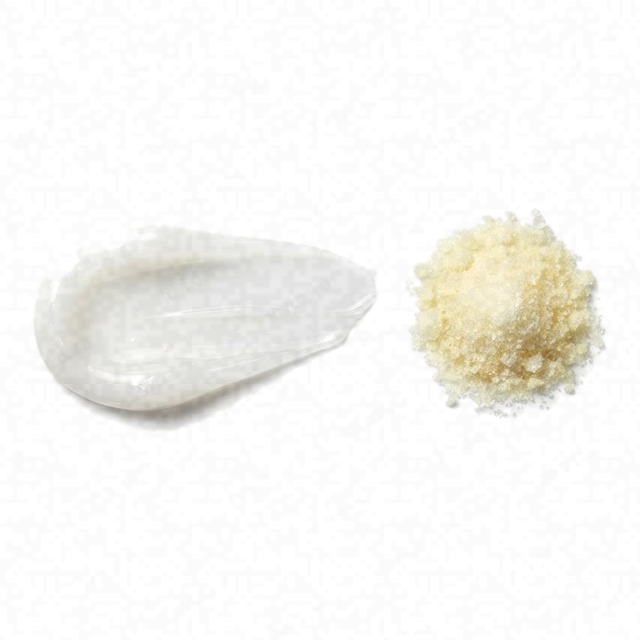 Avobenzone
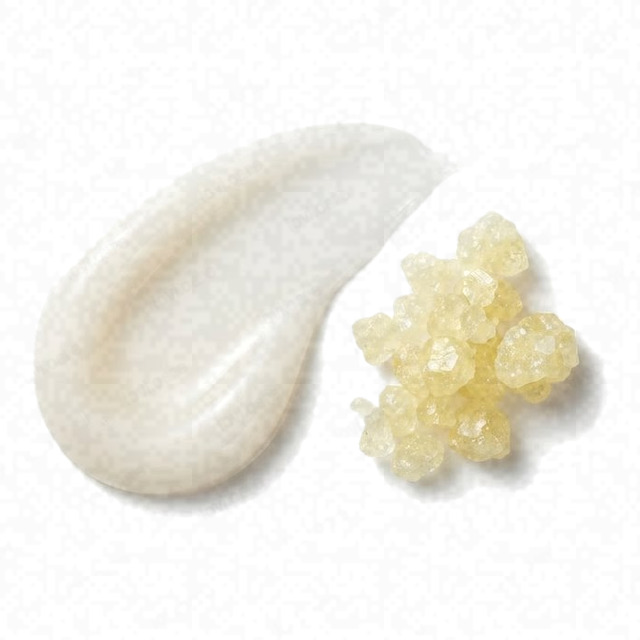 Homosalate
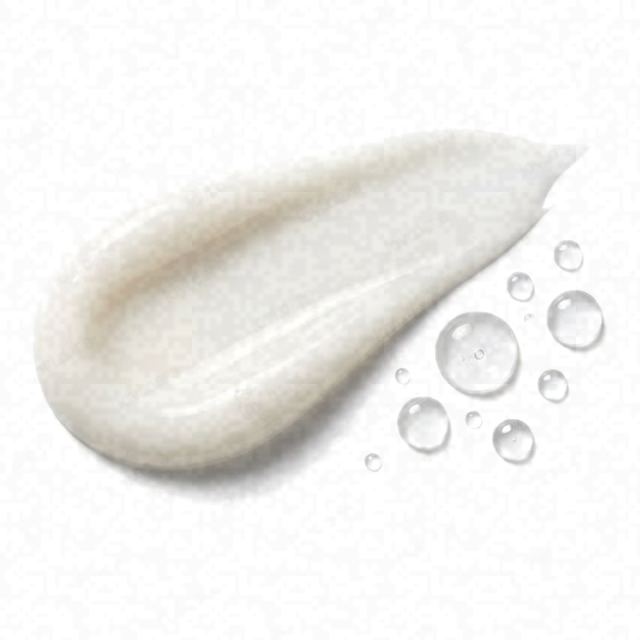 Octisalate
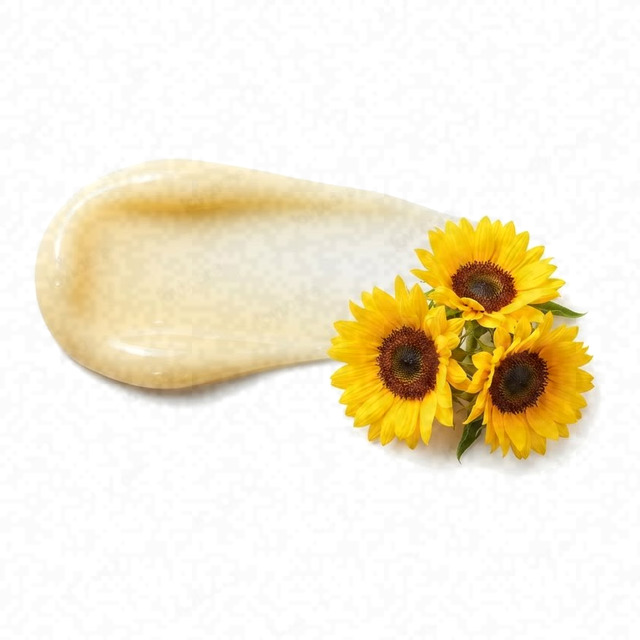 Sunflower Extract
 Rosemary Leaf Extract
High
- HighCombination Skin Fit
- AverageEffectiveness
- HighSafety
A great choice for acne-prone skin; a few sunscreens fit it even better.
- Clinical, Cosmetic and Investigational Dermatology, 2017
- The Journal of Dermatological Treatment, 2017
This fit is calculated for the concerns frequently associated with acne-prone skin: breakouts, blackheads, and post-acne marks. For scores and recommendations based on your full skin profile, including your 12D face scan results and any goals or preferences you have, please use the Lovi app.
Page built Nov 8, 2026How the Fit score works
Lovi Assistant explains
- This sunscreen offers high compatibility with your combination skin, providing excellent sun protection with its blend of UV filters and hydration from glycerin, while allantoin and dexpanthenol offer soothing benefits.
- The formula is well-suited for your skin type due to the presence of tocopherol for antioxidant activity, and it generally supports your concerns with acne and blemishes by offering hydration and calming effects.
- The safety profile is excellent, with no risks of irritation for your combination skin due to the absence of harsh ingredients and the inclusion of soothing components.
How to apply
- Apply this moisturizing sunscreen AM every morning as the final step of your daily routine.
- Layer the moisturizing sunscreen after your moisturizer has fully absorbed, right before heading out into the sun .
- Smooth a nickel-sized amount of the moisturizing sunscreen evenly over your face, avoiding harsh rubbing.
- Apply the moisturizing sunscreen onto clean, dry skin to ensure even coverage and protection.
- Perform a patch test before first use and avoid direct contact with the eyes.
People Say
★4.6Overall rating based on 5.0k+ reviewsBased on a very large amount of data, this chemical sunscreen is frequently praised as a hydrating and versatile option for face and body, leaving no white cast, which is excellent for dry to normal skin types and deeper skin tones. Users with oily or acne-prone skin often find the finish too greasy or shiny, and some with sensitive eyes or skin report irritation from the chemical filters and essential oil fragrance.
Highlights
No white cast Mostly Mentioned
- “blends in clear”
- “great for dark skin”
- “zero white cast”
Hydrating formula Often Mentioned
- “feels like lotion”
- “good for dry skin”
- “leaves skin soft”
Lightweight texture Often Mentioned
- “absorbs quickly”
- “not heavy”
- “goes on smooth”
Greasy/shiny finish Often Mentioned
- “oily on face”
- “looks like sweat”
- “too shiny for summer”
Pleasant scent Sometimes Noted
- “smells like citrus”
- “no sunscreen smell”
- “light clean scent”
Versatile value Sometimes Noted
- “huge bottle lasts”
- “great family sunscreen”
- “economical size”
Stings eyes Sometimes Noted
- “burns my eyes”
- “tearing up”
- “stings during workouts”
Strong fragrance Sometimes Noted
- “scent is too strong”
- “smells like basil”
- “irritating fragrance”
Skin irritation Rarely Noted
- “caused redness”
- “broke me out”
- “tingling sensation”
Sticky residue Rarely Noted
- “feels sticky initially”
- “hair sticks to face”
- “remains tacky”
Sources: lovi.care, dermstore.com, ulta.com, sephora.my, supergoop.com, reddit.com, and more
Questions and answers
What makes Supergoop! PLAY Everyday Lotion SPF 50 a great fit for acne-prone skin?
Supergoop! PLAY Everyday Lotion SPF 50 is a great fit for acne-prone skin because it provides high sun protection alongside hydration from glycerin, while soothing ingredients like allantoin and dexpanthenol help calm the skin. Tocopherol also offers antioxidant activity to support blemish-prone skin, and the formula has a very safe profile with little risk of irritation.
Journal of Drugs in Dermatology, 2025Clinical, Cosmetic and Investigational Dermatology, 2017
Which ingredients make this sunscreen a good fit for acne-prone skin?
This sunscreen is a great fit for your acne-prone skin because it includes glycerin for hydration and allantoin and dexpanthenol to help calm and soothe. These ingredients keep your skin comfortable while providing sun protection without irritation.
Clinical, Cosmetic and Investigational Dermatology, 2017The Journal of Dermatological Treatment, 2017
What does Avobenzone do for acne-prone skin?
Avobenzone protects acne-prone skin from UV rays that can worsen dark spots and inflammation, though it does not directly treat breakouts. To properly care for acne-prone skin, sunscreens should also feel light, clog-free, and non-greasy.
What does Homosalate do for acne-prone skin?
Homosalate helps protect acne-prone skin from sun damage by absorbing UV rays without clogging pores. Because chemical sunscreens of this type are unlikely to cause irritation, they are generally gentle on sensitive or breakout-prone skin.
Where does this sunscreen go in a skincare routine for acne-prone skin?
This sunscreen is applied in the morning as the final step after your moisturizer. It is unlikely to cause irritation on acne-prone skin because it contains soothing components and lacks harsh ingredients.
Journal of Drugs in Dermatology, 2025The Journal of Dermatological Treatment, 2017
Can I use this sunscreen with retinol, and in what order?
You can use this sunscreen in the morning as the last step before makeup, applied after your retinol has been used the night before. Using a gentle moisturizer beforehand helps keep your skin calm and hydrated while you use retinol.
How often should I use this sunscreen?
You can use this sunscreen every morning as the final step in your daytime routine. It provides reliable sun protection while keeping your skin calm and hydrated without irritation.
Journal of Drugs in Dermatology, 2025Clinical, Cosmetic and Investigational Dermatology, 2017
Can this sunscreen clog pores, cause breakouts or purging for acne-prone skin?
This sunscreen is a great fit for acne-prone skin because it provides lightweight hydration and calming effects without using harsh ingredients that might cause irritation. It is unlikely to clog pores or cause breakouts, helping keep your skin calm and clear.
Journal of Drugs in Dermatology, 2025The Journal of Dermatological Treatment, 2017
Is this sunscreen fragrance-free and alcohol-free?
Yes, it has no fragrance and no drying alcohol. Cetyl alcohol is a fatty alcohol, which soften the skin.
What the research says
A single application of a moisturizing fluid containing hyaluronic acid 1%, glycerin 5%, and Centella asiatica stem cells extract significantly increased skin hydration by 29% and reduced transepidermal water loss at 24 hours compared to baseline and an untreated control site in twenty healthy women.
Clinical, Cosmetic and Investigational Dermatology, 2017A new topical panthenol-containing emollient significantly improved transepidermal water loss reduction, stratum corneum hydration, and intercellular lipid lamellae length compared with control in healthy subjects without negatively impacting bacterial viability.
The Journal of Dermatological Treatment, 2017A topical gel containing chitosan, chlorhexidine, allantoin, and dexpanthenol significantly reduced postoperative pain, trismus, swelling, and analgesic consumption, while improving wound healing after third molar surgery compared to a placebo.
Medicina Oral, Patologia Oral Y Cirugia Bucal, 2020Chemical sunscreens containing avobenzone, octocrylene, homosalate, and octisalate showed no to minimal risks of dermal irritation, sensitization, photo-allergy, and photo-irritation in human subjects.
Journal of Drugs in Dermatology, 2025Encapsulation of ethylhexyl methoxycinnamate and butyl methoxydibenzoylmethane in lipid microparticles significantly reduced their in vivo human skin penetration compared to nonencapsulated filters.
Skin Pharmacology and Physiology, 2011Microencapsulation of the BMDBM/HP-beta-CD complex in lipid microparticles significantly decreased the percutaneous penetration of the UV filter into the stratum corneum of human volunteers compared to the non-encapsulated sunscreen agent.
Journal of Pharmaceutical and Biomedical Analysis, 2011Following human skin application of an O/W emulsion containing 2% BMDBM loaded in lipospheres, 15% of the sunscreen accumulated in the uppermost layers of the stratum corneum without remarkably modifying skin permeation compared to unencapsulated sunscreen.
Skin Pharmacology and Physiology, 2008Dermal application of a sunscreen containing 10% homosalate in four volunteers resulted in delayed elimination with terminal half-times around 24 h and a bioavailability of cis-homosalate a factor of 2 lower than trans-homosalate, while metabolite ratios supported using oral-route urinary excretion fractions for dermal exposure assessments.
Archives of Toxicology, 2024Homosalate exhibited the highest permeation among tested filters with a relative permeability rate of 4.2% and a depth of 60 um, and specific thickeners and emulsifiers successfully reduced its permeation without inhibiting the skin permeation of niacinamide.
Photodermatology, Photoimmunology & Photomedicine, 2026An online-SPE-LC-MS/MS method successfully quantified specific urinary homosalate metabolites for up to 96 hours after dermal sunscreen application in a volunteer and detected metabolites exclusively in three German pilot participants who had used sunscreen within five days.
Analytica Chimica Acta, 2021Simulated real-life dermal sunscreen exposure in twenty human volunteers leads to the systemic bioavailability and urinary excretion of the UV filter 2-ethylhexyl salicylate and its metabolite, reaching concentration peaks at 7 to 8 hours with 70-80% of overall excretion within 24 hours.
Archives of Toxicology, 2019The application of a sunscreen formulation containing ethylhexyl methoxycinnamate, ethylhexyl salicylate, methyl anthranilate, and octocrylene does not significantly affect critical acne-related species such as Cutibacterium acnes and Staphylococcus epidermidis, refuting the induction of facial dysbiosis in men.
Archives of Dermatological Research, 2024Controlled single dermal exposure to an EHS-containing sunscreen in three volunteers resulted in delayed systemic resorption with elimination half-lives between 6.6 and 9.7 hours, where the parent compound EHS occurred as the dominant urinary parameter.
Archives of Toxicology, 2024Topical application of rosemary essential oil-loaded lipid nanoparticles in gel vehicles significantly increased skin hydration compared to gels containing free oil, and increased elasticity to a lesser extent, in ten healthy volunteers.
Pharmaceutics, 2017Topical application of a cream containing the NHE1 activator rosmarinic acid decreased skin surface pH and transepidermal water loss while increasing skin hydration in 50-60-year-old adult females compared to vehicle cream and no treatment.
International Journal of Molecular Sciences, 2022An alcoholic extract of rosemary leaves, Rosm1, demonstrates strong antioxidant activity and inhibits oxidative alterations to skin surface lipids when evaluated in vitro and in vivo.
International Journal of Tissue Reactions, 2000
Ingredients
Water, Homosalate, Octisalate, Avobenzone, Octocrylene, Acrylates Copolymer, Diisopropyl Sebacate, Glycerin, Isodecyl Neopentanoate, Isododecane, Lauryl Lactate, Cetyl Alcohol, Potassium Cetyl Phosphate, Brassica Campestris Aleurites Fordi Oil Copolymer, Rice Bran Extract, Cetearyl Olivate, Ammonium Acryloyldimethyltaurate Vp Copolymer, Hydroxyacetophenone, Sorbitan Olivate, Diethylhexyl Syringylidenemalonate, Rosewood Oil Wood, Chlorphenesin, Citrus Aurantium Dulcis Peel Oil, Lemon Peel Oil, Ethylhexylglycerin, Eucalyptus Globulus Oil Leaf, Ocimum Basilicum Leaf Extract Flower, Pelargonium Graveolens Oil Flower, Pogostemon Cablin Oil, Pentylene Glycol, 1,2-Hexanediol, Caprylyl Glycol, Xanthan Gum, Helianthus Annuus Extract Sunflower Extract, Behenic Acid, Cetyl Behenate, Isostearyl Isostearate, Trisodium Ethylenediamine Disuccinate, Tocopherol, Allantoin, Rosmarinus Officinalis Leaf Extract Rosemary Leaf Extract, Caprylic Capric Triglyceride, Dexpanthenol, Pentasodium Triphosphate, Citric Acid
Behind this fit score
Lovi calculates every fit score from the full ingredient list with brand-independent rules our dermatologists and cosmetic chemists build and review, and personalizes every pick with AI trained on the real results of millions of users. Lovi trains its fit score models on a proprietary dataset built from more than 10,000 expert-labeled products and more than 100,000 simulated examples, following an internally consistent methodology presented at Cosmoprof, AMWC, and Skin of Color Update.
-

Co-founder, Medical Director
Cosmetic chemist, cosmetologist, aesthetic products developer
-

Co-founder, CEO and CTO
PhD in computer science, 3x US patent holder, ex-Google, ex-Yandex
-

Dr. Sofía Perea Pérez, MD, MSc
Medical Board
Aesthetic medicine practitioner, MSc in Longevity and Anti-Aging Medicine
-

Medical Board
Specialist dermatologist, MBBS, MD, IFAAD
-

Medical Board
Cosmetic chemist, SCS, IFSCC member
-

Medical Board, Medical Advisor
Dermatology MD
-

Elina Nazarenko, MD
Medical Board
Dermatology and diagnostic consultant
-

Victoria Derkova, MS
Medical Board
Cosmetic chemist, cosmetic development technologist


How does it fit your skin?
Scan your face, then any product: Lovi shows how well it fits you and what fits even better.