SKIN AQUA Tone Up UV Essence for oily skin

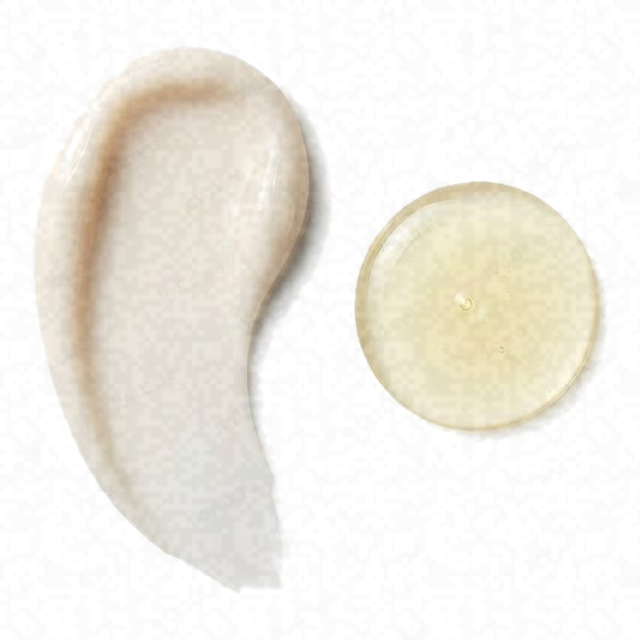 Ethylhexyl Methoxycinnamate
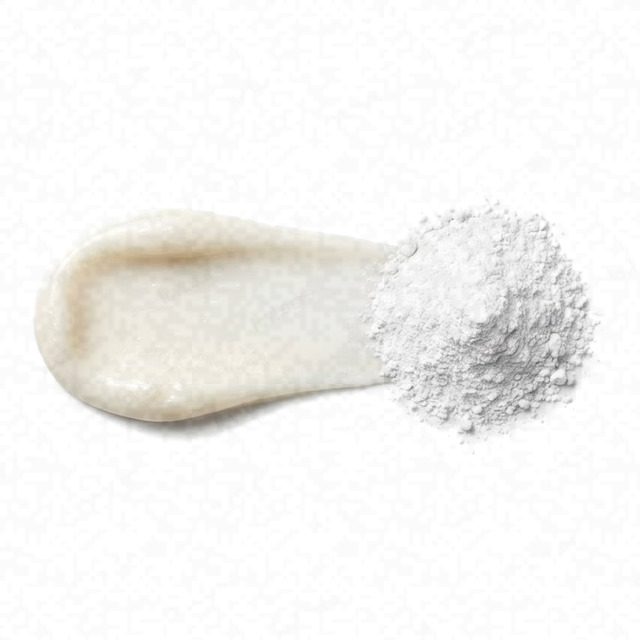 Titanium Dioxide
 Magnesium Ascorbyl Phosphate
 Sodium Hyaluronate
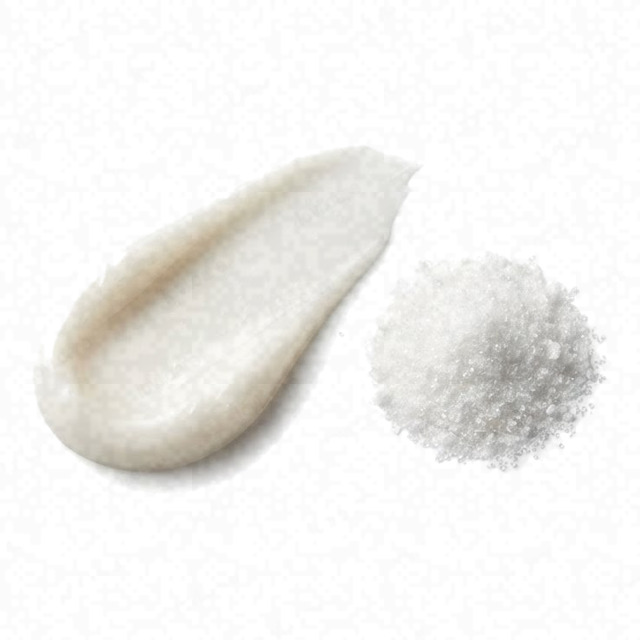 Diethylamino Hydroxybenzoyl Hexyl Benzoate
High
- HighOily Skin Fit
- HighEffectiveness
- HighSafety
One of the best products for oily skin.
This fit is calculated for the concerns frequently associated with oily skin: shine, enlarged pores, blackheads, and blemishes. For scores and recommendations based on your full skin profile, including your 12D face scan results and any goals or preferences you have, please use the Lovi app.
Page built Nov 8, 2026How the Fit score works
Lovi Assistant explains
- Highly suitable for your oily skin, this product utilizes alcohol and magnesium ascorbyl phosphate to help control oil and provide antioxidant benefits, addressing your concern for oily shine.
- The inclusion of ethylhexyl methoxycinnamate and bis-ethylhexyloxyphenol methoxyphenyl triazine ensures excellent sun protection, further supporting your skin's health.
- The safety profile is excellent, with no risks of irritation for your oily skin due to the absence of prohibited or harsh ingredients.
People Say
★4.4Overall rating based on 2.5k+ reviewsBased on a very large amount of data, this sunscreen is highly regarded for its brightening tone-up effect and lightweight, non-sticky feel, making it a good primer for oily and combination skin. However, users with dry skin report dehydration due to alcohol content, and those with medium to deep skin tones often experience a noticeable white or gray cast.
Highlights
Brightens complexion Mostly Mentioned
- “instantly made my skin look brighter”
- “gives a transparent glow”
- “corrects dullness perfectly”
- “skin looks healthier”
Lightweight texture Often Mentioned
- “glides on smoothly”
- “absorbs quickly”
- “feels like nothing on”
- “non-sticky finish”
Leaves white cast Often Mentioned
- “leaves a ghostly white cast”
- “not for darker skin tones”
- “looks gray on my skin”
- “white patches if not blended well”
Good makeup base Sometimes Noted
- “acts like a hydrating primer”
- “foundation sits well on top”
- “no caking under makeup”
- “grips makeup nicely”
Matte finish Sometimes Noted
- “leaves a soft matte finish”
- “controls oil well”
- “not greasy at all”
- “skin looks fresh not shiny”
Drying alcohol content Sometimes Noted
- “dried out my cheeks”
- “strong alcohol smell”
- “clings to dry patches”
- “crusty around the nose”
Eye stinging Rarely Noted
- “burns my eyes”
- “stings when sweating”
- “makes eyes water”
- “irritating near eye area”
Pilling issues Rarely Noted
- “balls up under makeup”
- “pills if you rub too much”
- “clumps with certain moisturizers”
- “flakes off”
Sources: lovi.care, amazon.com, yesstyle.com, skinsort.com, reddit.com, femaledaily.com, and more
Questions and answers
What makes Skin Aqua Tone Up UV Essence a great fit for oily skin?
Skin Aqua Tone Up UV Essence is a great fit for oily skin because it uses alcohol and magnesium ascorbyl phosphate to help control oil and shine. It also provides strong sun protection and has an extremely safe formula that is unlikely to cause irritation.
Which ingredients make this cream a good fit for oily skin?
This cream is a great fit for oily skin because it uses alcohol and magnesium ascorbyl phosphate to help control oil and keep shine down. It also features ethylhexyl methoxycinnamate and bis-ethylhexyloxyphenol methoxyphenyl triazine to provide reliable sun protection without causing irritation.
International Journal of Nanomedicine, 2013Archives of Dermatological Research, 2024
What does Octinoxate do for oily skin?
Octinoxate protects oily skin from UV damage while being unlikely to disturb natural skin bacteria or trigger breakouts. It provides reliable sun protection without feeling heavy on shine-prone skin.
Archives of Dermatological Research, 2024International Journal of Nanomedicine, 2013
What does Titanium Dioxide do for oily skin?
Titanium dioxide acts as a physical UV filter that sits on the outermost surface of the skin without clogging pores or making oily skin feel greasy. When used in sunscreens, this ingredient helps protect your face from sun damage while having a very safe profile on healthy skin.
Skin Pharmacology and Applied Skin Physiology, 2001Journal of the European Academy of Dermatology and Venereology, 2019
Where does this cream go in a skincare routine for oily skin?
This cream goes on in the morning as the last step after your moisturizer. It provides strong sun protection and helps control oil throughout the day without causing irritation.
International Journal of Nanomedicine, 2013Archives of Dermatological Research, 2024
Can I use this cream with retinol, and in what order?
Yes, you can use this sunscreen in the morning after your retinol routine if you use retinol at night, or after your daytime moisturizer. This product is a great fit for your oily skin and has an excellent safety profile without harsh ingredients.
How often should I use this cream?
This tinted sunscreen is a great fit for your oily skin and is meant to be used every morning as the final step in your daytime routine. It helps control oil shine while providing strong sun protection without irritating your skin.
Journal of Drugs in Dermatology, 2023International Journal of Nanomedicine, 2013
Can this cream clog pores, cause breakouts or purging for oily skin?
This tinted sunscreen is unlikely to clog pores or cause breakouts for oily skin. It has a very safe formula with no harsh ingredients, and the sunscreen filters it uses do not negatively affect the natural balance of skin bacteria.
Is this cream fragrance-free and alcohol-free?
It has no fragrance and contains drying alcohol (alcohol).
What the research says
Cosmetic formulations containing a liposomal dispersion of magnesium ascorbyl phosphate, alpha-lipoic acid, and kinetin provided photoprotection against UV damage in hairless mouse skin and enhanced stratum corneum and deeper layer skin moisture in human volunteers after four weeks of daily applications.
Photochemistry and Photobiology, 2012Liposomal encapsulation of octyl methoxycinnamate increases its safety, skin affinity, and in vivo solar photoprotection factor while slowing its release and enhancing retention in the stratum corneum compared to a conventional formulation.
International Journal of Nanomedicine, 2013The application of a sunscreen formulation containing ethylhexyl methoxycinnamate, ethylhexyl salicylate, methyl anthranilate, and octocrylene does not significantly affect critical acne-related species such as Cutibacterium acnes and Staphylococcus epidermidis, refuting the induction of facial dysbiosis in men.
Archives of Dermatological Research, 2024Replacing 20% of the chemical UV filter octyl methoxycinnamate with urucum oil in solid lipid nanoparticles maintained the skin protection factor without inducing toxic responses or significant skin penetration in human volunteers.
Skin Pharmacology and Physiology, 2018Encapsulation of ethylhexyl methoxycinnamate and butyl methoxydibenzoylmethane in lipid microparticles significantly reduced their in vivo human skin penetration compared to nonencapsulated filters.
Skin Pharmacology and Physiology, 2011Multilamellar liposomes containing octyl methoxycinnamate increased stratum corneum accumulation and reduced deeper skin penetration compared to conventional emulsions and small unilamellar liposomes in six volunteers, resulting in a slightly better sun protection factor.
Journal of Cosmetic Science, 2008Microfine titanium dioxide does not penetrate human skin when formulated in an oil-in-water emulsion with the pigment dispersed in the aqueous phase, compared to oily dispersions and liposomal encapsulation which allow deeper skin penetration.
International Journal of Cosmetic Science, 2000Replacing microsized titanium dioxide and zinc oxide with nanoparticles in sunscreens eliminates opaqueness and alters UV protection balance while inducing (photo)cyto- and genotoxicity and penetrating viable skin layers during long-term exposures.
Nanotechnology, Science and Applications, 2011Microfine zinc oxide and titanium dioxide do not penetrate the stratum corneum of porcine skin in vitro, indicating that their use in sunscreens does not pose a health risk from internal exposure.
Toxicology in Vitro, 2006Topical application of 5% vitamin C cream significantly improved global clinical scores, increased skin microrelief density, and induced elastic tissue repair in photoaged skin compared to excipient control in healthy female volunteers.
Experimental Dermatology, 2003Ascorbic acid 2-glucoside gel significantly reduced gingival melanin pigmentation after 4 weeks compared to placebo in 73 subjects with symmetric pigmentation.
Journal of Periodontology, 2009Topical application of VC-IP cream twice daily for 8 weeks reduces periorbital wrinkles in female subjects compared to a placebo cream.
Journal of Cosmetic Dermatology, 2022Topical application of 0.1% hyaluronic acid formulations of different molecular weights led to significant improvements in skin hydration and elasticity, with low-molecular-weight formulations also significantly reducing wrinkle depth in seventy-six female subjects compared to a vehicle control.
Journal of Drugs in Dermatology, 2011Topical application of hyaluronic acid in conjunction with free gingival graft significantly reduced donor site postoperative pain until day 7 compared to normal saline, with no significant differences in graft dimensions or patient satisfaction.
Clinical Oral Investigations, 2022Treatment with a hyaluronic acid-containing mouth rinse or topical gel led to significant lesion reduction, pain relief, and normalization of lesion color in adult patients with minor recurrent aphthous stomatitis, with the gel formulation showing an earlier healing onset at 3 days.
BMC Oral Health, 2019Oral and dermal administration of Uvinul A plus resulted in three major urinary metabolites accounting for 52% of the oral dose, with a very low estimated daily systemic exposure of 8.1-9.3 μg/d in volunteers not intentionally exposed.
International Journal of Hygiene and Environmental Health, 2020
Ingredients
Water, Alcohol, Ethylhexyl Methoxycinnamate, Butylene Glycol, Diphenylsiloxy Phenyl Trimethicone, Titanium Dioxide, Diethylamino Hydroxybenzoyl Hexyl Benzoate, Sodium Hyaluronate, Magnesium Ascorbyl Phosphate, Passiflora Edulis Fruit Extract, Hydrolyzed Prunus Domestica, Rosa Roxburghii Fruit Extract, Bis-Peg-18 Methyl Ether Dimethyl Silane, Methyl Methacrylate Crosspolymer, Glycol Dimethacrylate Crosspolymer, Bis-Ethylhexyloxyphenol Methoxyphenyl Triazine, Acrylates Copolymer, Polysorbate 60, Acrylates C10-30 Alkyl Acrylate Crosspolymer, Triethanolamine, Ammonium Acryloyldimethyltaurate Vp Copolymer, Silica, Peg-12 Dimethicone, Polystyrene, Polyvinyl Alcohol, Disodium Edta, Xanthan Gum, Alumina, Bht, Polyglyceryl-2 Triisostearate, Synthetic Fluorphlogopite, Tin Oxide, Ci 73360, Ci 42090
Behind this fit score
Lovi calculates every fit score from the full ingredient list with brand-independent rules our dermatologists and cosmetic chemists build and review, and personalizes every pick with AI trained on the real results of millions of users. Lovi trains its fit score models on a proprietary dataset built from more than 10,000 expert-labeled products and more than 100,000 simulated examples, following an internally consistent methodology presented at Cosmoprof, AMWC, and Skin of Color Update.
-

Co-founder, Medical Director
Cosmetic chemist, cosmetologist, aesthetic products developer
-

Co-founder, CEO and CTO
PhD in computer science, 3x US patent holder, ex-Google, ex-Yandex
-

Dr. Sofía Perea Pérez, MD, MSc
Medical Board
Aesthetic medicine practitioner, MSc in Longevity and Anti-Aging Medicine
-

Medical Board
Specialist dermatologist, MBBS, MD, IFAAD
-

Medical Board
Cosmetic chemist, SCS, IFSCC member
-

Medical Board, Medical Advisor
Dermatology MD
-

Elina Nazarenko, MD
Medical Board
Dermatology and diagnostic consultant
-

Victoria Derkova, MS
Medical Board
Cosmetic chemist, cosmetic development technologist


How does it fit your skin?
Scan your face, then any product: Lovi shows how well it fits you and what fits even better.