
Prosacea Rosacea Treatment Gel

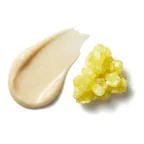 Sulphur
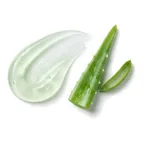 Aloe Barbadensis Leaf Juice
 Diazolidinyl Urea
 Methylparaben
 Propylene Glycol
Sulphur, aloe, and propylene glycol combat redness, soothe irritation, and provide light moisture, so it suits sensitive skin best. For skin that needs soothing, serums with panthenol and madecassoside get higher fit scores.
Each fit is calculated for the concerns frequently associated with that skin type. For scores and recommendations based on your full skin profile, including your 12D face scan results and goals, use the Lovi app.
Updated How the Fit score works
Where it fits best and least
Best fit High
A great choice for sensitive skin; a few serums fit it even better.
- Highly suitable for your normal skin and sensitive skin, this gel utilizes sulphur to combat redness and blemishes, while Aloe Barbadensis Leaf Juice soothes irritation.
Lowest fit Low
A weak match for dry skin.
- Offers moderate treatment for rosacea due to sulphur helping reduce redness and inflammation, but it may worsen dryness for your dry skin due to the absence of humectant or emollient ingredients.
Other skin types
How to apply
- Apply this serum PM, starting 3×/week and working up to daily use as your skin adjusts.
- Place the serum after cleansing and toner, but right before your moisturizer.
- Gently press 2-3 drops of the serum into your skin and let it absorb for a minute.
- Apply the serum on slightly damp skin to help lock in extra moisture.
- Avoid the eye area and do a patch test before your first use.
Questions and answers
What makes Prosacea Treatment Gel a great fit for sensitive skin?
This gel is a great fit for sensitive skin because it uses sulphur to calm redness and blemishes while aloe vera soothes irritation. The formula avoids harsh ingredients to keep your skin feeling comfortable and safe.
Which ingredients make this treatment a good fit for oily skin?
Sulphur and aloe barbadensis leaf juice make this treatment a fit by helping manage excess oil, unclog pores, and keep your skin calm. Oily skin also benefits from products with niacinamide and zinc PCA to control shine and soothe without irritation.
Clinical Pharmacology, 2018Journal of Drugs in Dermatology, 2004
How well does Prosacea Treatment Gel work for acne-prone skin?
This gel works moderately well for acne-prone skin by offering basic soothing and antimicrobial actions that help reduce redness and breakouts. However, it lacks more targeted ingredients to fully address specific acne concerns. For better results, acne-prone skin needs products with effective ingredients like niacinamide, zinc PCA, and propolis that provide excellent skincare benefits for blemishes while maintaining a balanced, healthy complexion.
Clinical Pharmacology, 2018Tissue Engineering and Regenerative Medicine, 2021
Why is Prosacea Treatment Gel a weak match for dry skin?
This gel is a weak match for your dry skin because it lacks hydrating or softening ingredients and may worsen dryness, even though sulphur helps reduce redness and aloe vera provides some soothing benefits. A treatment for dry skin needs highly effective, soothing ingredients that provide significant hydration and support skin health, such as propolis, niacinamide, ceramides, or peptides.
Journal of Drugs in Dermatology, 2004Tissue Engineering and Regenerative Medicine, 2021
Which ingredients make this treatment a poor fit for dry sensitive skin?
Sulphur makes this treatment a poor fit for your dry sensitive skin because it can be drying, and the formula also lacks the hydrating ingredients and skin barrier support that this skin type needs.
How often should I use this treatment?
Use this treatment in the evening as part of your routine. This gel uses sulphur to target redness and blemishes while aloe leaf juice helps calm irritation.
Is this treatment fragrance-free and alcohol-free?
Yes, it has no fragrance and no drying alcohol.
Which ingredients make this treatment a good fit for combination skin?
Sulphur and aloe vera make this treatment a good fit for combination skin by reducing redness and soothing oily shine. Because it lacks targeted oil-managing ingredients, a treatment for this skin needs ingredients like niacinamide, zinc PCA, and propolis to balance oiliness and provide optimal hydration without irritation.
How well does Prosacea Treatment Gel work for mature skin?
This gel offers moderate treatment for redness and inflammation, but it does not directly address wrinkles and fine lines. A treatment for mature skin needs potent antioxidants, nourishing oils, peptides, and rich hydrating ingredients that smooth and support the skin barrier.
Which ingredients make this treatment a good fit for skin with dark spots?
Sulphur and aloe barbadensis leaf juice make this treatment a moderate fit for your skin by helping to reduce redness, inflammation, and irritation. However, because it lacks targeted ingredients for dark spots, a product of this type needs powerful antioxidants, hydrating components, niacinamide, and propolis to properly address pigmentation concerns while keeping normal skin healthy and smooth.
Which ingredients make this treatment a good fit for oily acne-prone skin?
Sulphur and aloe barbadensis leaf juice make this treatment a fit by helping reduce redness, inflammation, and oiliness while soothing your skin. However, since it does not target breakouts effectively, a product of this type for oily acne-prone skin needs stronger acne-fighting ingredients like niacinamide, propolis, benzoyl peroxide, or vitamin C along with balancing hydrators.
What the research says
A cream combining propolis, tea tree oil, and Aloe vera reduced erythema scars, acne severity index, and total lesion count better than erythromycin cream in sixty patients with mild to moderate acne vulgaris compared to placebo.
Clinical Pharmacology, 2018Topical application of 5% permethrin, crotamiton, and 10% sulfur ointment achieved equal efficacy in 54 patients with scabies at 4-week follow up, but permethrin demonstrated faster improvement at the first and second-week follow ups.
Journal of Arthropod-borne Diseases, 2017Topical application of precipitated sulphur 2-8% petrolatum achieved a 95% clinical and ectoparasitological cure rate in 40 ambulatory scabies patients without relevant adverse effects.
Revista de Investigacion Clinica; Organo Del Hospital de Enfermedades de la Nutricion, 2004Topical 10% benzoyl peroxide and 2%-5% sulfur cream achieved "good" to "excellent" results with no undesirable side effects in 113 consecutive patients with acne.
Canadian Medical Association Journal, 1966Formulations containing 0.10%, 0.25%, and 0.50% freeze-dried Aloe vera extract increased stratum corneum water content compared with the vehicle in 20 female subjects, while transepidermal water loss was not modified.
Skin Research and Technology, 2006Kombucha-mediated fermentation of aloe vera gel for 10 and 20 days enhanced its phenolic and flavonoid content, antioxidant capacity, cytoprotective effects, enzyme inhibition against collagenase, elastase, and hyaluronidase, and moisturizing properties compared to unfermented gel.
Molecules, 2025Conjugation of oleic and linoleic acids with propylene glycol effectively enhances lidocaine skin penetration while significantly reducing skin irritation compared to free fatty acids.
Drug Development and Industrial Pharmacy, 2007A moisturizer containing glycerol and propylene glycol reduced transepidermal water loss, decreased epidermal thickness, increased stratum corneum thickness, and reduced dermal inflammatory infiltrate compared to untreated disrupted skin in six healthy beagle dogs.
Veterinary Dermatology, 2020Ovothiol and 5-thiohistidine exerted protective and anti-inflammatory effects in human keratinocytes and skin tissues by promoting Nrf2 nuclear accumulation and downregulating inflammatory cytokines, showing stronger action compared to dexamethasone.
Free Radical Biology & Medicine, 2022Small extracellular vesicles derived from Aloe vera peels exhibited antioxidant activity, reduced intracellular ROS levels, enhanced human skin cell migration, and upregulated antioxidant-related gene expression in H2O2-treated human keratinocytes.
Tissue Engineering and Regenerative Medicine, 2021Topical sulfur alone or in combination demonstrates efficacy and rare mild adverse events in treating various dermatological disorders.
Journal of Drugs in Dermatology, 2004Aloe vera gel phenolic and polysaccharide extracts demonstrated distinct wound-healing properties in vitro, with the phenolic extract exhibiting anti-inflammatory, antioxidant, and fibroblast-stimulating effects, and the polysaccharide extract showing enhanced collagen synthesis and antibacterial activity against Staphylococcus aureus.
Journal of Functional Biomaterials, 2024
Ingredients
Sulphur, Acrylates, Aloe Barbadensis Leaf Juice, Diazolidinyl Urea, Lactose, Methylparaben, Propylene Glycol, Propylparaben, Tetrasodium Edta, Triethanolamine, Water
Behind these fit scores
Lovi calculates every fit score from the full ingredient list with brand-independent rules our dermatologists and cosmetic chemists build and review, and personalizes every pick with AI trained on the real results of millions of users. Lovi trains its fit score models on a proprietary dataset built from more than 10,000 expert-labeled products and more than 100,000 simulated examples, following an internally consistent methodology presented at Cosmoprof, AMWC, and Skin of Color Update.
-

Co-founder, Medical Director
Cosmetic chemist, cosmetologist, aesthetic products developer
-

Co-founder, CEO and CTO
PhD in computer science, 3x US patent holder, ex-Google, ex-Yandex
-

Dr. Sofía Perea Pérez, MD, MSc
Medical Board
Aesthetic medicine practitioner, MSc in Longevity and Anti-Aging Medicine
-

Medical Board
Specialist dermatologist, MBBS, MD, IFAAD
-

Medical Board
Cosmetic chemist, SCS, IFSCC member
-

Medical Board, Medical Advisor
Dermatology MD
-

Elina Nazarenko, MD
Medical Board
Dermatology and diagnostic consultant
-

Victoria Derkova, MS
Medical Board
Cosmetic chemist, cosmetic development technologist


How does it fit your skin?
Scan your face, then any product: Lovi shows how well it fits you and what fits even better.