NEOGEN Dermalogy Day-Light Protection Airy Sunscreen for sensitive skin

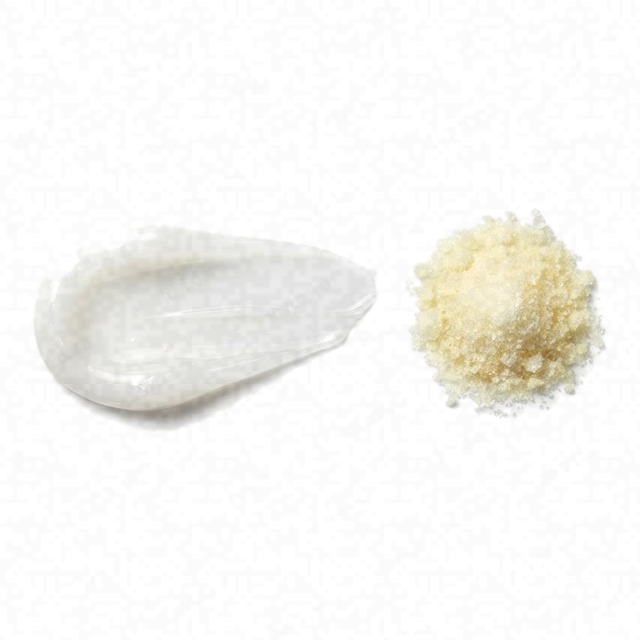 Avobenzone
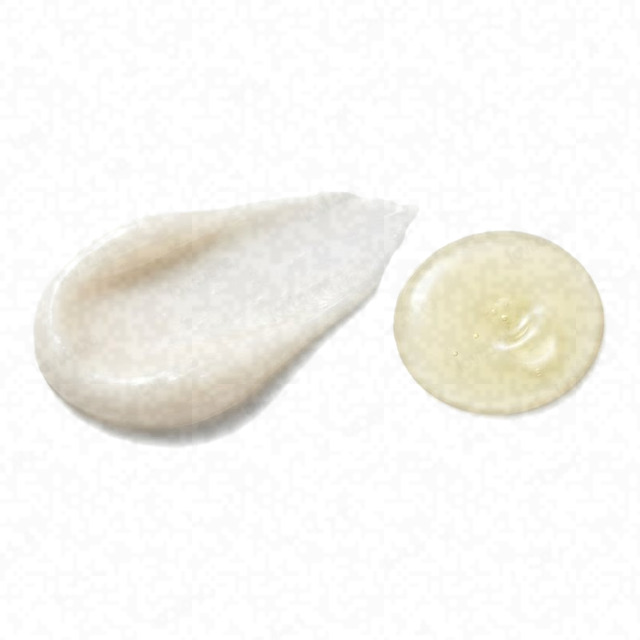 Octocrylene
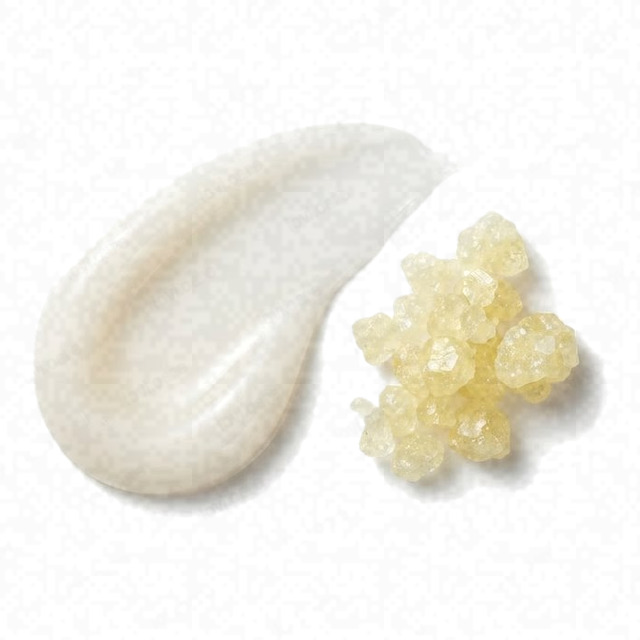 Homosalate
 Sodium Hyaluronate
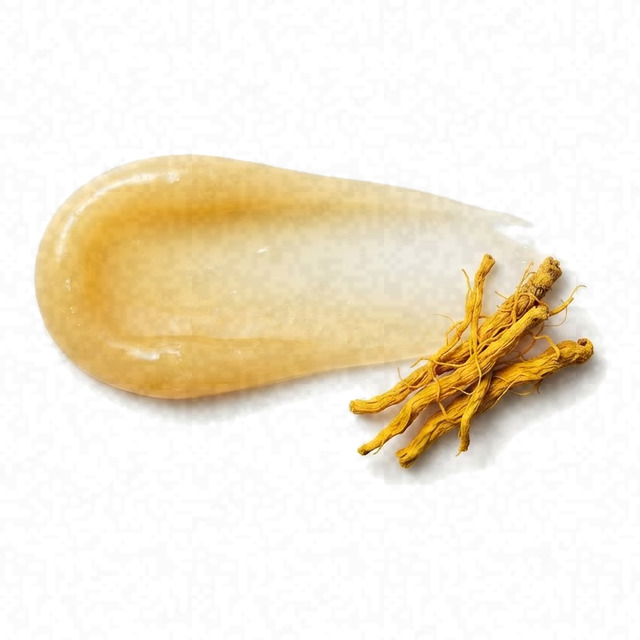 Coptis Japonica Extract
Average
- HighNormal Skin Fit
- AverageEffectiveness
- HighSafety
Works for sensitive skin; other sunscreens fit it better.
This fit is calculated for the concerns frequently associated with sensitive skin: redness, stinging, and reactions to new products. For scores and recommendations based on your full skin profile, including your 12D face scan results and any goals or preferences you have, please use the Lovi app.
Page built Nov 8, 2026How the Fit score works
Lovi Assistant explains
- This sunscreen offers moderate suitability for your normal, sensitive skin, with glycerin and aloe barbadensis leaf extract providing hydration and soothing effects that support your redness and irritation concerns.
- While the formula is generally safe and provides excellent UV protection with ingredients like octocrylene and avobenzone, it lacks specialized ingredients to actively target and reduce redness.
- The product is safe for your sensitive skin due to the absence of harsh ingredients and the inclusion of soothing components like Rosa Damascena Extract and Glycerin.
How to apply
- Apply this moisturizing sunscreen AM daily as the final step of your morning routine. Always reapply every two hours when exposed to the sun.
- Apply after your regular moisturizer and before makeup. This product combines hydration and sun protection in one easy step.
- Gently smooth a nickel-sized amount evenly across your face and neck. Avoid rubbing harshly to keep sensitive skin calm.
- Apply the moisturizing sunscreen to clean , dry skin for the best protection. Let it absorb ⏱ fully before stepping outside.
- Avoid direct contact with your eyes. Do a patch test before your first use since your skin is sensitive.
People Say
★4.2Overall rating based on 500+ reviewsUsers with oily and combination skin frequently praise this sunscreen for its very high frequency of a lightweight, airy texture that absorbs quickly without leaving a white cast or greasy residue. It is also noted for being great under makeup. However, a high frequency of users report a strong citrus fragrance that can be overpowering, and a moderate frequency of users experience eye irritation.
Highlights
Lightweight & Airy Texture Mostly Mentioned
- “feels like a moisturizer”
- “absorbs instantly”
- “lightweight mousse-like consistency”
No White Cast Often Mentioned
- “completely transparent”
- “great for dark skin”
- “invisible on my face”
Non-Greasy Finish Often Mentioned
- “natural matte finish”
- “doesn't make me shiny”
- “powdery soft feel”
Strong fragrance Often Mentioned
- “smells like lemon pledge”
- “scent is too overpowering”
- “strong citrus odor”
Great Under Makeup Sometimes Noted
- “no pilling under foundation”
- “acts like a primer”
- “makeup glides right on”
Eye irritation Sometimes Noted
- “stings my eyes badly”
- “burns when I sweat”
- “makes my eyes water”
High price point Sometimes Noted
- “expensive for the size”
- “tube is too small”
- “pricey for daily use”
Potential irritation Rarely Noted
- “caused breakouts”
- “essential oils stung my face”
Sources: lovi.care, sokoglam.com, reddit.com, yesstyle.com, stylevana.com, iherb.com, and more
Questions and answers
How well does Neogen Day-Light Protection Airy Sunscreen work for sensitive skin?
This sunscreen works moderately well for sensitive skin, offering good sun protection along with hydration from glycerin and aloe to help calm occasional irritation. However, because it lacks specialized ingredients to actively target and reduce redness, a product of this type needs added niacinamide, ceramides, and antioxidants to best care for this skin.
Which ingredients make this sunscreen a good fit for sensitive skin?
Glycerin and aloe barbadensis leaf extract help keep your sensitive skin calm and hydrated. Because this sunscreen only offers an average fit for your skin, a product of this type needs soothing ingredients like niacinamide or ceramides to actively target and reduce redness.
What does Avobenzone do for sensitive skin?
Avobenzone helps protect sensitive skin from UV rays, though it may cause irritation or allergic reactions in some individuals. Chemical sunscreens containing avobenzone generally show minimal risks of skin irritation and sensitization in human subjects.
Chemical Research in Toxicology, 2009Journal of Drugs in Dermatology, 2025
What does Octocrylene do for sensitive skin?
Octocrylene is a common UV filter that protects skin from the sun, but it may cause irritation or allergic reactions in sensitive skin. Because it can act as a sensitizer for some people, sensitive skin types may need gentle mineral-based sunscreens with soothing ingredients like zinc oxide or titanium dioxide instead.
Where does this sunscreen go in a skincare routine for sensitive skin?
This sunscreen goes as the last step of your morning skincare routine, right after your soothing toner. To work best for sensitive skin, a product of this type needs extra calming and redness-reducing ingredients alongside gentle hydration.
Can I use this sunscreen with retinol, and in what order?
You can use this sunscreen in the morning as the final step of your routine, after applying your retinol at night. Sunscreen helps protect sensitive skin from UV rays, though this product needs extra soothing and calming ingredients to actively manage redness when paired with retinol.
How often should I use this sunscreen?
This moisturizing spf is suitable for daily morning use to protect sensitive skin from UV rays. To best care for this skin, a product of this type needs specialized calming ingredients to actively target and reduce redness.
Can this sunscreen clog pores, cause breakouts or purging for sensitive skin?
This sunscreen is unlikely to clog pores or cause breakouts for sensitive skin, as it has a generally safe formula without harsh ingredients. However, because it contains several plant extracts and essential oils, it may occasionally cause mild irritation or sensitivity in some people.
Is this sunscreen fragrance-free and alcohol-free?
It has no drying alcohol and contains fragrance (citral, citronellol, limonene, geraniol, and linalool).
What the research says
A cream combining propolis, tea tree oil, and Aloe vera reduced erythema scars, acne severity index, and total lesion count better than erythromycin cream in sixty patients with mild to moderate acne vulgaris compared to placebo.
Clinical Pharmacology, 2018A single application of a moisturizing fluid containing hyaluronic acid 1%, glycerin 5%, and Centella asiatica stem cells extract significantly increased skin hydration by 29% and reduced transepidermal water loss at 24 hours compared to baseline and an untreated control site in twenty healthy women.
Clinical, Cosmetic and Investigational Dermatology, 2017Encapsulation of ethylhexyl methoxycinnamate and butyl methoxydibenzoylmethane in lipid microparticles significantly reduced their in vivo human skin penetration compared to nonencapsulated filters.
Skin Pharmacology and Physiology, 2011Microencapsulation of the BMDBM/HP-beta-CD complex in lipid microparticles significantly decreased the percutaneous penetration of the UV filter into the stratum corneum of human volunteers compared to the non-encapsulated sunscreen agent.
Journal of Pharmaceutical and Biomedical Analysis, 2011Following human skin application of an O/W emulsion containing 2% BMDBM loaded in lipospheres, 15% of the sunscreen accumulated in the uppermost layers of the stratum corneum without remarkably modifying skin permeation compared to unencapsulated sunscreen.
Skin Pharmacology and Physiology, 2008Incorporating rosmarinic acid into sunscreens enhanced the in vivo SPF of octocrylene by over 157% and reduced lipid peroxidation in the human stratum corneum.
Antioxidants, 2025The application of a sunscreen formulation containing ethylhexyl methoxycinnamate, ethylhexyl salicylate, methyl anthranilate, and octocrylene does not significantly affect critical acne-related species such as Cutibacterium acnes and Staphylococcus epidermidis, refuting the induction of facial dysbiosis in men.
Archives of Dermatological Research, 2024Early application of sunscreen after ablative fractional skin resurfacing significantly increased the sensitization rate of the UV-filter, octocrylene, and the sunscreen compared to intact skin.
The Journal of Dermatological Treatment, 2015Dermal application of a sunscreen containing 10% homosalate in four volunteers resulted in delayed elimination with terminal half-times around 24 h and a bioavailability of cis-homosalate a factor of 2 lower than trans-homosalate, while metabolite ratios supported using oral-route urinary excretion fractions for dermal exposure assessments.
Archives of Toxicology, 2024Chemical sunscreens containing avobenzone, octocrylene, homosalate, and octisalate showed no to minimal risks of dermal irritation, sensitization, photo-allergy, and photo-irritation in human subjects.
Journal of Drugs in Dermatology, 2025Homosalate exhibited the highest permeation among tested filters with a relative permeability rate of 4.2% and a depth of 60 um, and specific thickeners and emulsifiers successfully reduced its permeation without inhibiting the skin permeation of niacinamide.
Photodermatology, Photoimmunology & Photomedicine, 2026Topical application of 0.1% hyaluronic acid formulations of different molecular weights led to significant improvements in skin hydration and elasticity, with low-molecular-weight formulations also significantly reducing wrinkle depth in seventy-six female subjects compared to a vehicle control.
Journal of Drugs in Dermatology, 2011Topical application of hyaluronic acid in conjunction with free gingival graft significantly reduced donor site postoperative pain until day 7 compared to normal saline, with no significant differences in graft dimensions or patient satisfaction.
Clinical Oral Investigations, 2022Treatment with a hyaluronic acid-containing mouth rinse or topical gel led to significant lesion reduction, pain relief, and normalization of lesion color in adult patients with minor recurrent aphthous stomatitis, with the gel formulation showing an earlier healing onset at 3 days.
BMC Oral Health, 2019Topical steroid withdrawal is driven by excess mitochondrial NAD+ metabolism that can be successfully targeted using complex I-inhibiting interventions such as metformin and berberine.
The Journal of Investigative Dermatology, 2025Topical steroid withdrawal presents as a distinct dermatopathology characterized by burning, flushing, thermodysregulation, and elevated mitochondrial NAD+ oxidation, which can be improved by targeting complex I with metformin or berberine.
MedRxiv, 2024Hydroxypropyl methylcellulose hydrogel formulations of berberine chloride-loaded escinosomes increased skin residence time and transdermal permeability while maintaining high safety and biocompatibility without skin irritation.
International Journal of Biological Macromolecules, 2020
Why other sunscreens fit sensitive skin better
Cosmetic formulations containing 5% Centella asiatica extract showed the best efficacy in improving skin moisture and decreasing transepidermal water loss, while also exhibiting antiinflammatory properties in 25 volunteers compared to baseline measurements.
Indian Journal of Pharmaceutical Sciences, 2016Topical application of a postbiotic Saccharomyces and Lactobacillus ferment complex for 28 days significantly modulated the scalp microbiome and achieved a 100% sensitive scalp syndrome alleviation effect in Chinese women with sensitive scalp syndrome.
Clinical, Cosmetic and Investigational Dermatology, 2023Topical application of 0.05% w/w ECa 233 gel reduced erythema index by 0.03 U and improved early crusting and general wound appearance compared to placebo in thirty individuals undergoing facial laser resurfacing.
Journal of Alternative and Complementary Medicine, 2020
Ingredients
Water, Octocrylene, Homosalate, Isododecane, Dipropylene Glycol, Silica, Avobenzone, 1,2-Hexanediol, Octyldodeceth-16, Acrylates C10-30 Alkyl Acrylate Crosspolymer, Tromethamine, Ethylhexylglycerin, Tocopheryl Acetate, Coptis Japonica Extract, Butylene Glycol, Xanthan Gum, Citrus Aurantium Dulcis Peel Oil, Litsea Cubeba Oil Fruit, Bergamot Oil Fruit, Pelargonium Graveolens Oil Flower, Lavandula Angustifolia Oil Lavender Oil, Melaleuca Alternifolia Tree Oil Leaf, Citrus Aurantifolia Oil, Clove Oil Leaf, Camphor Oil Bark, Maltodextrin, Persea Gratissima Fruit Extract Avocado Fruit Extract, Oenothera Biennis Flower Extract, Pinus Palustris Leaf Extract, Ulmus Davidiana Root Extract, Pueraria Lobata Root Extract, Lemon Fruit Extract, Glycerin, Rosa Damascena Extract, Lippia Citriodora Leaf Extract, Adansonia Digitata Leaf Extract, Rubus Idaeus Fruit Extract Raspberry Fruit Extract, Portulaca Oleracea Extract, Blueberry Fruit Extract, Achillea Millefolium Extract, Arnica Montana Flower Extract, Aloe Barbadensis Leaf Extract, Artemisia Capillaris Extract, Euterpe Oleracea Fruit Extract, Phellinus Linteus Extract, Sodium Hyaluronate, Hibiscus Sabdariffa Flower Extract, Beta-Glucan, Citral, Citronellol, Limonene, Geraniol, Linalool
Behind this fit score
Lovi calculates every fit score from the full ingredient list with brand-independent rules our dermatologists and cosmetic chemists build and review, and personalizes every pick with AI trained on the real results of millions of users. Lovi trains its fit score models on a proprietary dataset built from more than 10,000 expert-labeled products and more than 100,000 simulated examples, following an internally consistent methodology presented at Cosmoprof, AMWC, and Skin of Color Update.
-

Co-founder, Medical Director
Cosmetic chemist, cosmetologist, aesthetic products developer
-

Co-founder, CEO and CTO
PhD in computer science, 3x US patent holder, ex-Google, ex-Yandex
-

Dr. Sofía Perea Pérez, MD, MSc
Medical Board
Aesthetic medicine practitioner, MSc in Longevity and Anti-Aging Medicine
-

Medical Board
Specialist dermatologist, MBBS, MD, IFAAD
-

Medical Board
Cosmetic chemist, SCS, IFSCC member
-

Medical Board, Medical Advisor
Dermatology MD
-

Elina Nazarenko, MD
Medical Board
Dermatology and diagnostic consultant
-

Victoria Derkova, MS
Medical Board
Cosmetic chemist, cosmetic development technologist


How does it fit your skin?
Scan your face, then any product: Lovi shows how well it fits you and what fits even better.