La Mer The SPF 50 UV Protecting Fluid for acne-prone skin

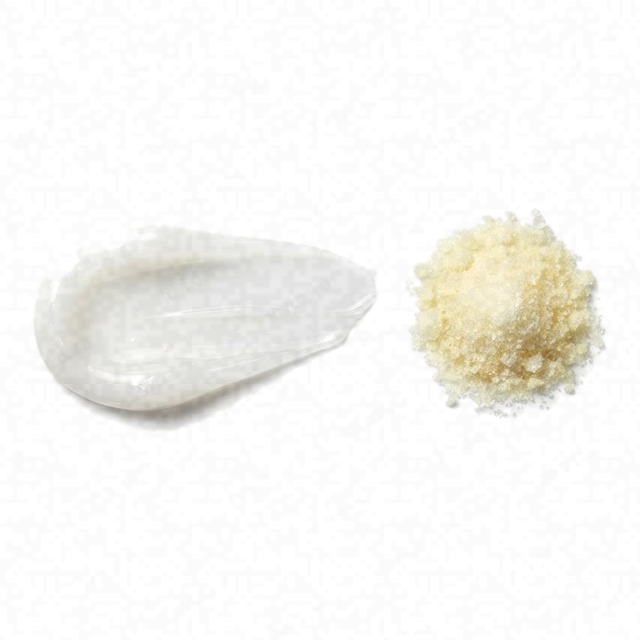 Avobenzone
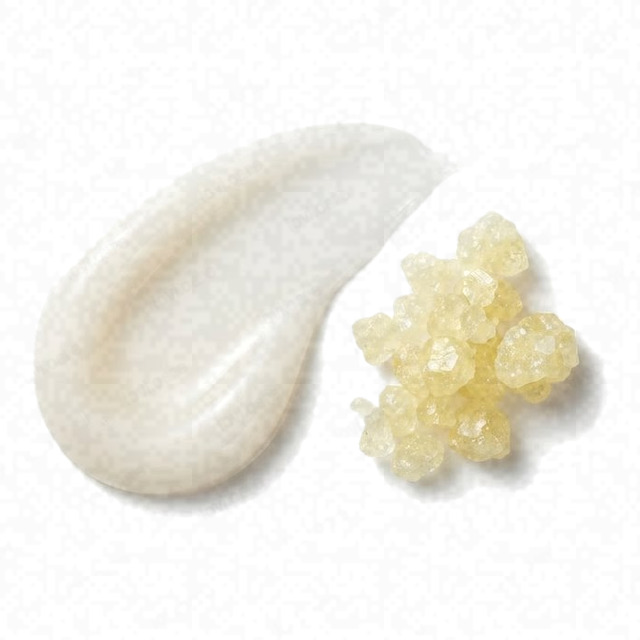 Homosalate
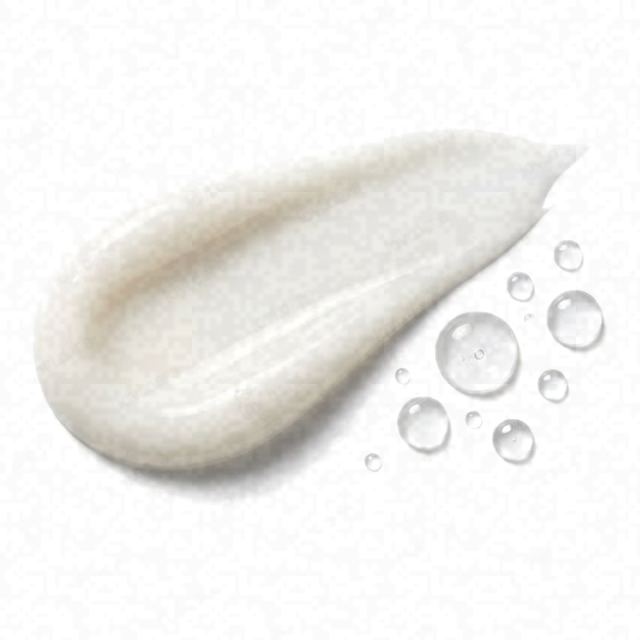 Octisalate
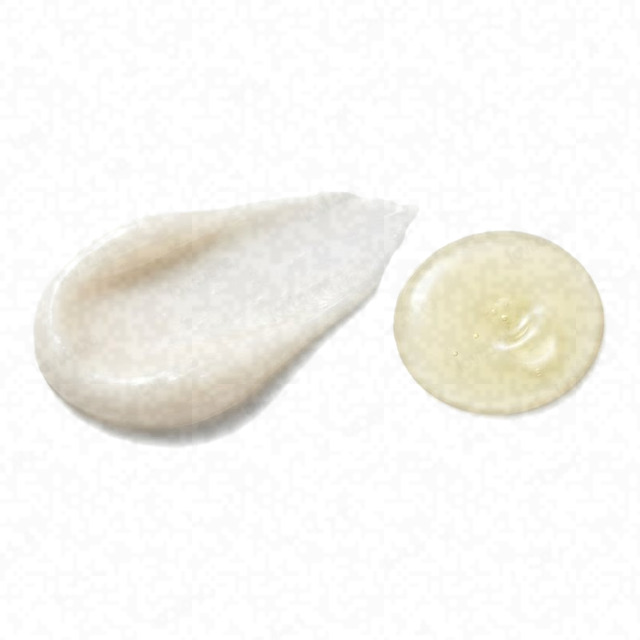 Octocrylene
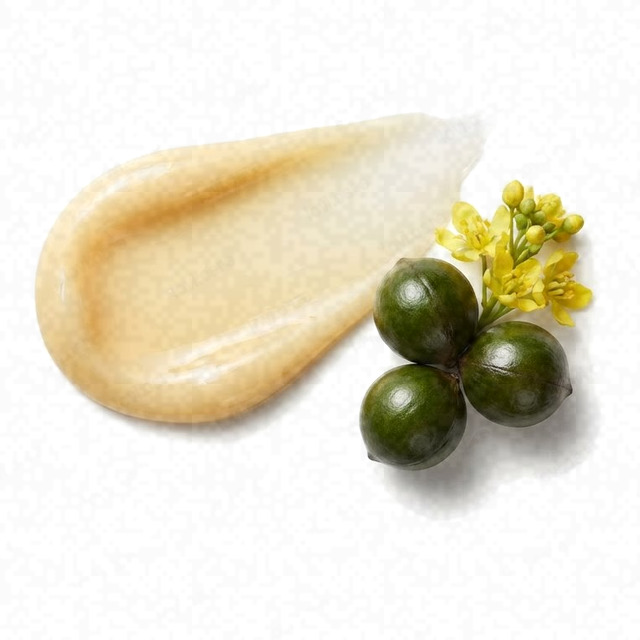 Kukui Seed Oil
Average
- AverageCombination Skin Fit
- AverageEffectiveness
- HighSafety
Works for acne-prone skin; other sunscreens fit it better.
This fit is calculated for the concerns frequently associated with acne-prone skin: breakouts, blackheads, and post-acne marks. For scores and recommendations based on your full skin profile, including your 12D face scan results and any goals or preferences you have, please use the Lovi app.
Page built Nov 8, 2026How the Fit score works
Lovi Assistant explains
- Offers moderate suitability for combination skin, as Sodium Hyaluronate provides hydration, but it lacks sufficient seboregulating ingredients for optimal oil control on your acne-prone skin.
- The formula provides excellent UV protection with multiple sunscreen agents, and includes Algae Extract and Laminaria Ochroleuca Extract for general skincare benefits.
- The safety profile is good, with no risks of irritation due to the absence of harsh ingredients and the presence of soothing components.
How to apply
- Apply this moisturizing sunscreen AM every morning as the final step of your daily routine.
- Layer the moisturizing sunscreen after your moisturizer has fully absorbed, right before heading out into the sun .
- Smooth a nickel-sized amount of the moisturizing sunscreen evenly over your face, avoiding harsh rubbing.
- Apply the moisturizing sunscreen onto clean, dry skin to ensure even coverage and protection.
- Perform a patch test before first use and avoid direct contact with the eyes.
People Say
★4.6Overall rating based on 300+ reviewsUsers consistently praise this sunscreen for its ultra-lightweight, fluid texture that absorbs quickly without leaving a white cast, making it an excellent primer for makeup. While many with dry or mature skin enjoy the moisturizing "glow," those with sensitive eyes or oily skin sometimes report irritation and unwanted shine, with the high price point being a frequent point of contention.
Highlights
Lightweight Texture Mostly Mentioned
- “sinks in easily and quickly”
- “very liquidy and fast absorbing”
- “lightweight formula feels invisible”
- “texture is non-sticky and thin”
High Price Mostly Mentioned
- “crazy money for an SPF”
- “overpriced for the amount”
- “not cheap but effective”
- “hard to justify the cost”
Great Makeup Base Often Mentioned
- “sits really well under makeup”
- “doubles as a primer base”
- “plays really well with foundation”
- “makeup never pills on top”
No White Cast Often Mentioned
- “doesn't leave skin too pale”
- “transparent on my skin”
- “no white residue at all”
- “invisible finish”
Moisturizing Glow Sometimes Noted
- “gives a subtle healthy glow”
- “leaves skin soft and hydrated”
- “infuses moisture without heaviness”
- “finish is luminous and dewy”
Eye Irritation Sometimes Noted
- “really burns my eyes”
- “stings if it gets near eyes”
- “makes my eyes water”
- “migrates and irritates eyes”
Greasy Finish Rarely Noted
- “bad kind of shiny”
- “left an oily residue”
- “too greasy for summer”
- “made my t-zone slick”
Skin Reactions Rarely Noted
- “caused a red rash”
- “broke me out immediately”
- “caused small bumps”
- “itchy reaction after two days”
Sources: lovi.care, sephora.com, bluemercury.com, lookfantastic.com, influenster.com, cultbeauty.co.uk, and more
Questions and answers
How well does La Mer The SPF 50 UV Protecting Fluid work for acne-prone skin?
This fluid works reasonably well for your acne-prone skin, though other options may fit it better because it lacks enough oil-controlling ingredients. It is unlikely to cause irritation and provides strong sun protection, but a product for this skin needs oil-balancing components, lightweight hydration, and blemish-clearing ingredients like Niacinamide or Ceramides without excess oil.
Journal of Drugs in Dermatology, 2025Archives of Dermatological Research, 2024
Which ingredients make this cream a good fit for acne-prone skin?
This cream works for acne-prone skin because it contains Algae Extract and Laminaria Ochroleuca Extract, which help protect and support skin health. However, a product of this type needs ingredients that control oil and address blemishes, such as Niacinamide and Ceramide-3, to truly fit acne-prone skin.
Annals of the New York Academy of Sciences, 2004Scientific Reports, 2025
What does Avobenzone do for acne-prone skin?
Avobenzone protects acne-prone skin from UV rays that can worsen dark spots and inflammation, though it does not directly treat breakouts. To properly care for acne-prone skin, sunscreens should also feel light, clog-free, and non-greasy.
What does Homosalate do for acne-prone skin?
Homosalate helps protect acne-prone skin from sun damage by absorbing UV rays without clogging pores. Because chemical sunscreens of this type are unlikely to cause irritation, they are generally gentle on sensitive or breakout-prone skin.
Where does it go in a skincare routine for acne-prone skin?
This product works as the daytime sunscreen step in your routine, applied after your moisturizer. While it provides good sun protection, acne-prone skin needs a product that also includes oil-controlling ingredients to manage shine effectively.
Can I use this cream with retinol, and in what order?
You can use this moisturizing spf during the day after your treatment and before your sunscreen, while saving your retinol for the evening routine. This cream is unlikely to irritate your skin, though an acne-prone skin type needs a product with ingredients that help control excess oil.
How often should I use it?
You can use this moisturizing spf every morning as the final step of your daytime routine. To work best for acne-prone skin, a product of this type needs added oil-controlling ingredients.
Can this cream clog pores, cause breakouts or purging for acne-prone skin?
This cream is unlikely to cause breakouts on your acne-prone skin because it has a good safety profile with gentle ingredients, but it may feel a bit rich since it lacks oil-controlling components. To better suit acne-prone skin, a product of this type needs targeted oil-balancing ingredients that help keep excess shine and clogged pores under control.
Journal of Drugs in Dermatology, 2025Archives of Dermatological Research, 2024
Is it fragrance-free and alcohol-free?
It has no drying alcohol and contains fragrance (parfum, limonene, geraniol, linalool, and citronellol). Cetyl alcohol is a fatty alcohol, which soften the skin.
What the research says
Treatment with lipid algae extract reduced the level of oxidized proteins in human keratinocytes and stratum corneum skin cells.
Annals of the New York Academy of Sciences, 2004Oil-in-water nanoemulsions containing marine macroalgae extract reduced the UVB-induced decrease in skin membrane electrical resistance to 15% compared to a 50% reduction for the vehicle.
Scientific Reports, 2025Topical astaxanthin-loaded algae extract hydrogel and lipogel formulations exhibited the highest antioxidant activity and successful in vitro release, suggesting their potential as anti-aging formulations.
Journal of Cosmetic Dermatology, 2019Chemical sunscreens containing avobenzone, octocrylene, homosalate, and octisalate showed no to minimal risks of dermal irritation, sensitization, photo-allergy, and photo-irritation in human subjects.
Journal of Drugs in Dermatology, 2025The application of a sunscreen formulation containing ethylhexyl methoxycinnamate, ethylhexyl salicylate, methyl anthranilate, and octocrylene does not significantly affect critical acne-related species such as Cutibacterium acnes and Staphylococcus epidermidis, refuting the induction of facial dysbiosis in men.
Archives of Dermatological Research, 2024Encapsulation of ethylhexyl methoxycinnamate and butyl methoxydibenzoylmethane in lipid microparticles significantly reduced their in vivo human skin penetration compared to nonencapsulated filters.
Skin Pharmacology and Physiology, 2011Microencapsulation of the BMDBM/HP-beta-CD complex in lipid microparticles significantly decreased the percutaneous penetration of the UV filter into the stratum corneum of human volunteers compared to the non-encapsulated sunscreen agent.
Journal of Pharmaceutical and Biomedical Analysis, 2011Following human skin application of an O/W emulsion containing 2% BMDBM loaded in lipospheres, 15% of the sunscreen accumulated in the uppermost layers of the stratum corneum without remarkably modifying skin permeation compared to unencapsulated sunscreen.
Skin Pharmacology and Physiology, 2008Dermal application of a sunscreen containing 10% homosalate in four volunteers resulted in delayed elimination with terminal half-times around 24 h and a bioavailability of cis-homosalate a factor of 2 lower than trans-homosalate, while metabolite ratios supported using oral-route urinary excretion fractions for dermal exposure assessments.
Archives of Toxicology, 2024Homosalate exhibited the highest permeation among tested filters with a relative permeability rate of 4.2% and a depth of 60 um, and specific thickeners and emulsifiers successfully reduced its permeation without inhibiting the skin permeation of niacinamide.
Photodermatology, Photoimmunology & Photomedicine, 2026An online-SPE-LC-MS/MS method successfully quantified specific urinary homosalate metabolites for up to 96 hours after dermal sunscreen application in a volunteer and detected metabolites exclusively in three German pilot participants who had used sunscreen within five days.
Analytica Chimica Acta, 2021Simulated real-life dermal sunscreen exposure in twenty human volunteers leads to the systemic bioavailability and urinary excretion of the UV filter 2-ethylhexyl salicylate and its metabolite, reaching concentration peaks at 7 to 8 hours with 70-80% of overall excretion within 24 hours.
Archives of Toxicology, 2019Controlled single dermal exposure to an EHS-containing sunscreen in three volunteers resulted in delayed systemic resorption with elimination half-lives between 6.6 and 9.7 hours, where the parent compound EHS occurred as the dominant urinary parameter.
Archives of Toxicology, 2024Dermal exposure to EHS-containing sunscreen leads to the urinary excretion of EHS as the main biomarker alongside major metabolites 5OH-EHS, 5cx-EPS, 4OH-EHS, and 5oxo-EHS, measured using an extended enzymatic hydrolysis and on-line SPE LC-MS/MS method.
Talanta, 2024Incorporating rosmarinic acid into sunscreens enhanced the in vivo SPF of octocrylene by over 157% and reduced lipid peroxidation in the human stratum corneum.
Antioxidants, 2025Early application of sunscreen after ablative fractional skin resurfacing significantly increased the sensitization rate of the UV-filter, octocrylene, and the sunscreen compared to intact skin.
The Journal of Dermatological Treatment, 2015Dermal sunscreen exposure in 20 healthy volunteers led to plasma concentrations of avobenzone, octocrylene, and its metabolite CDAA reaching up to 11 μg/L, 25 μg/L, and 1352 μg/L, respectively.
Environment International, 2019
Why other sunscreens fit acne-prone skin better
Biomimetic hyaluronic acid-stabilized zinc oxide nanoparticles selectively inhibited C. acnes, outperformed erythromycin in preclinical acne models, and safely reduced acne lesions and redness in a clinical trial.
Journal of Controlled Release, 2025
Ingredients
Avobenzone, Homosalate, Octisalate, Octocrylene, Oxybenzone, Water, Butyloctyl Salicylate, Methyl Trimethicone, Neopentyl Glycol Diheptanoate, Aleurites Moluccana Seed Oil Kukui Seed Oil, Lauryl Peg-9 Polydimethylsiloxyethyl Dimethicone, Peg-100 Stearate, Butylene Glycol, Glyceryl Stearate, Dipentaerythrityl Tri-Polyhydroxystearate, Potassium Cetyl Phosphate, Algae Extract, Sesamum Indicum Seed Oil, Medicago Sativa Seed Powder, Helianthus Annuus Seedcake Sunflower Seedcake, Prunus Amygdalus Dulcis Seed Meal Seed, Eucalyptus Globulus Oil Leaf Eucalyptus Oil Leaf, Sodium Gluconate, Copper Gluconate, Calcium Gluconate, Magnesium Gluconate, Zinc Gluconate, Tocopheryl Succinate, Niacin, Laminaria Ochroleuca Extract, Malachite, Caffeine, Sorbitol, Sodium Hyaluronate, Cetyl Alcohol, Stearic Acid, Vp Eicosene Copolymer, Ethylhexylglycerin, Saccharide Isomerate, Caprylic Capric Triglyceride, Caprylyl Glycol, Ammonium Acryloyldimethyltaurate Vp Copolymer, Dehydroxanthan Gum, Sodium Dehydroacetate, Citric Acid, Tourmaline, Styrene Acrylates Copolymer, Silica, Peg-8 Laurate, Parfum, Disodium Edta, Phenoxyethanol, Limonene, Geraniol, Hydroxycitronellal, Linalool, Citronellol, Mica, Green 5 Ci 61570, Titanium Dioxide Ci 77891
Behind this fit score
Lovi calculates every fit score from the full ingredient list with brand-independent rules our dermatologists and cosmetic chemists build and review, and personalizes every pick with AI trained on the real results of millions of users. Lovi trains its fit score models on a proprietary dataset built from more than 10,000 expert-labeled products and more than 100,000 simulated examples, following an internally consistent methodology presented at Cosmoprof, AMWC, and Skin of Color Update.
-

Co-founder, Medical Director
Cosmetic chemist, cosmetologist, aesthetic products developer
-

Co-founder, CEO and CTO
PhD in computer science, 3x US patent holder, ex-Google, ex-Yandex
-

Dr. Sofía Perea Pérez, MD, MSc
Medical Board
Aesthetic medicine practitioner, MSc in Longevity and Anti-Aging Medicine
-

Medical Board
Specialist dermatologist, MBBS, MD, IFAAD
-

Medical Board
Cosmetic chemist, SCS, IFSCC member
-

Medical Board, Medical Advisor
Dermatology MD
-

Elina Nazarenko, MD
Medical Board
Dermatology and diagnostic consultant
-

Victoria Derkova, MS
Medical Board
Cosmetic chemist, cosmetic development technologist


How does it fit your skin?
Scan your face, then any product: Lovi shows how well it fits you and what fits even better.