IT'S SKIN Power 10 Formula VC Effector for acne-prone skin

 Ascorbic Acid Ascorbyl Tetraisopalmitate
 Glycerin
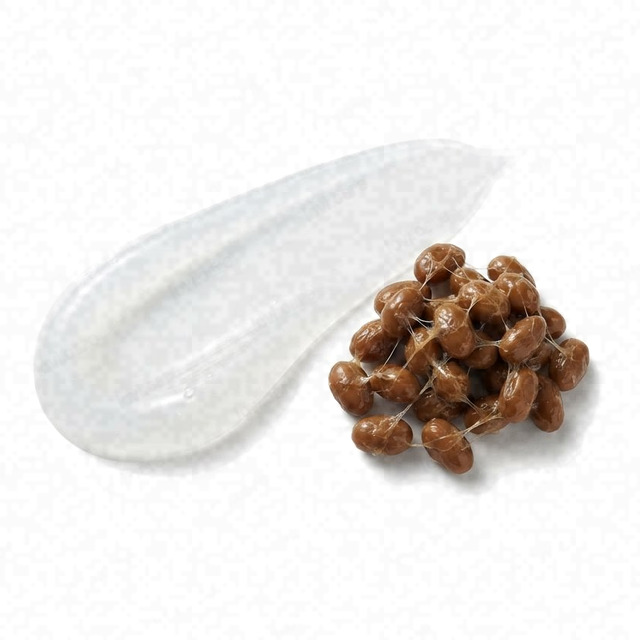 Polyglutamic Acid
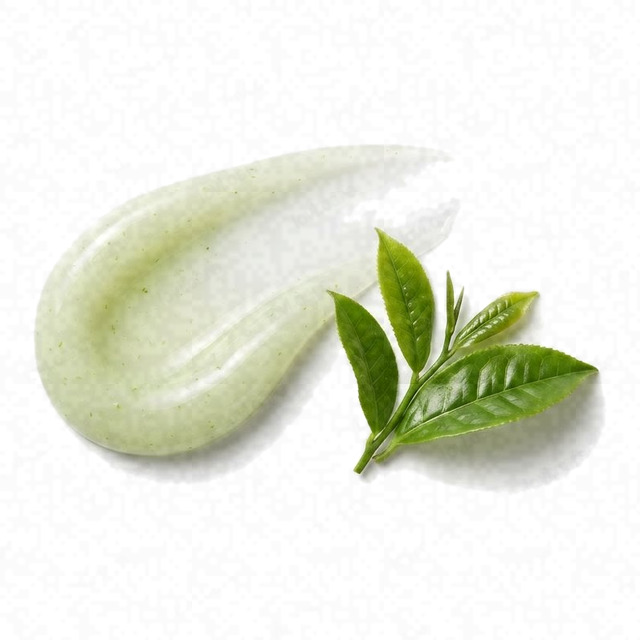 Camellia Sinensis Leaf Extract
 Butylene Glycol
High
- HighCombination Skin Fit
- HighEffectiveness
- ExcellentSafety
A great choice for acne-prone skin; a few serums fit it even better.
- Clinical, Cosmetic and Investigational Dermatology, 2019
- European Journal of Pharmaceutics and Biopharmaceutics, 2017
This fit is calculated for the concerns frequently associated with acne-prone skin: breakouts, blackheads, and post-acne marks. For scores and recommendations based on your full skin profile, including your 12D face scan results and any goals or preferences you have, please use the Lovi app.
Page built Nov 8, 2026How the Fit score works
Lovi Assistant explains
- Offers high suitability for your combination skin as Ascorbyl Tetraisopalmitate and Camellia Sinensis Leaf Extract provide antioxidant activity and seboregulation, addressing your acne, blemishes, and breakouts with moderate effectiveness.
- The formulation also offers excellent brightening and evening of skin tone due to the Ascorbyl Tetraisopalmitate in moderate concentrations.
- The safety profile is excellent, with no risks of irritation for your acne-prone skin due to the absence of prohibited or harsh ingredients and the presence of soothing ingredients like Camellia Sinensis Leaf Extract.
How to apply
- Use your serum as part of your PM routine and start 3x/week before working up to daily use.
- Apply this treatment after cleansing and toner, and before your moisturizer.
- Gently press 2-3 drops of the serum into your skin and let it absorb for a minute.
- Apply the product on clean, dry skin to help manage your breakouts safely.
- Avoid the eye area and do a patch test before your first use.
People Say
★4.4Overall rating based on 2.6k+ reviewsBased on a very large amount of data, this Vitamin C serum is frequently praised for its brightening effects and hydrating properties, making it a popular choice for those with dry or dull skin. It is also noted for being gentle and suitable for sensitive or beginner users. Some users experience a sticky finish or find the results take a considerable amount of time to become apparent, and a few report issues with the packaging or breakouts. The potency is considered mild by some, not ideal for those seeking significant anti-aging benefits.
Highlights
Brightens complexion Often Mentioned
- “fades dark spots”
- “evens skin tone”
- “glowing skin”
Hydrating formula Often Mentioned
- “non-drying”
- “good for dry skin”
- “moisturizing”
Gentle on skin Sometimes Noted
- “no irritation”
- “suitable for sensitive skin”
- “beginner-friendly”
Pleasant texture Sometimes Noted
- “lightweight”
- “absorbs quickly”
- “spreads easily”
Slow results Sometimes Noted
- “takes months”
- “not a miracle cure”
- “subtle changes”
Citrus scent Rarely Noted
- “fresh smell”
- “lemon fragrance”
- “nice scent”
Caused breakouts Rarely Noted
- “small bumps”
- “cystic acne”
- “clogged pores”
Low potency Rarely Noted
- “weak Vitamin C”
- “not for deep scars”
- “mild effect”
Packaging design Rarely Noted
- “dropper too short”
- “hard to reach bottom”
- “glass bottle breaks”
Sticky finish Rarely Noted
- “tacky residue”
- “feels sticky”
- “heavy layering”
Sources: lovi.care, nykaa.com, influenster.com, yesstyle.com, reddit.com, hwahae.co.kr, and more
Questions and answers
What makes IT'S SKIN VC Effector a great fit for acne-prone skin?
This product is a great fit because Ascorbyl Tetraisopalmitate and Camellia Sinensis Leaf Extract help calm breakouts and balance oil. It is very safe and unlikely to cause irritation for acne-prone skin due to soothing ingredients and the absence of harsh components.
Which ingredients make this serum a good fit for acne-prone skin?
Ascorbyl Tetraisopalmitate and Camellia Sinensis Leaf Extract make this serum a great fit because they help control oil and target breakouts. It is very safe for your skin with virtually no risk of irritation thanks to soothing ingredients.
What does Ascorbic Acid do for acne-prone skin?
Ascorbic acid helps fade dark spots and marks left behind by breakouts while protecting acne-prone skin from daily stress. It is unlikely to cause irritation and may improve overall skin tone over time.
Journal of Periodontology, 2009Journal of Cosmetic Dermatology, 2010
What does Glycerin do for acne-prone skin?
Glycerin helps keep acne-prone skin hydrated and calm without clogging pores or feeling heavy. It supports the skin barrier so it stays soft and smooth while handling everyday treatments.
The British Journal of Dermatology, 2008International Journal of Toxicology, 2019
Where does this serum go in a skincare routine for acne-prone skin?
This treatment goes in your evening routine, applied after cleansing and toning and before your moisturizer. Putting it in the evening helps keep things simple and adds extra safety around sun exposure.
Can I use this serum with retinol, and in what order?
You can use this treatment alongside retinol by applying the treatment first and following with your retinol at night. This is unlikely to cause irritation for your acne-prone skin because the formula lacks harsh ingredients and includes soothing green tea extract.
How often should I use this serum?
This treatment is applied in the evening as part of your routine. It is very safe and unlikely to cause irritation for your acne-prone skin.
Can this serum clog pores, cause breakouts or purging for acne-prone skin?
This serum is very unlikely to cause breakouts on acne-prone skin because it avoids harsh ingredients and includes soothing green tea extract. It has an excellent safety profile for this skin type and helps calm blemishes and breakouts without irritation.
Is this serum fragrance-free and alcohol-free?
Yes, it has no fragrance and no drying alcohol.
What the research says
An anti-acne hydrogel containing Aloe barbadensis, Garcinia mangostana, and Camellia sinensis extracts showed superior antiacne and antiblotch activities compared to 1% clindamycin gel in sixty subjects with mild-moderate acne.
Clinical, Cosmetic and Investigational Dermatology, 2019Topical formulations containing ascorbyl tetraisopalmitate, coenzyme Q10, green tea polyphenols, and resveratrol reduced the release of inflammatory cytokines and attenuated inflammatory signs compared to untreated skin and vehicle in 25 Japanese volunteers exposed to sodium dodecyl sulfate.
European Journal of Pharmaceutics and Biopharmaceutics, 2017A 3-in-1 anti-aging topical night serum-in-oil applied once daily decreased wrinkles by 11%, increased skin firmness by 8%, reduced redness by 70%, and improved overall skin quality and complexion in 103 female subjects over 28 to 84 days compared to baseline.
Journal of Cosmetic Dermatology, 2019Topical application of 5% vitamin C cream significantly improved global clinical scores, increased skin microrelief density, and induced elastic tissue repair in photoaged skin compared to excipient control in healthy female volunteers.
Experimental Dermatology, 2003Ascorbic acid 2-glucoside gel significantly reduced gingival melanin pigmentation after 4 weeks compared to placebo in 73 subjects with symmetric pigmentation.
Journal of Periodontology, 2009Topical application of VC-IP cream twice daily for 8 weeks reduces periorbital wrinkles in female subjects compared to a placebo cream.
Journal of Cosmetic Dermatology, 2022A single application of a moisturizing fluid containing hyaluronic acid 1%, glycerin 5%, and Centella asiatica stem cells extract significantly increased skin hydration by 29% and reduced transepidermal water loss at 24 hours compared to baseline and an untreated control site in twenty healthy women.
Clinical, Cosmetic and Investigational Dermatology, 2017The emollient V0034CR significantly reduced TEWL compared to vehicle and vehicle plus glycerol, and significantly increased corneometry scores compared to vehicle and vehicle plus petrolatum in healthy volunteers with dry skin, demonstrating combined barrier function improvement from petrolatum and hydration improvement from glycerol.
Journal of Cosmetic Dermatology, 2020Ten days of treatment with a cream containing 20% glycerin significantly increased skin hydration measured by corneometer values in 17 healthy volunteers compared to a placebo cream, but showed no influence on transepidermal water loss or skin sensitivity to an irritating surfactant.
International Journal of Cosmetic Science, 2001Curcumin-loaded polyglutamic acid and gum arabic electrospun nanofibers accelerated wound healing, increased TGF-beta1 and VEGF expression, reduced inflammatory factors, and enhanced re-epithelialization and tissue regeneration in a mouse model with acute full-thickness skin defects.
International Journal of Biological Macromolecules, 2024Polyglutamic acid and polylysine composite hydrogels promote wound repair and hemostasis through high water absorption, bioadhesion, calcium ion-mediated coagulation factor activation, and inherent antibacterial properties in a deep skin defect model.
Macromolecular Bioscience, 2021Topical green tea extract significantly improved clinical symptoms, tear breakup times, and meibomian gland health compared to standard treatment in patients with dry eye and Meibomian Gland Dysfunction.
Journal of Clinical and Diagnostic Research, 2017Topical low-dose green tea extract reduces UVB-induced p53 expression and apoptosis in human skin keratinocytes compared to placebo.
Experimental Dermatology, 2009Topical application of green tea extract encapsulated chitosan microparticles improved skin elasticity, melanin index, and facial wrinkles compared to a placebo in female volunteers without causing skin irritation.
Journal of Cosmetic Dermatology, 2022
Ingredients
Water, Butylene Glycol, Glycerin, Polyglutamic Acid, Ascorbyl Tetraisopalmitate, Peg-60 Hydrogenated Castor Oil, Carbomer, Methylparaben, Triethanolamine, Acrylates C10-30 Alkyl Acrylate Crosspolymer, Camellia Sinensis Leaf Extract, Chlorphenesin, Disodium Edta, Dipropylene Glycol, Ethyl Hexanediol, Ethylhexylglycerin
Behind this fit score
Lovi calculates every fit score from the full ingredient list with brand-independent rules our dermatologists and cosmetic chemists build and review, and personalizes every pick with AI trained on the real results of millions of users. Lovi trains its fit score models on a proprietary dataset built from more than 10,000 expert-labeled products and more than 100,000 simulated examples, following an internally consistent methodology presented at Cosmoprof, AMWC, and Skin of Color Update.
-

Co-founder, Medical Director
Cosmetic chemist, cosmetologist, aesthetic products developer
-

Co-founder, CEO and CTO
PhD in computer science, 3x US patent holder, ex-Google, ex-Yandex
-

Dr. Sofía Perea Pérez, MD, MSc
Medical Board
Aesthetic medicine practitioner, MSc in Longevity and Anti-Aging Medicine
-

Medical Board
Specialist dermatologist, MBBS, MD, IFAAD
-

Medical Board
Cosmetic chemist, SCS, IFSCC member
-

Medical Board, Medical Advisor
Dermatology MD
-

Elina Nazarenko, MD
Medical Board
Dermatology and diagnostic consultant
-

Victoria Derkova, MS
Medical Board
Cosmetic chemist, cosmetic development technologist


How does it fit your skin?
Scan your face, then any product: Lovi shows how well it fits you and what fits even better.