Dr Sebagh Sun & City Protection SPF 50+ for skin with dark spots

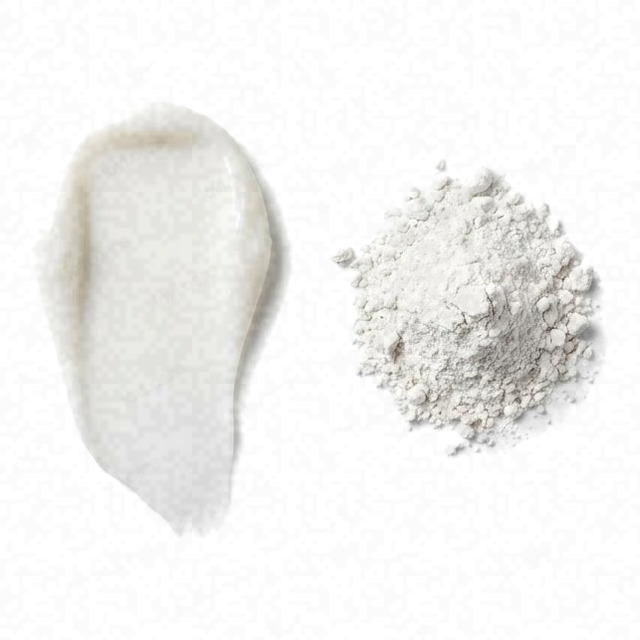 Zinc Oxide
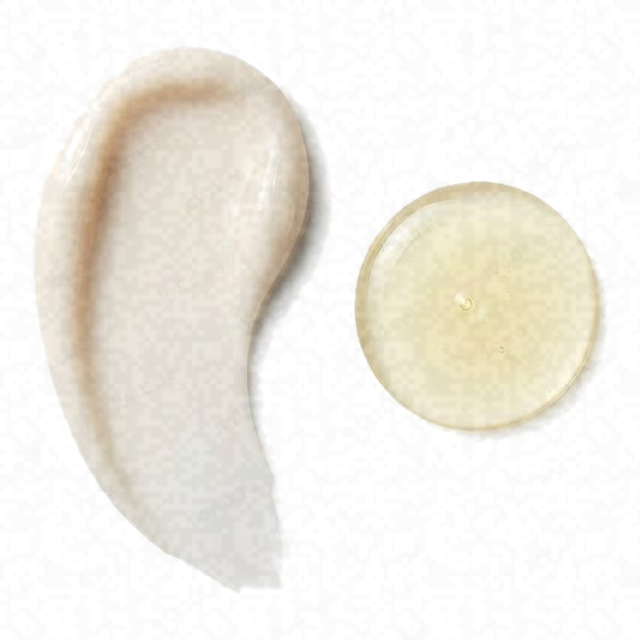 Ethylhexyl Methoxycinnamate
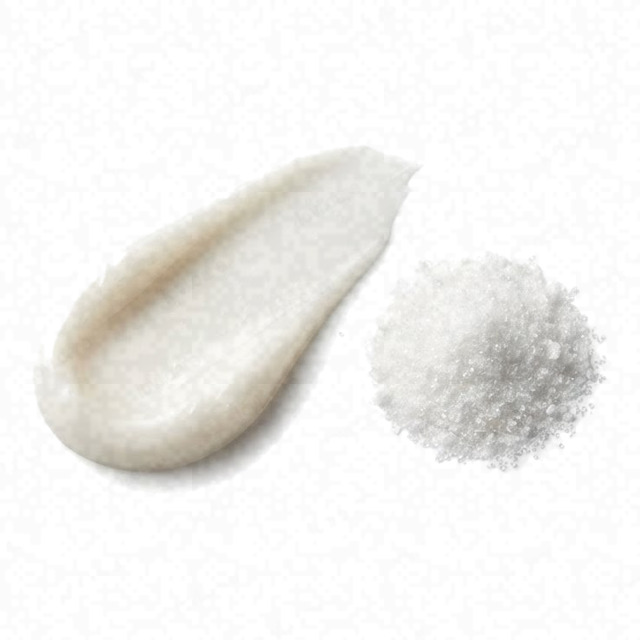 Diethylamino Hydroxybenzoyl Hexyl Benzoate
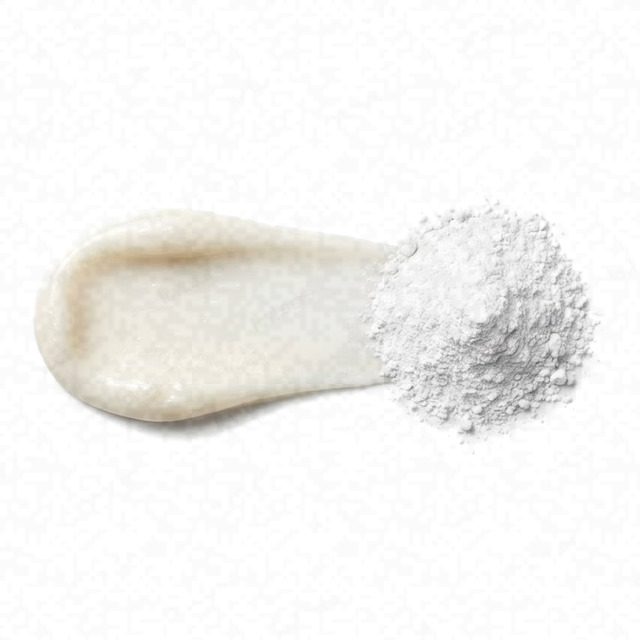 Titanium Dioxide
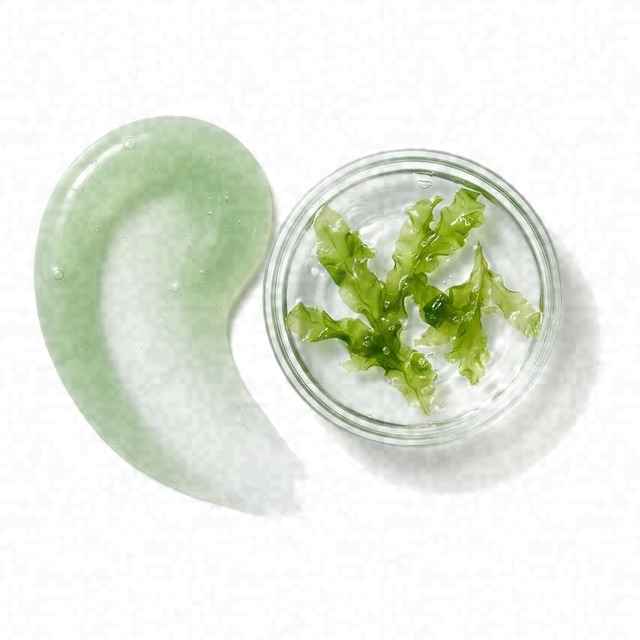 Hydrolyzed Algae Extract
Superior
- HighNormal Skin Fit
- HighEffectiveness
- ExcellentSafety
One of the best sunscreens for skin with dark spots.
This fit is calculated for the concerns frequently associated with dark spots: hyperpigmentation, sun spots, and uneven skin tone. For scores and recommendations based on your full skin profile, including your 12D face scan results and any goals or preferences you have, please use the Lovi app.
Page built Nov 8, 2026How the Fit score works
Lovi Assistant explains
- Excellent for your normal skin, this product effectively addresses pigmentation concerns with Hydroxyphenyl Propamidobenzoic Acid and Ascorbyl Palmitate, which offer antioxidant and brightening support. Glycerin and Biosaccharide Gum-4 provide essential hydration, complementing your skin's natural moisture balance.
- The formula is highly suitable for normal skin, with Tocopheryl Acetate and Tocopherol delivering antioxidant benefits to protect against environmental stressors.
- This product is safe for your skin, featuring soothing ingredients like Hydrolyzed Algae Extract and Cucumis Melo Fruit Extract, and contains no harsh or irritating components.
How to apply
- Apply your AM sunscreen as the final step of your morning skincare routine. Reapply every two hours when exposed to direct sunlight.
- Apply after your moisturizer and before applying any makeup. Make sure it is the very last step of your daytime skin care routine.
- Gently spread a generous amount evenly across your face and neck. Avoid rubbing too harshly to keep the protective layer even.
- Apply on completely dry skin after your moisturizer has fully absorbed. This ensures the protective barrier sits evenly on your face.
- Avoid direct contact with your eyes. Do a patch test before your first full application to ensure no irritation occurs.
People Say
★4.5Overall rating based on 100+ reviewsBased on limited data, this product is highly regarded as a breakthrough multi-protection sunscreen suitable for city environments, offering defense against UV rays, pollution, and blue light. Users with oily and combination skin types particularly appreciate its lightweight, non-greasy formula that provides a matte finish and works well as a makeup primer without typical high SPF stickiness.
Highlights
Lightweight texture Mostly Mentioned
Comprehensive protection Often Mentioned
Matte finish Often Mentioned
Good makeup base Sometimes Noted
No white cast Sometimes Noted
High price point Sometimes Noted
Availability issues Rarely Noted
Chemical filters Rarely Noted
Scent concerns Rarely Noted
Sources: lovi.care, spacenk.com, selfridges.com, libertylondon.com, editorialist.com, wimj.com, and more
Questions and answers
What makes Dr Sebagh Sun & City Protection SPF 50+ one of the best fits for skin with dark spots?
This product is an excellent fit because it helps fade dark spots and brighten your skin with Hydroxyphenyl Propamidobenzoic Acid and Ascorbyl Palmitate. It also keeps your skin soft and calm using glycerin and soothing algae extracts.
Clinical, Cosmetic and Investigational Dermatology, 2017Die Pharmazie, 2005
Which ingredients make this cream a good fit for skin with dark spots?
Hydroxyphenyl propamidobenzoic acid and ascorbyl palmitate help brighten dark spots while providing antioxidant support. Hydrolyzed algae extract and cucumis melo fruit extract also calm your skin safely.
Die Pharmazie, 2005Annals of the New York Academy of Sciences, 2004
What does Zinc Oxide do for skin with dark spots?
Zinc oxide helps improve dark spots, melasma, and age spots when used regularly in skin preparations. Clinical studies show that preparations containing zinc oxide can successfully reduce unwanted skin darkening and even out skin tone while remaining very gentle and non-irritating.
What does Octinoxate do for skin with dark spots?
Octinoxate helps protect the skin from sun exposure that can make dark spots more noticeable. When combined in a targeted depigmenting complex, it may also support a more even and clear skin tone without causing unwanted reactions.
Where does this cream go in a skincare routine for skin with dark spots?
This spf is a great fit for your skin with dark spots, going on in the morning as the final step before makeup. It helps brighten skin and protect against environmental stressors with antioxidants like Ascorbyl Palmitate and Tocopherol while keeping your skin calm.
Can I use this cream with retinol, and in what order?
You can use this spf in the morning after your retinol treatment, as part of your daily routine. It helps protect your skin with safe, soothing ingredients while providing antioxidant and brightening support.
How often should I use this cream?
Apply this sunscreen every morning as the final step in your daytime routine. Using it daily helps protect your skin from environmental stressors while supporting a brighter and more even look.
Can this cream clog pores, cause breakouts or purging for skin with dark spots?
This cream is unlikely to clog pores or cause breakouts on skin with dark spots because it features a safe profile with no harsh or irritating components. It also helps keep skin calm and hydrated with ingredients like glycerin and hydrolyzed algae extract.
Clinical, Cosmetic and Investigational Dermatology, 2017Annals of the New York Academy of Sciences, 2004
Is this cream fragrance-free and alcohol-free?
Yes, it has no fragrance and no drying alcohol.
What the research says
A single application of a moisturizing fluid containing hyaluronic acid 1%, glycerin 5%, and Centella asiatica stem cells extract significantly increased skin hydration by 29% and reduced transepidermal water loss at 24 hours compared to baseline and an untreated control site in twenty healthy women.
Clinical, Cosmetic and Investigational Dermatology, 2017Ascorbyl palmitate incorporated into SLN and NLC hydrogels significantly improved skin moisture compared to placebo in short-term and long-term trials, and sustained AP penetration through excised human skin compared to NE.
Die Pharmazie, 2005Treatment with lipid algae extract reduced the level of oxidized proteins in human keratinocytes and stratum corneum skin cells.
Annals of the New York Academy of Sciences, 2004Topical 0.5% hyaluronic-ZnO nanogel applied twice daily reduced inflammatory-lesion counts by 58% at week four in human subjects compared to baseline without causing erythema.
Biomedicines, 2025Nels cream achieved a similar reduction in inflammatory and noninflammatory lesion counts compared to 5% benzoyl peroxide in acne vulgaris patients, but caused significantly fewer side-effects such as peeling and dryness.
Clinical and Experimental Dermatology, 2000Topically applied coated and uncoated zinc oxide nanoparticles under flexing and massage are retained in the stratum corneum with no significant penetration into the viable epidermis and no cellular toxicity in human skin.
Nanomedicine, 2016Replacing 20% of the chemical UV filter octyl methoxycinnamate with urucum oil in solid lipid nanoparticles maintained the skin protection factor without inducing toxic responses or significant skin penetration in human volunteers.
Skin Pharmacology and Physiology, 2018Liposomal encapsulation of octyl methoxycinnamate increases its safety, skin affinity, and in vivo solar photoprotection factor while slowing its release and enhancing retention in the stratum corneum compared to a conventional formulation.
International Journal of Nanomedicine, 2013Encapsulation of ethylhexyl methoxycinnamate and butyl methoxydibenzoylmethane in lipid microparticles significantly reduced their in vivo human skin penetration compared to nonencapsulated filters.
Skin Pharmacology and Physiology, 2011Oral and dermal administration of Uvinul A plus resulted in three major urinary metabolites accounting for 52% of the oral dose, with a very low estimated daily systemic exposure of 8.1-9.3 μg/d in volunteers not intentionally exposed.
International Journal of Hygiene and Environmental Health, 2020Microfine titanium dioxide does not penetrate human skin when formulated in an oil-in-water emulsion with the pigment dispersed in the aqueous phase, compared to oily dispersions and liposomal encapsulation which allow deeper skin penetration.
International Journal of Cosmetic Science, 2000Replacing microsized titanium dioxide and zinc oxide with nanoparticles in sunscreens eliminates opaqueness and alters UV protection balance while inducing (photo)cyto- and genotoxicity and penetrating viable skin layers during long-term exposures.
Nanotechnology, Science and Applications, 2011Microfine zinc oxide and titanium dioxide do not penetrate the stratum corneum of porcine skin in vitro, indicating that their use in sunscreens does not pose a health risk from internal exposure.
Toxicology in Vitro, 2006Topical astaxanthin-loaded algae extract hydrogel and lipogel formulations exhibited the highest antioxidant activity and successful in vitro release, suggesting their potential as anti-aging formulations.
Journal of Cosmetic Dermatology, 2019Antarctic marine algae extracts increased cell viability, protected against inflammation, and enhanced the barrier integrity of human intestinal and keratinocyte cell lines damaged by lipopolysaccharide or ultraviolet radiation.
Marine Drugs, 2022Treatment with bone marrow mesenchymal stem cells combined with Cystoseira algae extract significantly improved wound closure, tissue thickness, layer density, and skin elasticity while reducing oxidative indicators, pro-inflammatory cytokines, and immune markers in immunosuppressed rats compared to the control group.
PloS One, 2024
Ingredients
Water, Zinc Oxide, Caprylic Capric Triglyceride, Ethylhexyl Methoxycinnamate, C12-15 Alkyl Benzoate, Diethylamino Hydroxybenzoyl Hexyl Benzoate, Octocrylene, Titanium Dioxide, Lauryl Peg-9 Polydimethylsiloxyethyl Dimethicone, Methyl Methacrylate Crosspolymer, Glycerin, Oleic Linoleic Linolenic Polyglycerides, Dimethicone, Sodium Chloride, Sea Water, Phenoxyethanol, Alumina, Phenyl Trimethicone, Tocopheryl Acetate, Pentylene Glycol, Butylene Glycol, Stearalkonium Hectorite, Isostearic Acid, Lecithin, Polyglyceryl-3 Polyricinoleate, Polyhydroxystearic Acid, Chlorphenesin, Sodium Citrate, Caprylyl Glycol, Stearic Acid, Propylene Carbonate, Hydroxypropyltrimonium Maltodextrin Crosspolymer, Bht, Hydroxyphenyl Propamidobenzoic Acid, Hydrolyzed Algae Extract, Melanin, Biosaccharide Gum-4, Cucumis Melo Fruit Extract, Ascorbyl Palmitate, Tocopherol, Ethylhexylglycerin
Behind this fit score
Lovi calculates every fit score from the full ingredient list with brand-independent rules our dermatologists and cosmetic chemists build and review, and personalizes every pick with AI trained on the real results of millions of users. Lovi trains its fit score models on a proprietary dataset built from more than 10,000 expert-labeled products and more than 100,000 simulated examples, following an internally consistent methodology presented at Cosmoprof, AMWC, and Skin of Color Update.
-

Co-founder, Medical Director
Cosmetic chemist, cosmetologist, aesthetic products developer
-

Co-founder, CEO and CTO
PhD in computer science, 3x US patent holder, ex-Google, ex-Yandex
-

Dr. Sofía Perea Pérez, MD, MSc
Medical Board
Aesthetic medicine practitioner, MSc in Longevity and Anti-Aging Medicine
-

Medical Board
Specialist dermatologist, MBBS, MD, IFAAD
-

Medical Board
Cosmetic chemist, SCS, IFSCC member
-

Medical Board, Medical Advisor
Dermatology MD
-

Elina Nazarenko, MD
Medical Board
Dermatology and diagnostic consultant
-

Victoria Derkova, MS
Medical Board
Cosmetic chemist, cosmetic development technologist


How does it fit your skin?
Scan your face, then any product: Lovi shows how well it fits you and what fits even better.