
Bioderma Photoderm Mineral Fluide SPF50+

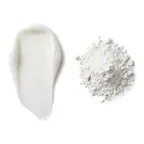 Zinc Oxide
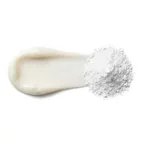 Titanium Dioxide
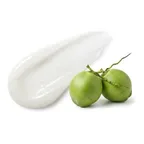 Caprylic Capric Triglyceride
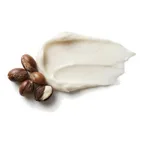 Butyrospermum Parkii Oil Shea Oil
 Tocopherol
Zinc oxide, titanium dioxide, and shea oil provide broad-spectrum sun protection and nourish the skin, so it suits most skin types. For skin that needs oil control, sunscreens with niacinamide get higher fit scores. Where to buy in France: Notino, €17.90.
Each fit is calculated for the concerns frequently associated with that skin type. For scores and recommendations based on your full skin profile, including your 12D face scan results and goals, use the Lovi app.
Updated How the Fit score works
Where it fits best and least
Best fit Superior
Oily Skin, Dry Skin, Combination Skin, Sensitive Skin, Skin with Dark Spots, Dry Sensitive Skin
One of the best sunscreens for oily skin.
- Excellent for your oily skin as zinc oxide and silica provide superior mattification and sebum control, addressing your oily shine concerns effectively.
Lowest fit High
Acne-Prone Skin, Mature Skin, Oily Acne-Prone Skin
A great choice for acne-prone skin; a few sunscreens fit it even better.
- Excellent for your combination, acne-prone skin as zinc oxide and titanium dioxide provide anti-inflammatory benefits and help regulate sebum production without causing dryness. Tocopherol further soothes and protects your skin from oxidative stress.
Buy online

Prices checked 22 Nov 2026
The Lovi Fit is the same in every country; only the stores and prices differ, and the ones here are for France.
How to apply
- Apply this sunscreen during your AM routine every single day. Reapply every two hours if you are staying outdoors.
- Apply the sunscreen as the final step of your morning skincare routine after your moisturizer. Allow your moisturizer to absorb fully before putting it on.
- Squeeze a generous amount and pat it gently all over your face and neck. Avoid rubbing the product harshly into your skin.
- Avoid getting the product directly into your eyes and stop using it if any irritation occurs.
People Say
★4.2Overall rating based on 100+ reviewsBased on limited data, this 100% mineral sunscreen is highly praised for its suitability for intolerant, allergic, or highly sensitive skin, with many users appreciating its gentle, fragrance-free formula and high SPF protection. However, a significant number of users report a strong white cast and a greasy, shiny finish that does not absorb well, making it difficult for darker skin tones and challenging to wear under makeup.
Highlights
Strong white cast Mostly Mentioned
- “looks purple on dark skin”
- “ghostly white residue”
- “impossible to blend out”
Excellent for sensitive Often Mentioned
- “doesn't sting eyes”
- “great for allergic skin”
- “no irritation or breakouts”
Greasy and shiny Often Mentioned
- “face looks like a disco ball”
- “very oily finish”
- “never fully dries down”
Fragrance-free formula Sometimes Noted
- “completely unscented”
- “no chemical smell”
- “great for fragrance allergies”
High protection Sometimes Noted
- “reliable SPF 50+”
- “prevented burning effectively”
- “trustworthy mineral filters”
Makeup incompatibility Sometimes Noted
- “pills under foundation”
- “slides around face”
- “ruins makeup base”
Fluid consistency Rarely Noted
- “very liquid texture”
- “spreads quickly”
- “lightweight feel”
Messy application Rarely Noted
- “too runny/watery”
- “spills easily”
- “hard to control amount”
Sources: lovi.care, bioderma.co.uk, walmart.com, superbalist.com, cocooncenter.co.uk, reddit.com, and more
Questions and answers
What makes Bioderma Photoderm Mineral Fluide SPF50+ one of the best fits for oily skin?
Zinc oxide and silica provide superior mattification and control oily shine, while mineral filters offer robust UV protection with a low risk of irritation. These ingredients help keep oily skin safe and shine-free throughout the day.
What makes Bioderma Photoderm Mineral Fluide SPF50+ a great fit for acne-prone skin?
Bioderma Photoderm Mineral Fluide SPF50+ is a great fit because its zinc oxide and titanium dioxide calm redness and help control oil without causing dryness. The mineral formula also protects against the sun to help prevent dark spots after breakouts, while tocopherol soothes your skin and protects it from daily stress.
What makes Bioderma Mineral Fluide SPF50+ a great fit for oily acne-prone skin?
Bioderma Photoderm Mineral Fluide SPF50+ is a great fit for oily acne-prone skin because zinc oxide and silica absorb excess oil for a shine-free look while soothing breakouts. Tocopherol adds helpful antioxidant protection, and the formula is unlikely to cause irritation.
Can I use this sunscreen with retinol, and in what order?
You can use this sunscreen every morning as the final step of your skincare routine after your moisturizer, while saving retinol for your evening routine. This mineral formula is unlikely to cause irritation and provides robust UV protection, which is especially important when using retinol.
How often should I use this sunscreen?
Apply this sunscreen every morning as the final step of your daytime routine. It helps protect your skin from the sun while managing oily shine.
Is this sunscreen fragrance-free and alcohol-free?
Yes, it has no fragrance and no drying alcohol.
What makes Bioderma Photoderm Mineral Fluide SPF50+ one of the best fits for dry skin?
This sunscreen is a superior fit because caprylic capric triglyceride and shea oil provide deep moisturization, keeping dry skin smooth while zinc oxide and titanium dioxide offer broad-spectrum sun protection. Its very safe formula is unlikely to cause irritation and includes soothing vitamin E.
What makes Bioderma Photoderm Mineral Fluide SPF50+ a great fit for mature skin?
This sunscreen is a great fit because zinc oxide and titanium dioxide provide strong UV protection, while tocopherol offers antioxidant support to help address wrinkles and fine lines. Shea oil and soybean oil further enhance skin comfort and nourishment without clogging pores, and the formula is very safe and unlikely to cause irritation.
Journal of Cosmetic Dermatology, 2020Journal of Cosmetic Dermatology, 2022
What makes Bioderma Photoderm Mineral Fluide SPF50+ one of the best fits for combination skin?
This sunscreen is a superior fit because its zinc oxide and titanium dioxide provide strong sun protection while helping keep oily shine under control without over-drying. Tocopherol and mineral filters further soothe your skin and protect it from daily stress without causing irritation.
What makes Bioderma Photoderm Mineral Fluide SPF50+ one of the best fits for sensitive skin?
Bioderma Photoderm Mineral Fluide SPF50+ is an exceptionally good fit for sensitive skin because its zinc oxide and shea oil calm redness and irritation with soothing effects. The high levels of zinc oxide and titanium dioxide also provide strong UV protection, while nourishing ingredients like caprylic capric triglyceride feed the skin without clogging pores and without any harsh ingredients.
What makes Bioderma Photoderm Mineral Fluide SPF50+ one of the best fits for skin with dark spots?
This sunscreen is one of the best fits because its zinc oxide and titanium dioxide offer superb sun protection and help brighten skin without disrupting your natural balance. Shea oil and soybean oil further nourish your skin, enhancing its overall health and radiance.
What makes Bioderma Photoderm Mineral Fluide SPF50+ one of the best fits for dry sensitive skin?
This sunscreen is a top fit because it uses shea oil and caprylic capric triglyceride to smooth and deeply moisturize dry skin while repairing the skin barrier. It also relies on high levels of zinc oxide and titanium dioxide to provide strong sun protection without triggering irritation.
What the research says
Replacing microsized titanium dioxide and zinc oxide with nanoparticles in sunscreens eliminates opaqueness and alters UV protection balance while inducing (photo)cyto- and genotoxicity and penetrating viable skin layers during long-term exposures.
Nanotechnology, Science and Applications, 2011Topical 0.5% hyaluronic-ZnO nanogel applied twice daily reduced inflammatory-lesion counts by 58% at week four in human subjects compared to baseline without causing erythema.
Biomedicines, 2025Daily use of a deep cleansing gel containing salicylic acid 2%, zinc gluconate 0.2% and lipohydroxy acid 0.05% significantly reduced total lesion count by 56.3% after 84 days in 35 subjects with mild to moderate truncal acne.
Clinical, Cosmetic and Investigational Dermatology, 2023Topical zinc oxide nanogels formulated using Dendrobium anosmum showed greater effectiveness against Gram-positive acne-causing bacteria compared to chemogenic nanoparticles.
Molecules, 2023Microfine titanium dioxide does not penetrate human skin when formulated in an oil-in-water emulsion with the pigment dispersed in the aqueous phase, compared to oily dispersions and liposomal encapsulation which allow deeper skin penetration.
International Journal of Cosmetic Science, 2000Hyaluronic acid-grafted titanium dioxide nanoparticles increased SPF from 13.3 to 19.1 while demonstrating low photocatalytic activity, exceptional thermal stability with >95% SPF retention, enhanced moisturization with >80% hydration retention, and minimal cytotoxicity with 88.5% cell viability in HaCaT keratinocytes compared to unmodified nanoparticles.
International Journal of Biological Macromolecules, 2025Topical application of an emollient emulsion containing 15.0% caprylic/capric triglyceride doubled the amount of urocanic acid isomers and increased skin hydration with reduced transepidermal water loss in healthy subjects, though it did not prevent ultraviolet-induced urocanic acid isomerization.
Life, 2023A topical serum containing vitamin C, vitamin E, and raspberry leaf cell culture extract improved skin color, elasticity, radiance, smoothness, scaliness, and wrinkles compared to the untreated contralateral side in fifty female volunteers.
Journal of Cosmetic Dermatology, 2020A nighttime topical antioxidant containing resveratrol, baicalin, and vitamin E significantly improved fine lines, wrinkles, firmness, elasticity, laxity, hyperpigmentation, radiance, roughness, and dermal thickness in subjects with mild to moderately photodamaged skin over 12 weeks.
Journal of Drugs in Dermatology, 2014A topical antioxidant serum significantly reduced air pollution-induced skin pigmentation and proinflammatory gene expression ex vivo, and improved skin aging signs in 40 healthy adult females after 90 days of daily use.
Journal of Cosmetic Dermatology, 2022A shea butter-based nanostructured lipid carrier formulation maintained the stability of orobol for up to 28 days and significantly increased its in vitro deposition into Strat-M membranes and human cadaver skin compared with other formulations without causing significant skin irritation.
Pharmaceutics, 2020Biomimetic hyaluronic acid-stabilized zinc oxide nanoparticles selectively inhibited C. acnes, outperformed erythromycin in preclinical acne models, and safely reduced acne lesions and redness in a clinical trial.
Journal of Controlled Release, 2025Tocopherol succinate-loaded ethosomal gel increased skin deposition, stability, moisture, and mechanical properties in 13 human subjects compared to a control gel over 12 weeks.
Journal of Cosmetic Dermatology, 2022Co-exposure to titanium dioxide nanoparticles exerted an antagonistic effect on zinc oxide nanoparticle-induced cytotoxicity and DNA damage in human keratinocytes and a reconstructed human epidermis model by restricting cellular uptake and decreasing zinc ion dissociation.
Nanomaterials, 2022Hydrogels containing vitamin E-loaded nanostructured lipid carriers exhibited better occlusive properties and long-lasting effects, while vitamin E-loaded nanoemulsions performed a faster skin hydration effect and were selected as more attractive for skin application.
Colloids and Surfaces. B, Biointerfaces, 2019A skin barrier restoring cream with shea butter, silkflo, and vitamin E increased type I procollagen synthesis, enhanced antioxidant enzyme activity, decreased reactive oxygen species generation, and promoted hyaluronic acid production in H2O2-stimulated human keratinocyte cells compared to untreated cells.
International Journal of Cosmetic Science, 2025Bovine serum albumin surface functionalization of titanium dioxide nanoparticles reduces their penetration in Franz diffusion cells and human immortalized keratinocyte cells while maintaining safety and ultraviolet protection efficacy.
ACS Applied Bio Materials, 2024The combination of anionic and nonionic surfactants with silica nanoparticles generally mitigates surfactant toxicity and can reduce skin irritation, although nanoparticles reduce biodegradation efficacy.
Toxics, 2025Cosmetic eye and facial creams containing palmitoyl peptides, Silybum marianum seed oil, and vitamin E improve facial wrinkles, elasticity, dermal density, and skin tone in healthy volunteers with aged skin after 4 weeks of application compared to pre-application.
Experimental and Therapeutic Medicine, 2016Topical application of tocopherol succinate ethosomal gel decreased erythema, melanin, and sebum levels while improving moisture content and skin elasticity in 34 human women.
Journal of Cosmetic Dermatology, 2024Mesoporous silica nanoparticles entrapping licorice polysaccharide and coated with polydopamine showed 76% entrapment efficiency, 89% in vitro release at pH 5, increased sebocytes' cellular uptake, and mediated inflammatory response by inhibiting pro-inflammatory cytokines and regulating anti-inflammatory cytokines.
Carbohydrate Polymers, 2024
Ingredients
Zinc Oxide, Caprylic Capric Triglyceride, Butyrospermum Parkii Oil Shea Oil, Dicaprylyl Ether, Isostearyl Isostearate, Titanium Dioxide, Dicaprylyl Carbonate, Polyhydroxystearic Acid, Silica, Glyceryl Isostearate, Tocopherol, Stearalkonium Hectorite, Water, Propylene Carbonate, Glycine Soja Oil Soybean Oil
Behind these fit scores
Lovi calculates every fit score from the full ingredient list with brand-independent rules our dermatologists and cosmetic chemists build and review, and personalizes every pick with AI trained on the real results of millions of users. Lovi trains its fit score models on a proprietary dataset built from more than 10,000 expert-labeled products and more than 100,000 simulated examples, following an internally consistent methodology presented at Cosmoprof, AMWC, and Skin of Color Update.
-

Co-founder, Medical Director
Cosmetic chemist, cosmetologist, aesthetic products developer
-

Co-founder, CEO and CTO
PhD in computer science, 3x US patent holder, ex-Google, ex-Yandex
-

Dr. Sofía Perea Pérez, MD, MSc
Medical Board
Aesthetic medicine practitioner, MSc in Longevity and Anti-Aging Medicine
-

Medical Board
Specialist dermatologist, MBBS, MD, IFAAD
-

Medical Board
Cosmetic chemist, SCS, IFSCC member
-

Medical Board, Medical Advisor
Dermatology MD
-

Elina Nazarenko, MD
Medical Board
Dermatology and diagnostic consultant
-

Victoria Derkova, MS
Medical Board
Cosmetic chemist, cosmetic development technologist


How does it fit your skin?
Scan your face, then any product: Lovi shows how well it fits you and what fits even better.