AMOREPACIFIC Time Response Eye Reserve Crème for acne-prone skin

 Niacinamide
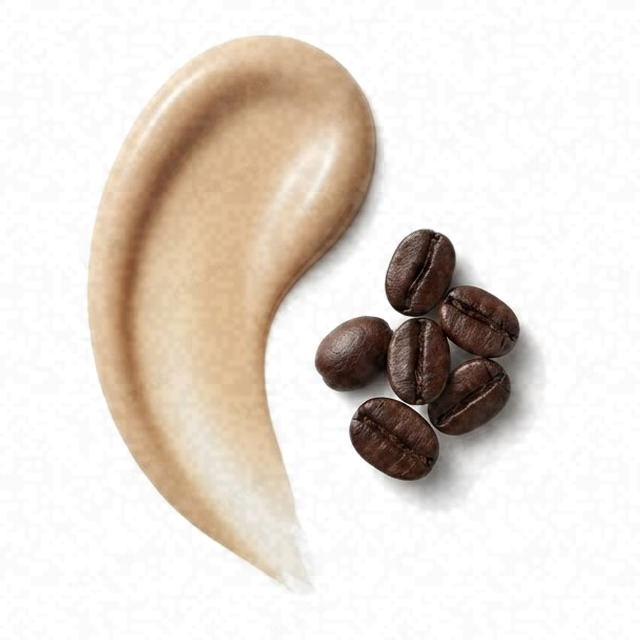 Caffeine
 Adenosine
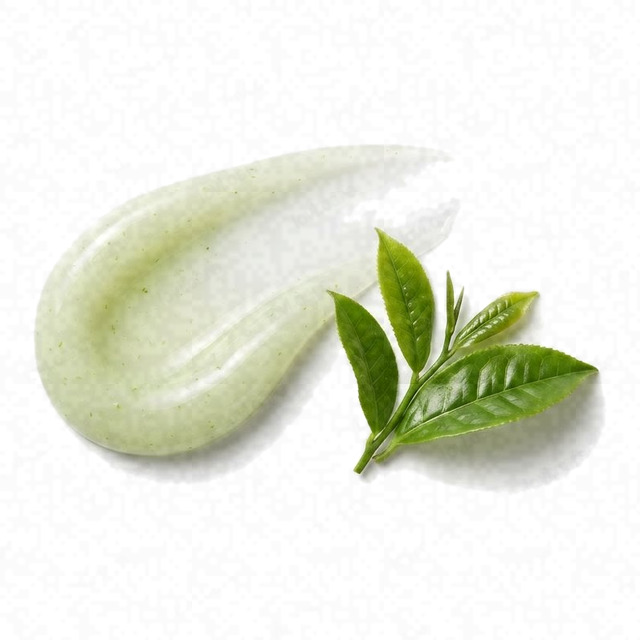 Epigallocatechin Gallate
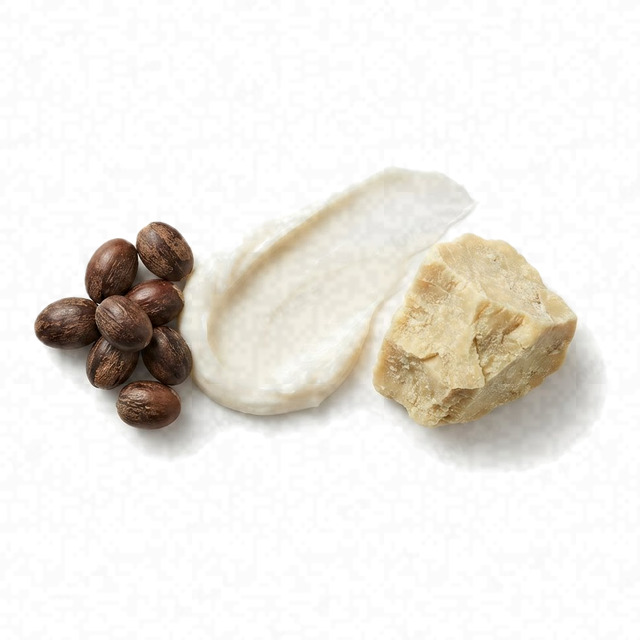 Butyrospermum Parkii Butter Shea Butter
Average
- AverageCombination Skin Fit
- AverageEffectiveness
- ExcellentSafety
Works for acne-prone skin; other eye cares fit it better.
- International Journal of Cosmetic Science, 2025
- Clinical, Cosmetic and Investigational Dermatology, 2017
This fit is calculated for the concerns frequently associated with acne-prone skin: breakouts, blackheads, and post-acne marks. For scores and recommendations based on your full skin profile, including your 12D face scan results and any goals or preferences you have, please use the Lovi app.
Page built Nov 8, 2026How the Fit score works
Lovi Assistant explains
- Offers moderate suitability for combination skin, as Camellia Sinensis Leaf Water and Niacinamide provide antioxidant activity and barrier repair, but the formula's primary focus on wrinkle reduction with adenosine and dipalmitoyl hydroxyproline is not directly relevant to your acne, blemishes, and breakouts.
- While Glycerin and Dipotassium Glycyrrhizate offer general hydration and soothing benefits, they do not significantly address your primary concerns.
- The product is safe for your acne-prone skin, containing no harsh ingredients and including soothing agents like Dipotassium Glycyrrhizate and Beta-Glucan.
People Say
★3.9Overall rating based on 100+ reviewsBased on limited data, this eye cream is favored by users with dry or mature skin for its rich texture and ability to provide deep hydration and improve firmness. A notable number of users find the strong floral fragrance and high price to be significant downsides, with some experiencing irritation or puffiness.
Highlights
Luxurious texture Mostly Mentioned
- “silky yet rich texture”
- “melts upon application”
- “absorbs seamlessly”
- “rich, buttery texture”
Deep hydration Often Mentioned
- “makes skin feel soothed and hydrated”
- “keeps my skin hydrated from evening to morning”
- “deeply moisturizing cream”
- “perfect for dry skin types”
Expensive price point Often Mentioned
- “hefty price tag”
- “hard to justify spending”
- “price point is a bit high”
Improves firmness Sometimes Noted
- “visibly improves firmness”
- “makes my wrinkles flat”
- “helps with conditioning and elasticity”
- “skin felt plumper”
Overpowering scent Sometimes Noted
- “fragrance is way too strong”
- “wish this was fragrance-free”
- “scent-sensitive people skip it”
- “smells like perfume”
Pleasant scent Rarely Noted
- “smells like light sweet green tea”
- “fragrance is unbeatable”
- “lovely and has no scent [to me]”
Caused irritation Rarely Noted
- “eyes feel irritated and puffy”
- “caused a severe rash”
- “made my eyes water”
- “stinging sensation”
Inconvenient packaging Rarely Noted
- “oversized lid is inconvenient”
- “avoid products in jar packaging”
- “unhygienic dipping”
- “packaging is ridiculous”
Sources: lovi.care, influenster.com, gopicky.com, poshmark.com, itrial.hk, hwahae.co.kr, and more
Questions and answers
How well does AMOREPACIFIC Time Response work for acne-prone skin?
This eye care works for acne-prone skin, though other products fit it better because its main focus is on reducing wrinkles rather than clearing breakouts. It is safe for your skin and helps soothe and hydrate without irritation, but a product of this type needs soothing and calming ingredients like Centella Asiatica and peptides to properly address your concerns without any risk of irritation.
Which ingredients make this cream a good fit for acne-prone skin?
Niacinamide and Camellia Sinensis Leaf Water help calm your skin and repair its barrier, while Dipotassium Glycyrrhizate and Beta-Glucan soothe irritation without clogging pores. Though safe for your skin, this cream focuses mainly on wrinkles rather than breakouts, so acne-prone skin needs a product with soothing ingredients like Centella Asiatica and peptides to target blemishes directly.
International Journal of Cosmetic Science, 2025Journal of Cosmetic Dermatology, 2026
What does Niacinamide do for acne-prone skin?
Niacinamide helps acne-prone skin by reducing both inflamed and uninflamed breakouts and calming redness. It is also very helpful for keeping oily skin balanced by cutting down on excess oil production, and it is well tolerated by most people.
What does Caffeine do for acne-prone skin?
Caffeine helps calm acne-prone skin by reducing redness and swelling while protecting against daily damage with antioxidants. It is generally well tolerated and may help keep your skin feeling smooth and balanced.
Skin Pharmacology and Physiology, 2013International Journal of Molecular Sciences, 2024
Where does this cream go in a skincare routine for acne-prone skin?
This eye cream goes around your eyes after your moisturizer in the morning and evening, as this type of product is safe for your acne-prone skin. Acne-prone skin needs a lightweight product with targeted blemish-fighting ingredients and oil-balancing agents.
Can I use this cream with retinol, and in what order?
You can use this eye cream with retinol, and applying it after your retinol treatment helps protect the delicate skin around your eyes from irritation. This product is safe for your skin and provides soothing benefits, but an eye product for acne-prone skin needs lightweight hydration and ingredients that target breakouts rather than anti-aging.
How often should I use this cream?
You can use this eye cream daily as part of your normal routine, though it focuses more on reducing wrinkles than targeting breakouts. To best care for acne-prone skin, an eye product of this type needs lightweight hydration alongside soothing ingredients that calm irritation without clogging pores.
Can this cream clog pores, cause breakouts or purging for acne-prone skin?
This cream is unlikely to clog pores or cause breakouts on your acne-prone skin because it contains no harsh ingredients and features soothing agents like dipotassium glycyrrhizate and beta-glucan. However, its primary focus on reducing wrinkles means it does not actively target blemishes, so acne-prone skin often needs lighter options with dedicated blemish-fighting and clarifying ingredients.
Is this cream fragrance-free and alcohol-free?
Yes, it has no fragrance and no drying alcohol. Behenyl alcohol, arachidyl alcohol, and cetearyl alcohol are fatty alcohols, which soften the skin.
What the research says
Topical and in vitro application of a Camellia sinensis leaf extract demonstrated immunomodulatory, detoxification, anti-inflammatory, and antioxidant properties while improving mood states, skin hydration, barrier function, rejuvenation, and facial skin health.
International Journal of Cosmetic Science, 2025A single application of a moisturizing fluid containing hyaluronic acid 1%, glycerin 5%, and Centella asiatica stem cells extract significantly increased skin hydration by 29% and reduced transepidermal water loss at 24 hours compared to baseline and an untreated control site in twenty healthy women.
Clinical, Cosmetic and Investigational Dermatology, 2017A topical formulation containing panthenol, niacinamide, and dipotassium glycyrrhizate increased skin hydration by 74.1% and reduced transepidermal water loss by 13.5% at 28 days compared to baseline and untreated control in 35 individuals with xerosis.
Journal of Cosmetic Dermatology, 2026Skin care regimens containing beta-glucan improved hemoglobin index, skin hydration, and transepidermal water loss compared to vehicle control in 20 patients undergoing fractional laser therapy.
Journal of Cosmetic Dermatology, 2021Topical post-laser application of human adipocyte-derived mesenchymal stem cell media combined with niacinamide significantly improved wrinkle index, melanin index, patient satisfaction, and investigator esthetic improvement scores compared to vehicle cream in patients with aging skin.
Journal of Cosmetic Dermatology, 2021Topical nicotinamide prevented solar-simulated UV-induced immunosuppression in healthy volunteers, and men experienced immunosuppression at solar-simulated UV doses three times lower than those required for women.
The Journal of Investigative Dermatology, 2008Topical 5% niacinamide applied twice daily for 12 weeks reduced fine lines and wrinkles, hyperpigmented spots, red blotchiness, and skin sallowness, and improved skin elasticity compared to vehicle control in 50 female white subjects with facial photoaging.
Dermatologic Surgery, 2005A topical cosmetic slimming product containing tetrahydroxypropyl ethylenediamine, caffeine, carnitine, forskolin and retinol significantly reduced body circumferences and improved skin aspect compared with placebo in 78 women over 12 weeks.
International Journal of Cosmetic Science, 2011Topical sunscreen formulations containing caffeine combined with UV filters increased in vivo anti-UVB protection by approximately 25% and showed higher SPF values compared to caffeine-free sunscreen, while being well tolerated by the skin of healthy subjects.
Frontiers in Physiology, 2019Caffeine gel combined with choline geranate showed high skin permeation capacity and superior clinical results in cellulite treatment compared to caffeine gel without ionic liquid.
AAPS PharmSciTech, 2021Topical adenosine treatment significantly increased the anagen hair growth rate and thick hair rate compared to placebo in Japanese women with female pattern hair loss over 12 months.
The Journal of Dermatology, 2008Topical application of a disodium adenosine monophosphate-based formulation reduced wrinkles and hyperpigmentation while improving hydration, barrier function, skin lifting, and epidermal turnover in female participants.
International Journal of Molecular Sciences, 2026Adenosine and cordycepin stimulate the Wnt/beta-catenin signaling pathway through adenosine receptor and PKA activation, promoting cell proliferation, migration, and growth factor secretion in cultured dermal fibroblasts.
International Journal of Molecular Sciences, 2021Topical green tea extract significantly improved clinical symptoms, tear breakup times, and meibomian gland health compared to standard treatment in patients with dry eye and Meibomian Gland Dysfunction.
Journal of Clinical and Diagnostic Research, 2017Topical low-dose green tea extract reduces UVB-induced p53 expression and apoptosis in human skin keratinocytes compared to placebo.
Experimental Dermatology, 2009An anti-acne hydrogel containing Aloe barbadensis, Garcinia mangostana, and Camellia sinensis extracts showed superior antiacne and antiblotch activities compared to 1% clindamycin gel in sixty subjects with mild-moderate acne.
Clinical, Cosmetic and Investigational Dermatology, 2019A combination cream of stimu-tex AS and saccharide isomerate reduced erythema, increased skin capacitance, and reduced transepidermal water loss compared to placebo in 20 subjects after fractional CO2 laser procedure without causing serious adverse events.
Lasers in Medical Science, 2025A skin barrier restoring cream with shea butter, silkflo, and vitamin E increased type I procollagen synthesis, enhanced antioxidant enzyme activity, decreased reactive oxygen species generation, and promoted hyaluronic acid production in H2O2-stimulated human keratinocyte cells compared to untreated cells.
International Journal of Cosmetic Science, 2025
Why other eye cares fit acne-prone skin better
Topical UP256 cream containing 0.5% bakuchiol administered twice daily significantly reduced inflammatory lesions and improved acne-related post-inflammatory hyperpigmentation in 13 subjects with mild or moderate facial acne.
Journal of Drugs in Dermatology, 2021Co-delivery of paeonol and madecassoside via nanoemulsions improved transdermal delivery, promoted barrier repair proteins, inhibited inflammatory cytokine secretion in cellular and 3D models, and reduced transepidermal water loss and acne in human facial skin compared to free components.
Molecules, 2023
Ingredients
Camellia Sinensis Leaf Water, Butylene Glycol, Water, Glycerin, Hydrogenated Poly C6-14 Olefin, Butyrospermum Parkii Butter Shea Butter, Pentaerythrityl Tetraethylhexanoate, Hydrogenated Olive Lauryl Esters Oil, Jojoba Esters, Methyl Trimethicone, Caprylic Capric Triglyceride, Diisostearyl Malate, Cetyl Ethylhexanoate, Behenyl Alcohol, Helianthus Annuus Seed Oil Sunflower Seed Oil, Propanediol, Hydrogenated Lecithin, Peg-40 Stearate, Camellia Sinensis Seed Oil, Arachidyl Alcohol, Betaine, Niacinamide, Polyglyceryl-10 Stearate, 1,2-Hexanediol, Hydroxyethyl Acrylate Sodium Acryloyldimethyl Taurate Copolymer, Glyceryl Stearate, Cetearyl Alcohol, Mica, Arachidyl Glucoside, Titanium Dioxide Ci 77891, Dipotassium Glycyrrhizate, Caffeine, Glyceryl Caprylate, Dipalmitoyl Hydroxyproline, Acrylates C10-30 Alkyl Acrylate Crosspolymer, Disodium Edta, Ethylhexylglycerin, Adenosine, Beta-Glucan, Tromethamine, Sorbitan Isostearate, Polysorbate 60, Palmitic Acid, Natto Gum, Glycine Soja Seed Extract Soybean Seed Extract, Theobroma Cacao Extract, Dextrin, Camellia Sinensis Leaf Extract, Glucose, Tocopherol, Poloxamer 235, Ethoxydiglycol, Epigallocatechin Gallate, Tocophersolan, Poloxamer 338, Phenoxyethanol, Panax Ginseng Root Extract, Magnolia Obovata Bark Extract, Caprylyl Glycol
Behind this fit score
Lovi calculates every fit score from the full ingredient list with brand-independent rules our dermatologists and cosmetic chemists build and review, and personalizes every pick with AI trained on the real results of millions of users. Lovi trains its fit score models on a proprietary dataset built from more than 10,000 expert-labeled products and more than 100,000 simulated examples, following an internally consistent methodology presented at Cosmoprof, AMWC, and Skin of Color Update.
-

Co-founder, Medical Director
Cosmetic chemist, cosmetologist, aesthetic products developer
-

Co-founder, CEO and CTO
PhD in computer science, 3x US patent holder, ex-Google, ex-Yandex
-

Dr. Sofía Perea Pérez, MD, MSc
Medical Board
Aesthetic medicine practitioner, MSc in Longevity and Anti-Aging Medicine
-

Medical Board
Specialist dermatologist, MBBS, MD, IFAAD
-

Medical Board
Cosmetic chemist, SCS, IFSCC member
-

Medical Board, Medical Advisor
Dermatology MD
-

Elina Nazarenko, MD
Medical Board
Dermatology and diagnostic consultant
-

Victoria Derkova, MS
Medical Board
Cosmetic chemist, cosmetic development technologist


How does it fit your skin?
Scan your face, then any product: Lovi shows how well it fits you and what fits even better.