
ZO Skin Health Enzymatic Peel for sensitive skin

 Glycolic Acid
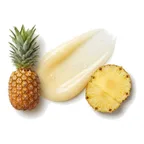 Bromelain
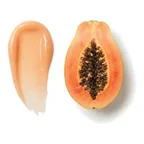 Papain
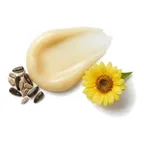 Helianthus Annuus Seed Oil Sunflower Seed Oil
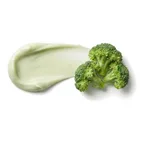 Brassica Oleracea Italica Extract
High
- HighNormal Skin Fit
- HighEffectiveness
- HighSafety
A great choice for sensitive skin; a few products fit it even better.
This fit is calculated for the concerns frequently associated with sensitive skin: redness, stinging, and reactions to new products. For scores and recommendations based on your full skin profile, including your 12D face scan results and any goals or preferences you have, please use the Lovi app.
Updated How the Fit score works
Lovi Assistant explains
- Offers moderate exfoliation for your normal skin with sensitivity, as glycolic acid and papain work to smooth texture and provide mild enzymatic and chemical exfoliation to address redness and irritation.
- The keratolytic action and desquamation regulation from glycolic acid and bromelain are highly suitable for your normal skin type.
- The formulation is safe for your skin due to the absence of prohibited or harsh ingredients, minimizing irritation risks.
How to apply
- Use your exfoliant PM once a week to help with redness and irritation. Start slowly and only increase frequency if your skin feels happy and comfortable.
- Apply the exfoliant after cleansing and toner , but always before your moisturizer . This ensures the product absorbs properly into the skin.
- Gently press 2-3 drops of the exfoliant into your skin without rubbing . Let it absorb for a minute before moving on.
- Since your skin is sensitive , apply the exfoliant on completely dry skin for the best tolerance. This helps prevent any extra stinging or discomfort.
- Always do a patch test before your first use and avoid the delicate eye area .
People Say
★4.5Overall rating based on 1.8k+ reviewsBased on a very large amount of data, this product is highly praised for its ability to gently exfoliate, leaving skin feeling smoother, brighter, and more radiant without significant downtime. Users frequently report that it effectively addresses dullness, rough texture, and minor sun damage, making it a popular choice for maintaining skin health between professional treatments.
Highlights
Smoother skin texture Mostly Mentioned
- “Skin feels amazingly soft”
- “noticeably smoother”
- “promotes smoother texture”
Brighter complexion Often Mentioned
- “Look renewed”
- “brighter appearance”
- “skin glow”
Easy to use Sometimes Noted
- “Amazing and so simple”
- “perfect at-home treat”
- “simple application”
No visible peeling Sometimes Noted
- “No obvious peeling”
- “minimal downtime”
- “no shedding”
High price point Sometimes Noted
- “Expensive”
- “investment”
- “premium cost”
Requires consistency Sometimes Noted
- “Takes time to see results”
- “needs regular use”
Sun sensitivity Rarely Noted
- “Increases sun sensitivity”
- “must use sunscreen”
Sources: lovi.care, zoskinhealth.com, leboskincare.com, myfacedr.com, dermstreet.com, aptmedicalaesthetics.com, and more
Questions and answers
What makes ZO Skin Health Enzymatic Peel a great fit for sensitive skin?
This exfoliant treatment is a great fit because glycolic acid and papain smooth texture while addressing redness, and glycolic acid and bromelain regulate shedding safely. The formula helps calm and protect skin using sunflower seed oil and broccoli extract without harsh ingredients that cause irritation.
Proceedings of the National Academy of Sciences of the United States of America, 2007
Which ingredients make this exfoliant a good fit for sensitive skin?
Glycolic acid, papain, and bromelain make this a great fit because they provide gentle chemical and enzymatic exfoliation that helps smooth texture while addressing redness and irritation. Additionally, sunflower seed oil preserves skin integrity and improves hydration, and broccoli extract helps protect the skin against damage.
Proceedings of the National Academy of Sciences of the United States of America, 2007
What does Glycolic Acid do for sensitive skin?
Glycolic acid often causes irritation and barrier redness on sensitive skin, so this skin type needs very low concentrations and calming ingredients to prevent discomfort.
Dermatologic Surgery, 2004Journal of Cosmetic Dermatology, 2010
What does Bromelain do for sensitive skin?
Bromelain may help calm sensitive skin because it helps lower inflammation and supports the skin barrier. However, because it is an exfoliating enzyme, it can sometimes cause irritation if the skin is very reactive or easily red.
Scientific Reports, 2026Toxicology and Applied Pharmacology, 2008
Where does this exfoliant go in a skincare routine for sensitive skin?
This exfoliant treatment goes in your evening routine once a week. The formula is a great fit for your sensitive skin, offering moderate exfoliation with glycolic acid and papain that helps smooth texture and address redness.
Can I use this exfoliant with retinol, and in what order?
You can use this exfoliant and retinol together, but use them on different nights to keep your skin calm and avoid irritation.
How often should I use this exfoliant?
This exfoliant is a great fit for your sensitive skin and can be used once a week to start. If your skin tolerates it well and you see good results, you may carefully use it more often.
Can this exfoliant clog pores, cause breakouts or purging for sensitive skin?
This exfoliant is a great fit because glycolic acid and papain smooth texture while addressing redness and irritation, and it is safe for sensitive skin due to the absence of harsh ingredients that typically trigger breakouts. It provides moderate chemical and enzymatic exfoliation that helps regulate shedding without clogging pores, though mild sun sensitivity may occur.
Scientific Reports, 2026International Journal of Biological Macromolecules, 2023
Is this exfoliant fragrance-free and alcohol-free?
Yes, it has no fragrance and no drying alcohol. Cetyl alcohol is a fatty alcohol, which soften the skin.
What the research says
Incorporating 1, 2, and 5 percent papain into starch- and carboxymethyl cellulose-based films preserved proteolytic and skin exfoliation activity while improving mechanical properties and water solubility compared to control films, with immobilized enzyme maintaining stability for up to 90 days.
International Journal of Biological Macromolecules, 2023Exposure to a Kiperin Bromelain & Papain complex at 2.5 µg/mL increased cell viability, altered wound closure, decreased inflammation-related gene expression, and increased skin barrier/keratinization gene expression in CCD-18Co colon fibroblasts, HME-1 mammary epithelial cells, and HaCaT keratinocytes.
Scientific Reports, 2026Topical application of sulforaphane-rich broccoli sprout extracts reduced UVR-induced erythema by a mean of 37.7% in six human subjects.
Proceedings of the National Academy of Sciences of the United States of America, 2007Serial glycolic acid peels combined with a modified Kligman formula significantly reduced facial PIH severity in Indian patients compared to the modified Kligman formula alone.
Dermatologic Surgery, 2017Short contact therapy with a tretinoin, clindamycin, and glycolic acid gel significantly improved skin tolerability and reduced acne severity scores compared to standard application therapy in patients with mild-to-moderate acne.
Dermatologic Therapy, 2021Topical papain treatment may slightly decrease pain within 30 minutes in humans stung by Chrysaora chinensis compared to placebo.
Wilderness & Environmental Medicine, 2016A fixed combination of hydroxypinacolone retinoate, retinol glycospheres, and papain glycospheres in aqueous gel applied once daily for 12 weeks achieved a 41% mean reduction in GAGS score and a 40.8% mean reduction in total lesions, with 15.3% of patients experiencing mild to moderate local side effects, in 94 evaluable patients with comedonal-papular, mild to moderate acne of the face.
Giornale Italiano Di Dermatologia E Venereologia, 2015Topical sulforaphane treatment reduced mottled skin pigmentation in humans and UV-induced pigmentation in wild-type mice through NRF2 and keratinocyte-specific IL-6Rα signaling.
JCI Insight, 2020Pre-treatment with sulforaphane and phenylethyl isothiocyanate significantly counteracted UVR-induced increases in apoptosis and decreases in catalase in human skin by inducing Nrf2-dependent antioxidant pathways.
Pharmacological Research, 2013Functional Nrf2 confers protection against UVB-induced inflammation and sunburn reactions, and mediates the photoprotective effects of sulforaphane in C57BL/6 mice compared to Nrf2 knockout mice.
Molecular Carcinogenesis, 2011
Ingredients
Water, Cyclopentasiloxane, Glycolic Acid, Dimethicone, Methylheptyl Isostearate, Cetyl Alcohol, Diglycerin, Dimethicone Crosspolymer, Glyceryl Stearate, Peg-100 Stearate, Isohexadecane, Helianthus Annuus Seed Oil Sunflower Seed Oil, Dimethiconol, Carthamus Tinctorius Seed Oil, Maltodextrin, Aleurites Moluccana Seed Oil, Brassica Oleracea Italica Extract, Oleth-20, Bromelain, Algin, Tocopherol, Papain, Xanthan Gum, Carbomer, Disodium Edta, Caprylyl Glycol, 1,2-Hexanediol, Ascorbyl Palmitate, Sodium Hydroxide, Phenoxyethanol, Chlorphenesin
Behind this fit score
Lovi calculates every fit score from the full ingredient list with brand-independent rules our dermatologists and cosmetic chemists build and review, and personalizes every pick with AI trained on the real results of millions of users. Lovi trains its fit score models on a proprietary dataset built from more than 10,000 expert-labeled products and more than 100,000 simulated examples, following an internally consistent methodology presented at Cosmoprof, AMWC, and Skin of Color Update.
-

Co-founder, Medical Director
Cosmetic chemist, cosmetologist, aesthetic products developer
-

Co-founder, CEO and CTO
PhD in computer science, 3x US patent holder, ex-Google, ex-Yandex
-

Dr. Sofía Perea Pérez, MD, MSc
Medical Board
Aesthetic medicine practitioner, MSc in Longevity and Anti-Aging Medicine
-

Medical Board
Specialist dermatologist, MBBS, MD, IFAAD
-

Medical Board
Cosmetic chemist, SCS, IFSCC member
-

Medical Board, Medical Advisor
Dermatology MD
-

Elina Nazarenko, MD
Medical Board
Dermatology and diagnostic consultant
-

Victoria Derkova, MS
Medical Board
Cosmetic chemist, cosmetic development technologist


How does it fit your skin?
Scan your face, then any product: Lovi shows how well it fits you and what fits even better.