
VT Cica Mild Powder Wash for oily acne-prone skin

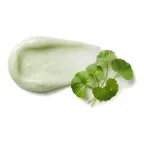 Centella Asiatica Extract
 Sodium Hyaluronate
 Allantoin
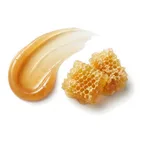 Propolis Extract
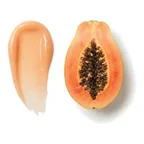 Papain
High
- HighOily Skin Fit
- HighEffectiveness
- ExcellentSafety
A great choice for oily acne-prone skin; a few products fit it even better.
- Giornale Italiano Di Dermatologia E Venereologia, 2015
- Indian Journal of Pharmaceutical Sciences, 2016
This fit is calculated for the concerns frequently associated with oily acne-prone skin: shine, breakouts, blemishes, and enlarged pores. For scores and recommendations based on your full skin profile, including your 12D face scan results and any goals or preferences you have, please use the Lovi app.
Updated How the Fit score works
Lovi Assistant explains
- Offers excellent cleansing for your oily, acne-prone skin as papain and citric acid work to exfoliate and unclog pores, while Centella Asiatica Extract and Dipotassium Glycyrrhizate soothe irritation. Sea salt and maltodextrin further aid in managing excess sebum and refining skin texture. The formula is safe for your oily skin, containing soothing ingredients like Centella Asiatica Extract and Dipotassium Glycyrrhizate with no risk of irritation.
How to apply
- Use your enzyme powder cleanser PM once a week to start, then increase frequency if your skin tolerates it well. Always apply SPF during the day since exfoliating products can make skin sensitive to the sun.
- Apply this enzyme powder cleanser in your weekly routine after the standard cleanser and before your hydrating toner and moisturizer. This step helps clear away dead skin cells.
- Mix the powder with a little water in your hands to create a gentle foam , then massage it softly onto your face while avoiding harsh rubbing.
- Apply the enzyme powder cleanser on slightly damp skin to help activate the formula effectively. Make sure your face is clean from makeup before starting.
- Avoid the delicate eye area and do a patch test before your first use. Do not mix this with strong acids or retinoids in the same routine to prevent irritation.
People Say
★4.8Overall rating based on 100+ reviewsBased on limited data, users find this powder wash effectively exfoliates and creates a rich foam, leaving skin smooth and hydrated. It is frequently recommended for sensitive and acne-prone skin due to its soothing Cica ingredients. Some users note that the powder can clump in humidity and advise caution to avoid eye contact.
Highlights
Gentle exfoliation Often Mentioned
- “Removes dead skin cells gently”
- “Skin feels smooth after use”
- “Refines skin texture”
Rich foam Often Mentioned
- “Forms dense foam”
- “Rich and creamy lather”
- “Soft formula with rich foam”
Non-stripping Sometimes Noted
- “Doesn't leave skin tight”
- “Maintains moist skin”
- “No squeaky clean dryness”
Soothing for sensitive skin Sometimes Noted
- “Works great on sensitive skin”
- “Soothing and moisturizing”
- “Mild formula with low acidity”
Eye irritation Rarely Noted
- “Excruciatingly painful in eyes”
- “Stings if it gets in eyes”
- “Must be careful around eye area”
Moisture sensitivity Rarely Noted
- “Clumps if left in bathroom”
- “Hardens with humidity”
- “Need to store outside shower”
Packaging issues Rarely Noted
- “Hard to control amount”
- “Difficult to use up completely”
- “Powder gets stuck”
Rinsing difficulty Rarely Noted
- “Doesn't rinse out easily”
- “Takes time to wash off”
- “Residue feeling if not rinsed well”
Sources: lovi.care, lipscosme.com, asianbeautywholesale.com, yesstyle.com, ebay.com, and more
Questions and answers
What makes VT Cica Mild Powder Wash a great fit for oily acne-prone skin?
VT Cica Mild Powder Wash is a great fit because papain and citric acid exfoliate and unclog pores while managing excess oil, and Centella Asiatica Extract helps soothe irritation. This combination helps refine skin texture safely without causing irritation.
Giornale Italiano Di Dermatologia E Venereologia, 2015Indian Journal of Pharmaceutical Sciences, 2016
Which ingredients make this cleanser a good fit for oily acne-prone skin?
Papain and citric acid make this cleanser a great fit because they exfoliate and unclog pores, while Centella Asiatica Extract and dipotassium glycyrrhizate help calm irritation. Sea salt and maltodextrin further help manage excess oil and smooth out your skin texture.
Giornale Italiano Di Dermatologia E Venereologia, 2015Indian Journal of Pharmaceutical Sciences, 2016
What does Centella Asiatica Extract do for oily acne-prone skin?
Centella asiatica extract helps calm oily, acne-prone skin by reducing redness and soothing breakouts. Studies show it is unlikely to irritate and may help manage acne blemishes while supporting a balanced skin barrier.
Molecules, 2023Indian Journal of Pharmaceutical Sciences, 2016
What does Hyaluronic Acid do for oily acne-prone skin?
Hyaluronic acid helps oily acne-prone skin by reducing extra oil and calming redness without clogging pores. It is unlikely to irritate your skin and may safely lessen breakouts.
The Journal of Investigative Dermatology, 2017Journal of Controlled Release, 2025
Where does this cleanser go in a skincare routine for oily acne-prone skin?
This cleanser goes in your morning and evening routine, and in your weekly routine when using an enzyme powder. It helps clear clogged pores and manage excess oil while soothing your skin.
Can I use this cleanser with retinol, and in what order?
You can use this enzyme powder cleanser alongside retinol by keeping them in separate routines, such as using the cleanser a couple of evenings a week and applying your retinol on other nights. Using exfoliating cleansers and strong treatments together may lead to irritation for oily, acne-prone skin.
Giornale Italiano Di Dermatologia E Venereologia, 2015Journal of Cosmetic Dermatology, 2024
How often should I use this cleanser?
VT Cica Mild Powder Wash is a great fit for your oily acne-prone skin and is used weekly as an exfoliating step in your routine. People who tolerate it well and see good results can carefully use it more often.
Can this cleanser clog pores, cause breakouts or purging for oily acne-prone skin?
This cleanser is a great fit for your oily, acne-prone skin because papain exfoliates and unclogs pores while centella asiatica extract soothes irritation, helping to manage excess oil without clogging pores. It is unlikely to cause breakouts or purging, and its soothing ingredients support a safe experience for your skin.
Giornale Italiano Di Dermatologia E Venereologia, 2015Indian Journal of Pharmaceutical Sciences, 2016
Is this cleanser fragrance-free and alcohol-free?
Yes, it has no fragrance and no drying alcohol.
What the research says
A fixed combination of hydroxypinacolone retinoate, retinol glycospheres, and papain glycospheres in aqueous gel applied once daily for 12 weeks achieved a 41% mean reduction in GAGS score and a 40.8% mean reduction in total lesions, with 15.3% of patients experiencing mild to moderate local side effects, in 94 evaluable patients with comedonal-papular, mild to moderate acne of the face.
Giornale Italiano Di Dermatologia E Venereologia, 2015Cosmetic formulations containing 5% Centella asiatica extract showed the best efficacy in improving skin moisture and decreasing transepidermal water loss, while also exhibiting antiinflammatory properties in 25 volunteers compared to baseline measurements.
Indian Journal of Pharmaceutical Sciences, 2016Co-delivery of paeonol and madecassoside via nanoemulsions improved transdermal delivery, promoted barrier repair proteins, inhibited inflammatory cytokine secretion in cellular and 3D models, and reduced transepidermal water loss and acne in human facial skin compared to free components.
Molecules, 2023A single application of a moisturizing fluid containing hyaluronic acid 1%, glycerin 5%, and Centella asiatica stem cells extract significantly increased skin hydration by 29% and reduced transepidermal water loss at 24 hours compared to baseline and an untreated control site in twenty healthy women.
Clinical, Cosmetic and Investigational Dermatology, 2017Topical treatment with 5% vitamin C and 0.1% madecassoside significantly improved clinical scores for wrinkles, suppleness, firmness, roughness, and skin hydration, along with functional and structural remodeling of the elastic fiber network in 20 female volunteers with photoaged skin after 6 months compared to baseline.
Experimental Dermatology, 2008Treatment with an asiaticoside-containing cream applied twice daily for 12 weeks significantly improved periorbital wrinkles in 65% of 27 female volunteers compared to a vehicle control cream.
International Journal of Cosmetic Science, 2008Topical application of 0.1% hyaluronic acid formulations of different molecular weights led to significant improvements in skin hydration and elasticity, with low-molecular-weight formulations also significantly reducing wrinkle depth in seventy-six female subjects compared to a vehicle control.
Journal of Drugs in Dermatology, 2011Topical hyaluronic acid serum used twice daily by 40 females with facial photoaging produced an immediate 134% increase in skin hydration, a sustained 55% increase at week 6, and significant improvements in smoothness, plumping, fine lines, wrinkles, and global appearance without causing irritation.
Dermatology and Therapy, 2021A topical antioxidant serum significantly reduced air pollution-induced skin pigmentation and proinflammatory gene expression ex vivo, and improved skin aging signs in 40 healthy adult females after 90 days of daily use.
Journal of Cosmetic Dermatology, 2022The ThriveCo Bumps Eraser Kit increased skin hydration by 131.75%, reduced redness by 69.30%, decreased pigmentation by 35.77%, dropped itchiness by 92.63%, improved smoothness by 55.00%, reduced roughness by 148.54%, and decreased scaliness by 87.09% without adverse effects.
Cureus, 2025The combination of allantoin, bisabolol, D-panthenol and dipotassium glycyrrhizinate reduces UVB-induced PGE2, inflammatory cytokines, and mitochondrial superoxide in human epidermal keratinocytes.
International Journal of Cosmetic Science, 2024A cream combining propolis, tea tree oil, and Aloe vera reduced erythema scars, acne severity index, and total lesion count better than erythromycin cream in sixty patients with mild to moderate acne vulgaris compared to placebo.
Clinical Pharmacology, 2018Topically administered Romanian propolis extract attenuated malondialdehyde formation, restored glutathione peroxidase activity, decreased interleukin-6 levels, and reduced sunburn cell formation, apoptosis, epidermal hyperplasia, dermal inflammation, and cyclobutane pyrimidine dimers in mice exposed to UVB irradiation.
Food and Chemical Toxicology, 2013Topical application of Sydney propolis protected against UV-radiation-induced inflammation, lipid peroxidation, and immune suppression in hairless mouse skin in a dose-dependent manner.
International Archives of Allergy and Immunology, 2010Topical papain treatment may slightly decrease pain within 30 minutes in humans stung by Chrysaora chinensis compared to placebo.
Wilderness & Environmental Medicine, 2016Incorporating 1, 2, and 5 percent papain into starch- and carboxymethyl cellulose-based films preserved proteolytic and skin exfoliation activity while improving mechanical properties and water solubility compared to control films, with immobilized enzyme maintaining stability for up to 90 days.
International Journal of Biological Macromolecules, 2023Exposure to a Kiperin Bromelain & Papain complex at 2.5 µg/mL increased cell viability, altered wound closure, decreased inflammation-related gene expression, and increased skin barrier/keratinization gene expression in CCD-18Co colon fibroblasts, HME-1 mammary epithelial cells, and HaCaT keratinocytes.
Scientific Reports, 2026
Ingredients
Zea Mays Starch, Sodium Cocoyl Isethionate, Sodium Lauroyl Glutamate, Sodium Palmitate, Diglycerin, Sodium Methyl Cocoyl Taurate, Allantoin, Maltodextrin, Sea Salt, Citric Acid, Papain, Water, Centella Asiatica Extract, Ci 77288, Sodium Lauroyl Aspartate, Butylene Glycol, Sodium Metabisulfite, 1,2-Hexanediol, Dipotassium Glycyrrhizate, Sodium Hyaluronate, Propolis Extract, Asiaticoside, Asiatic Acid, Madecassic Acid, Madecassoside
Behind this fit score
Lovi calculates every fit score from the full ingredient list with brand-independent rules our dermatologists and cosmetic chemists build and review, and personalizes every pick with AI trained on the real results of millions of users. Lovi trains its fit score models on a proprietary dataset built from more than 10,000 expert-labeled products and more than 100,000 simulated examples, following an internally consistent methodology presented at Cosmoprof, AMWC, and Skin of Color Update.
-

Co-founder, Medical Director
Cosmetic chemist, cosmetologist, aesthetic products developer
-

Co-founder, CEO and CTO
PhD in computer science, 3x US patent holder, ex-Google, ex-Yandex
-

Dr. Sofía Perea Pérez, MD, MSc
Medical Board
Aesthetic medicine practitioner, MSc in Longevity and Anti-Aging Medicine
-

Medical Board
Specialist dermatologist, MBBS, MD, IFAAD
-

Medical Board
Cosmetic chemist, SCS, IFSCC member
-

Medical Board, Medical Advisor
Dermatology MD
-

Elina Nazarenko, MD
Medical Board
Dermatology and diagnostic consultant
-

Victoria Derkova, MS
Medical Board
Cosmetic chemist, cosmetic development technologist


How does it fit your skin?
Scan your face, then any product: Lovi shows how well it fits you and what fits even better.