
Versed Press Restart Gentle Retinol Body Lotion for mature skin

 Retinol
 Squalane
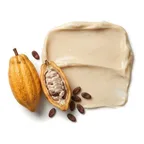 Theobroma Cacao Butter
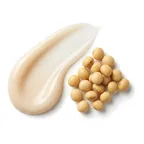 Hydrogenated Lecithin
 Tocopherol
Average
- HighNormal Skin Fit
- AverageEffectiveness
- HighSafety
Works for mature skin; other products fit it better.
This fit is calculated for the concerns frequently associated with mature skin: fine lines, wrinkles, and loss of firmness. For scores and recommendations based on your full skin profile, including your 12D face scan results and any goals or preferences you have, please use the Lovi app.
Updated How the Fit score works
Lovi Assistant explains
- Offers moderate benefits for your normal skin, as retinol and ergothioneine work to smooth fine lines and wrinkles, while squalane provides emollient action.
- The formula also includes tocopherol for antioxidant support, offering general skincare advantages that complement your primary concern.
- The product is safe for your normal skin, with no risks of irritation due to the absence of prohibited or harsh ingredients.
Buy online

Prices checked 20 Nov 2026
The Lovi Fit is the same in every country; only the stores and prices differ, and the ones here are for Europe.
Questions and answers
How well does Versed Press Restart Gentle Retinol Body Lotion work for mature skin?
This body lotion works moderately well for mature skin, as retinol and squalane help smooth fine lines while keeping the skin soft. To fit this skin type even better, a body lotion needs rich moisturizing ingredients along with soothing components and antioxidants for complete nourishment and anti-aging care.
Which ingredients make this lotion a good fit for mature skin?
Retinol and ergothioneine help smooth fine lines and wrinkles, while squalane leaves mature skin soft and smooth. To fit this skin type best, a body lotion also needs plenty of soothing and hydrating ingredients, peptides, and antioxidants.
What does Retinol do for mature skin?
Retinol is a strong fit for mature skin because it helps smooth out fine lines, reduce dark spots, and make skin look more firm and radiant. It works deep within the skin to boost collagen and thickness, though it may sometimes cause mild dryness or scaling when you first start using it.
What does Squalane do for mature skin?
Squalane helps mature skin by keeping it soft and smooth while protecting against sun-related damage and loss of firmness. It is unlikely to cause irritation and supports natural moisture barriers and collagen production. This skin type needs products with antioxidants, hydrators, and collagen-boosting ingredients to maintain elasticity.
Where does this lotion go in a skincare routine for mature skin?
Apply this body lotion as part of your routine to help smooth fine lines and keep your skin soft. Mature skin of this type needs rich moisturizers with ingredients like retinol and nourishing plant butters to firm up and improve overall texture.
Can I use this lotion with AHA, and in what order?
You can use this body lotion with AHA, but apply them at different times or days to keep your skin calm and avoid irritation. Mature skin needs a product of this type to include nourishing oils and barrier-supporting ingredients that keep skin soft while smoothing fine lines.
How often should I use this lotion?
You can use this body lotion daily to help smooth fine lines and keep your skin soft. This type of product for mature skin also needs richer moisturizing butters and antioxidants to deeply nourish and protect against aging.
Can this lotion clog pores, cause breakouts or purging for mature skin?
This lotion is unlikely to clog pores or cause breakouts for mature skin, as it has a safe formula without harsh ingredients. However, because it contains retinol, you may experience mild skin purging or dryness when you first start using it.
Is this lotion fragrance-free and alcohol-free?
Yes, it has no fragrance and no drying alcohol. Cetyl alcohol, cetearyl alcohol, and stearyl alcohol are fatty alcohols, which soften the skin.
What the research says
Topical application of retinol and retinoic acid both increased epidermal thickness and upregulated collagen genes and proteins in human skin, with retinol producing similar histological and molecular changes to retinoic acid alongside a significant reduction in facial wrinkles after 12 weeks.
Journal of Cosmetic Dermatology, 2016Topical bakuchiol 0.5% applied twice daily compared with retinol 0.5% applied daily significantly decreased wrinkle surface area and hyperpigmentation with no statistical difference between the compounds in 44 patients over 12 weeks, while retinol users reported more facial skin scaling and stinging.
The British Journal of Dermatology, 2019A topical serum containing vitamin C, vitamin E, and raspberry leaf cell culture extract improved skin color, elasticity, radiance, smoothness, scaliness, and wrinkles compared to the untreated contralateral side in fifty female volunteers.
Journal of Cosmetic Dermatology, 2020Lecithin-based nanoemulsions showed superior viability in human skin cells compared to SDS-based formulations, with components remaining in superficial stratum corneum layers indicating low skin irritation risk.
International Journal of Pharmaceutics, 2020Topical 0.3% and 1% retinol comparably improved biomarkers of cutaneous photoageing in photoaged volunteers, while 0.3% retinol demonstrated better tolerance with fewer and milder adverse events compared to 1% retinol in a daily escalation regimen.
International Journal of Cosmetic Science, 2022Daily application of 0.3% and 0.5% retinol serums in 37 volunteers over 12 weeks reduced skin hyperpigmentation, unevenness, and wrinkles on both sides of the face, with the 0.5% concentration causing more frequent and intense skin irritation.
Skin Pharmacology and Physiology, 2020Topical application of 0.1% retinol induced CRABP2 and HBEGF gene expression, increased keratinocyte proliferation and epidermal thickness ex vivo, and improved major skin aging signs without significant adverse reactions in 48 volunteers compared to placebo.
Skin Pharmacology and Physiology, 2009Application of fullerene-C60 dissolved in squalane cream twice daily for 8 weeks significantly enhanced skin moisture and reduced wrinkle formation compared to placebo in 23 Japanese women without severe side effects.
Journal of Nanoscience and Nanotechnology, 2010Squalane at 0.005-0.015% counteracts UVA-induced oxidative stress, inflammation, and collagen metabolism inhibition while stimulating fibroblast migration in human dermal fibroblasts.
Molecules, 2025Plant-derived squalane protected human dermal fibroblasts against UVA-induced damage by counteracting ROS formation, suppressing apoptosis-related proteins p53, caspase-3, caspase-9, and PARP, and restoring the pro-survival p-Akt/mTOR pathway.
Antioxidants, 2025A 4% nicotinamide-phospholipidic emulsion applied once daily resulted slightly superior to 1% topical clindamycin phosphate in global clinical improvement and compliance for acne treatment.
International Journal of Cosmetic Science, 2011A biphasic serum utilizing temporary lecithin-glycolate ion-pairing achieved a 4.19-fold higher epidermal glycolic acid delivery and a 45.52% greater exfoliation improvement in a 37-participant clinical study compared to conventional formulations.
Skin Research and Technology, 2026Soybean lecithin microemulsion gel showed a very low acute and low cumulative irritancy potential in human subjects, comparable to lecithin liposomes and the solvent isopropyl palmitate.
Skin Pharmacology, 1996A nighttime topical antioxidant containing resveratrol, baicalin, and vitamin E significantly improved fine lines, wrinkles, firmness, elasticity, laxity, hyperpigmentation, radiance, roughness, and dermal thickness in subjects with mild to moderately photodamaged skin over 12 weeks.
Journal of Drugs in Dermatology, 2014A topical antioxidant serum significantly reduced air pollution-induced skin pigmentation and proinflammatory gene expression ex vivo, and improved skin aging signs in 40 healthy adult females after 90 days of daily use.
Journal of Cosmetic Dermatology, 2022Tocopherol succinate-loaded ethosomal gel increased skin deposition, stability, moisture, and mechanical properties in 13 human subjects compared to a control gel over 12 weeks.
Journal of Cosmetic Dermatology, 2022
Ingredients
Water, Isopentyldiol, Jojoba Esters, Cetyl Alcohol, Cetearyl Alcohol, Stearyl Alcohol, Theobroma Cacao Seed Butter, Retinol, Squalane, Tocopherol, Caprylic Capric Triglyceride, Xanthan Gum, Cetearyl Glucoside, Hydroxyacetophenone, 1,2-Hexanediol, Caprylyl Glycol, Hydrogenated Lecithin, Polyglyceryl-10 Dioleate, Citric Acid, Sodium Gluconate, Glycine Soja Oil Soybean Oil, Polyglyceryl-10 Dipalmitate, Phenoxyethanol, Ergothioneine
Behind this fit score
Lovi calculates every fit score from the full ingredient list with brand-independent rules our dermatologists and cosmetic chemists build and review, and personalizes every pick with AI trained on the real results of millions of users. Lovi trains its fit score models on a proprietary dataset built from more than 10,000 expert-labeled products and more than 100,000 simulated examples, following an internally consistent methodology presented at Cosmoprof, AMWC, and Skin of Color Update.
-

Co-founder, Medical Director
Cosmetic chemist, cosmetologist, aesthetic products developer
-

Co-founder, CEO and CTO
PhD in computer science, 3x US patent holder, ex-Google, ex-Yandex
-

Dr. Sofía Perea Pérez, MD, MSc
Medical Board
Aesthetic medicine practitioner, MSc in Longevity and Anti-Aging Medicine
-

Medical Board
Specialist dermatologist, MBBS, MD, IFAAD
-

Medical Board
Cosmetic chemist, SCS, IFSCC member
-

Medical Board, Medical Advisor
Dermatology MD
-

Elina Nazarenko, MD
Medical Board
Dermatology and diagnostic consultant
-

Victoria Derkova, MS
Medical Board
Cosmetic chemist, cosmetic development technologist


How does it fit your skin?
Scan your face, then any product: Lovi shows how well it fits you and what fits even better.