
U Beauty THE SCULPT for oily acne-prone skin

 Glycerin
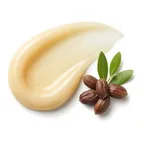 Jojoba Seed Oil
 Panthenol
Low
- AverageOily Skin Fit
- AverageEffectiveness
- HighSafety
A weak match for oily acne-prone skin; the moisturizers alongside fit it better.
This fit is calculated for the concerns frequently associated with oily acne-prone skin: shine, breakouts, blemishes, and enlarged pores. For scores and recommendations based on your full skin profile, including your 12D face scan results and any goals or preferences you have, please use the Lovi app.
Updated How the Fit score works
Lovi Assistant explains
- Offers moderate moisturizing for your oily skin, with glycerin and jojoba seed oil providing hydration and smoothing texture, but it lacks potent seboregulation for oiliness.
- While hyaluronic acid and ectoin offer supportive hydration for acne-prone skin, the formula does not contain targeted ingredients to effectively manage breakouts.
- The product is safe for your oily skin, as it avoids harsh ingredients and includes soothing components like ectoin and hyaluronic acid.
How to apply
- Use this AM and PM routine every day to help clear your skin. Always remember to finish with SPF in the morning.
- Apply the moisturizer after your cleanser and toner, right before your SPF during the day.
- Gently press a small amount into your skin and avoid rubbing to keep pores clear.
- Apply on clean, slightly damp skin to help the product absorb better and control oil.
- Avoid the sensitive eye area and do a simple patch test before your first use.
Questions and answers
Why is U Beauty The Sculpt Sculpt Arm Compound a weak match for oily acne-prone skin?
This product is a weak match because it lacks powerful oil-controlling ingredients and targeted breakout management for oily, acne-prone skin. A better product for this skin type needs balancing ingredients like niacinamide and lightweight hydrators that control oil and breakouts without clogging pores.
Clinical, Cosmetic and Investigational Dermatology, 2017Forschende Komplementarmedizin, 2012
Which ingredients make this treatment a poor fit for oily acne-prone skin?
This treatment is a weak match for your oily acne-prone skin because it lacks targeted ingredients to control excess oil and manage breakouts. A moisturizing treatment for this skin type needs ingredients like niacinamide and lightweight hydrators that balance oil and provide moisture without clogging pores.
What does Glycerin do for oily acne-prone skin?
Glycerin helps keep oily acne-prone skin hydrated while supporting the skin barrier to reduce irritation. It is very well tolerated and has a safe profile for daily use.
The British Journal of Dermatology, 2008International Journal of Toxicology, 2019
What does Jojoba Seed Oil do for oily acne-prone skin?
Jojoba seed oil helps calm oily, acne-prone skin and is unlikely to clog pores because its makeup closely matches your skin's natural oils. It helps reduce breakouts and keeps skin balanced while locking in moisture.
Forschende Komplementarmedizin, 2012International Journal of Pharmaceutics: X, 2023
Where does this treatment go in a skincare routine for oily acne-prone skin?
This treatment goes in the evening routine after cleansing and before moisturizing, though it is a weak fit for your skin. A product of this type needs targeted oil-controlling ingredients and blemish-fighting components to properly manage oily acne-prone skin.
Can I use this treatment with retinol, and in what order?
This treatment is safe to use with retinol, applying the treatment after your retinol has absorbed to help keep your skin comfortable and hydrated. A product of this type needs targeted acne-fighting ingredients like salicylic acid or oil-controlling components to properly manage oily acne-prone skin.
How often should I use this treatment?
This treatment is unlikely to give you the results you need, as this skin requires targeted acne-fighting ingredients and oil-balancing components to effectively manage breakouts.
Can this treatment clog pores, cause breakouts or purging for oily acne-prone skin?
This treatment is unlikely to cause purging, but it may lead to breakouts because the formula lacks targeted ingredients to effectively manage oiliness and acne. Oily acne-prone skin needs a product of this type that includes potent seboregulation and breakout-managing ingredients.
Can I use this treatment around the eyes or on my body?
This moisturizing treatment can be safely used on the body and around the eyes, as its gentle formula provides good hydration and smoothing benefits for delicate areas.
Is this treatment fragrance-free and alcohol-free?
Yes, it has no fragrance and no drying alcohol. Cetyl alcohol is a fatty alcohol, which soften the skin.
What the research says
A single application of a moisturizing fluid containing hyaluronic acid 1%, glycerin 5%, and Centella asiatica stem cells extract significantly increased skin hydration by 29% and reduced transepidermal water loss at 24 hours compared to baseline and an untreated control site in twenty healthy women.
Clinical, Cosmetic and Investigational Dermatology, 2017Clay jojoba oil facial masks reduced total skin lesions by a mean of 54% after 6 weeks in 133 participants with acne-prone, lesioned skin and mild acne compared to baseline.
Forschende Komplementarmedizin, 2012The emollient V0034CR significantly reduced TEWL compared to vehicle and vehicle plus glycerol, and significantly increased corneometry scores compared to vehicle and vehicle plus petrolatum in healthy volunteers with dry skin, demonstrating combined barrier function improvement from petrolatum and hydration improvement from glycerol.
Journal of Cosmetic Dermatology, 2020Ten days of treatment with a cream containing 20% glycerin significantly increased skin hydration measured by corneometer values in 17 healthy volunteers compared to a placebo cream, but showed no influence on transepidermal water loss or skin sensitivity to an irritating surfactant.
International Journal of Cosmetic Science, 2001Niacinamide/glycerin body moisturizers provided better rapid and prolonged improvement of cosmetic xerosis through functional improvement of stratum corneum barrier function compared to no treatment and conventional moisturizers in female subjects.
Journal of Drugs in Dermatology, 2012Topical formulations containing 3.75% glycerol and 1.25% hydrolyzed jojoba esters produced significantly lower evaporative TEWL values compared to glycerol alone at 8 and 24 hours posttreatment in human subjects.
Journal of Cosmetic Dermatology, 2008Topical application of 1.0% Lactobacillus ferment from jojoba cake significantly increased skin collagen fluorescence compared to baseline and placebo cream over 56 days in 46 individuals.
International Journal of Cosmetic Science, 2026Topical application of jojoba, almond, paraffin, and petrolatum oils on human skin increases free water and transforms water toward a weakly hydrogen-bonded state in the uppermost stratum corneum.
International Journal of Cosmetic Science, 2020Topical dexpanthenol formulated in lipophilic vehicles improved stratum corneum hydration and reduced transepidermal water loss compared to vehicle control in humans.
Arzneimittel-Forschung, 2000A combination serum containing galactomyces ferment filtrate, dexpanthenol, and Centella asiatica effectively treated post-acne hyperpigmentation in subjects with colored skin by significantly increasing lightness scores in Fitzpatrick skin type V and reducing the melanin index in Fitzpatrick skin type IV compared to placebo.
Skinmed, 2021Topical dexpanthenol acts as a moisturizer, improves stratum corneum hydration, accelerates wound healing and epidermal regeneration, reduces erythema, and improves symptoms of skin irritation compared to vehicle or no pretreatment.
American Journal of Clinical Dermatology, 2002
Ingredients
Water, Glycerin, C10-18 Triglycerides, Glyceryl Isostearate, Dimethicone, Polymethylsilsesquioxane, Panthenol, Glyceryl Behenate, Jojoba Seed Oil, Triisostearin, Caprylic Capric Triglyceride, Cetyl Alcohol, Glyceryl Stearate, Isohexadecane, Methyldihydrojasmonate, Squalane, Spilanthes Acmella Flower Extract, Porphyridium Cruentum Extract, Aesculus Hippocastanum Seed Extract, Tocopherol, Ascorbyl Palmitate, Sodium Ascorbyl Phosphate, Acetyl Hexapeptide-8, Ceramide Np, Linoleic Acid, Oleic Acid, Palmitic Acid, Acacia Decurrens Jojoba Sunflower Polyglyceryl-3 Esters Seed Cera, Stearic Acid, Ectoin, Glutathione, Superoxide Dismutase, Linolenic Acid, Sodium Acetylated Hyaluronate, Hyaluronic Acid, Sodium Hyaluronate Crosspolymer, Hydrolyzed Sodium Hyaluronate, Peg-75 Stearate, Hydroxypropyl Methylcellulose, Tapioca Starch, Pullulan, Ceteth-20, Steareth-20, Cetearyl Methicone, Peg-40 Stearate, Steareth-2, Steareth-21, Carbomer, Tetrasodium Glutamate Diacetate, Lecithin, Caprylyl Glycol, 1,2-Hexanediol, Polysorbate 20, Xanthan Gum, Pentylene Glycol, Sodium Hydroxide, Citric Acid, Ethylhexylglycerin, Phenoxyethanol, Sodium Benzoate
Behind this fit score
Lovi calculates every fit score from the full ingredient list with brand-independent rules our dermatologists and cosmetic chemists build and review, and personalizes every pick with AI trained on the real results of millions of users. Lovi trains its fit score models on a proprietary dataset built from more than 10,000 expert-labeled products and more than 100,000 simulated examples, following an internally consistent methodology presented at Cosmoprof, AMWC, and Skin of Color Update.
-

Co-founder, Medical Director
Cosmetic chemist, cosmetologist, aesthetic products developer
-

Co-founder, CEO and CTO
PhD in computer science, 3x US patent holder, ex-Google, ex-Yandex
-

Dr. Sofía Perea Pérez, MD, MSc
Medical Board
Aesthetic medicine practitioner, MSc in Longevity and Anti-Aging Medicine
-

Medical Board
Specialist dermatologist, MBBS, MD, IFAAD
-

Medical Board
Cosmetic chemist, SCS, IFSCC member
-

Medical Board, Medical Advisor
Dermatology MD
-

Elina Nazarenko, MD
Medical Board
Dermatology and diagnostic consultant
-

Victoria Derkova, MS
Medical Board
Cosmetic chemist, cosmetic development technologist


How does it fit your skin?
Scan your face, then any product: Lovi shows how well it fits you and what fits even better.