
True Botanicals Pure Radiance Oil for oily acne-prone skin

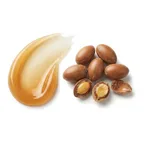 Argania Spinosa Kernel Oil Argan Kernel Oil
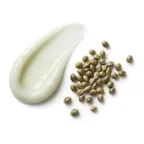 Cannabis Sativa Seed Oil
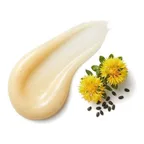 Carthamus Tinctorius Seed Oil
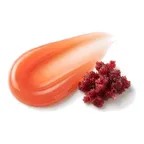 Astaxanthin Extract
 Squalane
Average
- AverageOily Skin Fit
- AverageEffectiveness
- HighSafety
Works for oily acne-prone skin; other moisturizers fit it better.
This fit is calculated for the concerns frequently associated with oily acne-prone skin: shine, breakouts, blemishes, and enlarged pores. For scores and recommendations based on your full skin profile, including your 12D face scan results and any goals or preferences you have, please use the Lovi app.
Updated How the Fit score works
Lovi Assistant explains
- Offers moderate moisturizing for your oily skin due to the presence of argan oil and sunflower seed oil, which hydrate and enhance barrier resilience without causing irritation.
- While it provides general skincare benefits, it lacks specialized ingredients to effectively address your acne, blemishes, and breakouts, or oiliness.
- The safety profile is excellent, with no risks of irritation for your oily skin due to the absence of harsh ingredients and the presence of soothing extracts like Astaxanthin and Algae Extract.
How to apply
- Use this AM and PM routine every day to help clear your skin. Always remember to finish with SPF in the morning.
- Apply the moisturizer after your cleanser and toner, right before your SPF during the day.
- Gently press a small amount into your skin and avoid rubbing to keep pores clear.
- Apply on clean, slightly damp skin to help the product absorb better and control oil.
- Avoid the sensitive eye area and do a simple patch test before your first use.
People Say
★4.6Overall rating based on 2.8k+ reviewsBased on a very large amount of data, this facial oil is highly praised for its ability to deeply hydrate and impart a radiant, youthful glow to dry and aging skin without feeling greasy. Many users appreciate its clean, plant-based formulation and aromatherapy-like scent. However, some find the luxury price point and specific earthy fragrance to be polarizing factors.
Highlights
Provides healthy glow Mostly Mentioned
- “gives a beautiful, bright, smooth skin”
- “imparts a little glow”
- “my skin really does look more glowy”
Deeply hydrates skin Often Mentioned
- “deeply hydrates without feeling heavy”
- “skin feels very hydrated”
- “nourishes and replenishes”
Quickly absorbs Often Mentioned
- “absorbs into my skin quickly”
- “gets absorbed so quickly”
- “does not leave a greasy look”
High price point Often Mentioned
- “it is expensive”
- “not exactly a bargain”
- “hefty price”
Clean, safe ingredients Sometimes Noted
- “made without toxins”
- “certified MADE SAFE”
- “clean, purposeful formulation”
Polarizing scent Sometimes Noted
- “not particularly fond of the... earthy scent”
- “scent is something I sort of wish came in a perfume”
Inconvenient packaging Rarely Noted
- “don't care for the dropper application”
- “inconvenient”
May clog pores Rarely Noted
- “can really settle into my pores”
- “avoid my nose and chin”
- “feedback on breakouts is mixed”
Sources: lovi.care, truebotanicals.com, influenster.com, youtube.com, cherylshops.net, bonnieaunchman.com, and more
Questions and answers
How well does True Botanicals Pure Radiance Oil work for oily acne-prone skin?
This oil works moderately well for oily skin, providing balanced hydration and a very safe experience without irritation, though it lacks targeted ingredients for breakouts and excess oiliness. Oily acne-prone skin needs lightweight, non-clogging products with specialized blemish-fighting ingredients and oil-balancing agents.
Which ingredients make this oil a good fit for oily acne-prone skin?
Argan oil and sunflower seed oil make this oil a good fit for oily skin by hydrating and protecting your skin without causing irritation. However, a product of this type needs specialized ingredients to clear blemishes and breakouts, along with lightweight textures and no heavy oils to keep your complexion clear.
What does Argan Oil do for oily acne-prone skin?
Argan oil helps hydrate and balance oily, acne-prone skin while soothing breakouts. It is unlikely to clog pores and may improve skin barrier function, but acne-prone skin generally needs lightweight plant oils with a higher ratio of linoleic acid to oleic acid.
Nutrients, 2024American Journal of Clinical Dermatology, 2018
What does Hemp Seed Oil do for oily acne-prone skin?
Hemp seed oil helps calm oily, acne-prone skin by reducing extra oil and keeping redness down. It is unlikely to clog pores and may support a clear, smooth look.
PloS One, 2018Pakistan Journal of Pharmaceutical Sciences, 2015
Where does it go in a skincare routine for oily acne-prone skin?
True Botanicals Pure Radiance Oil goes in the treatment step in your evening routine. It is unlikely to irritate your oily skin, but to truly care for acne and oiliness, this skin type needs specialized ingredients that target breakouts and blemishes.
Can I use this oil with retinol, and in what order?
You can use this oil with retinol by applying it after your retinol treatment to help lock in moisture and keep your skin calm. A product of this type for oily acne-prone skin needs lightweight hydration and ingredients that clear breakouts and balance oil.
How often should I use it?
True Botanicals Pure Radiance Oil works well as an evening treatment step in your routine, helping hydrate your skin safely without causing irritation. Oily acne-prone skin needs a moisturizing treatment that also targets breakouts and excess oil.
Can this oil clog pores, cause breakouts or purging for oily acne-prone skin?
This oil is unlikely to clog pores or irritate your skin because it lacks harsh ingredients, but reviewers note a low likelihood that it may clog pores. Because it lacks specialized ingredients to address breakouts and oiliness, an oily acne-prone skin needs a product with targeted blemish-fighting ingredients and oil-balancing components.
Can I use it around the eyes or on my body?
This oil is safe to use around the eyes and on the body because it has a very gentle formula with soothing extracts that do not irritate sensitive areas. However, this skin type needs targeted ingredients that clear breakouts and control extra oil, which this product does not provide.
What the research says
Topical application of an argan oil NLC-based hydrogel formulation increased skin hydration in healthy volunteers over a one-month period through a synergistic effect of NLC occlusion and argan oil hydration.
International Journal of Nanomedicine, 2014Combining oral and topical astaxanthin in 30 healthy females improved skin wrinkles, age spots, elasticity, texture, and moisture, while 6 mg daily oral supplementation in 36 healthy males improved crow's feet wrinkles, elasticity, and transepidermal water loss.
Acta Biochimica Polonica, 2012Astaxanthin-loaded polyhydroxybutyrate microbeads achieved 98.1% encapsulation efficiency with sustained release, reduced degradation by 2-fold compared to unencapsulated astaxanthin, and showed no cytotoxicity or skin irritation in human cells and tests.
International Journal of Biological Macromolecules, 2024Twice-daily application of a novel topical antioxidant formulation safe, well-tolerated, and effective in improving overall skin quality, fine lines, wrinkles, radiance, and hyperpigmentation in 32 healthy female subjects over 12 weeks.
Journal of Cosmetic Dermatology, 2023Incorporating allantoin into argan oil enriched liposomes improved its accumulation in the dermis (~8.7μg/cm(2)) and permeation through the skin (~33μg/cm(2)) compared to conventional liposomes, water dispersion, and a commercial gel.
International Journal of Pharmaceutics, 2016Cutaneous safflower oil decreased the triene:tetraene ratio from 0.5 to 0.2 and significantly increased linoleic and arachidonic acid levels in five patients on home parenteral nutrition.
The American Journal of Clinical Nutrition, 1987Astaxanthin prevents UV-induced cutaneous inflammation, abnormal keratinization, wrinkling, and pigmentation in human skin even when applied postirradiation.
Photochemistry and Photobiology, 2019Topical astaxanthin-loaded algae extract hydrogel and lipogel formulations exhibited the highest antioxidant activity and successful in vitro release, suggesting their potential as anti-aging formulations.
Journal of Cosmetic Dermatology, 2019Astaxanthin at concentrations of 4-8 microM significantly attenuated the UVA-induced up-regulation of matrix-metalloproteinase-1 and skin fibroblast elastase expression at the gene, protein, and activity levels in cultured human dermal fibroblasts compared to UVA exposure alone.
Journal of Dermatological Science, 2010Application of fullerene-C60 dissolved in squalane cream twice daily for 8 weeks significantly enhanced skin moisture and reduced wrinkle formation compared to placebo in 23 Japanese women without severe side effects.
Journal of Nanoscience and Nanotechnology, 2010Squalane at 0.005-0.015% counteracts UVA-induced oxidative stress, inflammation, and collagen metabolism inhibition while stimulating fibroblast migration in human dermal fibroblasts.
Molecules, 2025Plant-derived squalane protected human dermal fibroblasts against UVA-induced damage by counteracting ROS formation, suppressing apoptosis-related proteins p53, caspase-3, caspase-9, and PARP, and restoring the pro-survival p-Akt/mTOR pathway.
Antioxidants, 2025
Why other moisturizers fit oily acne-prone skin better
Co-delivery of paeonol and madecassoside via nanoemulsions improved transdermal delivery, promoted barrier repair proteins, inhibited inflammatory cytokine secretion in cellular and 3D models, and reduced transepidermal water loss and acne in human facial skin compared to free components.
Molecules, 2023
Ingredients
Argania Spinosa Kernel Oil Argan Kernel Oil, Borago Officinalis Seed Oil, Cannabis Sativa Seed Oil, Carthamus Tinctorius Seed Oil, Watermelon Seed Oil, Crambe Abyssinica Seed Oil, Pumpkin Seed Oil, Cupressus Sempervirens Oil, Astaxanthin Extract, Helianthus Annuus Seed Oil Sunflower Seed Oil, Helichrysum Italicum Oil Flower, Lavandula Hybrida Oil Lavender Oil, Limonene, Linalool, Nannochloropsis Oculata Extract Algae Extract, Nigella Sativa Seed Extract, Olea Europaea Oil Fruit Olive Oil Fruit, Persea Gratissima Oil Avocado Oil, Porphyra Umbilicalis Extract Red Algae Extract, Rosmarinus Officinalis Extract Rosemary Extract, Rubus Idaeus Seed Oil Raspberry Seed Oil, Santalum Paniculatum Oil Wood Sandalwood Oil Wood, Sesamum Indicum Seed Oil, Silybum Marianum Milk Seed Oil, Jojoba Seed Oil, Squalane, Tarchonanthus Camphoratus Oil, Tocopherol, Cranberry Seed Oil, Vitis Vinifera Seed Oil Grape Seed Oil
Behind this fit score
Lovi calculates every fit score from the full ingredient list with brand-independent rules our dermatologists and cosmetic chemists build and review, and personalizes every pick with AI trained on the real results of millions of users. Lovi trains its fit score models on a proprietary dataset built from more than 10,000 expert-labeled products and more than 100,000 simulated examples, following an internally consistent methodology presented at Cosmoprof, AMWC, and Skin of Color Update.
-

Co-founder, Medical Director
Cosmetic chemist, cosmetologist, aesthetic products developer
-

Co-founder, CEO and CTO
PhD in computer science, 3x US patent holder, ex-Google, ex-Yandex
-

Dr. Sofía Perea Pérez, MD, MSc
Medical Board
Aesthetic medicine practitioner, MSc in Longevity and Anti-Aging Medicine
-

Medical Board
Specialist dermatologist, MBBS, MD, IFAAD
-

Medical Board
Cosmetic chemist, SCS, IFSCC member
-

Medical Board, Medical Advisor
Dermatology MD
-

Elina Nazarenko, MD
Medical Board
Dermatology and diagnostic consultant
-

Victoria Derkova, MS
Medical Board
Cosmetic chemist, cosmetic development technologist


How does it fit your skin?
Scan your face, then any product: Lovi shows how well it fits you and what fits even better.