
The Ordinary Soothing & Barrier Support Serum for acne-prone skin

 Niacinamide
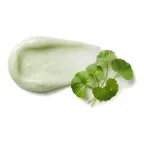 Asiaticoside, madecassic acid
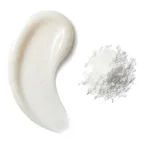 Sphingolipids
High
- HighCombination Skin Fit
- HighEffectiveness
- HighSafety
A great choice for acne-prone skin; a few serums fit it even better.
This fit is calculated for the concerns frequently associated with acne-prone skin: breakouts, blackheads, and post-acne marks. For scores and recommendations based on your full skin profile, including your 12D face scan results and any goals or preferences you have, please use the Lovi app.
Updated How the Fit score works
Lovi Assistant explains
- This serum offers excellent support for your combination skin and acne concerns, as niacinamide helps regulate oil production and reduce inflammation, while madecassoside aids in calming breakouts.
- The inclusion of ethyl linoleate and bisabolol further enhances skin barrier resilience, which is beneficial for combination skin types prone to irritation.
- The product is safe for your acne-prone skin, featuring soothing ingredients and avoiding harsh or prohibited substances.
Buy online


Prices checked 20 Nov 2026
The Lovi Fit is the same in every country; only the stores and prices differ, and the ones here are for Europe.
How to apply
- Use your serum as part of your PM routine and start 3x/week before working up to daily use.
- Apply this treatment after cleansing and toner, and before your moisturizer.
- Gently press 2-3 drops of the serum into your skin and let it absorb for a minute.
- Apply the product on clean, dry skin to help manage your breakouts safely.
- Avoid the eye area and do a patch test before your first use.
People Say
★4.4Overall rating based on 2.0k+ reviewsBased on a very large amount of data, this serum is widely praised for its ability to rapidly repair damaged skin barriers, hydrate dry patches, and reduce redness, leaving a glowy finish.
Highlights
Hydrating and plumping Often Mentioned
- “skin felt plumped”
- “super hydrated”
- “boost in hydration”
Reduces redness Often Mentioned
- “calmed down my skin”
- “rashes subsided instantaneously”
- “reduced look of redness”
Repairs skin barrier Often Mentioned
- “heals damaged barrier”
- “skin feels stronger”
- “soothed irritation”
Glowy finish Sometimes Noted
- “gives a nice glow”
- “dewy finish”
- “glass skin effect”
Good absorption Sometimes Noted
- “absorbs pretty fast”
- “not sticky”
- “silky feel”
Causes breakouts Sometimes Noted
- “small pustules all over”
- “caused tiny whiteheads”
- “broke me out”
Ineffective for some Rarely Noted
- “didn't notice a difference”
- “no reduction in redness”
- “did nothing”
Packaging complaints Rarely Noted
- “dropper is messy”
- “prefer a pump”
- “hard to apply”
Texture issues Rarely Noted
- “sticky on application”
- “gloopy texture”
- “pilling under makeup”
Unpleasant smell Rarely Noted
- “smells like yeast”
- “whiff of cardboard”
- “smells like beeswax”
Sources: lovi.care, ulta.com, theordinary.com, sephora.com, reddit.com, independent.co.uk, and more
Questions and answers
What makes The Ordinary Soothing & Barrier Support Serum a great fit for acne-prone skin?
This serum is a great fit because niacinamide helps regulate oil and calm redness, while madecassic acid and asiaticoside soothe breakouts. It also includes ethyl linoleate, which helps improve skin clarity and resilience.
The British Journal of Dermatology, 2007JID Innovations, 2023
Which ingredients make this serum a good fit for acne-prone skin?
This serum is a great fit for your acne-prone skin because niacinamide helps regulate oil, while madecassoside and bisabolol calm breakouts and irritation. Ethyl linoleate also supports skin barrier resilience and may help reduce blemishes.
The British Journal of Dermatology, 2007JID Innovations, 2023
What does Niacinamide do for acne-prone skin?
Niacinamide helps control acne-prone skin by reducing pimples and balancing oil production. It is well tolerated and may also help calm redness and improve overall skin texture in acne-prone skin.
International Journal of Dermatology, 2013Journal of Cosmetic Dermatology, 2024
What does Asiaticoside do for acne-prone skin?
Asiaticoside helps manage acne-prone skin by soothing redness and supporting skin recovery with a very low likelihood of irritation. This ingredient works well to calm the skin and improve overall clarity.
International Journal of Nanomedicine, 2021Evidence-based Complementary and Alternative Medicine, 2021
Where does this serum go in a skincare routine for acne-prone skin?
This treatment serum goes in your evening routine, applied after cleansing and before your moisturizer. Using it at night helps keep your skin calm and supports your skin barrier while avoiding extra sensitivity during the day.
Can I use this serum with retinol, and in what order?
Yes, you can use this serum with retinol by applying the serum first to help calm your skin and build barrier resilience, followed by your retinol. This product is a great fit for acne-prone skin because niacinamide helps control oil and soothe breakouts while avoiding harsh ingredients.
Journal of Cosmetic Dermatology, 2024The British Journal of Dermatology, 2007
How often should I use this serum?
This serum fits your acne-prone skin very well and is used in the evening as part of your routine. It helps calm breakouts, reduce inflammation, and strengthen your skin barrier while keeping your skin safe and comfortable.
The British Journal of Dermatology, 2007Dermatologic Surgery, 2013
Can this serum clog pores, cause breakouts or purging for acne-prone skin?
This serum is a great fit for your acne-prone skin, as niacinamide helps control oil and calming ingredients like madecassoside soothe breakouts. However, some reviewers do experience breakouts, so it may not work for everyone.
The British Journal of Dermatology, 2007JID Innovations, 2023
Is this serum fragrance-free and alcohol-free?
It has no drying alcohol and contains fragrance (benzyl alcohol). Cetearyl alcohol is a fatty alcohol, which soften the skin.
What the research says
Bakuchiol and ethyl (linoleate/oleate) synergistically inhibit eCB degradation to favor eCB mobilization and repress inflammatory mediators in keratinocytes.
JID Innovations, 2023Treatment with a bioactive complex of Panthenyl triacetate and Ethyl linoleate at 3% protected human skin biopsies against UV-induced protein oxidation by 72% with pre-treatment and 78% with post-treatment, while also stimulating the expression of protein repairing enzymes compared to UV-irradiated controls.
International Journal of Cosmetic Science, 2010A lotion containing triethyl citrate and ethyl linoleate reduced Leeds grading, total, inflammatory, and noninflammatory lesion counts, and sebum production compared with a placebo in patients with mild to moderate acne.
The British Journal of Dermatology, 2007A combined chemo-exfoliation and home therapy regimen reduced the average GAGS score by 49% in 53 patients with moderate facial acne.
Dermatologic Surgery, 2013Topical nicotinamide prevented solar-simulated UV-induced immunosuppression in healthy volunteers, and men experienced immunosuppression at solar-simulated UV doses three times lower than those required for women.
The Journal of Investigative Dermatology, 2008Topical 5% niacinamide applied twice daily for 12 weeks reduced fine lines and wrinkles, hyperpigmented spots, red blotchiness, and skin sallowness, and improved skin elasticity compared to vehicle control in 50 female white subjects with facial photoaging.
Dermatologic Surgery, 2005Topical 2% niacinamide significantly decreased sebum excretion rate in Japanese individuals and casual sebum levels in Caucasian individuals compared to placebo or baseline.
Journal of Cosmetic and Laser Therapy, 2006A single application of a moisturizing fluid containing hyaluronic acid 1%, glycerin 5%, and Centella asiatica stem cells extract significantly increased skin hydration by 29% and reduced transepidermal water loss at 24 hours compared to baseline and an untreated control site in twenty healthy women.
Clinical, Cosmetic and Investigational Dermatology, 2017Topical treatment with 5% vitamin C and 0.1% madecassoside significantly improved clinical scores for wrinkles, suppleness, firmness, roughness, and skin hydration, along with functional and structural remodeling of the elastic fiber network in 20 female volunteers with photoaged skin after 6 months compared to baseline.
Experimental Dermatology, 2008Treatment with an asiaticoside-containing cream applied twice daily for 12 weeks significantly improved periorbital wrinkles in 65% of 27 female volunteers compared to a vehicle control cream.
International Journal of Cosmetic Science, 2008Ceramide and niacinamide-containing moisturizer combined with anti-acne treatment significantly improved non-inflammatory, inflammatory, and total acne lesions compared to hydrophilic cream in 40 patients with mild to moderate acne vulgaris after 8 weeks.
Journal of Cosmetic Dermatology, 2024Topical application of a pseudo-ceramide-containing spray improved stratum corneum water content, transepidermal water loss, cell area, and scaling score, and normalized the ceramide profile in patients with dry and sensitive skin compared to a control spray.
Journal of Cosmetic Dermatology, 2025
Ingredients
Water, Propanediol, Isodecyl Neopentanoate, Pentylene Glycol, Niacinamide, Hexyldecanol, Cetearyl Alcohol, Xylitylglucoside, Ceteth-20 Phosphate, Anhydroxylitol, Ethyl Linoleate, Asiaticoside, Asiatic Acid, Madecassic Acid, Naringenin, Cyanocobalamin, Panthenyl Triacetate, 4-T-Butylcyclohexanol, Hydroxyphenyl Propamidobenzoic Acid, Cetylhydroxyproline Palmitamide, Bisabolol, Brassica Campestris Sterols, Sphingolipids, Epigallocatechin Gallatyl Glucoside, Gallyl Glucoside, Propyl Gallate, Xylitol, Zingiber Officinale Root Extract, Stearic Acid, Dicetyl Phosphate, Isoceteth-20, Xanthan Gum, Trisodium Ethylenediamine Disuccinate, Tocopherol, Dehydroacetic Acid, P-Anisic Acid, Phytic Acid, Sodium Phytate, Sodium Citrate, Sodium Hydroxide, Benzyl Alcohol, Ethylhexylglycerin, Phenoxyethanol, Chlorphenesin
Behind this fit score
Lovi calculates every fit score from the full ingredient list with brand-independent rules our dermatologists and cosmetic chemists build and review, and personalizes every pick with AI trained on the real results of millions of users. Lovi trains its fit score models on a proprietary dataset built from more than 10,000 expert-labeled products and more than 100,000 simulated examples, following an internally consistent methodology presented at Cosmoprof, AMWC, and Skin of Color Update.
-

Co-founder, Medical Director
Cosmetic chemist, cosmetologist, aesthetic products developer
-

Co-founder, CEO and CTO
PhD in computer science, 3x US patent holder, ex-Google, ex-Yandex
-

Dr. Sofía Perea Pérez, MD, MSc
Medical Board
Aesthetic medicine practitioner, MSc in Longevity and Anti-Aging Medicine
-

Medical Board
Specialist dermatologist, MBBS, MD, IFAAD
-

Medical Board
Cosmetic chemist, SCS, IFSCC member
-

Medical Board, Medical Advisor
Dermatology MD
-

Elina Nazarenko, MD
Medical Board
Dermatology and diagnostic consultant
-

Victoria Derkova, MS
Medical Board
Cosmetic chemist, cosmetic development technologist


How does it fit your skin?
Scan your face, then any product: Lovi shows how well it fits you and what fits even better.