
Tatcha The Silk Serum for oily acne-prone skin

 Squalane
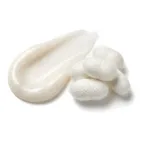 Hydrolyzed Silk
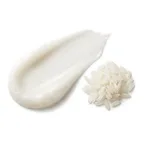 Saccharomyces Rice Ferment Filtrate
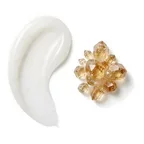 Tetrapeptide-4
 Glycerin
Average
- AverageOily Skin Fit
- AverageEffectiveness
- HighSafety
Works for oily acne-prone skin; other serums fit it better.
This fit is calculated for the concerns frequently associated with oily acne-prone skin: shine, breakouts, blemishes, and enlarged pores. For scores and recommendations based on your full skin profile, including your 12D face scan results and any goals or preferences you have, please use the Lovi app.
Updated How the Fit score works
Lovi Assistant explains
- Offers moderate suitability for your oily skin due to the presence of Glycerin and Betaine for humectant action, but lacks strong seboregulating ingredients to address oiliness or shiny skin.
- The product provides excellent skin smoothing and plumping benefits from hydrolyzed silk and tetrapeptide-4, which improve elasticity and reduce the appearance of fine lines, though these are not primary concerns for your acne, blemishes, and breakouts.
- The safety profile is excellent, with no risks of irritation for your oily skin due to the absence of prohibited or harsh ingredients.
How to apply
- Could be used as part of your PM routine. Start 3 times a week and build up to daily use if your skin tolerates it well.
- Apply your serum after cleansing and toning, but before putting on your moisturizer.
- Gently press 2 to 3 drops of the serum into your skin and let it absorb for a minute.
- Apply the serum on clean, dry skin to help manage your blemishes safely.
- Do a patch test before your first use and avoid the delicate eye area.
People Say
★4.6Overall rating based on 1.2k+ reviewsBased on a very large amount of data, users with sensitive or reactive skin find this serum to be a gentle, hydrating option that smooths texture and calms redness without causing irritation. Many reviewers, however, feel the high price is not justified by the subtle or slow-to-manifest anti-aging results compared to traditional retinoids.
Highlights
Improves skin texture Mostly Mentioned
- “skin feels silky”
- “softens rough patches”
- “smooths uneven tone”
Gentle retinol alternative Often Mentioned
- “effective for sensitive skin”
- “no "purge" phase”
Hydrating and plumping Often Mentioned
- “instantly boosts moisture”
- “leaves dewy finish”
- “plumps fine lines”
High price point Often Mentioned
- “expensive for size”
- “low value for money”
Luxurious experience Sometimes Noted
- “lightweight milky texture”
- “absorbs quickly”
- “spa-like scent”
Soothing properties Sometimes Noted
- “calms visible redness”
- “reduces irritation”
- “comforts barrier”
Lack of potency Sometimes Noted
- “results are subtle”
- “not as effective as retinol”
- “no change in deep wrinkles”
Strong fragrance Sometimes Noted
- “scent is overpowering”
- “smells like perfume”
- “irritates sensitive noses”
Packaging issues Rarely Noted
- “pump malfunctions”
- “opaque bottle hides level”
- “heavy/bulky component”
Skin reactions Rarely Noted
- “caused breakouts”
- “clogged pores”
- “triggered rash”
Sources: lovi.care, tatcha.com, sephora.com, ulta.com, spacenk.com, mecca.com, and more
Questions and answers
How well does Tatcha The Silk Serum work for oily acne-prone skin?
Tatcha The Silk Serum works moderately well for oily acne-prone skin, as it offers balanced hydration through glycerin and betaine while lacking strong oil-control ingredients to address shine. A product of this type needs effective ingredients like niacinamide, propolis, or vitamin C to control excess oil and target blemishes without irritation.
Clinical, Cosmetic and Investigational Dermatology, 2017Skin Research and Technology, 2003
Which ingredients make this serum a good fit for oily acne-prone skin?
This serum works for your oily acne-prone skin because it contains glycerin and betaine to hydrate without feeling heavy. To be a better fit for this skin type, a product of this type needs ingredients like niacinamide, propolis, or vitamin C to control excess oil and target breakouts.
Clinical, Cosmetic and Investigational Dermatology, 2017Skin Research and Technology, 2003
What does Squalane do for oily acne-prone skin?
Squalane helps keep oily skin soft and smooth, but unrefined or unstable forms may sometimes trigger breakouts by reacting with skin oils. For acne-prone skin, this type of product needs lightweight, non-clogging ingredients that balance moisture without heavy oils.
What does Hydrolyzed Silk do for oily acne-prone skin?
Hydrolyzed silk helps keep oily acne-prone skin calm and balanced while supporting moisture levels without clogging pores. It has a safe profile for daily use and is unlikely to cause skin irritation.
Frontiers in Chemistry, 2022International Journal of Toxicology, 2020
Where does it go in a skincare routine for oily acne-prone skin?
This treatment goes in your evening routine after cleansing and toning, and before moisturizing. Oily acne-prone skin needs a product of this type that also brings strong seboregulating ingredients to help control oiliness and breakouts.
Can I use this serum with retinol, and in what order?
You can use this serum with your retinol by applying the serum first and following it with your retinol. Because this product works moderately for your oily skin without controlling shine, an oily skin routine also needs oil-controlling ingredients like salicylic acid or niacinamide to help manage breakouts.
How often should I use it?
You can use this treatment in the evening as part of your routine. Oily acne-prone skin needs a product of this type that also includes ingredients to control oil and breakouts.
Can this serum clog pores, cause breakouts or purging for oily acne-prone skin?
This serum is unlikely to clog pores or cause breakouts on oily skin, as it has a very safe formula with no harsh or irritating ingredients. However, to truly care for oily and acne-prone skin, a product of this type needs oil-controlling ingredients that help reduce excess shine and manage breakouts.
What the research says
A single application of a moisturizing fluid containing hyaluronic acid 1%, glycerin 5%, and Centella asiatica stem cells extract significantly increased skin hydration by 29% and reduced transepidermal water loss at 24 hours compared to baseline and an untreated control site in twenty healthy women.
Clinical, Cosmetic and Investigational Dermatology, 2017A combination of Aloe barbadensis leaf extract and trimethylglycine in a 1:1 mass ratio synergistically increased aquaporin 3 expression by up to 380% in keratinocytes and safely improved skin hydration in healthy volunteers.
Molecules, 2024Soaps containing betaine caused the least skin irritation compared to other tested soaps in twenty-eight healthy subjects, though irritation did not decrease with increasing concentrations of betaine.
Skin Research and Technology, 2003Application of fullerene-C60 dissolved in squalane cream twice daily for 8 weeks significantly enhanced skin moisture and reduced wrinkle formation compared to placebo in 23 Japanese women without severe side effects.
Journal of Nanoscience and Nanotechnology, 2010Squalane at 0.005-0.015% counteracts UVA-induced oxidative stress, inflammation, and collagen metabolism inhibition while stimulating fibroblast migration in human dermal fibroblasts.
Molecules, 2025Plant-derived squalane protected human dermal fibroblasts against UVA-induced damage by counteracting ROS formation, suppressing apoptosis-related proteins p53, caspase-3, caspase-9, and PARP, and restoring the pro-survival p-Akt/mTOR pathway.
Antioxidants, 2025Topical application of sericin gels increased skin intrinsic moisturization, hydroxyproline content, and epidermal hydration while decreasing transepidermal water loss and skin impedance in healthy human volunteers.
Journal of Cosmetic Dermatology, 2005Silk protein sericin from the non-mulberry tropical tasar silkworm offers protection against hydrogen peroxide-induced oxidative stress in skin fibroblasts, restoring cell viability and lowering catalase, lactate dehydrogenase, and malondialdehyde activity compared to untreated cells.
BMB Reports, 2008Silk sericin treatment protected human keratinocytes and female SKH-1 hairless mouse skin from UVA and UVB radiation-induced damage by enhancing cell viability, reducing apoptosis, downregulating inflammatory cytokines, and decreasing oxidative stress compared to irradiated controls.
ACS Applied Bio Materials, 2018Daily application of a cream containing niosomes loaded with purple glutinous rice extract in 20 human volunteers for 28 days resulted in a significant decrease in melanin index and skin roughness by -14.05% and -9.95%, and increases in skin hydration and elastic recovery by +48.73% and +35.98% compared to initial values.
International Journal of Cosmetic Science, 2020The iontophoretic delivery of hyaluronic acid nanogel-loaded Saccharomyces/Rice Ferment Filtrate significantly reduced advanced glycation end products and mitigated skin stiffening in an ex vivo skin tissue glycation model.
International Journal of Nanomedicine, 2025Black rice extract treatment downregulated MMP-1 and MMP-3 expression, increased type I procollagen expression, and reduced reactive oxygen species production in ultraviolet-irradiated HaCaT and human dermal fibroblast skin cells.
International Journal of Molecular Medicine, 2018The emollient V0034CR significantly reduced TEWL compared to vehicle and vehicle plus glycerol, and significantly increased corneometry scores compared to vehicle and vehicle plus petrolatum in healthy volunteers with dry skin, demonstrating combined barrier function improvement from petrolatum and hydration improvement from glycerol.
Journal of Cosmetic Dermatology, 2020Ten days of treatment with a cream containing 20% glycerin significantly increased skin hydration measured by corneometer values in 17 healthy volunteers compared to a placebo cream, but showed no influence on transepidermal water loss or skin sensitivity to an irritating surfactant.
International Journal of Cosmetic Science, 2001Niacinamide/glycerin body moisturizers provided better rapid and prolonged improvement of cosmetic xerosis through functional improvement of stratum corneum barrier function compared to no treatment and conventional moisturizers in female subjects.
Journal of Drugs in Dermatology, 2012
Why other serums fit oily acne-prone skin better
Co-delivery of paeonol and madecassoside via nanoemulsions improved transdermal delivery, promoted barrier repair proteins, inhibited inflammatory cytokine secretion in cellular and 3D models, and reduced transepidermal water loss and acne in human facial skin compared to free components.
Molecules, 2023
Ingredients
Water, Saccharomyces Rice Ferment Filtrate, Glycerin, Betaine, Pentylene Glycol, Caprylic Capric Triglyceride, Propanediol, Cranberry Fruit Extract, Crithmum Maritimum Extract, Camellia Sinensis Leaf Extract, Cladosiphon Okamuranus Extract, Squalane, Sericin, Morus Alba Leaf Extract, Hydrolyzed Silk, Carthamus Tinctorius Seed Oil, Tetrapeptide-4, Polyglyceryl-10 Stearate, Diglucosyl Gallic Acid, Helianthus Annuus Seed Oil Sunflower Seed Oil, Hydrolyzed Conchiolin Protein, Caprylyl Glycol, Acrylates C10-30 Alkyl Acrylate Crosspolymer, Prunus Amygdalus Dulcis Oil, Bergamot Oil Fruit, Lemon Peel Oil, Citrus Latifolia Peel Oil, Lavandula Angustifolia Oil Lavender Oil, Ocimum Basilicum Oil, Eucalyptus Globulus Oil Leaf, Juniperus Virginiana Oil, Amyris Balsamifera Oil Bark, 1,2-Hexanediol, Butylene Glycol, Sodium Citrate, Citric Acid, Disodium Edta, Potassium Hydroxide, Synthetic Fluorphlogopite, Tin Oxide, Citral, Limonene, Linalool, Ethylhexylglycerin, Phenoxyethanol, Titanium Dioxide Ci 77891
Behind this fit score
Lovi calculates every fit score from the full ingredient list with brand-independent rules our dermatologists and cosmetic chemists build and review, and personalizes every pick with AI trained on the real results of millions of users. Lovi trains its fit score models on a proprietary dataset built from more than 10,000 expert-labeled products and more than 100,000 simulated examples, following an internally consistent methodology presented at Cosmoprof, AMWC, and Skin of Color Update.
-

Co-founder, Medical Director
Cosmetic chemist, cosmetologist, aesthetic products developer
-

Co-founder, CEO and CTO
PhD in computer science, 3x US patent holder, ex-Google, ex-Yandex
-

Dr. Sofía Perea Pérez, MD, MSc
Medical Board
Aesthetic medicine practitioner, MSc in Longevity and Anti-Aging Medicine
-

Medical Board
Specialist dermatologist, MBBS, MD, IFAAD
-

Medical Board
Cosmetic chemist, SCS, IFSCC member
-

Medical Board, Medical Advisor
Dermatology MD
-

Elina Nazarenko, MD
Medical Board
Dermatology and diagnostic consultant
-

Victoria Derkova, MS
Medical Board
Cosmetic chemist, cosmetic development technologist


How does it fit your skin?
Scan your face, then any product: Lovi shows how well it fits you and what fits even better.