
Tatcha The Rice Polish: Deep for dry sensitive skin

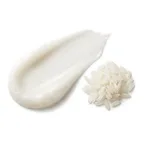 Rice Enzyme Powder
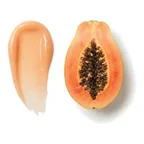 Papain
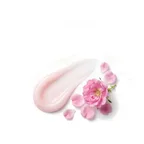 Rosa Multiflora Fruit Extract
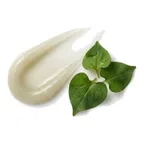 Houttuynia Cordata Extract
 Microcrystalline Cellulose
Low
- LowDry Skin Fit
- SuperiorEffectiveness
- RiskySafety
A weak match for dry sensitive skin; the products alongside fit it better.
This fit is calculated for the concerns frequently associated with dry sensitive skin: flakiness, tightness, redness, fine lines, and wrinkles. For scores and recommendations based on your full skin profile, including your 12D face scan results and any goals or preferences you have, please use the Lovi app.
Updated How the Fit score works
Lovi Assistant explains
- Offers moderate exfoliation for your dry or flaky skin due to the presence of rice powder and papain, which provide gentle enzymatic and physical exfoliation, but may pose risks of further drying or irritation for your sensitive skin.
- The inclusion of sodium lauryl phosphate, a known stripping agent, and a lack of deeply hydrating ingredients makes this formula moderately unsuitable for your dry skin type.
How to apply
- Use this enzyme powder exfoliant once a week during your evening routine after cleansing. Always follow with a good sunscreen the next day.
- Apply the enzyme powder exfoliant after cleansing and before your toner, serum, and moisturizer. It fits right into your weekly routine step.
- Mix a small amount of the enzyme powder exfoliant with water in your hands to create a foam, then gently massage it onto your face without harsh rubbing .
- Apply the enzyme powder exfoliant on slightly damp skin for better comfort and gentle results. Since your skin is dry and sensitive, this helps protect your natural barrier.
- Avoid the delicate eye area and do a patch test before first use. Do not combine this enzyme powder exfoliant with strong acids or retinoids in the same routine.
People Say
★4.6Overall rating based on 2.9k+ reviewsUsers with oily, combination, and congestion-prone skin consistently praise this water-activated exfoliant for delivering a "glass-like" smoothness without the harshness of physical scrubs. While the Japanese wild rose and leopard lily formula is celebrated for visibly tightening pores and reducing breakouts, a minority of users find the "squeaky clean" finish slightly drying if not immediately followed by a moisturizer. This summary is based on a very large amount of data and should definitely be taken into account.
Highlights
Gentle yet effective exfoliation Mostly Mentioned
- “Leaves my skin baby soft and perfectly clean.”
- “Non-abrasive but gets all the dead skin off.”
- “My face feels polished but not raw like other scrubs.”
Pore refinement & clarity Often Mentioned
- “Snatches the grime out of your pores.”
- “Visibly tightens pores after just one use.”
- “Helps keep my blackheads and breakouts at bay.”
High price point Often Mentioned
- “It hurts my wallet every time I buy it.”
- “Amazing product but way too expensive.”
- “Hard to justify the price for a face wash.”
Balanced deep clean Sometimes Noted
- “Deep cleans without leaving my face tight.”
- “Removes excess oil but keeps skin soft.”
- “Perfect balance for my combination skin.”
Luxurious foam texture Sometimes Noted
- “Turns into a cloud-like foam that feels amazing.”
- “The lather is so rich and creamy.”
- “Feels like a mini spa ritual every morning.”
Packaging design flaws Sometimes Noted
- “Glass jar is terrifyingly slippery in the shower.”
- “The dispensing hole gets clogged with water.”
- “Hate that the new jar is opaque; can't see what's left.”
Potential for dryness Rarely Noted
- “Left my skin feeling a bit too squeaky and tight.”
- “Can be drying if I use it every single day.”
- “Caused some dry patches around my nose.”
Scent preferences Rarely Noted
- “Has a weird, earthy rice smell I don't love.”
- “Smells a bit like hamster food.”
- “The scent is unappealing but fades quickly.”
Sources: lovi.care, kohls.com, ulta.com, sephora.com, tatcha.com, mecca.com, and more
Questions and answers
Why is Tatcha The Rice Polish: Deep a weak match for dry sensitive skin?
This exfoliant is a weak match because it may dry out or irritate your sensitive skin with stripping agents and papain, while lacking deeply hydrating ingredients. An exfoliant for this skin needs soothing and hydrating ingredients to keep the skin calm and comfortable without causing dryness or irritation.
International Journal of Biological Macromolecules, 2023The Journal of Investigative Dermatology, 2015
Which ingredients make this exfoliant a poor fit for dry sensitive skin?
Papain and rice powder provide exfoliation that may further dry or irritate your skin, and sodium lauryl phosphate acts as a stripping agent. A product of this type needs soothing, deeply hydrating ingredients that support the skin barrier without any risk of irritation.
International Journal of Biological Macromolecules, 2023The Journal of Investigative Dermatology, 2015
What does Rice Enzyme Powder do for dry sensitive skin?
Rice Enzyme Powder helps gently clear away dead skin cells to make dry sensitive skin feel soft and smooth. This type of product may improve skin moisture and calm irritation without the harsh stinging or burning often caused by chemical exfoliants.
Enzyme and Microbial Technology, 2025Journal of Nanoscience and Nanotechnology, 2011
What does Papain do for dry sensitive skin?
Papain may not be the best fit for dry sensitive skin because it exfoliates by breaking down surface proteins, which can sometimes disrupt a delicate skin barrier. To care for dry sensitive skin, a product of this type needs gentle hydrating ingredients and calming agents to keep the skin soft and smooth without causing irritation.
The Journal of Investigative Dermatology, 2015International Journal of Cosmetic Science, 2022
Where does this exfoliant go in a skincare routine for dry sensitive skin?
This exfoliant is a weak match for your dry sensitive skin, so a product of this type needs gentle exfoliating ingredients paired with rich, deeply hydrating agents and soothing elements to keep your skin soft and smooth without drying it out.
Can I use this exfoliant with retinol, and in what order?
It is best to avoid using this exfoliant with retinol on dry sensitive skin, because combining them greatly increases your likelihood of irritation and severe dryness. This type of skin needs very gentle, non-stripping cleansers and rich, soothing hydrators instead of harsh physical and enzyme polishes.
How often should I use this exfoliant?
This exfoliant is a weak match for your dry sensitive skin, as it may dry you out and irritate you further. If you still want to use it, start just once a week and watch how your skin reacts. Dry sensitive skin needs gentle, non-stripping cleansers and deeply hydrating ingredients like ceramides, glycerin, and hyaluronic acid instead of harsh scrubs and strong enzymes.
Can this exfoliant clog pores, cause breakouts or purging for dry sensitive skin?
This exfoliant is unlikely to clog pores or cause breakouts for your dry sensitive skin, but it may cause dryness or irritation. Dry skin needs gentle products with rich hydrators and soothing ingredients to keep the skin barrier calm and smooth.
International Journal of Biological Macromolecules, 2023The Journal of Investigative Dermatology, 2015
Is this exfoliant fragrance-free and alcohol-free?
It has no fragrance and contains drying alcohol (alcohol).
What the research says
Daily application of a cream containing niosomes loaded with purple glutinous rice extract in 20 human volunteers for 28 days resulted in a significant decrease in melanin index and skin roughness by -14.05% and -9.95%, and increases in skin hydration and elastic recovery by +48.73% and +35.98% compared to initial values.
International Journal of Cosmetic Science, 2020The iontophoretic delivery of hyaluronic acid nanogel-loaded Saccharomyces/Rice Ferment Filtrate significantly reduced advanced glycation end products and mitigated skin stiffening in an ex vivo skin tissue glycation model.
International Journal of Nanomedicine, 2025Black rice extract treatment downregulated MMP-1 and MMP-3 expression, increased type I procollagen expression, and reduced reactive oxygen species production in ultraviolet-irradiated HaCaT and human dermal fibroblast skin cells.
International Journal of Molecular Medicine, 2018Topical papain treatment may slightly decrease pain within 30 minutes in humans stung by Chrysaora chinensis compared to placebo.
Wilderness & Environmental Medicine, 2016A fixed combination of hydroxypinacolone retinoate, retinol glycospheres, and papain glycospheres in aqueous gel applied once daily for 12 weeks achieved a 41% mean reduction in GAGS score and a 40.8% mean reduction in total lesions, with 15.3% of patients experiencing mild to moderate local side effects, in 94 evaluable patients with comedonal-papular, mild to moderate acne of the face.
Giornale Italiano Di Dermatologia E Venereologia, 2015Incorporating 1, 2, and 5 percent papain into starch- and carboxymethyl cellulose-based films preserved proteolytic and skin exfoliation activity while improving mechanical properties and water solubility compared to control films, with immobilized enzyme maintaining stability for up to 90 days.
International Journal of Biological Macromolecules, 2023Topical application of a mixture of extracts of Kochia scoparia and Rosa multiflora recovered dermal thickness and dermal fibroblasts, increased procollagen 1 and TGF-beta expression, and decreased MMP-13 expression in photoirradiated hairless mouse skin compared with vehicle control.
International Journal of Molecular Sciences, 2016Quercetin phospholipids 1% cream significantly reduced UV-, histamine-, and chemical-induced skin erythema (-10.05%) and mean wheal diameter in 30 healthy human volunteers, showing comparable efficacy to 1% dexchlorpheniramine cream.
Clinical, Cosmetic and Investigational Dermatology, 2016Optimized rutin-loaded glycerosomes formulated into a nanosunscreen gel demonstrated sustained drug release, greater skin permeation, good antioxidant activity, and better epidermal retention compared to the dermis, indicating high safety, stability, and sun protection factor values for topical administration.
Gels, 2023Topical formulations containing 1.25% Malus sp. extract or 0.75% rutin protected against UVB-induced sunburn cells, caspase-3 activation, cyclobutane pyrimidine dimers, lipid peroxidation, and metalloproteinase formation in ex vivo skin explants and 3D tissue-engineered skin.
Rejuvenation Research, 2020Bacterial cellulose membranes with and without glycerin showed good skin compatibility and no barrier disruption in human subjects compared to a negative control, with glycerin-containing membranes additionally providing a statistically significant skin moisturizing effect (p=0.044).
European Journal of Pharmaceutics and Biopharmaceutics, 2014Bacterial cellulose masks incorporated with vegetable extract increased skin hydration by 76% in 75% of volunteers, while propolis extract decreased hydration by 32.6% in 80% of volunteers, demonstrating effectiveness for skincare applications.
Journal of Cosmetic Dermatology, 2018Bacterial cellulose demonstrates potential for use in face masks for active compound delivery and increased skin hydration, and acts as an emulsion stabilizer.
Biotechnology Reports, 2020
Ingredients
Microcrystalline Cellulose, Rice Powder, Sodium Lauryl Phosphate, Sodium Lauroyl Glutamate, Sodium Stearoyl Glutamate, Sodium Cocoyl Glutamate, Lauryl Betaine, Sodium Lauroyl Methylaminopropionate, Saccharomyces Camellia Sinensis Cladosiphon Okamuranus Rice Leaf Ferment Filtrate, Papain, Rosa Multiflora Fruit Extract, Belamcanda Chinensis Root Extract, Houttuynia Cordata Extract, Rice Bran Extract, Propanediol, Dextrin, Butylene Glycol, Ethylhexylglycerin, Phytosteryl Octyldodecyl Lauroyl Glutamate, Phenoxyethanol, Silica, Iron Oxides Ci 77492, Ultramarines, Tocopherol, Alcohol, Water
Behind this fit score
Lovi calculates every fit score from the full ingredient list with brand-independent rules our dermatologists and cosmetic chemists build and review, and personalizes every pick with AI trained on the real results of millions of users. Lovi trains its fit score models on a proprietary dataset built from more than 10,000 expert-labeled products and more than 100,000 simulated examples, following an internally consistent methodology presented at Cosmoprof, AMWC, and Skin of Color Update.
-

Co-founder, Medical Director
Cosmetic chemist, cosmetologist, aesthetic products developer
-

Co-founder, CEO and CTO
PhD in computer science, 3x US patent holder, ex-Google, ex-Yandex
-

Dr. Sofía Perea Pérez, MD, MSc
Medical Board
Aesthetic medicine practitioner, MSc in Longevity and Anti-Aging Medicine
-

Medical Board
Specialist dermatologist, MBBS, MD, IFAAD
-

Medical Board
Cosmetic chemist, SCS, IFSCC member
-

Medical Board, Medical Advisor
Dermatology MD
-

Elina Nazarenko, MD
Medical Board
Dermatology and diagnostic consultant
-

Victoria Derkova, MS
Medical Board
Cosmetic chemist, cosmetic development technologist


How does it fit your skin?
Scan your face, then any product: Lovi shows how well it fits you and what fits even better.