
Tata Harper Purifying Cleanser for oily acne-prone skin

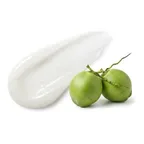 Caprylic Capric Triglyceride
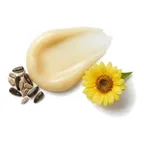 Helianthus Annuus Seed Oil Sunflower Seed Oil
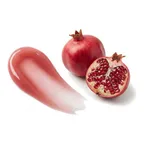 Lactobacillus Punica Granatum Extract Fruit Ferment
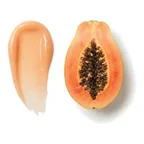 Papain
 Aloe Barbadensis Leaf Extract
Average
- HighOily Skin Fit
- AverageEffectiveness
- ExcellentSafety
Works for oily acne-prone skin; other cleansers fit it better.
This fit is calculated for the concerns frequently associated with oily acne-prone skin: shine, breakouts, blemishes, and enlarged pores. For scores and recommendations based on your full skin profile, including your 12D face scan results and any goals or preferences you have, please use the Lovi app.
Updated How the Fit score works
Lovi Assistant explains
- Offers moderate cleansing for your oily skin, as kaolin and montmorillonite absorb excess oil and impurities, while willow bark extract provides mild exfoliation. Papain and Lactobacillus Punica Granatum Extract Fruit Ferment offer general cleansing benefits for acne-prone skin, but lack specialized ingredients to directly target breakouts.
- The formula is highly suitable for oily skin due to the oil-absorbing properties of kaolin and montmorillonite, and the mild keratolytic action of willow bark extract.
- The safety profile is excellent, with no risks of irritation for your oily skin due to the absence of harsh ingredients and the presence of soothing components like Aloe Barbadensis Leaf Extract and Curcuma Longa Oil Root.
How to apply
- Use this cleanser as part of your AM and PM routine. Start using it daily to help clear your breakouts.
- Apply this cleanser as the first step in the morning and right after your pre-cleanser in the evening. Follow it with your toner and moisturizer.
- Gently massage a small amount of the cleanser onto your face using circular motions. Rinse thoroughly with lukewarm water and pat dry.
- Apply the cleanser on slightly damp skin to help clean deeply and remove excess oil. This works best for oily skin types.
- Avoid the sensitive eye area during application. Do a patch test before your first use.
People Say
★4.8Overall rating based on 1.8k+ reviewsBased on a very large amount of data, users with oily, combination, and congested skin frequently praise this gel-to-oil cleanser for its ability to deeply detoxify pores without stripping moisture. Many describe it as a luxurious "spa in a bottle" that effectively combats acne and pollution. A minority of users find the strong herbal scent polarizing and the high price point difficult to justify.
Highlights
Effective deep cleanse Mostly Mentioned
- “pores feel cleaner”
- “removes all makeup”
- “great morning cleanse”
- “detoxifies congested skin”
Luxurious spa experience Often Mentioned
- “smells like a spa”
- “relaxing herbal scent”
- “feels very luxurious”
- “treat for the skin”
Non-stripping formula Often Mentioned
- “skin feels soft”
- “doesn't dry out”
- “leaves skin hydrated”
- “gentle on barrier”
High price point Often Mentioned
- “way too expensive”
- “not worth the money”
- “pricey for a cleanser”
- “cheaper alternatives exist”
Cooling texture Sometimes Noted
- “cooling sensation”
- “lovely gel-to-oil”
- “refreshing tingle”
- “silky consistency”
Polarizing scent Sometimes Noted
- “smells like moldy forest”
- “strong clove smell”
- “scent is overpowering”
- “medicinal odor”
Residue/rinsing issues Rarely Noted
- “leaves oily film”
- “hard to rinse”
- “requires a washcloth”
- “feels heavy”
Skin irritation Rarely Noted
- “caused breakouts”
- “irritated my eyes”
- “essential oils burned”
- “redness after use”
Sources: lovi.care, spacenk.com, cultbeauty.co.uk, sephora.com, tataharperskincare.com, organicbeautylover.com, and more
Questions and answers
How well does Tata Harper Purifying Cleanser work for oily acne-prone skin?
Tata Harper Purifying Cleanser works moderately well for oily acne-prone skin, using clays to absorb excess oil and willow bark extract for mild exfoliation. However, it lacks specialized ingredients to directly target breakouts. Oily acne-prone skin needs a product that is exceptionally safe, effectively addresses breakouts with powerful acne-fighting ingredients like salicylic acid, performs cleansing extremely well, and contains components optimal for controlling oil production.
Journal of Cosmetic Dermatology, 2025Journal of Cosmetic Dermatology, 2019
Which ingredients make this cleanser a good fit for oily acne-prone skin?
Kaolin and montmorillonite help absorb excess oil, while willow bark extract provides mild exfoliation to clear the skin. Additionally, aloe leaf extract and turmeric root oil offer soothing benefits with little risk of irritation for oily skin.
Journal of Cosmetic Dermatology, 2025Journal of Cosmetic Dermatology, 2019
What does Caprylic/Capric Triglyceride do for oily acne-prone skin?
Caprylic/Capric Triglyceride helps hydrate oily acne-prone skin while reducing water loss. Because it is lightweight, it is unlikely to clog pores, but oily skin still benefits most from a non-comedogenic moisturizer that balances hydration without feeling heavy.
What does Helianthus Annuus Seed Oil do for oily acne-prone skin?
Helianthus Annuus Seed Oil helps keep oily, acne-prone skin balanced and maintains hydration without causing irritation or blocking pores. It supports the skin barrier well and is safe for daily use on sensitive or breakout-prone skin.
Where does this cleanser go in a skincare routine for oily acne-prone skin?
This cleanser goes in your morning and evening routine as the first cleansing step, and can also be used as part of your weekly routine. It helps wash away excess oil and impurities while keeping your skin calm, though oily acne-prone skin works best with products that directly target breakouts using specialized active ingredients.
Can I use this cleanser with retinol, and in what order?
You can use this cleanser with retinol, applying the cleanser first and following it with your retinol treatment. This cleanser is unlikely to cause irritation on oily skin, but because it lacks specialized breakout-fighting ingredients, acne-prone skin needs a cleanser that directly targets breakouts.
How often should I use this cleanser?
You can use this cleanser twice a day as part of your morning and evening routine. It provides moderate cleansing and oil control, but oily acne-prone skin works best with products that include specialized blemish-targeting ingredients.
Can this cleanser clog pores, cause breakouts or purging for oily acne-prone skin?
This cleanser is unlikely to clog pores or cause breakouts for oily acne-prone skin, as it contains soothing ingredients like aloe and turmeric that help keep irritation low. It also includes clay to absorb excess oil and willow bark to gently sweep away dead skin cells, but an oily acne-prone skin type often needs targeted blemish-fighting ingredients to truly clear breakouts.
Journal of Cosmetic Dermatology, 2019Clinical Pharmacology, 2018
Can I use this cleanser around the eyes or on my body?
You can use this cleanser on your body, but you should avoid the thin skin around your eyes to prevent irritation. To work well for oily acne-prone skin, this type of product needs specialized ingredients that directly target breakouts.
What the research says
A botanical face cleanser with hops and willow bark extract continuously reduced skin sebum levels without reactive seborrhea after treatment in 21 healthy volunteers compared to a sodium laureth sulfate cleanser, with neither cleanser causing skin irritation.
Journal of Cosmetic Dermatology, 2019A novel emulsion containing niacinamide, lens esculenta seed extract, and white willow bark extract effectively improved acne, blackheads, and conspicuous facial pores in 30 subjects with oily skin.
Journal of Cosmetic Dermatology, 2024A bentonite-based facial mask with Alcea sulphurea extract combined with oral azithromycin significantly reduced total lesion count and acne severity index while enhancing patient satisfaction in patients with moderate acne compared to placebo plus azithromycin over 8 weeks.
Journal of Cosmetic Dermatology, 2025A cream combining propolis, tea tree oil, and Aloe vera reduced erythema scars, acne severity index, and total lesion count better than erythromycin cream in sixty patients with mild to moderate acne vulgaris compared to placebo.
Clinical Pharmacology, 2018Encapsulating curcumin and turmerone in solid lipid nanoparticles resulted in controlled release, enhanced stability, and a significant reduction in skin irritation compared to nonencapsulated compounds evaluated using a reconstructed human epidermal model.
International Journal of Nanomedicine, 2024Topical application of an emollient emulsion containing 15.0% caprylic/capric triglyceride doubled the amount of urocanic acid isomers and increased skin hydration with reduced transepidermal water loss in healthy subjects, though it did not prevent ultraviolet-induced urocanic acid isomerization.
Life, 2023Daily consumption of fermented pomegranate extract drinks and serums improved skin moisture, brightness, elasticity, and collagen density while reducing spots in healthy subjects compared to baseline.
Journal of Cosmetic Dermatology, 2022Phenolic-rich pomegranate peel extract formulated into a serum and mask showed significantly better facial skin lightening efficacy than placebo in 30 volunteers over 28 days.
Planta Medica, 2020Topical application of a 2% cream containing combined fruit extracts for 56 days significantly reduced wrinkle depth by 11.5%, length by 10.07%, and area by 29.55% in 21 female subjects compared to a placebo.
Clinical, Cosmetic and Investigational Dermatology, 2015Topical papain treatment may slightly decrease pain within 30 minutes in humans stung by Chrysaora chinensis compared to placebo.
Wilderness & Environmental Medicine, 2016A fixed combination of hydroxypinacolone retinoate, retinol glycospheres, and papain glycospheres in aqueous gel applied once daily for 12 weeks achieved a 41% mean reduction in GAGS score and a 40.8% mean reduction in total lesions, with 15.3% of patients experiencing mild to moderate local side effects, in 94 evaluable patients with comedonal-papular, mild to moderate acne of the face.
Giornale Italiano Di Dermatologia E Venereologia, 2015Incorporating 1, 2, and 5 percent papain into starch- and carboxymethyl cellulose-based films preserved proteolytic and skin exfoliation activity while improving mechanical properties and water solubility compared to control films, with immobilized enzyme maintaining stability for up to 90 days.
International Journal of Biological Macromolecules, 2023Formulations containing 0.10%, 0.25%, and 0.50% freeze-dried Aloe vera extract increased stratum corneum water content compared with the vehicle in 20 female subjects, while transepidermal water loss was not modified.
Skin Research and Technology, 2006Kombucha-mediated fermentation of aloe vera gel for 10 and 20 days enhanced its phenolic and flavonoid content, antioxidant capacity, cytoprotective effects, enzyme inhibition against collagenase, elastase, and hyaluronidase, and moisturizing properties compared to unfermented gel.
Molecules, 2025Aloe vera gel phenolic and polysaccharide extracts demonstrated distinct wound-healing properties in vitro, with the phenolic extract exhibiting anti-inflammatory, antioxidant, and fibroblast-stimulating effects, and the polysaccharide extract showing enhanced collagen synthesis and antibacterial activity against Staphylococcus aureus.
Journal of Functional Biomaterials, 2024
Why other cleansers fit oily acne-prone skin better
Topical 5% tea tree oil gel significantly improved total acne lesions and acne severity index compared to placebo in 60 patients with mild to moderate acne vulgaris, showing 3.55 times and 5.75 times greater efficacy respectively.
Indian Journal of Dermatology, Venereology and Leprology, 2007Topical benzoyl peroxide 5% gel treatment improved acne severity, sebum, stratum corneum hydration, and transepidermal water loss, while significantly reducing microbial diversity and the prevalence of Cutibacterium in 33 patients with acne vulgaris.
Dermatologic Therapy, 2022Co-delivery of paeonol and madecassoside via nanoemulsions improved transdermal delivery, promoted barrier repair proteins, inhibited inflammatory cytokine secretion in cellular and 3D models, and reduced transepidermal water loss and acne in human facial skin compared to free components.
Molecules, 2023
Ingredients
Caprylic Capric Triglyceride, Helianthus Annuus Seed Oil Sunflower Seed Oil, Glycerin, Water, Propanediol, Sucrose Laurate, Grapefruit Oil, Sucrose Stearate, Papain, Lactobacillus Punica Granatum Extract Fruit Ferment, Willow Bark Extract, Zingiber Officinale Oil Root, Brassica Oleracea Italica Extract, Aloe Barbadensis Leaf Extract, Montmorillonite, Kaolin, Bioflavonoids, Curcuma Longa Oil Root, Magnesium Aluminum Silicate, Fennel Oil, Abies Pectinata Oil, Cymbopogon Flexuosus Oil Lemongrass Oil, Clove Oil Flower, Rosmarinus Officinalis Leaf Extract Rosemary Leaf Extract, Decyl Glucoside, Sucrose Palmitate, Mica, Limonene, Citral, Eugenol, Linalool, Geraniol
Behind this fit score
Lovi calculates every fit score from the full ingredient list with brand-independent rules our dermatologists and cosmetic chemists build and review, and personalizes every pick with AI trained on the real results of millions of users. Lovi trains its fit score models on a proprietary dataset built from more than 10,000 expert-labeled products and more than 100,000 simulated examples, following an internally consistent methodology presented at Cosmoprof, AMWC, and Skin of Color Update.
-

Co-founder, Medical Director
Cosmetic chemist, cosmetologist, aesthetic products developer
-

Co-founder, CEO and CTO
PhD in computer science, 3x US patent holder, ex-Google, ex-Yandex
-

Dr. Sofía Perea Pérez, MD, MSc
Medical Board
Aesthetic medicine practitioner, MSc in Longevity and Anti-Aging Medicine
-

Medical Board
Specialist dermatologist, MBBS, MD, IFAAD
-

Medical Board
Cosmetic chemist, SCS, IFSCC member
-

Medical Board, Medical Advisor
Dermatology MD
-

Elina Nazarenko, MD
Medical Board
Dermatology and diagnostic consultant
-

Victoria Derkova, MS
Medical Board
Cosmetic chemist, cosmetic development technologist


How does it fit your skin?
Scan your face, then any product: Lovi shows how well it fits you and what fits even better.