
Susanne Kaufmann Tonic Soothing for oily skin

 Aloe Barbadensis Leaf Powder
 Sodium Hyaluronate
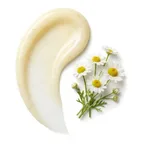 Chamomilla Recutita Flower Extract Matricaria Flower Extract
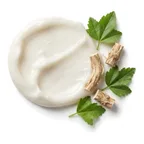 Althaea Officinalis Root Extract
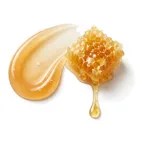 Honey
High
- HighOily Skin Fit
- HighEffectiveness
- ExcellentSafety
A great choice for oily skin; a few toners fit it even better.
This fit is calculated for the concerns frequently associated with oily skin: shine, enlarged pores, blackheads, and blemishes. For scores and recommendations based on your full skin profile, including your 12D face scan results and any goals or preferences you have, please use the Lovi app.
Updated How the Fit score works
Lovi Assistant explains
- This product offers excellent soothing and calming effects for your oily skin, with aloe barbadensis leaf powder and chamomilla recutita flower extract providing irritation relief.
- While glycerin and sodium hyaluronate offer beneficial hydration without being occlusive for your oily skin, they do not directly address your primary concern of reducing oily shine.
- The formula is safe for your skin, as it contains no harsh ingredients and includes soothing components like aloe and honey.
How to apply
- Could be used as part of your AM or PM routine. Start using your soothing toner 3 times a week and work up to daily use if your skin likes it.
- Apply your soothing toner after cleansing and before your moisturizer or SPF.
- Gently press 2-3 drops of the soothing toner into your skin with your hands. Let it absorb for a minute before moving on ⏱ to the next step.
- For the best results , apply your soothing toner to slightly damp skin to help it sink in better.
- Avoid the sensitive eye area and do a quick patch test before using the soothing toner for the very first time.
People Say
★4.9Overall rating based on 100+ reviewsBased on limited data, this toner is highly praised by users with dry and sensitive skin for its immediate soothing and hydrating effects, often described as a "comfort blanket" for the face. While new users generally adore its gentle, botanical-rich formula, some long-time fans of the brand have expressed disappointment regarding past reformulations and the high price point relative to its efficacy.
Highlights
Soothing & calming Mostly Mentioned
- “alleviate signs of skin stress”
- “calms complexion”
- “soothe irritation”
Deeply hydrating Often Mentioned
- “replacing lost moisture”
- “great hydrating toner”
- “leaves skin hydrated”
Gentle formula Sometimes Noted
- “gentle post-cleanse treatment”
- “no alcohol”
- “perfect for sensitivity”
Pleasant texture Rarely Noted
- “velvety finish”
- “refreshing sensation”
- “perfectly clean and calm”
Cloudy appearance Rarely Noted
- “may become slightly cloudy”
- “product appeared cloudy”
High price Rarely Noted
- “overpriced”
- “super exxy”
- “expensive for what it is”
Lack of potency Rarely Noted
- “nothing can beat my BR P50”
- “not a fan of the toners”
Reformulation disappointment Rarely Noted
- “messed with her line”
- “calming toner is crap now”
- “screwed everything up”
Sources: lovi.care, mecca.com, cultbeauty.com, amazingy.com, reddit.com, and more
Questions and answers
What makes Susanne Kaufmann Tonic Soothing a great fit for oily skin?
This toner is a great fit because it provides excellent calming effects for oily skin with soothing ingredients like aloe and chamomile flower extract. It also supplies beneficial hydration using glycerin and sodium hyaluronate without feeling heavy or blocking pores.
Phytotherapy Research, 2011Clinical, Cosmetic and Investigational Dermatology, 2017
Which ingredients make this toner a good fit for oily skin?
Aloe barbadensis leaf powder and chamomilla recutita flower extract make this toner a great fit because they provide excellent calming and soothing effects for oily skin. Additionally, glycerin and sodium hyaluronate offer light hydration that is unlikely to feel heavy, while honey and aloe help keep the formula gentle and safe.
Phytotherapy Research, 2011Clinical, Cosmetic and Investigational Dermatology, 2017
What does Aloe Vera Leaf Powder do for oily skin?
Aloe vera leaf powder helps calm oily skin, soothe breakouts, and reduce redness when used regularly in your skincare routine. It works well to manage blemishes and improve overall skin clarity without feeling heavy.
Clinical Pharmacology, 2018The Journal of Dermatological Treatment, 2014
What does Hyaluronic Acid do for oily skin?
Hyaluronic acid helps calm oily skin by lowering sebum production and decreasing oil synthesis in the glands. It may also help keep the skin barrier strong while keeping the face feeling balanced.
The Journal of Investigative Dermatology, 2017Journal of Cosmetic Dermatology, 2022
Where does this toner go in a skincare routine for oily skin?
This soothing toner goes after cleansing in your morning routine, helping calm your oily skin with ingredients like aloe and chamomile. It provides lightweight hydration without heavy oils, though it does not directly target shine.
Can I use this toner with retinol, and in what order?
You can use this toner with retinol by applying the toner first to hydrate your skin and then following with your retinol treatment. This product helps calm irritation, and its light hydrators are unlikely to clog your oily skin.
Clinical, Cosmetic and Investigational Dermatology, 2017Cutis, 2006
How often should I use this toner?
You can use this soothing toner daily in your morning routine after cleansing. It provides great irritation relief for oily skin while keeping hydration light.
Can this toner clog pores, cause breakouts or purging for oily skin?
This toner is unlikely to clog pores or cause breakouts for oily skin because it contains no harsh ingredients and uses lightweight hydrators like glycerin and sodium hyaluronate. Soothing components like aloe and honey also help keep your skin calm without feeling heavy.
Clinical, Cosmetic and Investigational Dermatology, 2017Clinical Pharmacology, 2018
What the research says
Liposomal apigenin-enriched chamomile flower extract topical formulations showed slightly higher in vivo antiinflammatory efficacy compared to non-liposomal formulations in patients.
Phytotherapy Research, 2011Apigenin protects against UVA-induced cytotoxicity and senescence in normal human dermal fibroblasts, decreases MMP-1 expression, and when applied topically as a cream in human subjects, increases dermal density and elasticity while reducing fine wrinkle length, skin evenness, moisture content, and transepidermal water loss compared to control cream.
International Journal of Molecular Medicine, 2016A cream combining propolis, tea tree oil, and Aloe vera reduced erythema scars, acne severity index, and total lesion count better than erythromycin cream in sixty patients with mild to moderate acne vulgaris compared to placebo.
Clinical Pharmacology, 2018A single application of a moisturizing fluid containing hyaluronic acid 1%, glycerin 5%, and Centella asiatica stem cells extract significantly increased skin hydration by 29% and reduced transepidermal water loss at 24 hours compared to baseline and an untreated control site in twenty healthy women.
Clinical, Cosmetic and Investigational Dermatology, 2017Incubation of human keratinocytes with honey elevated the production of cytokines and matrix metalloproteinase-9, leading to the degradation of type IV collagen in the basement membrane.
Experimental Dermatology, 2010Formulations containing 0.10%, 0.25%, and 0.50% freeze-dried Aloe vera extract increased stratum corneum water content compared with the vehicle in 20 female subjects, while transepidermal water loss was not modified.
Skin Research and Technology, 2006Kombucha-mediated fermentation of aloe vera gel for 10 and 20 days enhanced its phenolic and flavonoid content, antioxidant capacity, cytoprotective effects, enzyme inhibition against collagenase, elastase, and hyaluronidase, and moisturizing properties compared to unfermented gel.
Molecules, 2025Aloe vera gel phenolic and polysaccharide extracts demonstrated distinct wound-healing properties in vitro, with the phenolic extract exhibiting anti-inflammatory, antioxidant, and fibroblast-stimulating effects, and the polysaccharide extract showing enhanced collagen synthesis and antibacterial activity against Staphylococcus aureus.
Journal of Functional Biomaterials, 2024Topical application of 0.1% hyaluronic acid formulations of different molecular weights led to significant improvements in skin hydration and elasticity, with low-molecular-weight formulations also significantly reducing wrinkle depth in seventy-six female subjects compared to a vehicle control.
Journal of Drugs in Dermatology, 2011Topical hyaluronic acid serum used twice daily by 40 females with facial photoaging produced an immediate 134% increase in skin hydration, a sustained 55% increase at week 6, and significant improvements in smoothness, plumping, fine lines, wrinkles, and global appearance without causing irritation.
Dermatology and Therapy, 2021A topical antioxidant serum significantly reduced air pollution-induced skin pigmentation and proinflammatory gene expression ex vivo, and improved skin aging signs in 40 healthy adult females after 90 days of daily use.
Journal of Cosmetic Dermatology, 2022An extract of Althaea officinalis L. inhibits endothelin-1-induced melanocyte activation by suppressing calcium mobilization and MAPK activation, and reduces endothelin-1 secretion from keratinocytes.
Biological & Pharmaceutical Bulletin, 2002Topical application of a honey, olive oil, and beeswax mixture three times daily for up to 4 weeks resulted in clinical responses in 86% of patients with pityriasis versicolor, 78% with tinea cruris, and 75% with tinea corporis.
Complementary Therapies in Medicine, 2004Romanian honey varieties rich in phenolics exhibited anti- and pro-inflammatory effects, dose-dependent pro-proliferative effects, stimulated collagen synthesis, and enhanced cell migration in macrophage-like, fibroblast, and keratinocyte cell lines.
Life, 2024Topical application of Melipona marginata honey extract (1.0 mg/ear) reduced 12-O-tetradecanoylphorbol-13-acetate-induced ear edema by 54%, myeloperoxidase activity by 75%, and reactive oxygen species production by 55% in mice compared to the induced model.
Journal of Medicinal Food, 2014
Ingredients
Water, Glycerin, Pentylene Glycol, Polyglyceryl-4 Caprate, Aloe Barbadensis Leaf Powder, Honey, Sodium Hyaluronate, Althaea Officinalis Root Extract, Malva Sylvestris Extract, Achillea Millefolium Extract, Chamomilla Recutita Flower Extract Matricaria Flower Extract, Salvia Officinalis Leaf Extract, Saccharide Isomerate, Maltodextrin, Hydrogenated Lecithin, Cholesterol, Citric Acid, Limonene, Linalool, Benzyl Salicylate, Citral, Parfum
Behind this fit score
Lovi calculates every fit score from the full ingredient list with brand-independent rules our dermatologists and cosmetic chemists build and review, and personalizes every pick with AI trained on the real results of millions of users. Lovi trains its fit score models on a proprietary dataset built from more than 10,000 expert-labeled products and more than 100,000 simulated examples, following an internally consistent methodology presented at Cosmoprof, AMWC, and Skin of Color Update.
-

Co-founder, Medical Director
Cosmetic chemist, cosmetologist, aesthetic products developer
-

Co-founder, CEO and CTO
PhD in computer science, 3x US patent holder, ex-Google, ex-Yandex
-

Dr. Sofía Perea Pérez, MD, MSc
Medical Board
Aesthetic medicine practitioner, MSc in Longevity and Anti-Aging Medicine
-

Medical Board
Specialist dermatologist, MBBS, MD, IFAAD
-

Medical Board
Cosmetic chemist, SCS, IFSCC member
-

Medical Board, Medical Advisor
Dermatology MD
-

Elina Nazarenko, MD
Medical Board
Dermatology and diagnostic consultant
-

Victoria Derkova, MS
Medical Board
Cosmetic chemist, cosmetic development technologist


How does it fit your skin?
Scan your face, then any product: Lovi shows how well it fits you and what fits even better.