
Sunday Riley U.F.O. Ultra-Clarifying Face Oil for sensitive skin

 Salicylic Acid
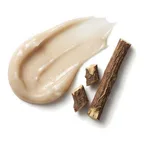 Licorice Root Extract
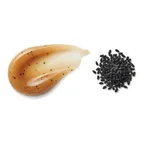 Nigella Sativa Seed Oil
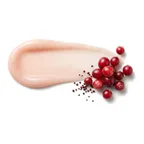 Cranberry Seed Oil
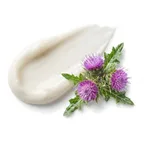 Silybum Marianum Seed Oil Milk
Average
- AverageNormal Skin Fit
- AverageEffectiveness
- HighSafety
Works for sensitive skin; other serums fit it better.
This fit is calculated for the concerns frequently associated with sensitive skin: redness, stinging, and reactions to new products. For scores and recommendations based on your full skin profile, including your 12D face scan results and any goals or preferences you have, please use the Lovi app.
Updated How the Fit score works
Lovi Assistant explains
- This product offers moderate exfoliation for your normal skin, with salicylic acid and hexylresorcinol targeting blemishes, while Glycyrrhiza Glabra Licorice Root Extract and Chamomilla Recutita Oil Flower provide soothing benefits for redness and irritation.
- The formulation includes beneficial ingredients like Aloe Barbadensis Flower Extract to support your sensitive skin, though it could benefit from more humectant ingredients for enhanced hydration.
- The safety profile is excellent, with no risks of irritation due to the absence of harsh ingredients and the presence of soothing components.
How to apply
- Use your serum in the PM routine, starting 3 times a week before building up to daily use if your skin is happy.
- Apply the serum after cleansing and toning, but before putting on your moisturizer for the best results.
- Gently press 2-3 drops of the serum into your skin and wait a minute ⏱ for it to soak in.
- Since your skin is sensitive and easily irritated, apply the serum on completely dry skin to help keep it calm.
- Always do a patch test before your first use and avoid getting the serum too close to your eyes .
People Say
★4.6Overall rating based on 1000+ reviewsThis medicated dry oil is widely praised by users with oily and acne-prone skin for its ability to rapidly clear cystic acne and congestion without causing dryness. While many users report smoother texture and diminished redness overnight, results regarding blackhead removal are mixed, and the product's potent herbal scent is a polarizing feature.
Highlights
Rapidly clears acne Mostly Mentioned
- “shrinks pimples overnight”
- “vanished in 2-3 days”
- “cleared hormonal breakouts”
- “stopped cystic acne”
Strong medicinal scent Mostly Mentioned
- “smells like oregano”
- “pungent herbal smell”
- “scent is repulsing”
- “smells like dirt”
Fast absorption Often Mentioned
- “sinks in immediately”
- “dry oil texture”
- “not greasy at all”
- “mattified appearance”
High price point Often Mentioned
- “very expensive”
- “hefty price tag”
- “not budget friendly”
- “pricey for the size”
Fades scars/redness Sometimes Noted
- “diminished facial redness”
- “faded acne scars”
- “evened skin tone”
- “calms inflammation”
Non-drying formula Sometimes Noted
- “doesn't dry out skin”
- “hydrating but clarifies”
- “no flaky patches”
- “leaves skin soft”
Caused breakouts/purging Rarely Noted
- “caused tiny bumps”
- “broke me out”
- “irritated my skin”
- “made acne worse”
Ineffective for blackheads Rarely Noted
- “didn't clear blackheads”
- “pores look same”
- “no change in congestion”
Sources: lovi.care, ulta.com, spacenk.com, sephora.sg, sephora.co.uk, cultbeauty.co.uk, and more
Questions and answers
How well does Sunday Riley U.F.O. work for sensitive skin?
Sunday Riley U.F.O. Ultra-Clarifying Face Oil works moderately well for sensitive skin, helping calm redness and irritation with licorice root extract and chamomile oil while posing no risk of irritation. However, this skin type needs more hydrating moisture-locking ingredients for enhanced care.
Which ingredients make this oil a good fit for sensitive skin?
Licorice Root Extract and chamomile flower oil help calm redness and irritation on sensitive skin. This oil needs more hydrating ingredients that draw in moisture to be an even better fit for this skin type.
What does Salicylic Acid do for sensitive skin?
Salicylic acid may help clear breakouts and oily skin, but it can sometimes cause dryness and irritation on sensitive skin. Formulations using targeted delivery or mild cleansing technology are less likely to cause irritation while helping to keep pores clear.
Journal of Cosmetic Science, 2004Journal of Drugs in Dermatology, 2025
What does Licorice Root Extract do for sensitive skin?
Licorice root extract helps calm sensitive skin by reducing redness, stinging, and burning. It also helps soothe irritation and inflammation, making it a well-tolerated option for easily upset skin.
Journal of the European Academy of Dermatology and Venereology, 2016Archives of Dermatological Research, 2006
Where does this oil go in a skincare routine for sensitive skin?
This oil is a treatment, so it goes in your evening routine after cleansing and toning, and before moisturizing. Sensitive skin like yours works well with this product, though it could benefit from more hydrating ingredients to lock in moisture.
Can I use this oil with retinol, and in what order?
You can use this treatment alongside retinol by applying it after your retinol step in your evening routine. This helps keep your sensitive skin calm, though sensitive skin of this type needs extra moisture-holding ingredients for better hydration.
How often should I use this oil?
Use this treatment once a week in the evening to see how your sensitive skin handles it, since exfoliating products start slow. If your skin feels comfortable and calm, you may carefully use it more often. A product of this type works best for this skin when it includes extra hydrating ingredients to keep dry areas smooth.
Can this oil clog pores, cause breakouts or purging for sensitive skin?
This oil is unlikely to clog pores or cause breakouts for sensitive skin because it has a very safe formula with soothing ingredients and a low complaint rate from reviewers.
Is this oil fragrance-free and alcohol-free?
It contains fragrance (linalool, limonene, farnesol, and geraniol) and drying alcohol (isopropyl alcohol).
What the research says
Liposomal apigenin-enriched chamomile flower extract topical formulations showed slightly higher in vivo antiinflammatory efficacy compared to non-liposomal formulations in patients.
Phytotherapy Research, 2011A blend of taurine and aloe extract significantly reduced pro-inflammatory cytokine IL-1α and chemokine IL-8 production both in vitro using EpiDerm models and in vivo among 12 adult human subjects topically treated with aluminum chloride formulations.
Journal of Cosmetic Science, 2018A moisturizer containing licochalcone A, 1,2-decanediol, L-carnitine, and salicylic acid significantly reduced noninflammatory, inflammatory, and total acne lesion counts compared to a vehicle control in Thai patients during a 12-week maintenance phase.
BioMed Research International, 2020Treatment with 2% supramolecular salicylic acid hydrogel resulted in a regression and markedly improvement rate of 51.01% compared to 43.10% for Adapaline gel in patients with mild to moderate facial acne vulgaris, showing no significant difference in efficacy.
Journal of Cosmetic Dermatology, 2024Topical 5% benzoyl peroxide plus salicylic acid achieved the greatest lesion reduction at early 2 to 4 week time points compared to benzoyl peroxide, clindamycin, and combination benzoyl peroxide/clindamycin, while 5% benzoyl peroxide plus salicylic acid and combination benzoyl peroxide/clindamycin showed similar efficacy at 10 to 12 weeks in acne patients.
Journal of the American Academy of Dermatology, 2010Combining 755 nm alexandrite laser with topical licorice gel significantly reduces terminal hair counts compared to alexandrite laser with placebo in women with idiopathic hirsutism.
Evidence-based Complementary and Alternative Medicine, 2015Licochalcone A activated Nrf2 signaling, elevated cytoprotective enzymes, increased the reduced-to-oxidized glutathione ratio, and decreased reactive oxygen species in human fibroblasts and neutrophils, while a LicA-rich licorice extract lowered UVA-induced oxidative processes in vivo.
Experimental Dermatology, 2015Mesoporous silica nanoparticles entrapping licorice polysaccharide and coated with polydopamine showed 76% entrapment efficiency, 89% in vitro release at pH 5, increased sebocytes' cellular uptake, and mediated inflammatory response by inhibiting pro-inflammatory cytokines and regulating anti-inflammatory cytokines.
Carbohydrate Polymers, 2024Nanoemulgels incorporating Nigella sativa oil and pharmaceutical-grade permeation enhancers significantly improve colchicine dermal absorption, sustain drug release, and enhance anti-inflammatory activity while reducing systemic toxicity in the context of chronic inflammatory conditions such as gout.
Recent Advances in Drug Delivery and Formulation, 2025Thymoquinone pre-treatment attenuated UVA-induced oxidative stress, inflammation, and mitochondrial apoptosis in human HaCaT keratinocytes through COX-2 inhibition via the activation of the NrF2/ARE pathway.
Molecular Immunology, 2021Spanlastic gel loaded with thymoquinone and ascorbic acid showed superior skin deposition and concentration-dependent tyrosinase inhibition for the management of hyperpigmentation.
Pharmaceutics, 2025Topical 0.5% silymarin-loaded antioxidant serum applied twice daily significantly reduced clinical acne severity, lesion counts, and melanin pigmentation in 22 Korean acne patients over 4 weeks without associated adverse events.
Journal of Cosmetic Dermatology, 2023Topical silymarin cream 1.4% showed comparable results to salicylic acid 30% peels in reducing acne severity in 30 patients with mild to moderate acne vulgaris.
Journal of Cutaneous Medicine and Surgery, 2024Silymarin antioxidant serum reduced inflammatory lesions by 45% and noninflammatory lesions by 43% in 56 subjects over 12 weeks, and improved tolerability by reducing erythema, dryness, and scaling when added to prescription acne therapy in 40 subjects.
Journal of Drugs in Dermatology, 2024
Ingredients
Silybum Marianum Seed Oil Milk, Nigella Sativa Seed Oil, Cucumis Sativus Seed Oil, Punica Granatum Seed Oil, Diisopropyl Sebacate, Cranberry Seed Oil, Dimethyl Isosorbide, Linum Usitatissimum Seed Oil, Caprylic Capric Triglyceride, Glycyrrhiza Glabra Licorice Root Extract, Prunus Armeniaca Apricot Kernel Oil, Hexylresorcinol, Ethyl Linoleate, Melia Azadirachta Leaf Extract, Chamomilla Recutita Oil Flower, Citrus Aurantium Amara Oil Flower, Melia Azadirachta Neem Flower Extract, Helianthus Annuus Sunflower Seed Oil, 4-Terpineol, Linalool, Coccinia Indica Fruit Extract, Limonene, Solanum Melongena Fruit Extract, Amber Powder, Curcuma Longa Root Extract, Ocimum Sanctum Leaf Extract, Isopropyl Alcohol, Aloe Barbadensis Flower Extract, Corallina Officinalis Extract, Rosmarinus Officinalis Rosemary Leaf Extract, Moringa Oleifera Seed Oil, Tocopherol, Farnesol, Geraniol, Water, Grapefruit Peel Oil, Ocimum Basilicum Leaf Extract Flower, Salicylic Acid
Behind this fit score
Lovi calculates every fit score from the full ingredient list with brand-independent rules our dermatologists and cosmetic chemists build and review, and personalizes every pick with AI trained on the real results of millions of users. Lovi trains its fit score models on a proprietary dataset built from more than 10,000 expert-labeled products and more than 100,000 simulated examples, following an internally consistent methodology presented at Cosmoprof, AMWC, and Skin of Color Update.
-

Co-founder, Medical Director
Cosmetic chemist, cosmetologist, aesthetic products developer
-

Co-founder, CEO and CTO
PhD in computer science, 3x US patent holder, ex-Google, ex-Yandex
-

Dr. Sofía Perea Pérez, MD, MSc
Medical Board
Aesthetic medicine practitioner, MSc in Longevity and Anti-Aging Medicine
-

Medical Board
Specialist dermatologist, MBBS, MD, IFAAD
-

Medical Board
Cosmetic chemist, SCS, IFSCC member
-

Medical Board, Medical Advisor
Dermatology MD
-

Elina Nazarenko, MD
Medical Board
Dermatology and diagnostic consultant
-

Victoria Derkova, MS
Medical Board
Cosmetic chemist, cosmetic development technologist


How does it fit your skin?
Scan your face, then any product: Lovi shows how well it fits you and what fits even better.