
Sunday Riley Saturn Sulfur Spot Treatment Mask for oily acne-prone skin

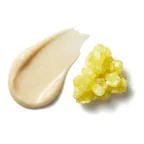 Sulfur
 Niacinamide
 Zinc
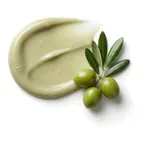 Oil Tree
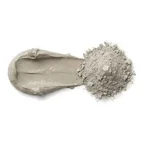 Bentonite
Superior
- SuperiorOily Skin Fit
- HighEffectiveness
- ExcellentSafety
One of the best cleansing masks for oily acne-prone skin.
This fit is calculated for the concerns frequently associated with oily acne-prone skin: shine, breakouts, blemishes, and enlarged pores. For scores and recommendations based on your full skin profile, including your 12D face scan results and any goals or preferences you have, please use the Lovi app.
Updated How the Fit score works
Lovi Assistant explains
- Excellent suitability for your oily skin is provided by sulfur and zinc PCA, which effectively decongest pores and reduce blemishes by controlling sebum production and reducing inflammation. Niacinamide and allantoin further support your skin by offering anti-inflammatory and soothing benefits, complementing the primary active ingredients.
- The inclusion of Curcuma Longa root extract and Melaleuca Alternifolia tree oil leaf offers additional antioxidant and antimicrobial properties, beneficial for managing breakouts on oily skin.
- The product has a very safe profile with no risks of irritation for your oily skin.
How to apply
- Use your cleansing mask PM as part of your weekly routine. Start 1×/week and increase carefully if your oily skin tolerates it well.
- Apply this step after your enzyme powder and before your hydrating toner. Follow the standard weekly order to keep your skin balanced.
- Spread an even layer of the cleansing mask across your face while avoiding the eye area. Let it sit for the recommended time without rubbing .
- Apply the mask on clean and dry skin for the best purifying effect on your breakouts. Clean skin allows the formula to target blemishes directly.
- Always do a patch test before your first use to check for sensitivity. Avoid combining this mask with strong acids or retinoids in the same routine .
People Say
★4.0Overall rating based on 400+ reviewsUsers with oily and acne-prone skin frequently praise this spot treatment for its ability to quickly reduce the size and redness of breakouts, particularly cystic and hormonal ones, often overnight. A significant number of reviewers also note that the formula can cause dryness and peeling, and the strong, lingering sulfur scent is a common complaint.
Highlights
Rapidly clears acne Mostly Mentioned
- “Shrinks the pimple”
- “Heals cystic pimples”
- “Zit zapper”
- “Dry up overnight”
Unpleasant smell Mostly Mentioned
- “Smells awful”
- “Strong sulfur odor”
- “Smell would drive you crazy”
- “Hands smelled like sulfur”
Effective on cystic spots Often Mentioned
- “Best for cystic acne”
- “Helps hormonal breakouts”
- “Flattened underground bumps”
- “Works on stubborn cysts”
Drying and peeling Often Mentioned
- “Too drying”
- “Caused peeling”
- “Dries me out”
- “Flaky skin around spot”
Reduces redness Sometimes Noted
- “Dialed down redness”
- “Soothes the look of redness”
- “Less red and inflamed”
- “Calms angry skin”
Expensive price point Sometimes Noted
- “Price is outrageous”
- “Expensive for the size”
- “Pricey”
Irritating to sensitive skin Sometimes Noted
- “Irritated the skin”
- “Stings upon application”
- “Burned my skin”
- “Too harsh”
Prevents new breakouts Rarely Noted
- “Preventing new blemishes”
- “Stops them from forming”
- “Keeps skin clear”
Sources: lovi.care, sephora.com, dermstore.com, sundayriley.com, lovelyskin.com, cultbeauty.com, and more
Questions and answers
What makes Sunday Riley Saturn Sulfur Spot Treatment Mask one of the best fits for oily acne-prone skin?
Sunday Riley Saturn Sulfur Spot Treatment Mask is one of the best fits for your skin because sulfur and zinc PCA control oil and calm redness to clear out pores and reduce breakouts. Niacinamide and allantoin help soothe your skin, while tree oil and turmeric root provide extra antimicrobial care. It has a very safe profile and is unlikely to cause irritation.
The Journal of Clinical and Aesthetic Dermatology, 2020Indian Journal of Dermatology, Venereology and Leprology, 2007
Which ingredients make this mask a good fit for oily acne-prone skin?
Sulfur and zinc PCA make this mask a good fit for oily acne-prone skin because they help clear clogged pores and reduce breakouts by controlling oil and calming redness. Niacinamide, allantoin, tea tree oil, and turmeric root extract further support your skin by soothing irritation and fighting blemish-causing bacteria with a very safe profile.
The Journal of Clinical and Aesthetic Dermatology, 2020Indian Journal of Dermatology, Venereology and Leprology, 2007
What does Sulfur do for oily acne-prone skin?
Sulfur helps clear breakouts and manage oil by calming angry spots and gently drying out excess shine. It is generally well-tolerated by oily, acne-prone skin with a low chance of irritation.
The Journal of Clinical and Aesthetic Dermatology, 2009Journal of Drugs in Dermatology, 2004
What does Niacinamide do for oily acne-prone skin?
Niacinamide helps control oily and acne-prone skin by reining in excess sebum production and visibly reducing breakouts and redness. It is well tolerated and may calm the skin while improving overall clarity.
Journal of Cosmetic and Laser Therapy, 2006International Journal of Dermatology, 2013
Where does this mask go in a skincare routine for oily acne-prone skin?
This mask goes in a weekly routine as a cleansing mask, used after cleansing and enzyme powder, and before applying hydrating toner, treatment, and moisturizer.
Can I use this mask with retinol, and in what order?
You can use this mask in your routine, but avoid using it on the same nights you apply retinol to prevent excess dryness. Instead, use this cleansing mask weekly as part of your routine and apply your retinol on separate nights.
How often should I use this mask?
You can use this cleansing mask once a week as part of your weekly routine for oily acne-prone skin. It has a very safe profile and is unlikely to cause irritation while helping to control oil and breakouts.
The Journal of Clinical and Aesthetic Dermatology, 2020Indian Journal of Dermatology, Venereology and Leprology, 2007
Can this mask clog pores, cause breakouts or purging for oily acne-prone skin?
This mask is a great fit for oily acne-prone skin because sulfur, zinc PCA, and tea tree oil help clear pores and calm breakouts. It is unlikely to cause new breakouts, though some users with sensitive skin may experience dryness and peeling.
The Journal of Clinical and Aesthetic Dermatology, 2020Indian Journal of Dermatology, Venereology and Leprology, 2007
Is this mask fragrance-free and alcohol-free?
It has no fragrance and contains drying alcohol (alcohol denat).
What the research says
Topical nicotinamide plus an antibacterial adhesive agent and zinc-pyrrolidone carboxylic acid combined with adapalene significantly reduced noninflammatory acne lesions by the second week of therapy compared to placebo with adapalene in patients with moderate acne vulgaris.
The Journal of Clinical and Aesthetic Dermatology, 2020Biomimetic hyaluronic acid-stabilized zinc oxide nanoparticles selectively inhibited C. acnes, outperformed erythromycin in preclinical acne models, and safely reduced acne lesions and redness in a clinical trial.
Journal of Controlled Release, 2025Topical 5% tea tree oil gel significantly improved total acne lesions and acne severity index compared to placebo in 60 patients with mild to moderate acne vulgaris, showing 3.55 times and 5.75 times greater efficacy respectively.
Indian Journal of Dermatology, Venereology and Leprology, 2007A cream combining propolis, tea tree oil, and Aloe vera reduced erythema scars, acne severity index, and total lesion count better than erythromycin cream in sixty patients with mild to moderate acne vulgaris compared to placebo.
Clinical Pharmacology, 2018Repeated application of zinc oxide nanoparticles to the skin of human volunteers accumulated on the surface and in skin furrows without penetrating into or causing cellular toxicity in the viable epidermis.
The Journal of Investigative Dermatology, 2019Topical application of 5% permethrin, crotamiton, and 10% sulfur ointment achieved equal efficacy in 54 patients with scabies at 4-week follow up, but permethrin demonstrated faster improvement at the first and second-week follow ups.
Journal of Arthropod-borne Diseases, 2017Topical application of precipitated sulphur 2-8% petrolatum achieved a 95% clinical and ectoparasitological cure rate in 40 ambulatory scabies patients without relevant adverse effects.
Revista de Investigacion Clinica; Organo Del Hospital de Enfermedades de la Nutricion, 2004Topical 10% benzoyl peroxide and 2%-5% sulfur cream achieved "good" to "excellent" results with no undesirable side effects in 113 consecutive patients with acne.
Canadian Medical Association Journal, 1966Topical nicotinamide prevented solar-simulated UV-induced immunosuppression in healthy volunteers, and men experienced immunosuppression at solar-simulated UV doses three times lower than those required for women.
The Journal of Investigative Dermatology, 2008Topical 5% niacinamide applied twice daily for 12 weeks reduced fine lines and wrinkles, hyperpigmented spots, red blotchiness, and skin sallowness, and improved skin elasticity compared to vehicle control in 50 female white subjects with facial photoaging.
Dermatologic Surgery, 2005Topical 2% niacinamide significantly decreased sebum excretion rate in Japanese individuals and casual sebum levels in Caucasian individuals compared to placebo or baseline.
Journal of Cosmetic and Laser Therapy, 2006Topical 0.5% hyaluronic-ZnO nanogel applied twice daily reduced inflammatory-lesion counts by 58% at week four in human subjects compared to baseline without causing erythema.
Biomedicines, 2025Daily use of a deep cleansing gel containing salicylic acid 2%, zinc gluconate 0.2% and lipohydroxy acid 0.05% significantly reduced total lesion count by 56.3% after 84 days in 35 subjects with mild to moderate truncal acne.
Clinical, Cosmetic and Investigational Dermatology, 2023Topical zinc oxide nanogels formulated using Dendrobium anosmum showed greater effectiveness against Gram-positive acne-causing bacteria compared to chemogenic nanoparticles.
Molecules, 2023The incorporation of olive oil-loaded hydrogel particles into a cream formulation provides strong moisturizing properties and photoprotective potential when applied to healthy subjects.
Pharmaceutical Development and Technology, 2018Wild Olive Oil, Extra Virgin Olive Oil, and Virgin Olive Oil compared against liquid paraffin and rosehip oil showed that wild olive oil yielded the lowest perception of oiliness and the highest increase in skin elasticity among eight healthy volunteers.
Pharmaceutics, 2022Vectorization of high molecular weight hyaluronic acid with clay enabled its penetration into deeper skin layers and led to a significant clinical reduction in fine lines in the crow's feet area compared to placebo after 28 days.
Skin Research and Technology, 2024Twice-weekly use of a clay mask over 4 weeks in 75 adults with oily or combination skin improved acne-related outcomes, sebum content, skin evenness, hydration, and reduced dryness and irritation.
Skin Research and Technology, 2023Clay jojoba oil facial masks reduced total skin lesions by a mean of 54% after 6 weeks in 133 participants with acne-prone, lesioned skin and mild acne compared to baseline.
Forschende Komplementarmedizin, 2012
Ingredients
Water, Sulfur, Isoamyl Laurate, Cetyl Ethylhexanoate, Niacinamide, Arabic Gum, Bentonite, Hydroxyethyl Acrylate Sodium Acryloyldimethyl Taurate Copolymer, Polyglyceryl-2 Caprate, Olive Glycereth-8 Esters Oil, Zinc Pca, Allantoin, Dipotassium Glycyrrhizate, Melaleuca Alternifolia Tree Oil Leaf, Leptospermum Scoparium Oil Leaf Manuka Honey Oil Leaf Branch Oil Leaf, Curcuma Longa Root Extract, Corallina Officinalis Extract, Melia Azadirachta Leaf Extract, Amber Powder, Melia Azadirachta Flower Extract, Coccinia Indica Fruit Extract, Solanum Melongena Leaf Extract, Ocimum Basilicum Leaf Extract Flower, Quartz, Polysorbate 60, Sorbitan Isostearate, Tocopherol, Disodium Edta, Phenoxyethanol, Polysorbate 20, Alcohol Denat, Chlorphenesin, Peg-40 Hydrogenated Castor Oil, Caprylyl Glycol, 4-Terpineol
Behind this fit score
Lovi calculates every fit score from the full ingredient list with brand-independent rules our dermatologists and cosmetic chemists build and review, and personalizes every pick with AI trained on the real results of millions of users. Lovi trains its fit score models on a proprietary dataset built from more than 10,000 expert-labeled products and more than 100,000 simulated examples, following an internally consistent methodology presented at Cosmoprof, AMWC, and Skin of Color Update.
-

Co-founder, Medical Director
Cosmetic chemist, cosmetologist, aesthetic products developer
-

Co-founder, CEO and CTO
PhD in computer science, 3x US patent holder, ex-Google, ex-Yandex
-

Dr. Sofía Perea Pérez, MD, MSc
Medical Board
Aesthetic medicine practitioner, MSc in Longevity and Anti-Aging Medicine
-

Medical Board
Specialist dermatologist, MBBS, MD, IFAAD
-

Medical Board
Cosmetic chemist, SCS, IFSCC member
-

Medical Board, Medical Advisor
Dermatology MD
-

Elina Nazarenko, MD
Medical Board
Dermatology and diagnostic consultant
-

Victoria Derkova, MS
Medical Board
Cosmetic chemist, cosmetic development technologist


How does it fit your skin?
Scan your face, then any product: Lovi shows how well it fits you and what fits even better.