
Sulwhasoo Essential Balancing Water for acne-prone skin

 Sodium Hyaluronate
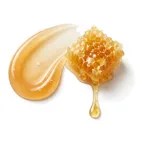 Honey
 Licorice Root Extract
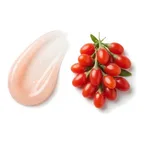 Goji Berries
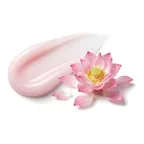 Nelumbo Nucifera Flower Extract
Superior
- SuperiorCombination Skin Fit
- SuperiorEffectiveness
- ExcellentSafety
One of the best toners for acne-prone skin.
- Clinical, Cosmetic and Investigational Dermatology, 2019
- Clinical, Cosmetic and Investigational Dermatology, 2017
This fit is calculated for the concerns frequently associated with acne-prone skin: breakouts, blackheads, and post-acne marks. For scores and recommendations based on your full skin profile, including your 12D face scan results and any goals or preferences you have, please use the Lovi app.
Updated How the Fit score works
Lovi Assistant explains
- Excellent suitability for your combination skin and acne, blemishes, and breakouts is provided by Glycyrrhiza Glabra Root Extract and Camellia Sinensis Leaf Extract, which work to reduce inflammation and regulate sebum. Betaine and Glycerin further enhance hydration, balancing the temporary astringent effects of alcohol for your oilier zones.
- The formula is exceptionally safe for your combination skin, with honey and beta-glucan offering soothing benefits and no harsh ingredients.
- This product is safe for your skin.
How to apply
- Use your hydrating toner in your AM and PM routine. Start 3x a week and work up to daily use if your skin likes it.
- Apply your hydrating toner after cleansing and before your moisturizer or SPF.
- Gently press 2-3 drops of the hydrating toner into your skin and let it absorb for a minute.
- Apply the hydrating toner on slightly damp skin to help it absorb better.
- Always do a patch test before your first use and avoid the eye area .
People Say
★4.7Overall rating based on 1.0k+ reviewsBased on a very large amount of data, this toner is highly praised for its deep hydration and luxurious, non-sticky texture, effectively creating a plump and dewy complexion. It is particularly beneficial for dry and dehydrated skin, offering a soothing effect and a pleasant herbal scent that many enjoy. Some users find the fragrance to be strong, and the price point is considered high, though its effectiveness is frequently noted.
Highlights
Deep hydration Mostly Mentioned
- “saved my moisture barrier”
- “plump and hydrated”
- “drinks it up”
- “sinks in quickly”
Luxurious texture Mostly Mentioned
- “gel-like consistency”
- “not sticky”
- “absorbs immediately”
- “silky feel”
Soothing effect Often Mentioned
- “calms redness”
- “soothing and relaxing”
- “relieves tightness”
- “comforts irritated skin”
High price point Often Mentioned
- “very expensive”
- “investment piece”
- “pricy for a toner”
- “wait for sales”
Herbal scent Sometimes Noted
- “spa-like smell”
- “relaxing hanbang scent”
- “smells expensive”
- “therapeutic aroma”
Radiant finish Sometimes Noted
- “glass skin effect”
- “healthy glow”
- “dewy complexion”
- “brightens dullness”
Strong fragrance Sometimes Noted
- “smell is overpowering”
- “strong herbal scent”
- “too perfumed”
- “smells like ginseng”
Heavy packaging Rarely Noted
- “heavy glass bottle”
- “hard to travel with”
- “fear of dropping”
- “difficult to dispense”
Potential irritants Rarely Noted
- “contains alcohol”
- “caused breakouts”
- “stung sensitive skin”
Sources: lovi.care, sephora.com, influenster.com, beautylish.com, yesstyle.com, reddit.com, and more
Questions and answers
What makes Sulwhasoo Essential Balancing Water one of the best fits for acne-prone skin?
This toner is one of the best fits for acne-prone skin because licorice root extract and green tea help calm redness and keep oil in check, while glycerin and betaine boost moisture without causing breakouts. Honey and beta-glucan add soothing comfort, and the formula avoids harsh ingredients to keep your skin safe and balanced.
Clinical, Cosmetic and Investigational Dermatology, 2019Clinical, Cosmetic and Investigational Dermatology, 2017
Which ingredients make this toner a good fit for acne-prone skin?
Glycyrrhiza Glabra Root Extract and Camellia Sinensis Leaf Extract make this toner a great fit by helping to reduce inflammation and regulate oil. Betaine and Glycerin further boost hydration to keep your skin balanced, while honey and beta-glucan provide soothing benefits without harsh ingredients.
What does Hyaluronic Acid do for acne-prone skin?
Hyaluronic acid helps hydrate acne-prone skin without clogging pores and may be paired with targeted ingredients to calm breakouts and reduce redness. A product of this type for acne-prone skin needs lightweight hydration and ingredients that balance oil and soothe irritation.
What does Honey do for acne-prone skin?
Honey is unlikely to provide a significant improvement for acne-prone skin on its own. While it has soothing and antimicrobial properties, studies show it may not outperform standard acne treatments.
Where does this toner go in a skincare routine for acne-prone skin?
This hydrating toner fits into your morning routine right after cleansing and before your moisturizer. In the evening, use it during your weekly routine steps after your cleansing mask to help soothe and hydrate your skin.
Can I use this toner with retinol, and in what order?
You can use this toner alongside retinol by applying the hydrating toner first to boost moisture, followed by your retinol treatment. This approach helps keep your skin calm and balanced while using strong products, reducing the likelihood of dryness or irritation.
Cutis, 2006Clinical, Cosmetic and Investigational Dermatology, 2017
How often should I use this toner?
You can use this hydrating toner twice a day in both your morning and evening routines. Ingredients like licorice root extract and green tea help calm your skin and control oil, while hydrators keep your face balanced.
Clinical, Cosmetic and Investigational Dermatology, 2019Clinical, Cosmetic and Investigational Dermatology, 2017
Can this toner clog pores, cause breakouts or purging for acne-prone skin?
This toner is unlikely to clog pores or cause breakouts for acne-prone skin, as it features soothing ingredients like honey and beta-glycan alongside botanical extracts that help calm redness and manage oil. It contains no harsh ingredients and has an exceptionally safe formula that keeps your skin feeling soft and balanced.
Clinical, Cosmetic and Investigational Dermatology, 2019Clinical, Cosmetic and Investigational Dermatology, 2017
Is this toner fragrance-free and alcohol-free?
It contains fragrance (parfum, limonene, and linalool) and drying alcohol (alcohol).
What the research says
An anti-acne hydrogel containing Aloe barbadensis, Garcinia mangostana, and Camellia sinensis extracts showed superior antiacne and antiblotch activities compared to 1% clindamycin gel in sixty subjects with mild-moderate acne.
Clinical, Cosmetic and Investigational Dermatology, 2019A single application of a moisturizing fluid containing hyaluronic acid 1%, glycerin 5%, and Centella asiatica stem cells extract significantly increased skin hydration by 29% and reduced transepidermal water loss at 24 hours compared to baseline and an untreated control site in twenty healthy women.
Clinical, Cosmetic and Investigational Dermatology, 2017Quercetin loaded composite nanofibers achieved a skin deposition of 28.24%, higher antibacterial efficacy against Propionibacterium acne compared to quercetin alone, safety on skin fibroblastic cells, and a reduction of 61.2% in inflammatory, 14.7% in comedonal, and 52.9% in total acne lesions in acne patients.
International Journal of Pharmaceutics, 2022Topical application of 0.1% hyaluronic acid formulations of different molecular weights led to significant improvements in skin hydration and elasticity, with low-molecular-weight formulations also significantly reducing wrinkle depth in seventy-six female subjects compared to a vehicle control.
Journal of Drugs in Dermatology, 2011Topical hyaluronic acid serum used twice daily by 40 females with facial photoaging produced an immediate 134% increase in skin hydration, a sustained 55% increase at week 6, and significant improvements in smoothness, plumping, fine lines, wrinkles, and global appearance without causing irritation.
Dermatology and Therapy, 2021A topical antioxidant serum significantly reduced air pollution-induced skin pigmentation and proinflammatory gene expression ex vivo, and improved skin aging signs in 40 healthy adult females after 90 days of daily use.
Journal of Cosmetic Dermatology, 2022Topical application of a honey, olive oil, and beeswax mixture three times daily for up to 4 weeks resulted in clinical responses in 86% of patients with pityriasis versicolor, 78% with tinea cruris, and 75% with tinea corporis.
Complementary Therapies in Medicine, 2004Romanian honey varieties rich in phenolics exhibited anti- and pro-inflammatory effects, dose-dependent pro-proliferative effects, stimulated collagen synthesis, and enhanced cell migration in macrophage-like, fibroblast, and keratinocyte cell lines.
Life, 2024Topical application of Melipona marginata honey extract (1.0 mg/ear) reduced 12-O-tetradecanoylphorbol-13-acetate-induced ear edema by 54%, myeloperoxidase activity by 75%, and reactive oxygen species production by 55% in mice compared to the induced model.
Journal of Medicinal Food, 2014Combining 755 nm alexandrite laser with topical licorice gel significantly reduces terminal hair counts compared to alexandrite laser with placebo in women with idiopathic hirsutism.
Evidence-based Complementary and Alternative Medicine, 2015Licochalcone A activated Nrf2 signaling, elevated cytoprotective enzymes, increased the reduced-to-oxidized glutathione ratio, and decreased reactive oxygen species in human fibroblasts and neutrophils, while a LicA-rich licorice extract lowered UVA-induced oxidative processes in vivo.
Experimental Dermatology, 2015Mesoporous silica nanoparticles entrapping licorice polysaccharide and coated with polydopamine showed 76% entrapment efficiency, 89% in vitro release at pH 5, increased sebocytes' cellular uptake, and mediated inflammatory response by inhibiting pro-inflammatory cytokines and regulating anti-inflammatory cytokines.
Carbohydrate Polymers, 2024Agastache rugosa extract and a complex of Agastache rugosa, Ficus carica, and Lycium barbarum extracts significantly reduced wrinkle size and transepidermal water loss while improving skin moisture, dermal density, and elasticity compared to placebo in 45 participants over 12 weeks, with the complex demonstrating superior efficacy.
Journal of Medicinal Food, 2026Lycium barbarum polysaccharide partially protects immortalized human keratinocytes against UVB-induced photo-damage by attenuating decreases in cell viability, ROS production, DNA damage, and suppressing p38 MAPK activation through the Nrf2/ARE pathway.
Free Radical Research, 2017Topical administration of phenolic-containing Lycium barbarum extract decreased ROS levels and matrix metalloproteinase expression while increasing antioxidant defenses, skin collagen content, and barrier proteins, leading to an improvement of UV-induced skin erythema, thickness, and wrinkles in mice.
Photochemistry and Photobiology, 2022Topical green tea and green tea plus lotus multiple emulsions reduced casual sebum secretions compared to placebo in healthy adults, with the combined treatment producing significantly greater reductions than green tea alone over a 60-day period.
Hippokratia, 2013Combined topical application of lotus and green tea improved facial skin surface parameters including roughness, scaliness, smoothness, and wrinkling in healthy Asian men compared to single treatments and placebo.
Rejuvenation Research, 2013Cosmetics containing lotus-derived callus extract showed a significant skin-whitening effect in 21 volunteers.
Plants, 2023
Ingredients
Water, Alcohol, Betaine, Butylene Glycol, Glyceryl Polymethacrylate, Glycerin, Peg Ppg-17 6 Copolymer, Glycereth-26, Phenoxyethanol, Peg-60 Hydrogenated Castor Oil, Bis-Peg-18 Methyl Ether Dimethyl Silane, Honey, Miel, Acrylates C10-30 Alkyl Acrylate Cross-Polymer, Nelumbo Nucifera Flower Extract, Polygonatum Officinale Root Extract Rhizome, Rehmannia Glutinosa Root Extract, Paeonia Albiflora Root Extract, Lilium Candidum Bulb Extract, Ethylhexylglycerin, Diphenylsiloxy Phenyl Trimethicone, Parfum, Portulaca Oleracea Extract, Camellia Sinensis Leaf Extract, Potassium Hydroxide, Disodium Edta, Limonene, Biosaccharide Gum-1, Glycyrrhiza Glabra Root Extract Licorice Root Extract, Natto Gum, Sodium Hyaluronate, Linalool, Propanediol, Bht, Acetic Acid, Tocopherol, Beta-Glucan
Behind this fit score
Lovi calculates every fit score from the full ingredient list with brand-independent rules our dermatologists and cosmetic chemists build and review, and personalizes every pick with AI trained on the real results of millions of users. Lovi trains its fit score models on a proprietary dataset built from more than 10,000 expert-labeled products and more than 100,000 simulated examples, following an internally consistent methodology presented at Cosmoprof, AMWC, and Skin of Color Update.
-

Co-founder, Medical Director
Cosmetic chemist, cosmetologist, aesthetic products developer
-

Co-founder, CEO and CTO
PhD in computer science, 3x US patent holder, ex-Google, ex-Yandex
-

Dr. Sofía Perea Pérez, MD, MSc
Medical Board
Aesthetic medicine practitioner, MSc in Longevity and Anti-Aging Medicine
-

Medical Board
Specialist dermatologist, MBBS, MD, IFAAD
-

Medical Board
Cosmetic chemist, SCS, IFSCC member
-

Medical Board, Medical Advisor
Dermatology MD
-

Elina Nazarenko, MD
Medical Board
Dermatology and diagnostic consultant
-

Victoria Derkova, MS
Medical Board
Cosmetic chemist, cosmetic development technologist


How does it fit your skin?
Scan your face, then any product: Lovi shows how well it fits you and what fits even better.