
SOME BY MI Yuja Niacin Mineral 100 Brightening Sun Cream for oily skin

 Niacinamide
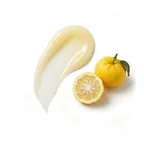 Yuja Extract Citron Extract
 Zinc Oxide
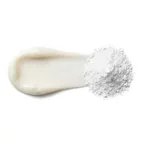 Titanium Dioxide
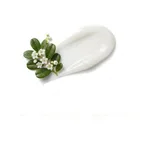 Arbutin
Average
- AverageOily Skin Fit
- AverageEffectiveness
- HighSafety
Works for oily skin; other sunscreens fit it better.
- American Journal of Clinical Dermatology, 2002
- Clinical, Cosmetic and Investigational Dermatology, 2017
This fit is calculated for the concerns frequently associated with oily skin: shine, enlarged pores, blackheads, and blemishes. For scores and recommendations based on your full skin profile, including your 12D face scan results and any goals or preferences you have, please use the Lovi app.
Updated How the Fit score works
Lovi Assistant explains
- Offers moderate suitability for your oily skin as niacinamide provides some seboregulation, while glycerin and panthenol offer general hydration and soothing benefits. The inclusion of zinc oxide and titanium dioxide ensures excellent sun protection, which is a key functional aspect.
- While the formula is safe for your oily skin with soothing ingredients like bisabolol and niacinamide, it lacks sufficient components for optimal oil control to address your main goal of reducing oily shine.
- The product is safe for your skin, with no risks of irritation due to the absence of harsh ingredients and the presence of soothing agents.
How to apply
- Apply this sunscreen during your AM routine every single day. Reapply every two hours if you are staying outdoors.
- Apply the sunscreen as the final step of your morning skincare routine after your moisturizer. Allow your moisturizer to absorb fully before putting it on.
- Squeeze a generous amount and pat it gently all over your face and neck. Avoid rubbing the product harshly into your skin.
- Apply the sunscreen directly onto dry skin to ensure it forms an even and protective layer against the sun.
- Avoid getting the product directly into your eyes and stop using it if any irritation occurs.
People Say
★3.5Overall rating based on 100+ reviewsBased on limited data, users with lighter skin tones often enjoy the instant brightening and non-greasy finish. However, a very high number of users report a significant white cast, especially on darker skin tones, and many find the texture thick and prone to clinging to dry patches or emphasizing wrinkles.
Highlights
Strong white cast Mostly Mentioned
- “leaves a very strong white cast”
- “look like a ghost”
- “ashy on dark skin”
- “white cast doesn't dissipate”
Instant tone-up Often Mentioned
- “provides instant tone-up”
- “makes skin look glowing”
- “natural tone-up for fair skin”
- “gives a healthy fresh look”
Pleasant scent Often Mentioned
- “smells like fresh lemons”
- “divine citrus fragrance”
- “refreshing scent”
- “smells like mandarin orange”
Thick texture Often Mentioned
- “hard to blend”
- “texture is like a paste”
- “takes time to rub in”
- “drags on the skin”
Beneficial ingredients Sometimes Noted
- “contains niacinamide for brightening”
- “good ingredient list”
- “alcohol-free”
- “helps fade acne scars”
Non-greasy finish Sometimes Noted
- “dries down to a powdery finish”
- “not greasy”
- “good for oily skin”
- “doesn't leave a sticky residue”
Drying and clingy Sometimes Noted
- “clings to dry patches”
- “emphasizes wrinkles”
- “skin felt dry after an hour”
- “settles into fine lines”
Potential irritation Rarely Noted
- “caused breakouts”
- “tingling sensation”
- “skin felt itchy”
- “caused redness”
Sources: lovi.care, pickyskincare.com, femaledaily.com, youtube.com, yesstyle.com, incidecoder.com, and more
Questions and answers
How well does Yuja Niacin Mineral 100 Brightening Sun Cream work for oily skin?
This product works moderately well for oily skin, offering reliable sun protection and soothing benefits, though it lacks strong oil-control components to fully reduce shine. A product of this type for oily skin needs mattifying and hydrating ingredients, as well as lightweight formulations that manage oil production without heavy oils.
American Journal of Clinical Dermatology, 2002Clinical, Cosmetic and Investigational Dermatology, 2017
Which ingredients make this cream a good fit for oily skin?
Niacinamide, panthenol, and glycerin make this cream a reasonable fit for oily skin by helping control oil production and providing lightweight soothing hydration. Because it lacks stronger oil-controlling components, an option for oily skin needs mattifying ingredients and lightweight hydrators to keep shine in check.
American Journal of Clinical Dermatology, 2002Clinical, Cosmetic and Investigational Dermatology, 2017
What does Niacinamide do for oily skin?
Niacinamide helps control oily skin by reducing the amount of oil your skin produces day to day. It also keeps your face feeling balanced and is well tolerated without causing irritation.
Journal of Cosmetic and Laser Therapy, 2006BioMed Research International, 2022
What does Yuja Extract do for oily skin?
Yuja Extract helps calm oily skin by balancing oil production and reducing redness and irritation. This type of skin also needs lightweight hydration and antioxidants to keep pores clear and protect against daily damage.
Where does this cream go in a skincare routine for oily skin?
This cream goes in the morning routine as the final step after your moisturizer. Oily skin of this type needs mineral sunscreens with stronger oil-controlling ingredients to keep shine down all day.
Can I use this cream with retinol, and in what order?
You can use this sunscreen in the morning as the final step of your daytime routine, after your moisturizer and before any makeup. It is safe for your skin and is unlikely to cause irritation, but an oily skin type needs stronger oil-absorbing ingredients to keep shine under control.
How often should I use this cream?
You can use this sunscreen every morning as the final step of your daytime routine. Oily skin works best with sunscreens that include oil-absorbing ingredients like silica, clay, or higher levels of niacinamide to keep excess shine under control.
Can this cream clog pores, cause breakouts or purging for oily skin?
This cream is unlikely to cause irritation or breakouts on oily skin, as it contains soothing ingredients and lacks harsh additives. However, an oily skin type needs lightweight, highly oil-controlling ingredients and mattifying agents to properly manage shine.
What the research says
Topical dexpanthenol acts as a moisturizer, improves stratum corneum hydration, accelerates wound healing and epidermal regeneration, reduces erythema, and improves symptoms of skin irritation compared to vehicle or no pretreatment.
American Journal of Clinical Dermatology, 2002A single application of a moisturizing fluid containing hyaluronic acid 1%, glycerin 5%, and Centella asiatica stem cells extract significantly increased skin hydration by 29% and reduced transepidermal water loss at 24 hours compared to baseline and an untreated control site in twenty healthy women.
Clinical, Cosmetic and Investigational Dermatology, 2017A new topical panthenol-containing emollient significantly improved transepidermal water loss reduction, stratum corneum hydration, and intercellular lipid lamellae length compared with control in healthy subjects without negatively impacting bacterial viability.
The Journal of Dermatological Treatment, 2017Topical nicotinamide prevented solar-simulated UV-induced immunosuppression in healthy volunteers, and men experienced immunosuppression at solar-simulated UV doses three times lower than those required for women.
The Journal of Investigative Dermatology, 2008Topical 5% niacinamide applied twice daily for 12 weeks reduced fine lines and wrinkles, hyperpigmented spots, red blotchiness, and skin sallowness, and improved skin elasticity compared to vehicle control in 50 female white subjects with facial photoaging.
Dermatologic Surgery, 2005Topical 2% niacinamide significantly decreased sebum excretion rate in Japanese individuals and casual sebum levels in Caucasian individuals compared to placebo or baseline.
Journal of Cosmetic and Laser Therapy, 2006Citrus junos callus extract decreased melanin content in melanocytes 1.85-fold compared with arbutin and promoted the proliferation of and procollagen synthesis by human fibroblasts by 154% and 176% at 500 μg/mL.
Molecules, 2017Yuja-peel fractions (ethyl acetate, hexane, and butanol) inhibited MMP expression, induced moisturizing factors filaggrin and serine palmitoyltransferase, and decreased melanin content in UVB-irradiated HaCaT, HDF, and α-MSH-treated B16F10 cells.
Antioxidants, 2022Upcycled low-molecular-weight anionic peptides from Citrus junos seeds protected UVR-irradiated keratinocytes and reconstructed skin tissue by scavenging reactive oxygen species, reducing paracrine cytokines, inhibiting melanin synthesis and TRP-2 expression, and increasing filaggrin, laminin-5, and type I collagen expression.
International Journal of Molecular Sciences, 2024Topical 0.5% hyaluronic-ZnO nanogel applied twice daily reduced inflammatory-lesion counts by 58% at week four in human subjects compared to baseline without causing erythema.
Biomedicines, 2025Daily use of a deep cleansing gel containing salicylic acid 2%, zinc gluconate 0.2% and lipohydroxy acid 0.05% significantly reduced total lesion count by 56.3% after 84 days in 35 subjects with mild to moderate truncal acne.
Clinical, Cosmetic and Investigational Dermatology, 2023Topical zinc oxide nanogels formulated using Dendrobium anosmum showed greater effectiveness against Gram-positive acne-causing bacteria compared to chemogenic nanoparticles.
Molecules, 2023Microfine titanium dioxide does not penetrate human skin when formulated in an oil-in-water emulsion with the pigment dispersed in the aqueous phase, compared to oily dispersions and liposomal encapsulation which allow deeper skin penetration.
International Journal of Cosmetic Science, 2000Replacing microsized titanium dioxide and zinc oxide with nanoparticles in sunscreens eliminates opaqueness and alters UV protection balance while inducing (photo)cyto- and genotoxicity and penetrating viable skin layers during long-term exposures.
Nanotechnology, Science and Applications, 2011Hyaluronic acid-grafted titanium dioxide nanoparticles increased SPF from 13.3 to 19.1 while demonstrating low photocatalytic activity, exceptional thermal stability with >95% SPF retention, enhanced moisturization with >80% hydration retention, and minimal cytotoxicity with 88.5% cell viability in HaCaT keratinocytes compared to unmodified nanoparticles.
International Journal of Biological Macromolecules, 2025A non-hydroquinone topical formulation (SKNB19) improved hyperpigmentation by 28.5% in patient self-assessment and 27% in independent reviewer assessment compared with 4% hydroquinone in 18 adult subjects, while showing significantly less irritation and better tolerability.
Journal of Cosmetic Science, 2020Encapsulation of alpha arbutin in an optimized ethosomal gel significantly improved skin melanin reduction, moisture content, and elasticity in human volunteers compared to conventional formulations.
Heliyon, 2023Aziderm cream, Neostrata Pigment Lightening Gel, and an arbutin 5% formulation significantly reduced skin pigmentation in healthy female volunteers compared to untreated controls.
The Journal of Clinical and Aesthetic Dermatology, 2022
Ingredients
Water, Cyclohexasiloxane, Zinc Oxide, Titanium Dioxide Ci 77891, Propanediol, Polyglyceryl-3 Polydimethylsiloxyethyl Dimethicone, Dibutyl Adipate, Niacinamide, Caprylyl Methicone, 1,2-Hexanediol, Disteardimonium Hectorite, Betaine, Magnesium Sulfate, Panthenol, Hydrogen Dimethicone, Inositol, Aluminum Hydroxide, C30-45 Alkyl Cetearyl Dimethicone Crosspolymer, Polyglyceryl-2 Dipolyhydroxystearate, Styrene Acrylates Copolymer, Stearic Acid, Bergamot Oil Fruit, Pentylene Glycol, Ethylhexylglycerin, Octyldodecanol, Adenosine, Triethoxycaprylylsilane, Salvia Officinalis Oil, Glutathione, Arbutin, Bisabolol, Echium Plantagineum Seed Oil, Glycerin, Butylene Glycol, Nelumbo Nucifera Flower Extract, Cardiospermum Halicacabum Vine Extract Flower Leaf, Helianthus Annuus Seed Oil Sunflower Seed Oil, Hydrogenated Lecithin, Polyglyceryl-10 Stearate, Dicaprylyl Carbonate, Cetearyl Isononanoate, Sodium Ascorbyl Phosphate, Tocopherol, Citrus Junos Fruit Extract, Folic Acid, Biotin, Pyridoxine, Cyanocobalamin, Linoleic Acid, Thiamine Hcl, Beta-Carotene, Riboflavin, Limonene, Linalool
Behind this fit score
Lovi calculates every fit score from the full ingredient list with brand-independent rules our dermatologists and cosmetic chemists build and review, and personalizes every pick with AI trained on the real results of millions of users. Lovi trains its fit score models on a proprietary dataset built from more than 10,000 expert-labeled products and more than 100,000 simulated examples, following an internally consistent methodology presented at Cosmoprof, AMWC, and Skin of Color Update.
-

Co-founder, Medical Director
Cosmetic chemist, cosmetologist, aesthetic products developer
-

Co-founder, CEO and CTO
PhD in computer science, 3x US patent holder, ex-Google, ex-Yandex
-

Dr. Sofía Perea Pérez, MD, MSc
Medical Board
Aesthetic medicine practitioner, MSc in Longevity and Anti-Aging Medicine
-

Medical Board
Specialist dermatologist, MBBS, MD, IFAAD
-

Medical Board
Cosmetic chemist, SCS, IFSCC member
-

Medical Board, Medical Advisor
Dermatology MD
-

Elina Nazarenko, MD
Medical Board
Dermatology and diagnostic consultant
-

Victoria Derkova, MS
Medical Board
Cosmetic chemist, cosmetic development technologist


How does it fit your skin?
Scan your face, then any product: Lovi shows how well it fits you and what fits even better.