
SkinCeuticals Retinol 1.0 Maximum Strength Refining Night Cream for dry skin

 Retinol
 Glycerin
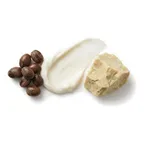 Butyrospermum Parkii Butter Shea Butter
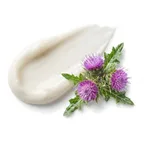 Silybum Marianum Milk Extract
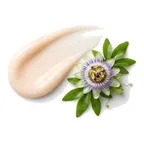 Passiflora Incarnata Extract
Average
- AverageDry Skin Fit
- AverageEffectiveness
- HighSafety
Works for dry skin; other serums fit it better.
This fit is calculated for the concerns frequently associated with dry skin: flakiness, tightness, dehydration, fine lines, and wrinkles. For scores and recommendations based on your full skin profile, including your 12D face scan results and any goals or preferences you have, please use the Lovi app.
Updated How the Fit score works
Lovi Assistant explains
- Offers moderate suitability for dry skin due to the presence of shea butter and glycerin which provide emollient and humectant actions, but lacks sufficient occlusive ingredients for optimal hydration.
- The retinol content promotes skin smoothing and minimizes fine lines, offering general skincare benefits that are mostly supportive rather than intensely moisturizing for dry or flaky skin.
- The formulation is safe for your dry skin, with no risks of irritation due to the absence of prohibited or harsh ingredients.
How to apply
- Apply this serum PM, starting 3×/week and working up to daily use as your skin adjusts.
- Place the serum after cleansing and toner, but right before your moisturizer.
- Gently press 2-3 drops of the serum into your skin and let it absorb for a minute.
- Apply the serum on slightly damp skin to help lock in extra moisture.
- Avoid the eye area and do a patch test before your first use.
People Say
★4.6Overall rating based on 2.3k+ reviewsBased on a very large amount of data, users consistently describe this cream as a powerhouse professional-grade treatment that delivers dramatic improvements in skin texture, clarity, and firmness, often outperforming prescription alternatives. While the results are highly praised, the majority of reviews emphasize that the retinization period—characterized by peeling, redness, and dryness—is intense and requires a slow, careful introduction to the routine.
Highlights
Effective anti-aging Mostly Mentioned
- “Lines around mouth vanished”
- “Forehead wrinkles significantly reduced”
- “Skin looks years younger”
Refines skin texture Mostly Mentioned
- “Texture is completely gone”
- “Skin feels like porcelain”
- “Smoothest my face has ever been”
Clears acne & pores Often Mentioned
- “Stopped my hormonal breakouts”
- “Pores look invisible now”
- “Faded dark spots from old acne”
Intense irritation Often Mentioned
- “Face peeled like a snake”
- “Burned my sensitive skin”
- “Redness lasted for days”
Fast-acting results Sometimes Noted
- “Saw difference in one week”
- “Woke up glowing”
- “Works faster than other brands”
Drying formula Sometimes Noted
- “Sucked moisture out of skin”
- “Must use heavy cream after”
- “Too drying for winter”
High price point Sometimes Noted
- “Hard on the wallet”
- “Very expensive for the size”
- “Wish it was cheaper”
Packaging design flaws Rarely Noted
- “Metal tube split on the side”
- “Product oozed out of cap”
- “Packaging is frustrating”
Sources: lovi.care, skinceuticals.com, dermstore.com, lovelyskin.com, bluemercury.com, amazon.com, and more
Questions and answers
How well does SkinCeuticals Retinol 1.0 work for dry skin?
This treatment works moderately well for dry skin because shea butter and glycerin help soften the skin, though it needs heavier locking-in ingredients and nourishing elements like ceramides or niacinamide for deep hydration.
Which ingredients make this cream a good fit for dry skin?
Shea butter and glycerin make this cream a moderate fit for dry skin by softening and holding moisture, though dry skin of this type needs rich barrier-supporting ingredients like ceramides, niacinamide, or peptides for best results.
What does Retinol do for dry skin?
Retinol helps dry skin by boosting collagen and thickening the deeper layers over time, but it may cause initial dryness, scaling, and stinging as your skin adjusts. To work well for dry skin, a product of this type needs added nourishing and soothing ingredients that protect the moisture barrier.
International Journal of Molecular Sciences, 2026The British Journal of Dermatology, 2019
What does Glycerin do for dry skin?
Glycerin helps dry skin by drawing in moisture to keep it soft and hydrated for a full day. It also strengthens your skin barrier to prevent moisture loss and helps repair dryness faster.
Clinical, Cosmetic and Investigational Dermatology, 2017Journal of Wound, Ostomy, and Continence Nursing, 2017
Where does this cream go in a skincare routine for dry skin?
This treatment goes in the evening routine after cleansing and before moisturizing. A product of this type needs rich moisturizing butters and oils to keep dry skin comfortable and well hydrated.
Can I use this cream with glycolic acid, and in what order?
It is best to avoid using this cream in the same routine as glycolic acid, as combining them may cause unwanted irritation on dry skin. Instead, alternate the nights you use them or apply glycolic acid in the morning and reserve this cream for your evening routine.
How often should I use this cream?
This treatment is used in the evening as part of your routine. Retinol smooths the skin and helps minimize fine lines, though dry skin of this type also needs heavier sealing ingredients to lock in moisture.
Can this cream clog pores, cause breakouts or purging for dry skin?
This cream is unlikely to clog pores on dry skin, but its retinol content may cause mild skin peeling or purging as your skin adjusts. A product for this skin needs richer sealing ingredients to lock in moisture and prevent dryness.
Is this cream fragrance-free and alcohol-free?
Yes, it has no fragrance and no drying alcohol.
What the research says
Topical application of retinol and retinoic acid both increased epidermal thickness and upregulated collagen genes and proteins in human skin, with retinol producing similar histological and molecular changes to retinoic acid alongside a significant reduction in facial wrinkles after 12 weeks.
Journal of Cosmetic Dermatology, 2016Topical bakuchiol 0.5% applied twice daily compared with retinol 0.5% applied daily significantly decreased wrinkle surface area and hyperpigmentation with no statistical difference between the compounds in 44 patients over 12 weeks, while retinol users reported more facial skin scaling and stinging.
The British Journal of Dermatology, 2019Topical 0.3% and 1% retinol comparably improved biomarkers of cutaneous photoageing in photoaged volunteers, while 0.3% retinol demonstrated better tolerance with fewer and milder adverse events compared to 1% retinol in a daily escalation regimen.
International Journal of Cosmetic Science, 2022Daily application of 0.3% and 0.5% retinol serums in 37 volunteers over 12 weeks reduced skin hyperpigmentation, unevenness, and wrinkles on both sides of the face, with the 0.5% concentration causing more frequent and intense skin irritation.
Skin Pharmacology and Physiology, 2020Topical application of 0.1% retinol induced CRABP2 and HBEGF gene expression, increased keratinocyte proliferation and epidermal thickness ex vivo, and improved major skin aging signs without significant adverse reactions in 48 volunteers compared to placebo.
Skin Pharmacology and Physiology, 2009A single application of a moisturizing fluid containing hyaluronic acid 1%, glycerin 5%, and Centella asiatica stem cells extract significantly increased skin hydration by 29% and reduced transepidermal water loss at 24 hours compared to baseline and an untreated control site in twenty healthy women.
Clinical, Cosmetic and Investigational Dermatology, 2017The emollient V0034CR significantly reduced TEWL compared to vehicle and vehicle plus glycerol, and significantly increased corneometry scores compared to vehicle and vehicle plus petrolatum in healthy volunteers with dry skin, demonstrating combined barrier function improvement from petrolatum and hydration improvement from glycerol.
Journal of Cosmetic Dermatology, 2020Ten days of treatment with a cream containing 20% glycerin significantly increased skin hydration measured by corneometer values in 17 healthy volunteers compared to a placebo cream, but showed no influence on transepidermal water loss or skin sensitivity to an irritating surfactant.
International Journal of Cosmetic Science, 2001A skin barrier restoring cream with shea butter, silkflo, and vitamin E increased type I procollagen synthesis, enhanced antioxidant enzyme activity, decreased reactive oxygen species generation, and promoted hyaluronic acid production in H2O2-stimulated human keratinocyte cells compared to untreated cells.
International Journal of Cosmetic Science, 2025Topical 0.5% silymarin-loaded antioxidant serum applied twice daily significantly reduced clinical acne severity, lesion counts, and melanin pigmentation in 22 Korean acne patients over 4 weeks without associated adverse events.
Journal of Cosmetic Dermatology, 2023Topical silymarin cream 1.4% showed comparable results to salicylic acid 30% peels in reducing acne severity in 30 patients with mild to moderate acne vulgaris.
Journal of Cutaneous Medicine and Surgery, 2024Silymarin antioxidant serum reduced inflammatory lesions by 45% and noninflammatory lesions by 43% in 56 subjects over 12 weeks, and improved tolerability by reducing erythema, dryness, and scaling when added to prescription acne therapy in 40 subjects.
Journal of Drugs in Dermatology, 2024
Why other serums fit dry skin better
Treatment with 14% ferulic acid and 12% l-ascorbic acid significantly reduced pigmentation and erythema while improving hydration and elasticity in 20 women with photoaged skin, with neither acid proving definitively more effective overall though ascorbic acid showed slightly greater skin lightening.
Dermatologic Therapy, 2022Treatment with cross-linked hyaluronic acid-based microneedle patches combined with acetyl hexapeptide-8 or epidermal growth factor significantly improved wrinkles and skin hydration compared to the patch alone in Korean females over 29 days.
Annals of Dermatology, 2019
Ingredients
Water, Cyclomethicone, Cyclopentasiloxane, Propylene Glycol, Polysorbate 20, Allyl Methacrylate Crosspolymer, Hydrogenated Lecithin, Caprylic Capric Triglyceride, Butyrospermum Parkii Butter Shea Butter, Dimethiconol, Dimethicone, Dimethicone Peg-7 Isostearate, Retinol, Laureth-23, Laureth-4, Sodium Polyacrylate, Dimethicone Crosspolymer, Glycerin, Polyacrylamide, C13-14 Isoparaffin, Bht, Bisabolol, Tetrasodium Edta, Passiflora Incarnata Flower Extract, Rosa Canina Leaf Extract, Silybum Marianum Fruit Extract, Hypericum Perforatum Extract, Chamomilla Recutita Leaf Extract Matricaria Leaf Extract, Citric Acid, Methylisothiazolinone
Behind this fit score
Lovi calculates every fit score from the full ingredient list with brand-independent rules our dermatologists and cosmetic chemists build and review, and personalizes every pick with AI trained on the real results of millions of users. Lovi trains its fit score models on a proprietary dataset built from more than 10,000 expert-labeled products and more than 100,000 simulated examples, following an internally consistent methodology presented at Cosmoprof, AMWC, and Skin of Color Update.
-

Co-founder, Medical Director
Cosmetic chemist, cosmetologist, aesthetic products developer
-

Co-founder, CEO and CTO
PhD in computer science, 3x US patent holder, ex-Google, ex-Yandex
-

Dr. Sofía Perea Pérez, MD, MSc
Medical Board
Aesthetic medicine practitioner, MSc in Longevity and Anti-Aging Medicine
-

Medical Board
Specialist dermatologist, MBBS, MD, IFAAD
-

Medical Board
Cosmetic chemist, SCS, IFSCC member
-

Medical Board, Medical Advisor
Dermatology MD
-

Elina Nazarenko, MD
Medical Board
Dermatology and diagnostic consultant
-

Victoria Derkova, MS
Medical Board
Cosmetic chemist, cosmetic development technologist


How does it fit your skin?
Scan your face, then any product: Lovi shows how well it fits you and what fits even better.