
SkinCeuticals Micro-Exfoliating Scrub for acne-prone skin

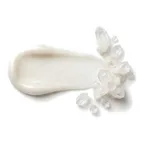 Hydrated Silica
 Aloe Barbadensis Leaf Juice Powder
 Glycerin
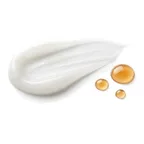 Cocamidopropyl Betaine
 Tocopheryl Acetate
High
- HighCombination Skin Fit
- HighEffectiveness
- ExcellentSafety
A great choice for acne-prone skin; a few exfoliants fit it even better.
This fit is calculated for the concerns frequently associated with acne-prone skin: breakouts, blackheads, and post-acne marks. For scores and recommendations based on your full skin profile, including your 12D face scan results and any goals or preferences you have, please use the Lovi app.
Updated How the Fit score works
Lovi Assistant explains
- Offers moderate exfoliation for your combination skin, as hydrated silica aids in physical exfoliation while glycerin provides humectant action to balance oily and dry areas.
- Aloe barbadensis leaf juice powder offers soothing benefits, making it suitable for managing acne and blemishes without causing irritation.
- The safety profile is excellent, with no risks of irritation due to the absence of harsh ingredients and the presence of soothing components.
How to apply
- Use this exfoliant PM once a week to start, and gradually increase if your combination skin tolerates it well. Always apply SPF the next morning to protect your clear skin.
- Apply the exfoliant after cleansing and toning, but right before your moisturizer step. This ensures the treatment targets blemishes effectively.
- Gently press 2-3 drops of the exfoliant into your skin without rubbing. Let it absorb for a minute before moving to the next step.
- Apply the exfoliant on clean, dry skin to help control breakouts safely. Since your skin is not sensitive, this dry application method ensures good product absorption.
- Avoid the sensitive eye area and do a patch test before your first use. Do not mix this exfoliant with other strong acids in the same routine.
People Say
★4.8Overall rating based on 1.5k+ reviewsBased on a very large amount of data, users consistently praise this scrub for its ability to smooth skin texture and decongest pores without causing irritation or dryness, making it a favorite for sensitive and dry skin types. The vast majority find it leaves skin polished and hydrated, though a small minority feels it is too gentle for deep exfoliation or dislikes the slight residue it can leave behind.
Highlights
Gentle exfoliation Mostly Mentioned
- “Perfect balance of gentle and effective”
- “smooths without feeling scratchy”
- “gentle enough for daily use”
Smooths texture Often Mentioned
- “Face feels so smooth”
- “polishes away dullness”
- “leaves skin looking refined”
Good for sensitive skin Sometimes Noted
- “My sensitive skin tolerates this”
- “no irritation”
- “gentle option for sensitive skin”
Non-drying formula Sometimes Noted
- “Not stripped or tight”
- “leaves skin soft and hydrated”
- “moisturizing gel texture”
Improves absorption Rarely Noted
- “Serums absorb much better”
- “makes everything else apply better”
- “allows skin to absorb product”
High price Rarely Noted
- “Cheaper alternatives exist”
- “expensive for a scrub”
- “pricey but worth it”
Rare irritation Rarely Noted
- “Face on fire”
- “burned for an hour”
- “caused redness”
Too gentle Rarely Noted
- “Expected more oomph”
- “too gentle”
- “not scrubby enough”
Waxy residue Rarely Noted
- “Leaves a residue that feels waxy”
- “film on skin”
- “don't feel clean after”
Sources: lovi.care, dermstore.com, lovelyskin.com, bluemercury.com, influenster.com, and more
Questions and answers
What makes SkinCeuticals Micro-Exfoliating Scrub a great fit for acne-prone skin?
This scrub is a great fit because it provides moderate physical exfoliation with hydrated silica while glycerin balances moisture, and aloe barbadensis leaf juice powder helps soothe blemishes without causing irritation.
Which ingredients make this exfoliant a good fit for acne-prone skin?
Hydrated silica in this exfoliant provides gentle physical scrubbing, while glycerin keeps your skin soft and balanced. Additionally, aloe barbadensis leaf juice powder helps calm acne and blemishes without causing irritation.
What does Hydrated Silica do for acne-prone skin?
Hydrated Silica helps absorb excess oil and improves the delivery of blemish-fighting ingredients in your routine. This ingredient is generally safe for daily use and is unlikely to irritate acne-prone skin.
What does Aloe Vera do for acne-prone skin?
Aloe vera helps calm acne-prone skin by reducing redness, swelling, and the number of blemishes. It works well alongside standard routines and treatments to soothe irritated areas and improve overall skin clarity.
Clinical Pharmacology, 2018The Journal of Dermatological Treatment, 2014
Where does this exfoliant go in a skincare routine for acne-prone skin?
This exfoliant fits into a weekly routine for acne-prone skin once a week to start. It helps smooth the skin with minimal risk of irritation when you use it carefully.
Can I use this exfoliant with retinol, and in what order?
This exfoliant is a great fit for your acne-prone skin, as it offers moderate physical scrubbing alongside soothing aloe and hydrating glycerin to balance oily and dry areas safely without irritation. When pairing it with retinol, use them on alternating nights to ensure your skin stays calm and smooth.
How often should I use this exfoliant?
Start by using this exfoliant once a week, and if your skin handles it well and you see good results, you can carefully use it more often. It is very unlikely to cause irritation thanks to its gentle soothing ingredients and great safety profile.
Can it clog pores, cause breakouts or purging for acne-prone skin?
This scrub is a great fit for acne-prone skin because it offers gentle exfoliation with hydrated silica and soothing benefits from aloe vera, making it very unlikely to clog pores or cause breakouts. Glycerin also helps balance your skin while keeping it soft and calm.
Is this exfoliant fragrance-free and alcohol-free?
Yes, it has no fragrance and no drying alcohol.
What the research says
A single application of a moisturizing fluid containing hyaluronic acid 1%, glycerin 5%, and Centella asiatica stem cells extract significantly increased skin hydration by 29% and reduced transepidermal water loss at 24 hours compared to baseline and an untreated control site in twenty healthy women.
Clinical, Cosmetic and Investigational Dermatology, 2017A cream combining propolis, tea tree oil, and Aloe vera reduced erythema scars, acne severity index, and total lesion count better than erythromycin cream in sixty patients with mild to moderate acne vulgaris compared to placebo.
Clinical Pharmacology, 2018Dermatological products containing d-alpha tocopheryl acetate showed non-comedogenic potential with less than a 50% increase in microcomedones in 12 healthy male subjects compared to octyl palmitate.
Contemporary Clinical Trials Communications, 2021Film-forming formulations containing porous silica achieved skin permeation rates comparable to immediate release formulations while confirming prolonged drug availability and causing no skin irritation in healthy volunteers.
European Journal of Pharmaceutical Sciences, 2017Topical treatment with silica mud and microalgae extracts from the Blue Lagoon improved skin barrier function by inducing epidermal gene expression and reducing transepidermal water loss in healthy humans, while preventing skin aging markers in vitro.
Experimental Dermatology, 2008Flower-like mesoporous silica nanoparticles exhibited a significantly superior oil-absorption capacity, including a 226.3% increase in adsorbing large-molecular-weight PDMS-15000 w, compared to conventional mesoporous silica nanoparticles.
RSC Advances, 2026Formulations containing 0.10%, 0.25%, and 0.50% freeze-dried Aloe vera extract increased stratum corneum water content compared with the vehicle in 20 female subjects, while transepidermal water loss was not modified.
Skin Research and Technology, 2006Kombucha-mediated fermentation of aloe vera gel for 10 and 20 days enhanced its phenolic and flavonoid content, antioxidant capacity, cytoprotective effects, enzyme inhibition against collagenase, elastase, and hyaluronidase, and moisturizing properties compared to unfermented gel.
Molecules, 2025Aloe vera gel phenolic and polysaccharide extracts demonstrated distinct wound-healing properties in vitro, with the phenolic extract exhibiting anti-inflammatory, antioxidant, and fibroblast-stimulating effects, and the polysaccharide extract showing enhanced collagen synthesis and antibacterial activity against Staphylococcus aureus.
Journal of Functional Biomaterials, 2024The emollient V0034CR significantly reduced TEWL compared to vehicle and vehicle plus glycerol, and significantly increased corneometry scores compared to vehicle and vehicle plus petrolatum in healthy volunteers with dry skin, demonstrating combined barrier function improvement from petrolatum and hydration improvement from glycerol.
Journal of Cosmetic Dermatology, 2020Ten days of treatment with a cream containing 20% glycerin significantly increased skin hydration measured by corneometer values in 17 healthy volunteers compared to a placebo cream, but showed no influence on transepidermal water loss or skin sensitivity to an irritating surfactant.
International Journal of Cosmetic Science, 2001Niacinamide/glycerin body moisturizers provided better rapid and prolonged improvement of cosmetic xerosis through functional improvement of stratum corneum barrier function compared to no treatment and conventional moisturizers in female subjects.
Journal of Drugs in Dermatology, 2012The cytotoxic effect of sodium lauryl sulphate on normal human keratinocytes was significantly decreased when combined with cocamidopropyl betaine, Tween 20, and Tween 80 at concentrations well below the critical micelle concentration.
Skin Pharmacology and Applied Skin Physiology, 2003A topical serum containing vitamin C, vitamin E, and raspberry leaf cell culture extract improved skin color, elasticity, radiance, smoothness, scaliness, and wrinkles compared to the untreated contralateral side in fifty female volunteers.
Journal of Cosmetic Dermatology, 2020A nighttime topical antioxidant containing resveratrol, baicalin, and vitamin E significantly improved fine lines, wrinkles, firmness, elasticity, laxity, hyperpigmentation, radiance, roughness, and dermal thickness in subjects with mild to moderately photodamaged skin over 12 weeks.
Journal of Drugs in Dermatology, 2014A topical antioxidant serum significantly reduced air pollution-induced skin pigmentation and proinflammatory gene expression ex vivo, and improved skin aging signs in 40 healthy adult females after 90 days of daily use.
Journal of Cosmetic Dermatology, 2022
Ingredients
Aloe Barbadensis Leaf Juice Powder, Carbomer, Cocamidopropyl Betaine, Disodium Edta, Glycerin, Hydrated Silica, Phenoxyethanol, Propylene Glycol, Sodium Benzoate, Sodium Chloride, Sodium Laureth Sulfate Sles, Tocopheryl Acetate, Triethanolamine, Chlorphenesin, Water
Behind this fit score
Lovi calculates every fit score from the full ingredient list with brand-independent rules our dermatologists and cosmetic chemists build and review, and personalizes every pick with AI trained on the real results of millions of users. Lovi trains its fit score models on a proprietary dataset built from more than 10,000 expert-labeled products and more than 100,000 simulated examples, following an internally consistent methodology presented at Cosmoprof, AMWC, and Skin of Color Update.
-

Co-founder, Medical Director
Cosmetic chemist, cosmetologist, aesthetic products developer
-

Co-founder, CEO and CTO
PhD in computer science, 3x US patent holder, ex-Google, ex-Yandex
-

Dr. Sofía Perea Pérez, MD, MSc
Medical Board
Aesthetic medicine practitioner, MSc in Longevity and Anti-Aging Medicine
-

Medical Board
Specialist dermatologist, MBBS, MD, IFAAD
-

Medical Board
Cosmetic chemist, SCS, IFSCC member
-

Medical Board, Medical Advisor
Dermatology MD
-

Elina Nazarenko, MD
Medical Board
Dermatology and diagnostic consultant
-

Victoria Derkova, MS
Medical Board
Cosmetic chemist, cosmetic development technologist


How does it fit your skin?
Scan your face, then any product: Lovi shows how well it fits you and what fits even better.