
Skinbetter Science Alto Advanced Defense and Repair Serum for oily acne-prone skin

 Niacinamide
 Tetrahexyldecyl Ascorbate
 Hydrolyzed Sodium Hyaluronate
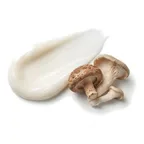 Ergothioneine
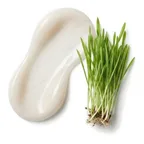 Superoxide Dismutase
Average
- HighOily Skin Fit
- AverageEffectiveness
- HighSafety
Works for oily acne-prone skin; other serums fit it better.
This fit is calculated for the concerns frequently associated with oily acne-prone skin: shine, breakouts, blemishes, and enlarged pores. For scores and recommendations based on your full skin profile, including your 12D face scan results and any goals or preferences you have, please use the Lovi app.
Updated How the Fit score works
Lovi Assistant explains
- Offers moderate benefits for your oily skin, with niacinamide and chlorogenic acids providing seboregulation and antioxidant support, though it lacks targeted ingredients for your acne, blemishes, and breakouts.
- The serum provides excellent antioxidant protection and skin repair due to ergothioneine and chlorogenic acids, which are beneficial for general skin health.
- The safety profile is excellent, with no risks of irritation for your oily skin due to the absence of prohibited or harsh ingredients.
How to apply
- Could be used as part of your PM routine. Start 3 times a week and build up to daily use if your skin tolerates it well.
- Apply your serum after cleansing and toning, but before putting on your moisturizer.
- Gently press 2 to 3 drops of the serum into your skin and let it absorb for a minute.
- Apply the serum on clean, dry skin to help manage your blemishes safely.
- Do a patch test before your first use and avoid the delicate eye area.
People Say
★4.8Overall rating based on 200+ reviewsThis serum is highly praised for its sophisticated formula that significantly enhances skin radiance, tone, and texture. Its elegant, non-tacky texture is frequently mentioned as a positive attribute, making it easy to incorporate into daily routines. The primary drawback noted by users is the high price point, with some experiencing low-frequency issues like dryness or a slight yellow residue.
Highlights
Elegant texture Mostly Mentioned
- “Feels lightweight and silky”
- “No tackiness or grit”
- “Layers perfectly under SPF”
High price point Mostly Mentioned
- “Very pricey”
- “Expensive investment”
- “Cost is a barrier”
Improves radiance Often Mentioned
- “Skin looks less dull”
- “Brighter and more rejuvenated”
- “Noticeable tonal clarity”
Reduces redness Often Mentioned
- “Noticeable decrease in redness”
- “Skin looks less reactive”
Non-irritating formula Sometimes Noted
- “Great for sensitive skin”
- “No stinging or burning”
- “Very tolerable”
Potential dryness Rarely Noted
- “Found it slightly drying”
- “Need extra hydration”
- “Less hydrating than others”
Rare reactions Rarely Noted
- “Started reacting to it”
- “Caused a breakout”
- “Not for my skin”
Yellow residue Rarely Noted
- “Can leave yellow residue”
- “Stains eyebrows if overused”
- “Yellow tint”
Sources: lovi.care, lovelyskin.com, them-ethod.com, skinelite.com, dermstreet.com, reddit.com, and more
Questions and answers
How well does Alto Advanced Defense and Repair Serum work for oily acne-prone skin?
This serum works moderately well for oily acne-prone skin, offering helpful antioxidant support and oil control through ingredients like niacinamide and chlorogenic acids, though it lacks targeted blemish-fighting components. It has a very safe formula that is unlikely to cause irritation on oily skin. To fit this skin type best, a treatment of this type needs targeted acne-clearing ingredients along with oil-controlling and soothing components to keep the skin clear and calm.
International Journal of Cosmetic Science, 2011Free Radical Biology & Medicine, 2015
Which ingredients make this serum a good fit for oily acne-prone skin?
Niacinamide and chlorogenic acids make this serum a fit by providing oil control and antioxidant support, though it lacks targeted ingredients for breakouts. Oily acne-prone skin needs products with effective ingredients like niacinamide, vitamin C, and propolis to manage oil and blemishes safely without irritation.
What does Niacinamide do for oily acne-prone skin?
Niacinamide helps control oily and acne-prone skin by reining in excess sebum production and visibly reducing breakouts and redness. It is well tolerated and may calm the skin while improving overall clarity.
Journal of Cosmetic and Laser Therapy, 2006International Journal of Dermatology, 2013
What does Vitamin C do for oily acne-prone skin?
Vitamin C helps oily acne-prone skin by reducing acne spots and calming red, angry blemishes. It works to clear up breakouts and improve overall skin texture with a very low chance of irritation.
International Journal of Cosmetic Science, 2009Journal of Cosmetic Dermatology, 2010
Where does this serum go in a skincare routine for oily acne-prone skin?
This treatment goes in the evening routine after cleansing and before moisturizing, though some serums can be used in the morning or twice a day. Oily acne-prone skin needs a product of this type that also includes targeted ingredients to help clear blemishes and breakouts.
Can I use this serum with retinol, and in what order?
You can use this treatment alongside retinol, applying the serum first and following with your retinol once it absorbs. This product is unlikely to cause irritation on oily skin, but to properly care for acne-prone skin, this routine step needs targeted blemish-fighting ingredients.
How often should I use this serum?
Apply this serum in the evening. This product of this type needs additional targeted ingredients for acne and blemishes to give your oily acne-prone skin a better fit.
Can this serum clog pores, cause breakouts or purging for oily acne-prone skin?
This serum is unlikely to clog pores or cause breakouts for oily acne-prone skin because it contains no harsh or prohibited ingredients that trigger irritation. However, because it lacks targeted ingredients for acne and blemishes, oily acne-prone skin needs products with specific blemish-fighting ingredients and oil-controlling benefits.
Is this serum fragrance-free and alcohol-free?
Yes, it has no fragrance and no drying alcohol. Cetearyl alcohol is a fatty alcohol, which soften the skin.
What the research says
Methylglyoxal-induced glycation on living human skin explants is prevented by aminoguanidine HCl, and the model demonstrates the antiglycation activity of vegetal substances such as puerarin and chlorogenic acid.
International Journal of Cosmetic Science, 2011A triple combination of ergothioneine, collagen peptides, and sodium hyaluronate attenuated UV-induced skin damage ex vivo and improved facial skin hydration, elasticity, barrier function, and wrinkles in Chinese women.
Frontiers in Nutrition, 2026Ergothioneine at nanomolar concentrations ameliorated UVA-induced skin damage, reactive oxygen species, and apoptosis in human keratinocyte-derived HaCaT cells by upregulating Nrf2/ARE-mediated antioxidant genes.
Free Radical Biology & Medicine, 2015Ergothioneine at submicromolar concentrations ameliorated UVA-induced skin aging in human dermal fibroblasts by inhibiting the AP-1 pathway and activating Nrf2-mediated antioxidant genes.
Oxidative Medicine and Cellular Longevity, 2020Topical nicotinamide prevented solar-simulated UV-induced immunosuppression in healthy volunteers, and men experienced immunosuppression at solar-simulated UV doses three times lower than those required for women.
The Journal of Investigative Dermatology, 2008Topical 5% niacinamide applied twice daily for 12 weeks reduced fine lines and wrinkles, hyperpigmented spots, red blotchiness, and skin sallowness, and improved skin elasticity compared to vehicle control in 50 female white subjects with facial photoaging.
Dermatologic Surgery, 2005Topical 2% niacinamide significantly decreased sebum excretion rate in Japanese individuals and casual sebum levels in Caucasian individuals compared to placebo or baseline.
Journal of Cosmetic and Laser Therapy, 2006Topical application of 5% vitamin C cream significantly improved global clinical scores, increased skin microrelief density, and induced elastic tissue repair in photoaged skin compared to excipient control in healthy female volunteers.
Experimental Dermatology, 2003Topical application of VC-IP cream twice daily for 8 weeks reduces periorbital wrinkles in female subjects compared to a placebo cream.
Journal of Cosmetic Dermatology, 2022Topical treatment with 5% vitamin C and 0.1% madecassoside significantly improved clinical scores for wrinkles, suppleness, firmness, roughness, and skin hydration, along with functional and structural remodeling of the elastic fiber network in 20 female volunteers with photoaged skin after 6 months compared to baseline.
Experimental Dermatology, 2008Topical application of 0.1% hyaluronic acid formulations of different molecular weights led to significant improvements in skin hydration and elasticity, with low-molecular-weight formulations also significantly reducing wrinkle depth in seventy-six female subjects compared to a vehicle control.
Journal of Drugs in Dermatology, 2011Topical hyaluronic acid serum used twice daily by 40 females with facial photoaging produced an immediate 134% increase in skin hydration, a sustained 55% increase at week 6, and significant improvements in smoothness, plumping, fine lines, wrinkles, and global appearance without causing irritation.
Dermatology and Therapy, 2021A topical antioxidant serum significantly reduced air pollution-induced skin pigmentation and proinflammatory gene expression ex vivo, and improved skin aging signs in 40 healthy adult females after 90 days of daily use.
Journal of Cosmetic Dermatology, 2022ECG-Lipo co-delivering ergothioneine and coenzyme Q10 enhanced skin penetration, cellular repair, and mitochondrial integrity preservation in oxidative stress-challenged human dermal fibroblasts compared with free drug solutions.
Colloids and Surfaces. B, Biointerfaces, 2026Ergothioneine pretreatment of UVB-irradiated keratinocytes suppresses ROS production, apoptosis, and cytokine release, thereby alleviating collagen degradation and senescence in co-cultured fibroblasts via activation of the Nrf2/HO-1 pathway and HSP70.
Experimental Cell Research, 2021Ergothioneine protected against UV-induced oxidative stress and cell damage in mouse skin and cell models by activating the PI3K/Akt/Nrf2 signaling pathway.
Clinical, Cosmetic and Investigational Dermatology, 2024Topical application of TAT-SOD significantly suppresses UVB-induced erythema formation, blood flow rise, and apoptotic sunburn cell formation in human volunteers compared to a vehicle control.
European Journal of Pharmaceutics and Biopharmaceutics, 2016Topical treatment with the synthetic SOD/catalase mimetic EUK-134 reduced lipid peroxide levels both at baseline on non-irradiated human skin and at the surface of UVA-exposed skin when applied before or after irradiation, compared to controls.
International Journal of Cosmetic Science, 2004Topical superoxide dismutase formulations maintained physical stability and enzymatic activity for 6 months at 4 and 30 degrees C, and effectively inhibited UVB-induced skin erythema for 48 hours, whereas formulations combined with alpha-tocopherol were unstable.
European Journal of Pharmaceutics and Biopharmaceutics, 2007
Why other serums fit oily acne-prone skin better
Co-delivery of paeonol and madecassoside via nanoemulsions improved transdermal delivery, promoted barrier repair proteins, inhibited inflammatory cytokine secretion in cellular and 3D models, and reduced transepidermal water loss and acne in human facial skin compared to free components.
Molecules, 2023
Ingredients
Water, Butylene Glycol, Propanediol, Ethylhexyl Olivate, Cetearyl Alcohol, Chlorogenic Acids, Niacinamide, Lauryl Lactate, Dimethyl Isosorbide, Pyrroloquinoline Quinone Allyl Ester, Hydrolyzed Sodium Hyaluronate, Glycyrrhiza Glabra Root Extract Licorice Root Extract, Tetrahexyldecyl Ascorbate, Ergothioneine, Benzylidene Dimethoxydimethylindanone, Arabidopsis Thaliana Extract, Carnosine, Camellia Sinensis Leaf Extract, Vitis Vinifera Seed Extract Grape Seed Extract, Theobroma Cacao Seed Extract, Curcuma Longa Root Extract, Olea Europaea Fruit Extract Olive Fruit Extract, Euterpe Oleracea Fruit Extract, Trifluoroacetyl Tripeptide-2, Buddleja Officinalis Flower Extract, Coffea Arabica Extract Cell Leaf Coffee Extract Cell Leaf, Crocus Sativus Extract Cell Leaf Culture, Superoxide Dismutase, Ubiquinone, Plankton Extract, Micrococcus Lysate, Arginine, Zingiber Officinale Root Extract, Ceramide Np, Ceramide Ap, Ceramide Eop, Linoleic Acid, Linolenic Acid, Sea Whip Extract, Bisabolol, Tocopherol, Tocopheryl Acetate, Cholesterol, Phytosphingosine, Jojoba Esters, Sodium Pca, Pentylene Glycol, Methyl Gluceth-20, Glycerin, Helianthus Annuus Wax Seed Sunflower Wax Seed, Acacia Decurrens Wax Flower, Lecithin, Sodium Lauroyl Lactylate, Dicetyl Phosphate, Propanediol Dicaprylate Caprate, Polyglycerin-3, Ceteth-20 Phosphate, Diisostearyl Malate, Xanthan Gum, Steareth-2, Acacia Senegal Gum, Pentaerythrityl Tetra-Di-T-Butyl Hydroxyhydrocinnamate, Carbomer, Acrylates C10-30 Alkyl Acrylate Crosspolymer, Dextran, Ricinoleth-40, Sodium Hydroxide, Citric Acid, Sodium Phytate, Ethylhexylglycerin, Phenoxyethanol
Behind this fit score
Lovi calculates every fit score from the full ingredient list with brand-independent rules our dermatologists and cosmetic chemists build and review, and personalizes every pick with AI trained on the real results of millions of users. Lovi trains its fit score models on a proprietary dataset built from more than 10,000 expert-labeled products and more than 100,000 simulated examples, following an internally consistent methodology presented at Cosmoprof, AMWC, and Skin of Color Update.
-

Co-founder, Medical Director
Cosmetic chemist, cosmetologist, aesthetic products developer
-

Co-founder, CEO and CTO
PhD in computer science, 3x US patent holder, ex-Google, ex-Yandex
-

Dr. Sofía Perea Pérez, MD, MSc
Medical Board
Aesthetic medicine practitioner, MSc in Longevity and Anti-Aging Medicine
-

Medical Board
Specialist dermatologist, MBBS, MD, IFAAD
-

Medical Board
Cosmetic chemist, SCS, IFSCC member
-

Medical Board, Medical Advisor
Dermatology MD
-

Elina Nazarenko, MD
Medical Board
Dermatology and diagnostic consultant
-

Victoria Derkova, MS
Medical Board
Cosmetic chemist, cosmetic development technologist


How does it fit your skin?
Scan your face, then any product: Lovi shows how well it fits you and what fits even better.