
Shiseido Activating Essence for sensitive skin

 Hyaluronic Acid
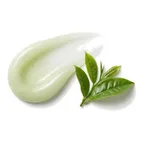 Camellia Sinensis Leaf Extract
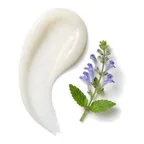 Scutellaria Baicalensis Root Extract
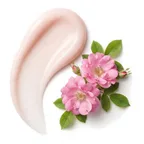 Rosa Roxburghii Fruit Extract
 Lactobacillus Ferment
Average
- HighNormal Skin Fit
- AverageEffectiveness
- HighSafety
Works for sensitive skin; other serums fit it better.
This fit is calculated for the concerns frequently associated with sensitive skin: redness, stinging, and reactions to new products. For scores and recommendations based on your full skin profile, including your 12D face scan results and any goals or preferences you have, please use the Lovi app.
Updated How the Fit score works
Lovi Assistant explains
- Offers moderate hydration for your normal skin due to sodium acetylated hyaluronate and hyaluronic acid, which provide humectant action without exacerbating sensitivity.
- While the product offers general skincare benefits, it lacks specialized ingredients to effectively target your redness and irritation concerns.
- The formulation is safe for your sensitive skin, as it avoids harsh ingredients and includes soothing components like Camellia Sinensis Leaf Extract.
Buy online

Prices checked 20 Nov 2026
The Lovi Fit is the same in every country; only the stores and prices differ, and the ones here are for Europe.
How to apply
- Use your serum in the PM routine, starting 3 times a week before building up to daily use if your skin is happy.
- Apply the serum after cleansing and toning, but before putting on your moisturizer for the best results.
- Gently press 2-3 drops of the serum into your skin and wait a minute ⏱ for it to soak in.
- Since your skin is sensitive and easily irritated, apply the serum on completely dry skin to help keep it calm.
- Always do a patch test before your first use and avoid getting the serum too close to your eyes .
People Say
★4.7Overall rating based on 1.6k+ reviewsBased on a very large amount of data, users across various skin types consistently report that this essence leaves their skin feeling softer, smoother, and more radiant. It is widely valued for its lightweight, non-sticky texture that effectively hydrates and prepares the skin for subsequent products, though some users note its strong fragrance and alcohol content. This should definitely be taken into account.
Highlights
Deeply hydrating Mostly Mentioned
- “Skin feels more hydrated”
- “infuses skin with moisture”
- “instantly soft and replenished”
Lightweight texture Often Mentioned
- “Sinks right into the skin”
- “not sticky”
- “runny, serum-y consistency”
Improves radiance Sometimes Noted
- “Complexion appeared more luminous”
- “skin looks more radiant”
- “glowy”
Refillable packaging Sometimes Noted
- “Refills are available”
- “reduces plastic”
- “easy to configure”
High price point Sometimes Noted
- “Very high priced”
- “pricey for my budget”
- “not worth the $$”
Strong fragrance Sometimes Noted
- “Noticeable fragrance”
- “too harsh a scent”
- “heavily fragranced”
Alcohol content Rarely Noted
- “Contains alcohol”
- “smell alcohol”
- “sensitive to alcohol”
Lack of pump Rarely Noted
- “Wish it had a pump”
- “screw top is inconvenient”
Sources: lovi.care, influenster.com, shiseido.co.uk, macys.com, reallyree.com, walmart.com, and more
Questions and answers
How well does Shiseido Activating Essence work for sensitive skin?
Shiseido Activating Essence works moderately well for sensitive skin, offering safe hydration without harsh ingredients, but it lacks specialized components to target redness and irritation. A treatment for this skin needs soothing ingredients like niacinamide and snail secretion filtrate to properly calm and support it.
Which ingredients make this essence a good fit for sensitive skin?
Sodium acetylated hyaluronate and hyaluronic acid provide moderate hydration without causing irritation, while Camellia Sinensis Leaf Extract helps soothe sensitive skin. However, sensitive skin dealing with redness and irritation needs a treatment with specialized ingredients like niacinamide or snail secretion filtrate for better results.
What does Hyaluronic Acid do for sensitive skin?
Hyaluronic acid is generally very well tolerated by sensitive skin, helping to calm irritation while drawing in moisture to keep the face soft and comfortable. This ingredient may also support the skin barrier and improve overall hydration without causing harsh reactions.
What does Green Tea Extract do for sensitive skin?
Green tea extract is generally safe and unlikely to cause irritation on sensitive skin, helping to calm redness and protect against environmental stress. Studies show it supports skin comfort without showing skin toxicity.
Toxicological Research, 2012Journal of Cosmetic Dermatology, 2022
Where does it go in a skincare routine for sensitive skin?
This treatment goes in your evening routine, after cleansing and toning and before moisturizing. While it is safe and provides moderate hydration, this skin needs products with specialized ingredients to effectively target redness and irritation.
Can I use this essence with retinol, and in what order?
You can use this essence in your evening routine before your moisturizer and after your soothing toner, keeping it away from times you use retinol. A treatment of this type needs calming plant extracts and gentle hydrators to soothe and comfort sensitive skin while avoiding irritation.
How often should I use it?
You can use this treatment in the evening as part of your routine. A product of this type for sensitive skin needs soothing components like Camellia Sinensis Leaf Extract and ingredients that target redness and irritation.
Can this essence clog pores, cause breakouts or purging for sensitive skin?
This essence is unlikely to clog pores or cause breakouts on sensitive skin because it avoids heavy ingredients, but it does not cause purging since it lacks exfoliating acids. A product of this type needs soothing ingredients like green tea and hydrating ones like hyaluronic acid to keep skin calm and balanced.
Is it fragrance-free and alcohol-free?
It has no drying alcohol and contains fragrance (parfum).
What the research says
Topical application of 0.1% hyaluronic acid formulations of different molecular weights led to significant improvements in skin hydration and elasticity, with low-molecular-weight formulations also significantly reducing wrinkle depth in seventy-six female subjects compared to a vehicle control.
Journal of Drugs in Dermatology, 2011Topical hyaluronic acid serum used twice daily by 40 females with facial photoaging produced an immediate 134% increase in skin hydration, a sustained 55% increase at week 6, and significant improvements in smoothness, plumping, fine lines, wrinkles, and global appearance without causing irritation.
Dermatology and Therapy, 2021A topical antioxidant serum significantly reduced air pollution-induced skin pigmentation and proinflammatory gene expression ex vivo, and improved skin aging signs in 40 healthy adult females after 90 days of daily use.
Journal of Cosmetic Dermatology, 2022Topically formulated tea polyphenols show some benefit in reducing sebum secretion and treating acne vulgaris compared to baseline or control.
Antioxidants, 2016Topical application of tannase-converted green tea extract (TGE) significantly improved skin wrinkle indices and self-assessed wrinkle reduction compared to normal green tea extract (NGE) in human subjects over 8 weeks.
Journal of Cosmetic Dermatology, 2013An anti-acne hydrogel containing Aloe barbadensis, Garcinia mangostana, and Camellia sinensis extracts showed superior antiacne and antiblotch activities compared to 1% clindamycin gel in sixty subjects with mild-moderate acne.
Clinical, Cosmetic and Investigational Dermatology, 2019A nighttime topical antioxidant containing resveratrol, baicalin, and vitamin E significantly improved fine lines, wrinkles, firmness, elasticity, laxity, hyperpigmentation, radiance, roughness, and dermal thickness in subjects with mild to moderately photodamaged skin over 12 weeks.
Journal of Drugs in Dermatology, 2014Motor baicalin encapsulated in bio-vesicles enhanced water solubility, stability, transdermal penetration, antioxidant activity, and clinical skin antiaging efficacy compared to liposome baicalin and baicalin raw material.
Journal of Cosmetic Dermatology, 2025Topical wogonin at 250-1000 microg/ear/3 days reduced COX-2 and tumor necrosis factor-alpha mRNA levels and decreased prostaglandin E2 concentration by 27.3-34.3% in a mouse model of tetradecanoylphorbol-13-acetate-induced ear edema compared to untreated inflamed skin.
Biochemical Pharmacology, 2003Rosa roxburghii fruit extract and its isolated ellagitannins, strictinin and casuarictin, suppressed poly(I:C)-induced interleukin-8 mRNA expression and release in normal human epidermal keratinocytes compared to stimulated controls.
Journal of Natural Medicines, 2021Probiotic-derived lotion successfully reduced inflammatory acne lesion counts and erythema index comparably to 2.5% benzoyl peroxide in patients with mild-to-moderate acne vulgaris, while causing fewer side effects.
Journal of Cosmetic Dermatology, 2022Daily application of Lactobacillus brevis DSM17250 extract ointment in healthy volunteers with dry skin significantly improved transepidermal water loss, reduced xerosis cutis symptoms, and promoted re-colonisation of protective skin microorganisms compared to placebo.
Beneficial Microbes, 2017Topical application of Lactobacillus plantarum-GMNL6 enhanced collagen synthesis and SPTSSA gene expression while reducing melanin synthesis, Staphylococcus aureus biofilm, and Cutibacterium acnes proliferation, leading to clinical improvements in skin moisture, color, spots, wrinkles, UV spots, and porphyrins in human volunteers.
International Journal of Medical Sciences, 2021
Why other serums fit sensitive skin better
Topical application of TAT-SOD significantly suppresses UVB-induced erythema formation, blood flow rise, and apoptotic sunburn cell formation in human volunteers compared to a vehicle control.
European Journal of Pharmaceutics and Biopharmaceutics, 2016Topical ferulic acid-containing formulations effectively reduce skin erythema, hyperpigmentation, and signs of aging in adults compared to baseline or alternative conditions.
The Journal of Clinical and Aesthetic Dermatology, 2025
Ingredients
Water, Glycerin, Butylene Glycol, Dipropylene Glycol, Peg Ppg-14 7 Dimethyl Ether, Peg-60 Hydrogenated Castor Oil, Phenoxyethanol, Methylparaben, Parfum, Sodium Citrate, Citric Acid, Disodium Edta, Sodium Metabisulfite, Sodium Acetylated Hyaluronate, Hyaluronic Acid, Tocopherol, Camellia Sinensis Leaf Extract, Scutellaria Baicalensis Root Extract, Rosa Roxburghii Fruit Extract, Lactobacillus Ferment
Behind this fit score
Lovi calculates every fit score from the full ingredient list with brand-independent rules our dermatologists and cosmetic chemists build and review, and personalizes every pick with AI trained on the real results of millions of users. Lovi trains its fit score models on a proprietary dataset built from more than 10,000 expert-labeled products and more than 100,000 simulated examples, following an internally consistent methodology presented at Cosmoprof, AMWC, and Skin of Color Update.
-

Co-founder, Medical Director
Cosmetic chemist, cosmetologist, aesthetic products developer
-

Co-founder, CEO and CTO
PhD in computer science, 3x US patent holder, ex-Google, ex-Yandex
-

Dr. Sofía Perea Pérez, MD, MSc
Medical Board
Aesthetic medicine practitioner, MSc in Longevity and Anti-Aging Medicine
-

Medical Board
Specialist dermatologist, MBBS, MD, IFAAD
-

Medical Board
Cosmetic chemist, SCS, IFSCC member
-

Medical Board, Medical Advisor
Dermatology MD
-

Elina Nazarenko, MD
Medical Board
Dermatology and diagnostic consultant
-

Victoria Derkova, MS
Medical Board
Cosmetic chemist, cosmetic development technologist


How does it fit your skin?
Scan your face, then any product: Lovi shows how well it fits you and what fits even better.