
Sephora Collection Rose Face Mask for combination skin

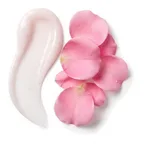 Rose Extract
 Glycerin
 3-O-Ethyl Ascorbic Acid
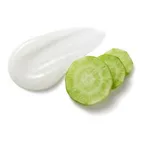 Betaine
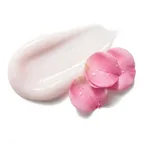 Rosa Damascena Oil Flower
Average
- HighCombination Skin Fit
- AverageEffectiveness
- HighSafety
Works for combination skin; other nourishing masks fit it better.
This fit is calculated for the concerns frequently associated with combination skin: an oily T-zone, enlarged pores, and dry cheeks. For scores and recommendations based on your full skin profile, including your 12D face scan results and any goals or preferences you have, please use the Lovi app.
Updated How the Fit score works
Lovi Assistant explains
- Offers moderate hydration for your combination skin, as glycerin and saccharide isomerate provide humectant benefits to combat oily shine.
- The inclusion of 3-O-ethyl ascorbic acid offers antioxidant protection, which is beneficial for overall skin health.
- The formulation is safe for your combination skin, with no harsh ingredients that could cause irritation.
How to apply
- Could be used as part of your AM or PM routine. Start using your creamy mask 3x a week and work up to daily use if your skin tolerates it.
- Apply your creamy mask after cleansing and toning, but before your moisturizer to lock in benefits. This step fits nicely right in the middle of your daily routine.
- Smooth an even layer of the creamy mask gently over your face, avoiding any unnecessary heavy rubbing. Let it sit for a few minutes ⏱ so your skin can drink it in.
- Apply the creamy mask on clean and dry skin to help manage oily shine effectively. This ensures the product works best for your combination skin type.
- Avoid the sensitive eye area during application. Do a simple patch test before your very first use to make sure your skin is happy.
People Say
★4.5Overall rating based on 500+ reviewsUsers with dry, dull, or dehydrated skin frequently praise this sheet mask for its immediate hydrating and brightening effects, often describing a "glow" after use. While the rose scent is generally loved for being relaxing, some users with sensitive or oily skin note a sticky residue or lack of long-term results.
Highlights
Deeply hydrating Mostly Mentioned
- “leaves skin refreshed”
- “intense moisturizing”
- “soft and hydrated”
Brightening effect Often Mentioned
- “immediate radiance boost”
- “skin looked glowing”
- “brighter complexion”
Pleasant rose scent Often Mentioned
- “smells like roses”
- “relaxing rose vibes”
- “amazing scent”
Generous serum amount Sometimes Noted
- “drenched in serum”
- “plenty of product”
- “excess for neck”
Soothing sensation Sometimes Noted
- “cooling on skin”
- “calms mild redness”
- “feels refreshing”
Sticky residue Sometimes Noted
- “leaves skin sticky”
- “tacky finish”
- “heavy residue”
Minor breakouts Rarely Noted
- “caused pimples”
- “broke me out”
- “clogged pores”
Poor sheet fit Rarely Noted
- “wrinkly at chin”
- “too big”
- “eye holes weird”
Strong fragrance Rarely Noted
- “scent too strong”
- “artificial smell”
- “perfume irritates”
Temporary results Rarely Noted
- “glow lasts one day”
- “no long-term change”
- “quick fix only”
Sources: lovi.care, influenster.com, vanitywall.com, sophielaura.co.uk, cosmeticproof.com, youtube.com, and more
Questions and answers
How well does Sephora Collection Rose Face Mask work for combination skin?
Sephora Collection Rose Face Mask works reasonably well for combination skin, offering moderate hydration to help combat oily shine without causing irritation. To truly thrive, a mask for this skin type needs soothing ingredients and a balanced blend of hydrating components that manage moisture levels without feeling heavy.
Which ingredients make this mask a good fit for combination skin?
Glycerin and saccharide isomerate make this mask a good fit by offering moderate hydration to combat oily shine, while 3-O-ethyl ascorbic acid provides antioxidant protection. To fit combination skin even better, this type of product needs heartleaf extract and other calming, hydrating ingredients that balance moisture levels without overwhelming the skin.
What does Rose Extract do for combination skin?
Rose extract helps calm and protect combination skin from everyday stress while keeping it smooth. It may also help manage excess shine and soothe dry areas by delivering antioxidants.
What does Glycerin do for combination skin?
Glycerin helps keep combination skin hydrated by drawing moisture into the surface and keeping it soft and smooth. It is generally very safe and unlikely to irritate, making it a gentle addition to a daily routine.
Clinical, Cosmetic and Investigational Dermatology, 2017The British Journal of Dermatology, 2008
Where does this mask go in a skincare routine for combination skin?
This mask fits into a weekly routine as a special step after cleansing and before toning and moisturizing. Combination skin needs products with ingredients like glycerin and rose extract to provide balanced moisture without causing oily shine.
Can I use this mask with retinol, and in what order?
You can use this mask in your routine along with retinol, applying the mask before your retinol treatment. This product helps provide moderate hydration without harsh ingredients, though combination skin also benefits from ingredients like ceramides and hyaluronic acid to better support the skin barrier during active treatments.
How often should I use this mask?
You can use this nourishing mask weekly as part of your routine. It offers moderate hydration and antioxidant protection while keeping your combination skin safe from irritation.
Can this mask clog pores, cause breakouts or purging for combination skin?
This mask is unlikely to clog pores or cause breakouts for combination skin, as it has a gentle formula without harsh ingredients that typically cause irritation. However, a product for this skin works best when it also includes ingredients that balance oil and deeply soften dry areas.
Is this mask fragrance-free and alcohol-free?
It has no drying alcohol and contains fragrance (parfum).
What the research says
A single application of a moisturizing fluid containing hyaluronic acid 1%, glycerin 5%, and Centella asiatica stem cells extract significantly increased skin hydration by 29% and reduced transepidermal water loss at 24 hours compared to baseline and an untreated control site in twenty healthy women.
Clinical, Cosmetic and Investigational Dermatology, 2017Combined treatment with cannabigerol and 3-O-ethyl ascorbic acid abolished UVB-induced changes by decreasing the expression of kinases and reducing protein modifications by 4-hydroxynonenal in cultured human keratinocytes, restoring the kinase profile to that of non-irradiated controls.
Scientific Reports, 2024Concurrent treatment with 3-O-ethyl ascorbic acid and cannabigerol in UVB-irradiated human keratinocytes prevents membrane structure alterations, promotes cell survival, enhances antioxidant enzyme activity and GSH- and Trx-dependent systems, reduces lipid and protein oxidative modifications, and exerts anti-inflammatory effects.
Free Radical Biology & Medicine, 2025Soaps containing betaine caused the least skin irritation compared to other tested soaps in twenty-eight healthy subjects, though irritation did not decrease with increasing concentrations of betaine.
Skin Research and Technology, 2003The emollient V0034CR significantly reduced TEWL compared to vehicle and vehicle plus glycerol, and significantly increased corneometry scores compared to vehicle and vehicle plus petrolatum in healthy volunteers with dry skin, demonstrating combined barrier function improvement from petrolatum and hydration improvement from glycerol.
Journal of Cosmetic Dermatology, 2020Ten days of treatment with a cream containing 20% glycerin significantly increased skin hydration measured by corneometer values in 17 healthy volunteers compared to a placebo cream, but showed no influence on transepidermal water loss or skin sensitivity to an irritating surfactant.
International Journal of Cosmetic Science, 2001Niacinamide/glycerin body moisturizers provided better rapid and prolonged improvement of cosmetic xerosis through functional improvement of stratum corneum barrier function compared to no treatment and conventional moisturizers in female subjects.
Journal of Drugs in Dermatology, 2012Topical application of 5% vitamin C cream significantly improved global clinical scores, increased skin microrelief density, and induced elastic tissue repair in photoaged skin compared to excipient control in healthy female volunteers.
Experimental Dermatology, 2003Topical application of VC-IP cream twice daily for 8 weeks reduces periorbital wrinkles in female subjects compared to a placebo cream.
Journal of Cosmetic Dermatology, 2022Topical treatment with 5% vitamin C and 0.1% madecassoside significantly improved clinical scores for wrinkles, suppleness, firmness, roughness, and skin hydration, along with functional and structural remodeling of the elastic fiber network in 20 female volunteers with photoaged skin after 6 months compared to baseline.
Experimental Dermatology, 2008A combination of Aloe barbadensis leaf extract and trimethylglycine in a 1:1 mass ratio synergistically increased aquaporin 3 expression by up to 380% in keratinocytes and safely improved skin hydration in healthy volunteers.
Molecules, 2024Mixed surfactant systems of sodium dodecyl sulfate and dimethyl dodecyl amido betaine significantly reduce acute skin irritation potential in human volunteers compared with the individual surfactants, demonstrating that irritation potential cannot be predicted by simple summation.
Food and Chemical Toxicology, 1998Treatment of human skin and primary human keratinocytes with organic osmolytes such as betaine or taurine increased the expression of specific tight junction proteins and enhanced tight junction function.
The British Journal of Dermatology, 2021An emulgel containing 20% green tea extract and 5% rose oil provided good hydrating properties and effectiveness on the skin barrier function in ten female subjects.
Acta Pharmaceutica, 2013Topical application of Taif rose oil nanoemulsion ameliorated UVB-induced oxidative damage and skin photoaging in rats by modulating antioxidant enzymes, inflammatory markers, MMP-9, and MAPK signaling pathways.
ACS Omega, 2023A polyphenol-enriched fraction of rose oil distillation wastewater inhibited cell proliferation, migration, and TNF-alpha-induced VEGF secretion in human immortalized keratinocytes compared to untreated controls.
Planta Medica, 2016
Ingredients
Water, Butylene Glycol, Glycerin, Betaine, 1,2-Hexanediol, Hydroxyacetophenone, Saccharide Isomerate, Xanthan Gum, 3-O-Ethyl Ascorbic Acid, Glycosyl Trehalose, Parfum, Phosphatidylcholine, Phenoxyethanol, Rosa Gallica Flower Extract, Polysorbate 80, Citric Acid, Sodium Citrate, Ascorbyl Palmitate, Potassium Sorbate, Rosa Damascena Flower Extract, Prunus Persica Flower Extract, Tocopheryl Acetate, Sodium Benzoate, Sorbic Acid, Rosa Damascena Oil Flower
Behind this fit score
Lovi calculates every fit score from the full ingredient list with brand-independent rules our dermatologists and cosmetic chemists build and review, and personalizes every pick with AI trained on the real results of millions of users. Lovi trains its fit score models on a proprietary dataset built from more than 10,000 expert-labeled products and more than 100,000 simulated examples, following an internally consistent methodology presented at Cosmoprof, AMWC, and Skin of Color Update.
-

Co-founder, Medical Director
Cosmetic chemist, cosmetologist, aesthetic products developer
-

Co-founder, CEO and CTO
PhD in computer science, 3x US patent holder, ex-Google, ex-Yandex
-

Dr. Sofía Perea Pérez, MD, MSc
Medical Board
Aesthetic medicine practitioner, MSc in Longevity and Anti-Aging Medicine
-

Medical Board
Specialist dermatologist, MBBS, MD, IFAAD
-

Medical Board
Cosmetic chemist, SCS, IFSCC member
-

Medical Board, Medical Advisor
Dermatology MD
-

Elina Nazarenko, MD
Medical Board
Dermatology and diagnostic consultant
-

Victoria Derkova, MS
Medical Board
Cosmetic chemist, cosmetic development technologist


How does it fit your skin?
Scan your face, then any product: Lovi shows how well it fits you and what fits even better.