
Rodial Vit C Papaya Enzyme Scrub for oily skin

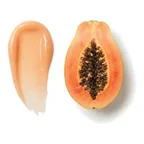 Lactobacillus papaya extract fruit ferment, papaya enzymes
 Ascorbic Acid
 Sodium Hyaluronate
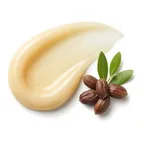 Hydrogenated Jojoba Oil
Average
- HighOily Skin Fit
- AverageEffectiveness
- HighSafety
Works for oily skin; other products fit it better.
This fit is calculated for the concerns frequently associated with oily skin: shine, enlarged pores, blackheads, and blemishes. For scores and recommendations based on your full skin profile, including your 12D face scan results and any goals or preferences you have, please use the Lovi app.
Updated How the Fit score works
Lovi Assistant explains
- This scrub offers moderate exfoliation for your oily skin, with Lactobacillus Papaya Extract Fruit Ferment and 3-O-Ethyl Ascorbic Acid providing keratolytic and antioxidant benefits to smooth texture and balance oil production.
- While Perlite and Papaya Extract Fruit Ferment offer general cleansing, they are not specifically targeted for managing oily shine, which is your main goal.
- The product is safe for your oily skin, as it lacks prohibited or harsh ingredients that could cause irritation.
How to apply
- Use this exfoliant product as part of your PM routine once a week. Start slowly and build up frequency only if your skin tolerates it well.
- Apply the exfoliant after cleansing and toner, but right before your moisturizer.
- Gently press 2-3 drops of the exfoliant into your skin and let it absorb fully. Avoid any harsh rubbing to keep your skin calm.
- Apply the exfoliant directly onto completely dry skin to get the best balance and results. Clean, dry skin helps the product work evenly.
- Always avoid the delicate eye area when applying. Be sure to use a broad-spectrum SPF 30+ daily while using exfoliating acids.
People Say
★4.4Overall rating based on 1000+ reviewsThis gel-to-oil scrub is highly regarded for its gentle exfoliation, leaving skin brighter and with a healthy glow. Many users with sensitive skin appreciate its non-drying and hydrating properties. However, some users find the exfoliation too mild for rougher skin or significant congestion, and a few have noted the texture and price point could be improved.
Highlights
Gentle exfoliation Mostly Mentioned
- “gentle on my skin”
- “doesn't dry out the skin”
- “no micro-injuries”
- “good gentle exfoliator”
Brightening glow Often Mentioned
- “delivers a healthy glow”
- “brighter-looking complexion”
- “skin looks radiant”
- “leaves skin luminous”
Hydrating texture Sometimes Noted
- “keeps skin hydrated”
- “leaves skin smooth and polished”
- “nourishing gel-to-oil”
- “doesn't feel tight”
Pleasant scent Sometimes Noted
- “smells good”
- “citrus zing”
- “refreshing blend”
- “bright crisp scent”
Too gentle Sometimes Noted
- “don't notice much exfoliating”
- “didn't move the needle”
- “too gentle to do anything”
- “prefer a sugar scrub”
Price value Rarely Noted
- “ingredients are okay... prefer sugar scrub”
- “luxury price”
- “0/100 effectiveness (scientific review)”
Texture after-feel Rarely Noted
- “skin doesn't feel extremely soft”
- “didn't impact my skin”
- “slightly gritty texture”
Sources: lovi.care, ipsy.com, lookfantastic.com, thevelvetlife.com, wimj.com, rodial.com, and more
Questions and answers
How well does Rodial Vit C Papaya Enzyme Scrub work for oily skin?
This scrub works moderately well for your oily skin by smoothing texture and helping balance oil, though it does not specifically target shine. To fit oily skin best, an exfoliant treatment needs ingredients like niacinamide, zinc PCA, and ferulic acid to control excess oil and pores while keeping skin bright and comfortable.
Free Radical Biology & Medicine, 2025Scientific Reports, 2024
Which ingredients make this exfoliant a good fit for oily skin?
Lactobacillus Papaya Extract Fruit Ferment and 3-O-Ethyl Ascorbic Acid make this exfoliant a fit by smoothing texture and balancing oil. To fit oily skin best, an exfoliant treatment needs ingredients like niacinamide and zinc PCA to control shine and address pores.
Free Radical Biology & Medicine, 2025Scientific Reports, 2024
What do Papaya Enzymes do for oily skin?
Papaya enzymes help exfoliate oily skin by gently breaking down dead surface cells to keep it smooth and clear. This process may help reduce clogged pores, though it can sometimes irritate sensitive skin.
Journal of Cosmetic Dermatology, 2022International Journal of Cosmetic Science, 2022
What does Vitamin C do for oily skin?
Vitamin C helps oily skin by stopping sebum from oxidizing and reducing breakouts. It may also keep skin looking smooth and clear while balancing overall skin health.
Where does this exfoliant go in a skincare routine for oily skin?
This exfoliant goes in your weekly routine once a week after cleansing and before toning, as a safe treatment to smooth texture. Oily skin also needs ingredients that specifically target and balance excess shine.
Can I use this exfoliant with retinol, and in what order?
You can use this exfoliant in the same routine as retinol by applying the exfoliant first and waiting for it to dry before applying your retinol. However, because this product helps smooth texture rather than specifically targeting oily shine, an oily skin type needs a product with oil-controlling ingredients like salicylic acid or niacinamide for best results.
How often should I use this exfoliant?
Start by using this exfoliant once a week, and if your oily skin tolerates it well and you see good results, you may carefully use it more often. An oily skin routine needs purifying ingredients that actively balance oil production and reduce shine.
Can this exfoliant clog pores, cause breakouts or purging for oily skin?
This exfoliant is unlikely to clog pores or cause breakouts for oily skin, as it has a safe profile without harsh ingredients that trigger irritation. However, because it is only a moderate fit, an oily skin type needs a product with targeted oil-absorbing ingredients and stronger blemish-control actives to properly manage shine.
What the research says
A topical serum containing vitamin C, vitamin E, and raspberry leaf cell culture extract improved skin color, elasticity, radiance, smoothness, scaliness, and wrinkles compared to the untreated contralateral side in fifty female volunteers.
Journal of Cosmetic Dermatology, 2020Concurrent treatment with 3-O-ethyl ascorbic acid and cannabigerol in UVB-irradiated human keratinocytes prevents membrane structure alterations, promotes cell survival, enhances antioxidant enzyme activity and GSH- and Trx-dependent systems, reduces lipid and protein oxidative modifications, and exerts anti-inflammatory effects.
Free Radical Biology & Medicine, 2025Combined treatment with cannabigerol and 3-O-ethyl ascorbic acid abolished UVB-induced changes by decreasing the expression of kinases and reducing protein modifications by 4-hydroxynonenal in cultured human keratinocytes, restoring the kinase profile to that of non-irradiated controls.
Scientific Reports, 2024Topical papain treatment may slightly decrease pain within 30 minutes in humans stung by Chrysaora chinensis compared to placebo.
Wilderness & Environmental Medicine, 2016A fixed combination of hydroxypinacolone retinoate, retinol glycospheres, and papain glycospheres in aqueous gel applied once daily for 12 weeks achieved a 41% mean reduction in GAGS score and a 40.8% mean reduction in total lesions, with 15.3% of patients experiencing mild to moderate local side effects, in 94 evaluable patients with comedonal-papular, mild to moderate acne of the face.
Giornale Italiano Di Dermatologia E Venereologia, 2015Incorporating 1, 2, and 5 percent papain into starch- and carboxymethyl cellulose-based films preserved proteolytic and skin exfoliation activity while improving mechanical properties and water solubility compared to control films, with immobilized enzyme maintaining stability for up to 90 days.
International Journal of Biological Macromolecules, 2023Topical application of 5% vitamin C cream significantly improved global clinical scores, increased skin microrelief density, and induced elastic tissue repair in photoaged skin compared to excipient control in healthy female volunteers.
Experimental Dermatology, 2003Topical application of VC-IP cream twice daily for 8 weeks reduces periorbital wrinkles in female subjects compared to a placebo cream.
Journal of Cosmetic Dermatology, 2022Topical treatment with 5% vitamin C and 0.1% madecassoside significantly improved clinical scores for wrinkles, suppleness, firmness, roughness, and skin hydration, along with functional and structural remodeling of the elastic fiber network in 20 female volunteers with photoaged skin after 6 months compared to baseline.
Experimental Dermatology, 2008Topical application of 0.1% hyaluronic acid formulations of different molecular weights led to significant improvements in skin hydration and elasticity, with low-molecular-weight formulations also significantly reducing wrinkle depth in seventy-six female subjects compared to a vehicle control.
Journal of Drugs in Dermatology, 2011Topical hyaluronic acid serum used twice daily by 40 females with facial photoaging produced an immediate 134% increase in skin hydration, a sustained 55% increase at week 6, and significant improvements in smoothness, plumping, fine lines, wrinkles, and global appearance without causing irritation.
Dermatology and Therapy, 2021A topical antioxidant serum significantly reduced air pollution-induced skin pigmentation and proinflammatory gene expression ex vivo, and improved skin aging signs in 40 healthy adult females after 90 days of daily use.
Journal of Cosmetic Dermatology, 2022Topical formulations containing 3.75% glycerol and 1.25% hydrolyzed jojoba esters produced significantly lower evaporative TEWL values compared to glycerol alone at 8 and 24 hours posttreatment in human subjects.
Journal of Cosmetic Dermatology, 2008Topical application of 1.0% Lactobacillus ferment from jojoba cake significantly increased skin collagen fluorescence compared to baseline and placebo cream over 56 days in 46 individuals.
International Journal of Cosmetic Science, 2026Clay jojoba oil facial masks reduced total skin lesions by a mean of 54% after 6 weeks in 133 participants with acne-prone, lesioned skin and mild acne compared to baseline.
Forschende Komplementarmedizin, 2012Reflux extraction of Carica papaya leaves yielded higher antioxidant capacity and superior in vitro wound-healing activities including fibroblast proliferation, cell migration, and collagen synthesis in human skin fibroblasts compared to ultrasonic-assisted extraction and agitation.
Molecules, 2020Carica papaya leaf extracts obtained via supercritical fluid and conventional methods demonstrated antioxidant and cytoprotective effects on skin fibroblasts against oxidative stress, driven by their respective lipophilic and hydrophilic constituents.
Molecules, 2021Unripe Carica papaya fresh fruit extract suppressed methylglyoxal-induced cellular senescence and restored collagen type I expression in human dermal skin fibroblasts by inhibiting the Akt, JNK/p38 MAPK, c-Jun, and NF-kappa B signaling pathways.
Preventive Nutrition and Food Science, 2023
Why other products fit oily skin better
Niacinamide and ferulic acid incorporated in a stable multiple emulsion successfully reduced melanin, sebum, and skin erythema while improving skin elasticity and hydration in human skin compared to a placebo.
BioMed Research International, 2022
Ingredients
Water, Peg-7 Glyceryl Cocoate, Poloxamer 188, Polysorbate 20, Ammonium Acryloyldimethyltaurate Vp Copolymer, Hydrogenated Jojoba Oil, Perlite, Lactobacillus Papaya Extract Fruit Ferment, Phenoxyethanol, Benzyl Alcohol, Citric Acid, Parfum, Limonene, Disodium Edta, Ethylhexylglycerin, 3-O-Ethyl Ascorbic Acid, Sodium Hyaluronate, Dehydroacetic Acid, Linalool, Leuconostoc Radish Root Ferment Filtrate, Bht, Geraniol, Citral, Citronellol, Amyl Cinnamal, Iron Oxides Ci 77492
Behind this fit score
Lovi calculates every fit score from the full ingredient list with brand-independent rules our dermatologists and cosmetic chemists build and review, and personalizes every pick with AI trained on the real results of millions of users. Lovi trains its fit score models on a proprietary dataset built from more than 10,000 expert-labeled products and more than 100,000 simulated examples, following an internally consistent methodology presented at Cosmoprof, AMWC, and Skin of Color Update.
-

Co-founder, Medical Director
Cosmetic chemist, cosmetologist, aesthetic products developer
-

Co-founder, CEO and CTO
PhD in computer science, 3x US patent holder, ex-Google, ex-Yandex
-

Dr. Sofía Perea Pérez, MD, MSc
Medical Board
Aesthetic medicine practitioner, MSc in Longevity and Anti-Aging Medicine
-

Medical Board
Specialist dermatologist, MBBS, MD, IFAAD
-

Medical Board
Cosmetic chemist, SCS, IFSCC member
-

Medical Board, Medical Advisor
Dermatology MD
-

Elina Nazarenko, MD
Medical Board
Dermatology and diagnostic consultant
-

Victoria Derkova, MS
Medical Board
Cosmetic chemist, cosmetic development technologist


How does it fit your skin?
Scan your face, then any product: Lovi shows how well it fits you and what fits even better.