
Rodial Bee Venom Cleansing Balm for oily acne-prone skin

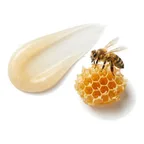 Bee venom, melittin peptide
 Salicylic Acid
 Ascorbic Acid
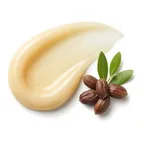 Jojoba Oil
Average
- AverageOily Skin Fit
- AverageEffectiveness
- HighSafety
Works for oily acne-prone skin; other cleansers fit it better.
This fit is calculated for the concerns frequently associated with oily acne-prone skin: shine, breakouts, blemishes, and enlarged pores. For scores and recommendations based on your full skin profile, including your 12D face scan results and any goals or preferences you have, please use the Lovi app.
Updated How the Fit score works
Lovi Assistant explains
- Offers moderate suitability for your oily skin as salicylic acid provides mild exfoliation, while Prunus Amygdalus Dulcis Oil and Jojoba Seed Oil effectively dissolve impurities and makeup. Glycerin and Jojoba Seed Oil offer general cleansing and hydration benefits, but the formula lacks specialized ingredients to target your acne, blemishes, and breakouts.
- The absence of prohibited or harsh ingredients ensures no risks of irritation for your oily skin.
- The product is safe for your skin.
How to apply
- Use this cleanser as part of your AM and PM routine. Start using it daily to help clear your breakouts.
- Apply this cleanser as the first step in the morning and right after your pre-cleanser in the evening. Follow it with your toner and moisturizer.
- Gently massage a small amount of the cleanser onto your face using circular motions. Rinse thoroughly with lukewarm water and pat dry.
- Apply the cleanser on slightly damp skin to help clean deeply and remove excess oil. This works best for oily skin types.
- Avoid the sensitive eye area during application. Do a patch test before your first use.
People Say
★4.6Overall rating based on 200+ reviewsThis balm-to-oil cleanser is highly praised for leaving skin feeling soft, plump, and hydrated, with many users noting its effective makeup removal and luxurious texture. However, a significant number of reviews mention the high price point and a strong fragrance as drawbacks, while some users with oily skin found it too heavy.
Highlights
Post-wash hydration Mostly Mentioned
- “skin felt squeaky clean but moisturized”
- “leaves my skin feeling hydrated, plumped and smooth”
- “face feels amazing... so soft”
Effective cleansing Often Mentioned
- “removes every single trace of makeup”
- “takes every scrap of make up off”
- “makes removing makeup a breeze”
Luxurious texture Often Mentioned
- “melts into my skin”
- “luxurious balm that turns into a milky toner”
- “rich texture... indulgent cleansing experience”
High price Often Mentioned
- “price is far too high”
- “fairly expensive”
- “bit pricey but worth it”
Brightening & glow Sometimes Noted
- “visibly brighter and glowy”
- “reawaken skin's natural radiance”
- “golden glow... is incredible”
Oily residue Sometimes Noted
- “left a slight residue”
- “film on skin”
- “needs a cloth to remove fully”
Strong fragrance Sometimes Noted
- “smells like a scented hand cream”
- “lingering even after I've wiped this off”
- “strong perfumey smell”
Not for oily skin Rarely Noted
- “too heavy for oily skin”
- “caused mild breakouts”
- “clogged pores when used too frequently”
Sources: lovi.care, spacenk.com, lookfantastic.com, influenster.com, rodial.com, edcskincare.com, and more
Questions and answers
How well does Rodial Bee Venom Cleansing Balm work for oily acne-prone skin?
Rodial Bee Venom Cleansing Balm works moderately well for oily acne-prone skin, as it dissolves makeup and impurities while offering mild exfoliation, but it lacks specialized ingredients to fully target breakouts. Oily acne-prone skin needs products with powerful ingredients that effectively address blemishes and control oil production while keeping the skin balanced.
Journal of Integrative Medicine, 2013BioMed Research International, 2020
Which ingredients make this cleanser a good fit for oily acne-prone skin?
Salicylic acid, bee venom, and jojoba oil make this cleanser a moderate fit for oily acne-prone skin by gently clearing impurities and helping reduce blemishes. However, a product of this type needs powerful ingredients that actively control oil production and deeply target breakouts for this skin.
Journal of Integrative Medicine, 2013BioMed Research International, 2020
What does Bee Venom do for oily acne-prone skin?
Bee venom helps calm red, angry breakouts and reduces acne spots on oily, acne-prone skin. It works by fighting the bacteria that cause acne and lowering swelling, making it a useful addition to your routine to clear up blemishes without causing serious side effects.
Journal of Cosmetic Dermatology, 2016Journal of Integrative Medicine, 2013
What does Salicylic Acid do for oily acne-prone skin?
Salicylic acid helps clear breakouts and manage oil by reducing blemishes, calming redness, and keeping skin balanced. It works by gently clearing out pores and lowering excess oil production, which is very helpful for oily and acne-prone skin.
BioMed Research International, 2020Journal of Cosmetic Dermatology, 2024
Where does this cleanser go in a skincare routine for oily acne-prone skin?
This cleanser goes in your morning and evening routine to wash away impurities and makeup. An average fit for oily acne-prone skin needs a cleanser that combines salicylic acid for mild exfoliation with targeted ingredients to help control breakouts and blemishes.
Can I use this cleanser with retinol, and in what order?
You can use this cleanser with retinol, but since this formula lacks specialized ingredients to target blemishes, an oily acne-prone skin type needs targeted acne treatments and oil-controlling ingredients in your routine.
How often should I use this cleanser?
You can use this cleanser daily as part of your morning and evening routine, because it has a safe and gentle formula that is unlikely to cause irritation. Oily acne-prone skin needs a cleanser that combines salicylic acid to lightly exfoliate with specialized ingredients to target breakouts and blemishes.
Can this cleanser clog pores, cause breakouts or purging for oily acne-prone skin?
This cleanser is unlikely to cause irritation on your oily skin, though salicylic acid and oils help dissolve impurities rather than fully clearing breakouts. A cleanser for this skin needs targeted blemish-fighting ingredients and oil-balancing agents to properly manage acne.
Journal of Integrative Medicine, 2013BioMed Research International, 2020
Can I use this cleanser around the eyes or on my body?
This cleanser works safely on the body, but it is best to avoid the thin skin directly around the eyes. Because the skin on the eyelid is much thinner than the skin on the back, heavy facial cleansers may occasionally cause irritation in that delicate area.
What the research says
A single application of a moisturizing fluid containing hyaluronic acid 1%, glycerin 5%, and Centella asiatica stem cells extract significantly increased skin hydration by 29% and reduced transepidermal water loss at 24 hours compared to baseline and an untreated control site in twenty healthy women.
Clinical, Cosmetic and Investigational Dermatology, 2017Cosmetics containing purified bee venom reduced lesion counts and skin microorganism concentration compared with cosmetics without PBV in subjects with acne vulgaris.
Journal of Integrative Medicine, 2013A moisturizer containing licochalcone A, 1,2-decanediol, L-carnitine, and salicylic acid significantly reduced noninflammatory, inflammatory, and total acne lesion counts compared to a vehicle control in Thai patients during a 12-week maintenance phase.
BioMed Research International, 2020Treatment with 45% mandelic acid peel showed nearly equal overall efficacy as 30% salicylic acid peel in patients with mild-to-moderate facial acne vulgaris, but with fewer adverse effects.
Journal of Cosmetic Dermatology, 2020Purified bee venom serum treatment for 6 weeks significantly improved the average visual acne grade by 52.3% in 30 subjects with mild-to-moderate acne vulgaris compared to baseline, with no serious side effects.
Journal of Cosmetic Dermatology, 2016Bee venom, Ficus carica, and Geranium essential oil exhibit common anti-inflammatory, antibacterial, and antioxidant pharmacological actions, offering potential therapeutic and safe topical applications for combating various skin conditions and for skin care.
Life, 2024Bee venom effectively inhibited the P. acnes-induced secretion of pro-inflammatory cytokines including IFN-γ, IL-1β, IL-8, and TNF-α, as well as the expression of IL-8 and TLR2 in human keratinocytes (HaCaT) and monocytes (THP-1).
International Journal of Molecular Medicine, 2015Treatment with 2% supramolecular salicylic acid hydrogel resulted in a regression and markedly improvement rate of 51.01% compared to 43.10% for Adapaline gel in patients with mild to moderate facial acne vulgaris, showing no significant difference in efficacy.
Journal of Cosmetic Dermatology, 2024Topical 5% benzoyl peroxide plus salicylic acid achieved the greatest lesion reduction at early 2 to 4 week time points compared to benzoyl peroxide, clindamycin, and combination benzoyl peroxide/clindamycin, while 5% benzoyl peroxide plus salicylic acid and combination benzoyl peroxide/clindamycin showed similar efficacy at 10 to 12 weeks in acne patients.
Journal of the American Academy of Dermatology, 2010Post-peel application of either topical tretinoin (0.25%) or retinol (0.25%) after a 30% salicylic acid peel effectively improves signs of photodamage compared to baseline in female subjects, with tretinoin performing slightly better than retinol in texture, roughness, and overall appearance at week 4.
Journal of Drugs in Dermatology, 2016Topical application of 5% vitamin C cream significantly improved global clinical scores, increased skin microrelief density, and induced elastic tissue repair in photoaged skin compared to excipient control in healthy female volunteers.
Experimental Dermatology, 2003Topical application of VC-IP cream twice daily for 8 weeks reduces periorbital wrinkles in female subjects compared to a placebo cream.
Journal of Cosmetic Dermatology, 2022Topical treatment with 5% vitamin C and 0.1% madecassoside significantly improved clinical scores for wrinkles, suppleness, firmness, roughness, and skin hydration, along with functional and structural remodeling of the elastic fiber network in 20 female volunteers with photoaged skin after 6 months compared to baseline.
Experimental Dermatology, 2008Topical application of bee venom reduced inflammatory cell infiltration and the expression of TNF-alpha and IL-1beta in P. acnes-injected mouse ears compared to untreated P. acnes-injected mice.
International Journal of Molecular Medicine, 2014Bee venom exhibited negligible sensitizing and dermal irritation potential while being well tolerated in guinea pigs and rats compared to positive and alcohol controls.
Cutaneous and Ocular Toxicology, 2013Topical formulations containing 3.75% glycerol and 1.25% hydrolyzed jojoba esters produced significantly lower evaporative TEWL values compared to glycerol alone at 8 and 24 hours posttreatment in human subjects.
Journal of Cosmetic Dermatology, 2008Topical application of 1.0% Lactobacillus ferment from jojoba cake significantly increased skin collagen fluorescence compared to baseline and placebo cream over 56 days in 46 individuals.
International Journal of Cosmetic Science, 2026Clay jojoba oil facial masks reduced total skin lesions by a mean of 54% after 6 weeks in 133 participants with acne-prone, lesioned skin and mild acne compared to baseline.
Forschende Komplementarmedizin, 2012
Why other cleansers fit oily acne-prone skin better
Topical 5% tea tree oil gel significantly improved total acne lesions and acne severity index compared to placebo in 60 patients with mild to moderate acne vulgaris, showing 3.55 times and 5.75 times greater efficacy respectively.
Indian Journal of Dermatology, Venereology and Leprology, 2007Co-delivery of paeonol and madecassoside via nanoemulsions improved transdermal delivery, promoted barrier repair proteins, inhibited inflammatory cytokine secretion in cellular and 3D models, and reduced transepidermal water loss and acne in human facial skin compared to free components.
Molecules, 2023
Ingredients
Prunus Amygdalus Dulcis Oil, Glycerin, Glyceryl Behenate, Peg-8 Caprylic Capric Glycerides, Polyglyceryl-3 Diisostearate, Jojoba Seed Oil, Polysorbate 20, Prunus Armeniaca Kernel Oil Apricot Kernel Oil, Wheat Germ Oil, Helianthus Annuus Seed Oil Sunflower Seed Oil, Dipropylene Glycol, Ascorbyl Tetraisopalmitate, Salicylic Acid, Sodium Palmitoyl Proline, Limonene, Parfum, Water, Nymphaea Alba Flower Extract, Tocopherol, Linalool, Punica Granatum Fruit Extract, Geraniol, Farnesol, Citral, Bee Venom, Sodium Benzoate, Potassium Sorbate
Behind this fit score
Lovi calculates every fit score from the full ingredient list with brand-independent rules our dermatologists and cosmetic chemists build and review, and personalizes every pick with AI trained on the real results of millions of users. Lovi trains its fit score models on a proprietary dataset built from more than 10,000 expert-labeled products and more than 100,000 simulated examples, following an internally consistent methodology presented at Cosmoprof, AMWC, and Skin of Color Update.
-

Co-founder, Medical Director
Cosmetic chemist, cosmetologist, aesthetic products developer
-

Co-founder, CEO and CTO
PhD in computer science, 3x US patent holder, ex-Google, ex-Yandex
-

Dr. Sofía Perea Pérez, MD, MSc
Medical Board
Aesthetic medicine practitioner, MSc in Longevity and Anti-Aging Medicine
-

Medical Board
Specialist dermatologist, MBBS, MD, IFAAD
-

Medical Board
Cosmetic chemist, SCS, IFSCC member
-

Medical Board, Medical Advisor
Dermatology MD
-

Elina Nazarenko, MD
Medical Board
Dermatology and diagnostic consultant
-

Victoria Derkova, MS
Medical Board
Cosmetic chemist, cosmetic development technologist


How does it fit your skin?
Scan your face, then any product: Lovi shows how well it fits you and what fits even better.