
Revision Skincare Papaya Enzyme Cleanser for oily acne-prone skin

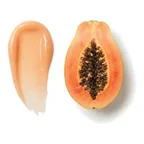 Carica papaya fruit extract, papaya enzyme
 Salicylic Acid
 Cocamidopropyl Betaine
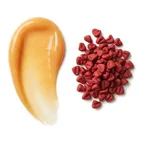 Bixa Orellana Seed Extract
Superior
- HighOily Skin Fit
- HighEffectiveness
- HighSafety
One of the best cleansers for oily acne-prone skin.
This fit is calculated for the concerns frequently associated with oily acne-prone skin: shine, breakouts, blemishes, and enlarged pores. For scores and recommendations based on your full skin profile, including your 12D face scan results and any goals or preferences you have, please use the Lovi app.
Updated How the Fit score works
Lovi Assistant explains
- Excellent for your oily skin, this cleanser effectively decongests pores and exfoliates with salicylic acid and papain, addressing your acne and breakouts. Carica Papaya Fruit Extract further aids in gentle exfoliation and soothing, complementing the keratolytic action for your specific skin concerns.
- The formula's cleansing properties are enhanced by ingredients like Cocamidopropyl Betaine, which work to remove impurities without stripping your oily skin.
- This product is safe for your skin, as it contains no harsh ingredients and includes soothing components like Carica Papaya Fruit Extract and Papain, minimizing irritation risk.
How to apply
- Use this cleanser as part of your AM and PM routine. Start using it daily to help clear your breakouts.
- Apply this cleanser as the first step in the morning and right after your pre-cleanser in the evening. Follow it with your toner and moisturizer.
- Gently massage a small amount of the cleanser onto your face using circular motions. Rinse thoroughly with lukewarm water and pat dry.
- Apply the cleanser on slightly damp skin to help clean deeply and remove excess oil. This works best for oily skin types.
- Avoid the sensitive eye area during application. Do a patch test before your first use.
People Say
★4.8Overall rating based on 400+ reviewsThis cleanser is highly regarded for its gentle exfoliation and non-stripping formula, leaving skin feeling clean and soft. Users frequently praise its pleasant scent and effective makeup removal. A moderate number of users find the price point high, and a small number report experiencing skin irritation.
Highlights
Gentle exfoliation Mostly Mentioned
- “leaves skin squeaky clean”
- “gently dissolves dull skin”
- “pores appear clearer and smoother”
- “removes dead surface cells”
Non-stripping formula Often Mentioned
- “doesn't dry my face out”
- “skin feels soft, not tight”
- “leaves moisture barrier intact”
- “no tight feeling after washing”
Pleasant scent Often Mentioned
- “smells absolutely amazing”
- “fresh and juicy fruit scent”
- “energizing in the morning”
- “invigorating smell”
Effective makeup removal Sometimes Noted
- “removes foundation and mascara cleanly”
- “removes every trace of makeup”
- “clears face of makeup easily”
- “no toning needed after”
High price point Sometimes Noted
- “destroy my wallet”
- “expensive for a face wash”
- “pricey investment”
- “wish it was cheaper”
Lack of results Rarely Noted
- “didn't notice any exfoliation”
- “didn't do anything special”
- “just an average cleanser”
Skin irritation Rarely Noted
- “burnt my face”
- “caused redness and stinging”
- “caused a breakout”
Sources: lovi.care, lovelyskin.com, dermstore.com, revisionskincare.com, walmart.com, reddit.com, and more
Questions and answers
What makes Revision Skincare Papaya Enzyme Cleanser one of the best fits for oily acne-prone skin?
This cleanser is one of the best fits for your oily acne-prone skin because it thoroughly clears out pores and gently removes dead skin using salicylic acid and fruit enzymes, which helps reduce breakouts. It also washes away dirt and oil without making your skin feel stripped, while soothing ingredients keep irritation low.
Journal of Cosmetic Dermatology, 2024Giornale Italiano Di Dermatologia E Venereologia, 2015
Which ingredients make this cleanser a good fit for oily acne-prone skin?
Salicylic acid, papaya enzyme, and carica papaya fruit extract make this cleanser a great fit by clearing out clogged pores and gently exfoliating to help keep breakouts under control. Ingredients like cocamidopropyl betaine also wash away dirt and oil without leaving your skin feeling stripped.
BioMed Research International, 2020Giornale Italiano Di Dermatologia E Venereologia, 2015
What does Papaya Enzyme do for oily acne-prone skin?
Papaya Enzyme helps clear away dead cells and excess buildup that can clog pores on oily, acne-prone skin. This gentle exfoliation may help smooth skin texture and keep pores clear, though results depend on the specific formulation.
Journal of Cosmetic Dermatology, 2022International Journal of Cosmetic Science, 2022
What does Salicylic Acid do for oily acne-prone skin?
Salicylic acid helps clear breakouts and manage oil by reducing blemishes, calming redness, and keeping skin balanced. It works by gently clearing out pores and lowering excess oil production, which is very helpful for oily and acne-prone skin.
BioMed Research International, 2020Journal of Cosmetic Dermatology, 2024
Where does this cleanser go in a skincare routine for oily acne-prone skin?
This cleanser fits into both your morning and evening routines as the first cleansing step, helping to wash away impurities without stripping your oily skin. It uses salicylic acid and papaya enzyme to gently clear out pores and manage breakouts.
Can I use this cleanser with retinol, and in what order?
You can use this cleanser with retinol by using the cleanser first, followed by your retinol treatment in your evening routine. This helps clear your oily skin while keeping irritation unlikely.
How often should I use this cleanser?
You can use this cleanser daily to clean your oily, acne-prone skin while helping to clear out pores and breakouts. It uses salicylic acid and papaya enzyme to keep your skin smooth and calm without stripping away necessary moisture.
BioMed Research International, 2020Journal of Cosmetic Dermatology, 2024
Can this cleanser clog pores, cause breakouts or purging for oily acne-prone skin?
This cleanser is unlikely to clog pores or cause breakouts because it uses salicylic acid and papaya enzyme to deeply clear out pores and remove impurities without stripping oily skin. It has a great safety profile with gentle ingredients that minimize the risk of irritation.
BioMed Research International, 2020Journal of Cosmetic Dermatology, 2024
Can I use this cleanser around the eyes or on my body?
This cleanser is not recommended for the thin skin around the eyes because its exfoliating ingredients may cause irritation, though it can safely be used on the body to help clear breakouts on oily skin. The skin on the body is much thicker than the eyelid area and can better handle active ingredients like salicylic acid and papaya enzyme.
Surgical and Radiologic Anatomy, 2002BioMed Research International, 2020
Is this cleanser fragrance-free and alcohol-free?
It has no drying alcohol and contains fragrance (parfum).
What the research says
A moisturizer containing licochalcone A, 1,2-decanediol, L-carnitine, and salicylic acid significantly reduced noninflammatory, inflammatory, and total acne lesion counts compared to a vehicle control in Thai patients during a 12-week maintenance phase.
BioMed Research International, 2020Treatment with 45% mandelic acid peel showed nearly equal overall efficacy as 30% salicylic acid peel in patients with mild-to-moderate facial acne vulgaris, but with fewer adverse effects.
Journal of Cosmetic Dermatology, 2020Twice daily application of a multitargeted dermocosmetic cream provided comparable efficacy to benzoyl peroxide 5% gel in reducing inflammatory, non-inflammatory, and total lesions in 150 Caucasian subjects with mild-to-moderate acne over 56 days, while demonstrating superior skin tolerability.
Journal of Cosmetic Dermatology, 2024A fixed combination of hydroxypinacolone retinoate, retinol glycospheres, and papain glycospheres in aqueous gel applied once daily for 12 weeks achieved a 41% mean reduction in GAGS score and a 40.8% mean reduction in total lesions, with 15.3% of patients experiencing mild to moderate local side effects, in 94 evaluable patients with comedonal-papular, mild to moderate acne of the face.
Giornale Italiano Di Dermatologia E Venereologia, 2015Topical papain treatment may slightly decrease pain within 30 minutes in humans stung by Chrysaora chinensis compared to placebo.
Wilderness & Environmental Medicine, 2016Incorporating 1, 2, and 5 percent papain into starch- and carboxymethyl cellulose-based films preserved proteolytic and skin exfoliation activity while improving mechanical properties and water solubility compared to control films, with immobilized enzyme maintaining stability for up to 90 days.
International Journal of Biological Macromolecules, 2023Exposure to a Kiperin Bromelain & Papain complex at 2.5 µg/mL increased cell viability, altered wound closure, decreased inflammation-related gene expression, and increased skin barrier/keratinization gene expression in CCD-18Co colon fibroblasts, HME-1 mammary epithelial cells, and HaCaT keratinocytes.
Scientific Reports, 2026Treatment with 2% supramolecular salicylic acid hydrogel resulted in a regression and markedly improvement rate of 51.01% compared to 43.10% for Adapaline gel in patients with mild to moderate facial acne vulgaris, showing no significant difference in efficacy.
Journal of Cosmetic Dermatology, 2024Topical 5% benzoyl peroxide plus salicylic acid achieved the greatest lesion reduction at early 2 to 4 week time points compared to benzoyl peroxide, clindamycin, and combination benzoyl peroxide/clindamycin, while 5% benzoyl peroxide plus salicylic acid and combination benzoyl peroxide/clindamycin showed similar efficacy at 10 to 12 weeks in acne patients.
Journal of the American Academy of Dermatology, 2010Post-peel application of either topical tretinoin (0.25%) or retinol (0.25%) after a 30% salicylic acid peel effectively improves signs of photodamage compared to baseline in female subjects, with tretinoin performing slightly better than retinol in texture, roughness, and overall appearance at week 4.
Journal of Drugs in Dermatology, 2016Reflux extraction of Carica papaya leaves yielded higher antioxidant capacity and superior in vitro wound-healing activities including fibroblast proliferation, cell migration, and collagen synthesis in human skin fibroblasts compared to ultrasonic-assisted extraction and agitation.
Molecules, 2020Carica papaya leaf extracts obtained via supercritical fluid and conventional methods demonstrated antioxidant and cytoprotective effects on skin fibroblasts against oxidative stress, driven by their respective lipophilic and hydrophilic constituents.
Molecules, 2021Unripe Carica papaya fresh fruit extract suppressed methylglyoxal-induced cellular senescence and restored collagen type I expression in human dermal skin fibroblasts by inhibiting the Akt, JNK/p38 MAPK, c-Jun, and NF-kappa B signaling pathways.
Preventive Nutrition and Food Science, 2023The cytotoxic effect of sodium lauryl sulphate on normal human keratinocytes was significantly decreased when combined with cocamidopropyl betaine, Tween 20, and Tween 80 at concentrations well below the critical micelle concentration.
Skin Pharmacology and Applied Skin Physiology, 2003Topical bixin application suppresses acute UV-induced photodamage and PUVA-induced hair graying in Nrf2+/+ mice compared to Nrf2-/- mice via NRF2 activation.
Frontiers in Pharmacology, 2018Reacetylated chitosan films containing annatto and vitamin C released antioxidant compounds faster than chitosan films, showing potential application as an anti-aging skin mask.
International Journal of Biological Macromolecules, 2019
Ingredients
Water, Cocamidopropyl Betaine, Sodium Lauryl Sulfate, Peg-18 Glyceryl Oleate Cocoate, Sorbitol, Glycereth-2 Cocoate, Carica Papaya Fruit Extract, Butylene Glycol, Salicylic Acid, Papain, Bis-Peg Ppg-20 20 Dimethicone, Acrylates Aminoacrylates C10-30 Alkyl Peg-20 Itaconate Copolymer, Citric Acid, Bixa Orellana Seed Extract, Carbomer, 1,2-Hexanediol, Caprylyl Glycol, Xanthan Gum, Disodium Edta, Maltodextrin, Benzoic Acid, Parfum
Behind this fit score
Lovi calculates every fit score from the full ingredient list with brand-independent rules our dermatologists and cosmetic chemists build and review, and personalizes every pick with AI trained on the real results of millions of users. Lovi trains its fit score models on a proprietary dataset built from more than 10,000 expert-labeled products and more than 100,000 simulated examples, following an internally consistent methodology presented at Cosmoprof, AMWC, and Skin of Color Update.
-

Co-founder, Medical Director
Cosmetic chemist, cosmetologist, aesthetic products developer
-

Co-founder, CEO and CTO
PhD in computer science, 3x US patent holder, ex-Google, ex-Yandex
-

Dr. Sofía Perea Pérez, MD, MSc
Medical Board
Aesthetic medicine practitioner, MSc in Longevity and Anti-Aging Medicine
-

Medical Board
Specialist dermatologist, MBBS, MD, IFAAD
-

Medical Board
Cosmetic chemist, SCS, IFSCC member
-

Medical Board, Medical Advisor
Dermatology MD
-

Elina Nazarenko, MD
Medical Board
Dermatology and diagnostic consultant
-

Victoria Derkova, MS
Medical Board
Cosmetic chemist, cosmetic development technologist


How does it fit your skin?
Scan your face, then any product: Lovi shows how well it fits you and what fits even better.