
Revision Skincare Black Mask for oily acne-prone skin

 Salicylic Acid
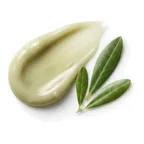 Oil Tree Leaf
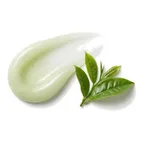 Camellia Sinensis Leaf Extract
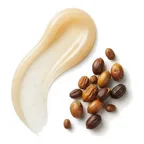 Jojoba Esters
 Glycerin
Superior
- SuperiorOily Skin Fit
- SuperiorEffectiveness
- ExcellentSafety
One of the best cleansing masks for oily acne-prone skin.
This fit is calculated for the concerns frequently associated with oily acne-prone skin: shine, breakouts, blemishes, and enlarged pores. For scores and recommendations based on your full skin profile, including your 12D face scan results and any goals or preferences you have, please use the Lovi app.
Updated How the Fit score works
Lovi Assistant explains
- Excellent suitability for your oily skin is provided by kaolin and salicylic acid, which offer excellent pore cleansing and seboregulation to address your acne, blemishes, and breakouts. Melaleuca alternifolia tree oil further targets inflammation and clogged pores, complementing the action of salicylic acid.
- The inclusion of Avena Sativa Kernel Extract and Bisabolol ensures a soothing experience, minimizing any potential irritation for your skin.
- This formula is safe for your skin, with no risks of irritation due to the absence of harsh ingredients and the presence of beneficial soothing components.
How to apply
- Use your cleansing mask PM as part of your weekly routine. Start 1×/week and increase carefully if your oily skin tolerates it well.
- Apply this step after your enzyme powder and before your hydrating toner. Follow the standard weekly order to keep your skin balanced.
- Spread an even layer of the cleansing mask across your face while avoiding the eye area. Let it sit for the recommended time without rubbing .
- Apply the mask on clean and dry skin for the best purifying effect on your breakouts. Clean skin allows the formula to target blemishes directly.
- Always do a patch test before your first use to check for sensitivity. Avoid combining this mask with strong acids or retinoids in the same routine .
People Say
★4.8Overall rating based on 400+ reviewsThis clay-based mask is highly regarded by users with oily and acne-prone skin for its pore-cleansing abilities, leaving skin feeling comfortable and hydrated. Reviewers frequently mention that it effectively refines skin texture and calms breakouts, with many appreciating its non-stripping feel, making it suitable even for sensitive or combination skin types.
Highlights
Deeply cleans pores Often Mentioned
- “pulls out impurities”
- “clears my pores”
- “unclogs congestion”
- “blackheads reduced”
Smooths skin texture Often Mentioned
- “leaves skin polished”
- “baby soft”
- “smooth and refreshed”
- “glowy look”
High price Often Mentioned
- “expensive”
- “pricey tag”
- “wallet destroyer”
- “luxury cost”
Non-drying formula Sometimes Noted
- “moist after-feel”
- “non-drying”
- “doesn't feel like cement”
- “hydrating for clay”
Reduces acne Sometimes Noted
- “blemishes clear quicker”
- “keeps skin acne free”
- “great for breakouts”
- “calms inflammation”
Stains fabrics Sometimes Noted
- “stains clothing/towels”
- “ruined my washcloth”
- “black hue stains”
- “use cotton pads”
Long-lasting tube Rarely Noted
- “a little goes a long way”
- “tube lasts months”
- “worth the investment”
Messy removal Rarely Noted
- “hard to rinse”
- “messy black mask”
- “requires cleanup”
- “leaves sink dirty”
Potential irritation Rarely Noted
- “strong for sensitive skin”
- “tingling sensation”
- “caused redness”
- “too active”
Sources: lovi.care, dermstore.com, lovelyskin.com, revisionskincare.com, walmart.com, harbenhouse.com, and more
Questions and answers
What makes Revision Skincare Black Mask one of the best fits for oily acne-prone skin?
Revision Skincare Black Mask is a great fit because kaolin and salicylic acid clear out pores and balance oil to help calm acne and breakouts, while tree leaf oil targets inflammation. Soothing ingredients like oat extract and bisabolol keep the formula gentle and minimize any chance of irritation for your skin.
Journal of Cosmetic Dermatology, 2024BioMed Research International, 2020
Which ingredients make this mask a good fit for oily acne-prone skin?
This mask is a great fit because kaolin and salicylic acid deeply clean pores and control oil to help clear breakouts. Tree oil calms inflammation, while oat extract and bisabolol soothe the skin and keep irritation away.
Journal of Cosmetic Dermatology, 2024BioMed Research International, 2020
What does Salicylic Acid do for oily acne-prone skin?
Salicylic acid helps clear breakouts and manage oil by reducing blemishes, calming redness, and keeping skin balanced. It works by gently clearing out pores and lowering excess oil production, which is very helpful for oily and acne-prone skin.
BioMed Research International, 2020Journal of Cosmetic Dermatology, 2024
What does Tea Tree Leaf Oil do for oily acne-prone skin?
Tea tree leaf oil helps clear up oily, acne-prone skin by reducing both inflamed and non-inflamed acne bumps and improving overall skin clarity. It works against the bacteria responsible for breakouts while typically causing fewer side effects than other strong treatments. A product of this type needs soothing and balancing ingredients that calm redness and keep oil under control without clogging pores.
The Medical Journal of Australia, 1990Indian Journal of Dermatology, Venereology and Leprology, 2007
Where does this mask go in a skincare routine for oily acne-prone skin?
This cleansing mask is used once a week as part of a weekly evening routine, following a makeup remover, cleanser, and enzyme powder, and before applying a hydrating toner, treatment, and moisturizer.
Can I use this mask with retinol, and in what order?
This cleansing mask is well-suited for your oily acne-prone skin and can be used on your weekly mask day, but it should not be applied on the same day as your retinol treatment to prevent irritation.
How often should I use this mask?
This cleansing mask fits best as a weekly step in your routine. Its clays and salicylic acid help clear pores and calm breakouts while soothing ingredients keep your skin comfortable.
BioMed Research International, 2020Journal of Cosmetic Dermatology, 2020
Can this mask clog pores, cause breakouts or purging for oily acne-prone skin?
This mask is unlikely to clog pores or cause breakouts because salicylic acid and kaolin thoroughly clean out pores and balance oil, while soothing ingredients help prevent irritation. It may cause mild purging when you first start using it as trapped debris comes to the surface.
BioMed Research International, 2020Journal of Cosmetic Dermatology, 2024
Is this mask fragrance-free and alcohol-free?
It has no drying alcohol and contains fragrance (parfum). Cetearyl alcohol is a fatty alcohol, which soften the skin.
What the research says
A moisturizer containing licochalcone A, 1,2-decanediol, L-carnitine, and salicylic acid significantly reduced noninflammatory, inflammatory, and total acne lesion counts compared to a vehicle control in Thai patients during a 12-week maintenance phase.
BioMed Research International, 2020Treatment with 45% mandelic acid peel showed nearly equal overall efficacy as 30% salicylic acid peel in patients with mild-to-moderate facial acne vulgaris, but with fewer adverse effects.
Journal of Cosmetic Dermatology, 2020Twice daily application of a multitargeted dermocosmetic cream provided comparable efficacy to benzoyl peroxide 5% gel in reducing inflammatory, non-inflammatory, and total lesions in 150 Caucasian subjects with mild-to-moderate acne over 56 days, while demonstrating superior skin tolerability.
Journal of Cosmetic Dermatology, 2024Treatment with 2% supramolecular salicylic acid hydrogel resulted in a regression and markedly improvement rate of 51.01% compared to 43.10% for Adapaline gel in patients with mild to moderate facial acne vulgaris, showing no significant difference in efficacy.
Journal of Cosmetic Dermatology, 2024Topical 5% benzoyl peroxide plus salicylic acid achieved the greatest lesion reduction at early 2 to 4 week time points compared to benzoyl peroxide, clindamycin, and combination benzoyl peroxide/clindamycin, while 5% benzoyl peroxide plus salicylic acid and combination benzoyl peroxide/clindamycin showed similar efficacy at 10 to 12 weeks in acne patients.
Journal of the American Academy of Dermatology, 2010Post-peel application of either topical tretinoin (0.25%) or retinol (0.25%) after a 30% salicylic acid peel effectively improves signs of photodamage compared to baseline in female subjects, with tretinoin performing slightly better than retinol in texture, roughness, and overall appearance at week 4.
Journal of Drugs in Dermatology, 2016Topical oleuropein formulations reduced erythema, transepidermal water loss, and blood flow by approximately 22%, 35%, and 30% in healthy volunteers with UVB-induced erythema.
International Journal of Cosmetic Science, 2008An oil-in-serum formulation containing olive extract standardized in hydroxytyrosol improved skin barrier function and significantly reduced hyperpigmentation in participants with post-inflammatory hyperpigmentation after 45 days of application.
AAPS PharmSciTech, 2026Treatment with hydroxytyrosol extracted from olive fruits protects human keratinocytes and fibroblasts from LED-BL-induced damage compared to untreated controls.
Journal of Cellular Physiology, 2019Topically formulated tea polyphenols show some benefit in reducing sebum secretion and treating acne vulgaris compared to baseline or control.
Antioxidants, 2016Topical application of tannase-converted green tea extract (TGE) significantly improved skin wrinkle indices and self-assessed wrinkle reduction compared to normal green tea extract (NGE) in human subjects over 8 weeks.
Journal of Cosmetic Dermatology, 2013An anti-acne hydrogel containing Aloe barbadensis, Garcinia mangostana, and Camellia sinensis extracts showed superior antiacne and antiblotch activities compared to 1% clindamycin gel in sixty subjects with mild-moderate acne.
Clinical, Cosmetic and Investigational Dermatology, 2019Topical formulations containing 3.75% glycerol and 1.25% hydrolyzed jojoba esters produced significantly lower evaporative TEWL values compared to glycerol alone at 8 and 24 hours posttreatment in human subjects.
Journal of Cosmetic Dermatology, 2008Clay jojoba oil facial masks reduced total skin lesions by a mean of 54% after 6 weeks in 133 participants with acne-prone, lesioned skin and mild acne compared to baseline.
Forschende Komplementarmedizin, 2012Topical application of jojoba wax reduced LPS-induced secretion of IL-6, IL-8, and TNFα by approximately 30% and increased the synthesis of pro-collagen III and hyaluronic acid compared to untreated skin in an ex-vivo human skin organ culture model.
Frontiers in Pharmacology, 2024A single application of a moisturizing fluid containing hyaluronic acid 1%, glycerin 5%, and Centella asiatica stem cells extract significantly increased skin hydration by 29% and reduced transepidermal water loss at 24 hours compared to baseline and an untreated control site in twenty healthy women.
Clinical, Cosmetic and Investigational Dermatology, 2017The emollient V0034CR significantly reduced TEWL compared to vehicle and vehicle plus glycerol, and significantly increased corneometry scores compared to vehicle and vehicle plus petrolatum in healthy volunteers with dry skin, demonstrating combined barrier function improvement from petrolatum and hydration improvement from glycerol.
Journal of Cosmetic Dermatology, 2020Ten days of treatment with a cream containing 20% glycerin significantly increased skin hydration measured by corneometer values in 17 healthy volunteers compared to a placebo cream, but showed no influence on transepidermal water loss or skin sensitivity to an irritating surfactant.
International Journal of Cosmetic Science, 2001
Ingredients
Water, Sea Silt, Bentonite, Kaolin, Glycerin, Lauryl Lactate, Galactoarabinan, Jojoba Esters, C12-15 Alkyl Benzoate, Glyceryl Stearate, Dimethicone, Sorbitan Stearate, Cetearyl Alcohol, Peg-100 Stearate, Cetyl Esters, Steareth-20, Avena Sativa Kernel Extract Oat Kernel Extract, Salvia Officinalis Leaf Extract, Hydroxyethyl Acrylate Sodium Acryloyldimethyl Taurate Copolymer, Camellia Oleifera Leaf Extract Camellia Sinensis Leaf Extract, Melaleuca Alternifolia Tree Oil Leaf, Tocopherol, Salicylic Acid, Zea Mays Starch, Cucumis Sativus Fruit Extract, Cocamidopropyl Dimethylamine, Butylene Glycol, Iron Oxides, Bisabolol, Hydrolyzed Corn Starch, Triethoxycaprylylsilane, Squalane, Tetrasodium Edta, Xanthan Gum, Mentha Arvensis Oil Leaf, Phenoxyethanol, Polysorbate 60, Steareth-10, Hydrolyzed Corn Octenylsuccinate Starch, Chlorphenesin, Benzoic Acid, Sorbic Acid, Hydrated Silica, Parfum
Behind this fit score
Lovi calculates every fit score from the full ingredient list with brand-independent rules our dermatologists and cosmetic chemists build and review, and personalizes every pick with AI trained on the real results of millions of users. Lovi trains its fit score models on a proprietary dataset built from more than 10,000 expert-labeled products and more than 100,000 simulated examples, following an internally consistent methodology presented at Cosmoprof, AMWC, and Skin of Color Update.
-

Co-founder, Medical Director
Cosmetic chemist, cosmetologist, aesthetic products developer
-

Co-founder, CEO and CTO
PhD in computer science, 3x US patent holder, ex-Google, ex-Yandex
-

Dr. Sofía Perea Pérez, MD, MSc
Medical Board
Aesthetic medicine practitioner, MSc in Longevity and Anti-Aging Medicine
-

Medical Board
Specialist dermatologist, MBBS, MD, IFAAD
-

Medical Board
Cosmetic chemist, SCS, IFSCC member
-

Medical Board, Medical Advisor
Dermatology MD
-

Elina Nazarenko, MD
Medical Board
Dermatology and diagnostic consultant
-

Victoria Derkova, MS
Medical Board
Cosmetic chemist, cosmetic development technologist


How does it fit your skin?
Scan your face, then any product: Lovi shows how well it fits you and what fits even better.