
RANAVAT Brightening Saffron Serum for oily acne-prone skin

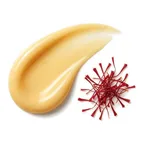 Crocus Sativus
 Licorice Root
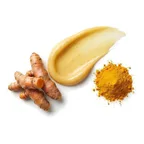 Curcuma Longa
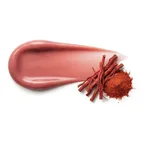 Manjishta
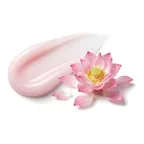 Nelumbo Nucifera Seed
High
- HighOily Skin Fit
- HighEffectiveness
- HighSafety
A great choice for oily acne-prone skin; a few serums fit it even better.
This fit is calculated for the concerns frequently associated with oily acne-prone skin: shine, breakouts, blemishes, and enlarged pores. For scores and recommendations based on your full skin profile, including your 12D face scan results and any goals or preferences you have, please use the Lovi app.
Updated How the Fit score works
Lovi Assistant explains
- Offers excellent brightening and evening of skin tone for your oily skin due to ascorbic acid and niacinamide, which also provide moderate seboregulation and hydration.
- Glycerin and Sodium Hyaluronate offer supportive hydration for your acne-prone skin, though stronger oil-controlling ingredients would enhance results.
- The formula is safe for your oily skin, with Aloe Barbadensis Leaf Juice providing soothing benefits and no harsh or prohibited ingredients.
How to apply
- Could be used as part of your PM routine. Start 3 times a week and build up to daily use if your skin tolerates it well.
- Apply your serum after cleansing and toning, but before putting on your moisturizer.
- Gently press 2 to 3 drops of the serum into your skin and let it absorb for a minute.
- Apply the serum on clean, dry skin to help manage your blemishes safely.
- Do a patch test before your first use and avoid the delicate eye area.
People Say
★4.6Overall rating based on 7.8k+ reviewsBased on a very large amount of data, users with diverse skin types, including acne-prone and sensitive skin, frequently praise this serum for its ability to deliver a radiant glow and significant hydration. Many report visible reductions in hyperpigmentation and dark spots over time. A minority of users experienced breakouts or found the results too subtle for the high price point.
Highlights
Deep hydration Mostly Mentioned
- “Sinks in beautifully”
- “Hydrates without being greasy”
- “Leaves skin feeling silky”
- “Nourishing for dry patches”
Radiant glow Often Mentioned
- “Immediate glow after using”
- “Lit from within look”
- “Skin looks brighter instantly”
- “Noticeable radiance next morning”
High price point Often Mentioned
- “Very expensive for amount”
- “Hard to justify cost”
- “Pricey for daily use”
- “Wish it was cheaper”
Fades dark spots Sometimes Noted
- “Helped with acne scars”
- “Pigmentation is visibly lighter”
- “Evened out my complexion”
- “Dark spots are fading”
Luxurious scent Sometimes Noted
- “Smells absolutely divine”
- “Like a spa experience”
- “Rich, earthy saffron scent”
- “Comforting and expensive smell”
Caused breakouts Rarely Noted
- “Broke me out badly”
- “Caused cystic acne”
- “Clogged my pores”
- “Tiny bumps appeared”
Packaging issues Rarely Noted
- “Pouring method is messy”
- “Needs a pump dispenser”
- “Hard to get drops”
- “Bottle leaks slightly”
Strong fragrance Rarely Noted
- “Scent is too overpowering”
- “Smell lingers too long”
- “Headache from the smell”
- “Too strong for sensitive nose”
Sources: lovi.care, ranavat.com, sephora.com, influenster.com, reddit.com, skinsort.com, and more
Questions and answers
What makes RANAVAT Brightening Saffron Serum a great fit for oily acne-prone skin?
This serum is a great fit for your oily acne-prone skin because ascorbic acid and niacinamide help brighten your skin tone and manage oil. Glycerin and sodium hyaluronate provide lightweight hydration, while aloe leaf juice soothes without harsh ingredients.
The British Journal of Dermatology, 2002Journal of Cosmetic Dermatology, 2020
Which ingredients make this serum a good fit for oily acne-prone skin?
Ascorbic acid and niacinamide make this serum a great fit for your oily skin because they help brighten dark spots and even out skin tone while providing moderate oil control and hydration. Glycerin and sodium hyaluronate offer supportive moisture, and aloe leaf juice adds soothing benefits that are gentle on your acne-prone skin.
The British Journal of Dermatology, 2002Journal of Cosmetic Dermatology, 2020
What does Saffron Extract do for oily acne-prone skin?
Saffron extract helps calm oily acne-prone skin by reducing inflammation and keeping microbes in check, which may lower the chances of breakouts. It also supports skin repair and provides moisture without feeling heavy, making it a useful addition to lightweight moisturizers and sunscreens.
What does Licorice Root Extract do for oily acne-prone skin?
Licorice root extract helps calm redness and swelling on oily, acne-prone skin while easing irritation. This ingredient has a very good safety profile for keeping sensitive and breakout-prone skin comfortable and balanced.
The Journal of Dermatological Treatment, 2003Archives of Dermatological Research, 2006
Where does this serum go in a skincare routine for oily acne-prone skin?
This serum goes in the evening routine after cleansing and before moisturizing, following the simple routine for your oily skin. Using this treatment at night helps avoid potential sun sensitivity from active ingredients while providing soothing and brightening benefits.
Can I use this serum with retinol, and in what order?
Use this serum and retinol apart: in different sessions of the same day or on different days. Using these ingredients together is generally well tolerated, though alternating times of use may further reduce the chance of dryness or sensitivity.
How often should I use this serum?
You can use this treatment in your evening routine. It is a great fit for your oily acne-prone skin, helping brighten dark spots and keep oil balanced while keeping your face calm.
The British Journal of Dermatology, 2002Journal of Cosmetic Dermatology, 2020
Can this serum clog pores, cause breakouts or purging for oily acne-prone skin?
This serum is unlikely to cause breakouts for your oily acne-prone skin, as it has a safe formula with soothing aloe vera and very few reviewers report pimples. However, stronger oil-controlling ingredients would help enhance results for this skin type.
Is this serum fragrance-free and alcohol-free?
It has no drying alcohol and contains fragrance (parfum).
What the research says
Niacinamide significantly decreased hyperpigmentation and increased skin lightness compared with vehicle alone after 4 weeks of use in women by inhibiting melanosome transfer.
The British Journal of Dermatology, 2002A topical serum containing vitamin C, vitamin E, and raspberry leaf cell culture extract improved skin color, elasticity, radiance, smoothness, scaliness, and wrinkles compared to the untreated contralateral side in fifty female volunteers.
Journal of Cosmetic Dermatology, 2020Vitamin C is widely used as a depigmenting agent in dermatology, though limited studies evaluate its use for gingival depigmentation.
Journal of Oral and Maxillofacial Pathology, 2020A single application of a moisturizing fluid containing hyaluronic acid 1%, glycerin 5%, and Centella asiatica stem cells extract significantly increased skin hydration by 29% and reduced transepidermal water loss at 24 hours compared to baseline and an untreated control site in twenty healthy women.
Clinical, Cosmetic and Investigational Dermatology, 2017A cream combining propolis, tea tree oil, and Aloe vera reduced erythema scars, acne severity index, and total lesion count better than erythromycin cream in sixty patients with mild to moderate acne vulgaris compared to placebo.
Clinical Pharmacology, 2018Oral and topical botanical products containing ingredients like ashwagandha, saffron, l-theanine, and tocopherol reduced facial redness and pigmentation and improved sleep and certain mood parameters in healthy females with sensitive skin compared to baseline.
Journal of Clinical Medicine, 2022Topical cream containing saffron extract and avocado oil improved wrinkle grading, reduced nasolabial fold area and volume, and increased skin elasticity in twenty healthy volunteers over 12 weeks without allergic reactions.
Journal of Cosmetic Dermatology, 2020Saffron lotion demonstrated antisolar effects with an SPF value equivalent to an 8% homosalate lotion reference at a 4% concentration and significantly higher at an 8% concentration, but showed no significant moisturizing effect compared to the control lotion.
Iranian Journal of Pharmaceutical Research, 2010Combining 755 nm alexandrite laser with topical licorice gel significantly reduces terminal hair counts compared to alexandrite laser with placebo in women with idiopathic hirsutism.
Evidence-based Complementary and Alternative Medicine, 2015Licochalcone A activated Nrf2 signaling, elevated cytoprotective enzymes, increased the reduced-to-oxidized glutathione ratio, and decreased reactive oxygen species in human fibroblasts and neutrophils, while a LicA-rich licorice extract lowered UVA-induced oxidative processes in vivo.
Experimental Dermatology, 2015Mesoporous silica nanoparticles entrapping licorice polysaccharide and coated with polydopamine showed 76% entrapment efficiency, 89% in vitro release at pH 5, increased sebocytes' cellular uptake, and mediated inflammatory response by inhibiting pro-inflammatory cytokines and regulating anti-inflammatory cytokines.
Carbohydrate Polymers, 2024Topical application of curcumin or turmeric treats various skin conditions by leveraging antioxidant, anti-inflammatory, and antimicrobial properties.
Skin Pharmacology and Physiology, 2023A curcumin-loaded spanlastic anti-aging gel utilizing formula F5 incorporated into 2% HPMC E50 demonstrated sustained release action, compatibility, and the ability to penetrate skin layers to a depth of about 112.5 um without signs of irritation.
Saudi Pharmaceutical Journal, 2024A polyherbal gel formulation of Rubia cordifolia, Aloe barbadensis, and Allium cepa showed similar efficacy to clindamycin gel against Cutibacterium acnes and in the topical therapy of mild acne vulgaris.
Assay and Drug Development Technologies, 2024Topical green tea and green tea plus lotus multiple emulsions reduced casual sebum secretions compared to placebo in healthy adults, with the combined treatment producing significantly greater reductions than green tea alone over a 60-day period.
Hippokratia, 2013Combined topical application of lotus and green tea improved facial skin surface parameters including roughness, scaliness, smoothness, and wrinkling in healthy Asian men compared to single treatments and placebo.
Rejuvenation Research, 2013Cosmetics containing lotus-derived callus extract showed a significant skin-whitening effect in 21 volunteers.
Plants, 2023
Ingredients
Water, Glycerin, Crocus Sativus Extract Flower Extract, Ascorbic Acid, Sodium Hyaluronate, Niacinamide, Aloe Barbadensis Leaf Juice, Tocopherol Vitamin E, Phenoxyethanol, Ethylhexylglycerin, Parfum, Xanthan Gum, Citric Acid
Behind this fit score
Lovi calculates every fit score from the full ingredient list with brand-independent rules our dermatologists and cosmetic chemists build and review, and personalizes every pick with AI trained on the real results of millions of users. Lovi trains its fit score models on a proprietary dataset built from more than 10,000 expert-labeled products and more than 100,000 simulated examples, following an internally consistent methodology presented at Cosmoprof, AMWC, and Skin of Color Update.
-

Co-founder, Medical Director
Cosmetic chemist, cosmetologist, aesthetic products developer
-

Co-founder, CEO and CTO
PhD in computer science, 3x US patent holder, ex-Google, ex-Yandex
-

Dr. Sofía Perea Pérez, MD, MSc
Medical Board
Aesthetic medicine practitioner, MSc in Longevity and Anti-Aging Medicine
-

Medical Board
Specialist dermatologist, MBBS, MD, IFAAD
-

Medical Board
Cosmetic chemist, SCS, IFSCC member
-

Medical Board, Medical Advisor
Dermatology MD
-

Elina Nazarenko, MD
Medical Board
Dermatology and diagnostic consultant
-

Victoria Derkova, MS
Medical Board
Cosmetic chemist, cosmetic development technologist


How does it fit your skin?
Scan your face, then any product: Lovi shows how well it fits you and what fits even better.