
Proactiv Repairing Treatment for acne-prone skin

 Benzoyl Peroxide
 Allantoin
 Panthenol
 Dimethicone
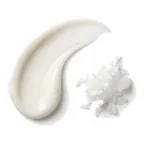 Glyceryl Stearate
Average
- AverageCombination Skin Fit
- AverageEffectiveness
- Low RiskSafety
Works for acne-prone skin; other serums fit it better.
This fit is calculated for the concerns frequently associated with acne-prone skin: breakouts, blackheads, and post-acne marks. For scores and recommendations based on your full skin profile, including your 12D face scan results and any goals or preferences you have, please use the Lovi app.
Updated How the Fit score works
Lovi Assistant explains
- Offers moderate suitability for your combination skin, as benzoyl peroxide effectively targets acne and blemishes with its antibacterial action, though it may not provide enough hydration for drier areas.
- Panthenol and allantoin offer some soothing benefits, but the overall formula could be enhanced with more robust moisturizing agents to better balance your skin type.
- The product is generally safe for your skin, with a low risk of irritation from benzoyl peroxide.
How to apply
- Use your serum as part of your PM routine and start 3x/week before working up to daily use.
- Apply this treatment after cleansing and toner, and before your moisturizer.
- Gently press 2-3 drops of the serum into your skin and let it absorb for a minute.
- Apply the product on clean, dry skin to help manage your breakouts safely.
- Avoid the eye area and do a patch test before your first use.
People Say
★4.3Overall rating based on 2.5k+ reviewsBased on a very large amount of data, users find this benzoyl peroxide lotion highly effective for clearing stubborn and cystic acne, often achieving results where other products have failed. It is frequently noted to be harsh on sensitive skin, causing dryness or peeling, and users should be cautious as it can bleach fabrics.
Highlights
Bleaches fabrics Mostly Mentioned
- “Ruined all my towels”
- “Bleached my pillowcases orange”
- “Stained my favorite shirt”
- “Be careful with colored sheets”
Clears stubborn acne Often Mentioned
- “Cleared my cystic acne completely”
- “Only thing that works for me”
- “Zits vanished within days”
- “Finally clear after years”
Drying and irritating Often Mentioned
- “Made my skin flake”
- “Caused redness and burning”
- “Too harsh for sensitive skin”
- “Left my face very dry”
Fast acting results Sometimes Noted
- “Saw results in two days”
- “Works overnight on pimples”
- “Reduces size immediately”
- “Cleared up in a week”
Prevents future breakouts Sometimes Noted
- “Keeps new pimples away”
- “Maintains clear skin consistently”
- “Stops breakouts before they start”
- “Controls hormonal acne well”
Expensive for size Sometimes Noted
- “Bottle is too small”
- “Pricey for the amount”
- “Wish it was cheaper”
- “Expensive but worth it”
Smooths skin texture Rarely Noted
- “Leaves face feeling soft”
- “Improved my skin texture”
- “Skin looks smoother now”
- “Helps with rough patches”
Unpleasant scent Rarely Noted
- “Has a chemical smell”
- “Smells like strong medicine”
- “Scent is a bit overpowering”
- “Don't like the fragrance”
Sources: lovi.care, walmart.com, proactiv.com, amazon.com, influenster.com, target.com, and more
Questions and answers
How well does Proactiv Repairing Treatment work for acne-prone skin?
Proactiv Repairing Treatment offers moderate suitability for your acne-prone skin, as benzoyl peroxide effectively targets acne and blemishes, though it may not provide enough hydration for drier areas. A treatment for this skin needs ingredients like niacinamide, propolis, or zinc PCA to provide balanced hydration while controlling oiliness and calming breakouts.
Which ingredients make this cream a good fit for acne-prone skin?
Benzoyl peroxide makes this cream a good fit because it targets acne and blemishes with antibacterial action, while panthenol and allantoin help soothe the skin. However, a product for this skin needs more robust moisturizing agents like niacinamide, propolis, or zinc PCA to balance dry and oily areas.
The Cochrane Database of Systematic Reviews, 2020American Journal of Clinical Dermatology, 2002
What does Benzoyl Peroxide do for acne-prone skin?
Benzoyl peroxide helps clear up acne by reducing both inflammatory and noninflammatory blemishes and lowering the number of acne-causing bacteria on the skin. However, it may cause dryness and local irritation, as well as an increased loss of water through the skin.
What does Allantoin do for acne-prone skin?
Allantoin helps calm acne-prone skin by reducing redness and soothing irritation. It is unlikely to cause adverse reactions and supports a balanced, comfortable feel while caring for blemishes.
Where does it go in a skincare routine for acne-prone skin?
Use Proactiv Repairing Treatment in the evening routine after cleansing and before moisturizing. This product works for acne-prone skin because benzoyl peroxide targets blemishes, though an average fit like this needs stronger moisturizing ingredients to keep drier areas balanced.
Can I use it with retinol, and in what order?
You can use this treatment with retinol, but apply them on separate nights or use a gentle soothing moisturizer to help prevent dry, irritated skin. This product of this type needs extra hydrating agents and calming ingredients to properly balance acne-prone skin.
Journal of Cosmetic Dermatology, 2024American Family Physician, 2012
How often should I use it?
Use this treatment in the evening, applying it as part of your nighttime routine. Benzoyl peroxide effectively targets acne and blemishes, but an average fit for your skin means this product type needs more robust moisturizing agents to better balance dry and oily areas.
Can this cream clog pores, cause breakouts or purging for acne-prone skin?
This cream is unlikely to clog pores, but it contains benzoyl peroxide which may cause drying, irritation, and peeling that look like a breakout for some users. To work best for acne-prone skin, a product of this type needs stronger moisturizing ingredients to keep drier areas balanced while targeting blemishes.
Is it fragrance-free and alcohol-free?
Yes, it has no fragrance and no drying alcohol. Cetearyl alcohol is a fatty alcohol, which soften the skin.
What the research says
Preoperative application of 5% benzoyl peroxide (BPO) reduces Cutibacterium acnes skin burden on the shoulder more effectively than 4% chlorhexidine gluconate (CHG) in patients undergoing shoulder surgery.
Journal of Shoulder and Elbow Surgery, 2018Topical benzoyl peroxide may improve acne more effectively than placebo or no treatment, while showing little to no difference compared with adapalene or clindamycin, but with an increased risk of treatment discontinuation due to adverse effects compared to placebo.
The Cochrane Database of Systematic Reviews, 2020Topical dexpanthenol acts as a moisturizer, improves stratum corneum hydration, accelerates wound healing and epidermal regeneration, reduces erythema, and improves symptoms of skin irritation compared to vehicle or no pretreatment.
American Journal of Clinical Dermatology, 2002A new topical panthenol-containing emollient significantly improved transepidermal water loss reduction, stratum corneum hydration, and intercellular lipid lamellae length compared with control in healthy subjects without negatively impacting bacterial viability.
The Journal of Dermatological Treatment, 2017Once-daily fixed-dose clindamycin phosphate 1.2%/benzoyl peroxide 3.1%/adapalene 0.15% gel achieved superior treatment success (52.5%) and greater reductions in inflammatory and noninflammatory lesions compared to vehicle (8.1%) and dyad component gels in participants with moderate-to-severe acne over 12 weeks.
American Journal of Clinical Dermatology, 2022Topical clindamycin phosphate 1.2%/adapalene 0.15%/benzoyl peroxide 3.1% gel achieved significantly greater treatment success and lesion reductions compared to vehicle in participants with moderate-to-severe acne.
Journal of the American Academy of Dermatology, 2023Daily application of adapalene 0.3%/benzoyl peroxide 2.5% gel reduced and prevented atrophic acne scar formation, achieving a total scar count change of -15.5% versus +14.4% for vehicle over 24 weeks in 67 subjects with moderate or severe facial acne.
American Journal of Clinical Dermatology, 2018The ThriveCo Bumps Eraser Kit increased skin hydration by 131.75%, reduced redness by 69.30%, decreased pigmentation by 35.77%, dropped itchiness by 92.63%, improved smoothness by 55.00%, reduced roughness by 148.54%, and decreased scaliness by 87.09% without adverse effects.
Cureus, 2025The combination of allantoin, bisabolol, D-panthenol and dipotassium glycyrrhizinate reduces UVB-induced PGE2, inflammatory cytokines, and mitochondrial superoxide in human epidermal keratinocytes.
International Journal of Cosmetic Science, 2024Topical dexpanthenol formulated in lipophilic vehicles improved stratum corneum hydration and reduced transepidermal water loss compared to vehicle control in humans.
Arzneimittel-Forschung, 2000A combination serum containing galactomyces ferment filtrate, dexpanthenol, and Centella asiatica effectively treated post-acne hyperpigmentation in subjects with colored skin by significantly increasing lightness scores in Fitzpatrick skin type V and reducing the melanin index in Fitzpatrick skin type IV compared to placebo.
Skinmed, 2021A cream containing panthenol, prebiotics, and probiotic lysate improved facial sensitive skin symptoms and skin barrier function in 110 participants over 28 days.
Skin Research and Technology, 2024Wearing an N95 mask alone compared to using dimethicone cream or hydrocolloid dressing caused more adverse skin reactions among 73 military health care workers, with no significant differences in fit test failure rates between groups.
Military Medicine, 2024Petrolatum-based skin protectants demonstrated protection against irritants and maceration while providing skin hydration, whereas dimethicone and zinc oxide products showed varying or limited performance across parameters among 18 healthy volunteers compared to positive and negative controls.
Ostomy/wound Management, 2005Treatment with a moisturizer containing dimethicone and glycerine increased epidermal thickness by 0.019 mm, improved barrier function by decreasing transepidermal water loss by 13%, decreased melanin intensity, and induced keratins 6 and 16 in fifteen women with moderately photoaged forearms.
Clinical and Experimental Dermatology, 2007
Why other serums fit acne-prone skin better
Cosmetic formulations containing 5% Centella asiatica extract showed the best efficacy in improving skin moisture and decreasing transepidermal water loss, while also exhibiting antiinflammatory properties in 25 volunteers compared to baseline measurements.
Indian Journal of Pharmaceutical Sciences, 2016Topical application of 1,3-propanediol at various concentrations, alone or combined with butylene glycol and/or glycerol, increased skin hydration and reduced trans epidermal water loss in 30 healthy female subjects over an 8-hour period, with the 15% concentration and the addition of glycerol providing greater benefits.
International Journal of Cosmetic Science, 2024Glycerol accelerates barrier repair and improves stratum corneum hydration compared to untreated and base-treated sites.
Acta Dermato-venereologica, 1999
Ingredients
Benzoyl Peroxide, Water, Ethoxydiglycol, Cyclotetrasiloxane, Cyclopentasiloxane, Propylene Glycol, Cetearyl Alcohol, Dimethicone, Glyceryl Stearate, Peg-100 Stearate, Panthenol, Allantoin, Xanthan Gum, Ceteareth-20, Carbomer, Sodium Hydroxide, Diazolidinyl Urea, Methylparaben, Propylparaben
Behind this fit score
Lovi calculates every fit score from the full ingredient list with brand-independent rules our dermatologists and cosmetic chemists build and review, and personalizes every pick with AI trained on the real results of millions of users. Lovi trains its fit score models on a proprietary dataset built from more than 10,000 expert-labeled products and more than 100,000 simulated examples, following an internally consistent methodology presented at Cosmoprof, AMWC, and Skin of Color Update.
-

Co-founder, Medical Director
Cosmetic chemist, cosmetologist, aesthetic products developer
-

Co-founder, CEO and CTO
PhD in computer science, 3x US patent holder, ex-Google, ex-Yandex
-

Dr. Sofía Perea Pérez, MD, MSc
Medical Board
Aesthetic medicine practitioner, MSc in Longevity and Anti-Aging Medicine
-

Medical Board
Specialist dermatologist, MBBS, MD, IFAAD
-

Medical Board
Cosmetic chemist, SCS, IFSCC member
-

Medical Board, Medical Advisor
Dermatology MD
-

Elina Nazarenko, MD
Medical Board
Dermatology and diagnostic consultant
-

Victoria Derkova, MS
Medical Board
Cosmetic chemist, cosmetic development technologist


How does it fit your skin?
Scan your face, then any product: Lovi shows how well it fits you and what fits even better.