
Pixi Glow Mist for skin with dark spots

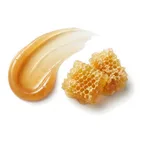 Propolis Extract
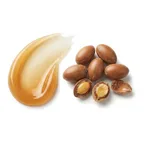 Argania Spinosa Kernel Oil Argan Kernel Oil
 Niacinamide
 Sodium Hyaluronate
 Aloe Barbadensis Leaf Extract
Average
- HighNormal Skin Fit
- AverageEffectiveness
- HighSafety
Works for skin with dark spots; other toners fit it better.
This fit is calculated for the concerns frequently associated with dark spots: hyperpigmentation, sun spots, and uneven skin tone. For scores and recommendations based on your full skin profile, including your 12D face scan results and any goals or preferences you have, please use the Lovi app.
Updated How the Fit score works
Lovi Assistant explains
- Offers moderate hydration and soothing benefits for your normal skin, with aloe barbadensis leaf extract and niacinamide supporting general skin health and pigmentation concerns.
- Sodium hyaluronate and panthenol further enhance moisture retention and skin barrier function, contributing to a smoother complexion.
- The product is safe for your normal skin, as it contains soothing ingredients and lacks harsh or prohibited substances.
How to apply
- Use your hydrating toner AM and PM every day to boost glow. Always pair with SPF in the morning to protect against dark spots.
- Apply your hydrating toner after cleansing and before moisturizer or SPF. This step preps your normal skin to better absorb the next products.
- Gently press 2-3 drops of the hydrating toner into your skin with your hands. Avoid rubbing to keep your face calm and happy.
- Apply the hydrating toner on slightly damp skin to lock in extra moisture. This helps your normal skin stay plump and hydrated all day.
- Always avoid the direct eye area when applying. Do a quick patch test before your very first use to be safe.
People Say
★4.2Overall rating based on 700+ reviewsUsers with dry or dull skin praise this mist for delivering an instant "glass skin" finish and melting powder products into a seamless, radiant look. Those with oily or acne-prone skin often find the oil-enriched formula too heavy or greasy, noting that it can separate makeup if not shaken vigorously or applied from a distance.
Highlights
Dewy glass skin Mostly Mentioned
- “healthy radiance”
- “glow from within”
- “luminous sheen”
- “instant glass skin”
- “shiny but natural”
Eliminates powdery look Often Mentioned
- “melts powder makeup”
- “fixes cakey foundation”
- “seamless blending”
- “skin-like finish”
- “removes matte flatness”
Hydrating for dry skin Often Mentioned
- “relieves tightness”
- “moisturizing argan oil”
- “refreshing for dry patches”
- “winter skin savior”
- “soothing hydration”
Oily residue Often Mentioned
- “too greasy”
- “oil slick”
- “heavy film”
- “clogs pores”
- “not for oily skin”
Pleasant scent Sometimes Noted
- “refreshing rose smell”
- “spa-like fragrance”
- “light citrus notes”
- “herbal and clean”
- “yummy scent”
Versatile multitasker Sometimes Noted
- “sets makeup”
- “refreshes bare skin”
- “adds shine to hair”
- “body glow”
- “mid-day pick-me-up”
Disrupts makeup Sometimes Noted
- “separates foundation”
- “makes mascara run”
- “creates patchy spots”
- “melts base makeup”
- “breaks down concealer”
Sprayer issues Sometimes Noted
- “squirts large droplets”
- “uneven mist”
- “leaves wet spots”
- “faulty nozzle”
- “spits product”
Sticky texture Rarely Noted
- “feels tacky”
- “never dries down”
- “sticky residue”
- “hair sticks to face”
- “heavy feeling”
Strong fragrance Rarely Noted
- “overpowering perfume”
- “scent lingers too long”
- “irritating smell”
- “too floral”
- “headache-inducing”
Sources: lovi.care, target.com, boots.com, sephora.sg, pixibeauty.com, iherb.com, and more
Questions and answers
How well does Pixi Glow Mist work for skin with dark spots?
Pixi Glow Mist works moderately well for skin with dark spots, offering some hydration and soothing benefits through ingredients like niacinamide and sodium hyaluronate. Niacinamide helps fade dark spots by reducing pigment transfer, while sodium hyaluronate improves moisture retention for a smoother look. A product for this skin needs gentle, hydrating, and radiance-enhancing ingredients that safely balance moisture and target pigmentation without causing irritation.
The British Journal of Dermatology, 2002Scientific Reports, 2024
Which ingredients make this toner a good fit for skin with dark spots?
Niacinamide is the key ingredient that helps fade dark spots by reducing pigment transfer, while aloe and niacinamide support general skin health. To get a better fit for dark spots, this type of toner needs gentle, hydrating, and adaptogenic ingredients that fully optimize skin balance and pigmentation benefits without irritation.
What does Propolis Extract do for skin with dark spots?
Propolis Extract may help fade dark spots by slowing down the enzymes that produce skin pigment. Research shows it contains strong antioxidants that support a more even skin tone.
Where does this toner go in a skincare routine for skin with dark spots?
This hydrating toner goes right after your cleanser in the morning routine. For this skin, a product of this type needs targeted brightening ingredients like vitamin C or dedicated dark spot treatments to effectively fade discoloration.
Can I use this toner with retinol, and in what order?
You can use this toner with retinol by applying it right after cleansing and before your retinol treatment. Skin with dark spots needs a hydrating toner with brightening ingredients like niacinamide and soothing plant extracts to help fade uneven tone while supporting the moisture barrier.
How often should I use this toner?
You can use this hydrating toner daily in your morning routine after cleansing and before your moisturizer and SPF. Skin with dark spots benefits most from a targeted brightening treatment used alongside a consistent routine with antioxidants and broad-spectrum sunscreen.
Journal of Drugs in Dermatology, 2023Journal of Cosmetic and Laser Therapy, 2012
Can this toner clog pores, cause breakouts or purging for skin with dark spots?
This toner is unlikely to clog pores or cause breakouts on skin with dark spots because it is safe and free of harsh ingredients, though it may leave an oily residue for some users.
Is this toner fragrance-free and alcohol-free?
Yes, it has no fragrance and no drying alcohol.
What the research says
Niacinamide significantly decreased hyperpigmentation and increased skin lightness compared with vehicle alone after 4 weeks of use in women by inhibiting melanosome transfer.
The British Journal of Dermatology, 2002Treatment with a combination of niacinamide and hyaluronic acid improved skin aging signs and demonstrated a senomorphic effect by decreasing SASP and autocrine signaling genes in women.
Scientific Reports, 2024A new topical panthenol-containing emollient significantly improved transepidermal water loss reduction, stratum corneum hydration, and intercellular lipid lamellae length compared with control in healthy subjects without negatively impacting bacterial viability.
The Journal of Dermatological Treatment, 2017Topical dexpanthenol acts as a moisturizer, improves stratum corneum hydration, accelerates wound healing and epidermal regeneration, reduces erythema, and improves symptoms of skin irritation compared to vehicle or no pretreatment.
American Journal of Clinical Dermatology, 2002Greek propolis methanolic extracts decreased DNA strand breaks, attenuated cell viability reduction, lowered protein carbonyl content in HaCaT cells, and reduced MMP-1, -3, -7, and -9 expression in reconstituted human skin tissue following UVB exposure.
Antioxidants, 2019A cream combining propolis, tea tree oil, and Aloe vera reduced erythema scars, acne severity index, and total lesion count better than erythromycin cream in sixty patients with mild to moderate acne vulgaris compared to placebo.
Clinical Pharmacology, 2018Topically administered Romanian propolis extract attenuated malondialdehyde formation, restored glutathione peroxidase activity, decreased interleukin-6 levels, and reduced sunburn cell formation, apoptosis, epidermal hyperplasia, dermal inflammation, and cyclobutane pyrimidine dimers in mice exposed to UVB irradiation.
Food and Chemical Toxicology, 2013Topical application of Sydney propolis protected against UV-radiation-induced inflammation, lipid peroxidation, and immune suppression in hairless mouse skin in a dose-dependent manner.
International Archives of Allergy and Immunology, 2010Topical application of an argan oil NLC-based hydrogel formulation increased skin hydration in healthy volunteers over a one-month period through a synergistic effect of NLC occlusion and argan oil hydration.
International Journal of Nanomedicine, 2014Incorporating allantoin into argan oil enriched liposomes improved its accumulation in the dermis (~8.7μg/cm(2)) and permeation through the skin (~33μg/cm(2)) compared to conventional liposomes, water dispersion, and a commercial gel.
International Journal of Pharmaceutics, 2016Topical nicotinamide prevented solar-simulated UV-induced immunosuppression in healthy volunteers, and men experienced immunosuppression at solar-simulated UV doses three times lower than those required for women.
The Journal of Investigative Dermatology, 2008Topical 5% niacinamide applied twice daily for 12 weeks reduced fine lines and wrinkles, hyperpigmented spots, red blotchiness, and skin sallowness, and improved skin elasticity compared to vehicle control in 50 female white subjects with facial photoaging.
Dermatologic Surgery, 2005Topical 2% niacinamide significantly decreased sebum excretion rate in Japanese individuals and casual sebum levels in Caucasian individuals compared to placebo or baseline.
Journal of Cosmetic and Laser Therapy, 2006Topical application of 0.1% hyaluronic acid formulations of different molecular weights led to significant improvements in skin hydration and elasticity, with low-molecular-weight formulations also significantly reducing wrinkle depth in seventy-six female subjects compared to a vehicle control.
Journal of Drugs in Dermatology, 2011Topical hyaluronic acid serum used twice daily by 40 females with facial photoaging produced an immediate 134% increase in skin hydration, a sustained 55% increase at week 6, and significant improvements in smoothness, plumping, fine lines, wrinkles, and global appearance without causing irritation.
Dermatology and Therapy, 2021A topical antioxidant serum significantly reduced air pollution-induced skin pigmentation and proinflammatory gene expression ex vivo, and improved skin aging signs in 40 healthy adult females after 90 days of daily use.
Journal of Cosmetic Dermatology, 2022Formulations containing 0.10%, 0.25%, and 0.50% freeze-dried Aloe vera extract increased stratum corneum water content compared with the vehicle in 20 female subjects, while transepidermal water loss was not modified.
Skin Research and Technology, 2006Kombucha-mediated fermentation of aloe vera gel for 10 and 20 days enhanced its phenolic and flavonoid content, antioxidant capacity, cytoprotective effects, enzyme inhibition against collagenase, elastase, and hyaluronidase, and moisturizing properties compared to unfermented gel.
Molecules, 2025Aloe vera gel phenolic and polysaccharide extracts demonstrated distinct wound-healing properties in vitro, with the phenolic extract exhibiting anti-inflammatory, antioxidant, and fibroblast-stimulating effects, and the polysaccharide extract showing enhanced collagen synthesis and antibacterial activity against Staphylococcus aureus.
Journal of Functional Biomaterials, 2024
Ingredients
Water, Olea Europaea Oil Fruit Olive Oil Fruit, Dipropylene Glycol, Butylene Glycol, Propolis Extract, Niacinamide, Argania Spinosa Kernel Oil, Aloe Barbadensis Leaf Extract, Betaine, Sodium Hyaluronate, Peg Ppg-17 6 Copolymer, Panthenol, Carthamus Tinctorius Seed Oil, Persea Gratissima Oil Avocado Oil, Oenothera Biennis Oil, Rosa Canina Oil Fruit, Jojoba Seed Oil, Macadamia Ternifolia Seed Oil, 1,2-Hexanediol, Caprylyl Glycol, Illicium Verum Fruit Extract Anise Fruit Extract, Adenosine, Rose Oil Flower, Tagetes Minuta Oil Flower, Mentha Arvensis Oil Leaf, Elettaria Cardamomum Seed Oil, Thymus Vulgaris Oil, Clove Oil Leaf, Melaleuca Alternifolia Tree Oil Leaf, Vetiveria Zizanoides Oil Root, Cymbopogon Schoenanthus Oil, Pelargonium Graveolens Oil Flower, Lavandula Angustifolia Oil Lavender Oil, Lemon Peel Oil, Citrus Aurantium Dulcis Peel Oil
Behind this fit score
Lovi calculates every fit score from the full ingredient list with brand-independent rules our dermatologists and cosmetic chemists build and review, and personalizes every pick with AI trained on the real results of millions of users. Lovi trains its fit score models on a proprietary dataset built from more than 10,000 expert-labeled products and more than 100,000 simulated examples, following an internally consistent methodology presented at Cosmoprof, AMWC, and Skin of Color Update.
-

Co-founder, Medical Director
Cosmetic chemist, cosmetologist, aesthetic products developer
-

Co-founder, CEO and CTO
PhD in computer science, 3x US patent holder, ex-Google, ex-Yandex
-

Dr. Sofía Perea Pérez, MD, MSc
Medical Board
Aesthetic medicine practitioner, MSc in Longevity and Anti-Aging Medicine
-

Medical Board
Specialist dermatologist, MBBS, MD, IFAAD
-

Medical Board
Cosmetic chemist, SCS, IFSCC member
-

Medical Board, Medical Advisor
Dermatology MD
-

Elina Nazarenko, MD
Medical Board
Dermatology and diagnostic consultant
-

Victoria Derkova, MS
Medical Board
Cosmetic chemist, cosmetic development technologist


How does it fit your skin?
Scan your face, then any product: Lovi shows how well it fits you and what fits even better.