
Petitfée Pink Vita Brightening Eye Mask for acne-prone skin

 Niacinamide
 Ascorbic Acid
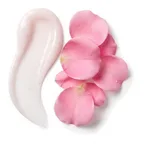 Rose Extract
 Sodium Hyaluronate
 Camellia Sinensis Leaf Extract
Average
- HighCombination Skin Fit
- AverageEffectiveness
- HighSafety
Works for acne-prone skin; other eye patches fit it better.
This fit is calculated for the concerns frequently associated with acne-prone skin: breakouts, blackheads, and post-acne marks. For scores and recommendations based on your full skin profile, including your 12D face scan results and any goals or preferences you have, please use the Lovi app.
Updated How the Fit score works
Lovi Assistant explains
- Offers moderate brightening for your combination skin due to niacinamide and hippophae rhamnoides extract, which help even skin tone and provide humectant action and barrier repair.
- The presence of glycerin and allantoin offers supportive hydration and soothing effects beneficial for your acne, blemishes, and breakouts.
- The product is safe for your combination skin with no risks of irritation due to the absence of prohibited or harsh ingredients.
People Say
★4.6Overall rating based on 500+ reviewsUsers frequently praise these eye masks for their bamboo-derived fabric texture, which adheres significantly better than traditional hydrogel patches and does not slip during use. While many reviewers report immediate hydration and a soothing cooling effect that helps with puffiness, opinions on the "brightening" claim are mixed, with some users seeing a reduction in dark circles and others finding the results purely moisturizing.
Highlights
Excellent adherence Mostly Mentioned
- “don't slip down”
- “stay in place perfectly”
- “cover the whole area and don't move”
- “better grip than hydrogel”
Effective hydration Often Mentioned
- “under-eye looks hydrated”
- “well-moisturised”
- “prepped for makeup”
- “relieved dryness”
Pleasant scent Sometimes Noted
- “scent is nice”
- “light pleasant scent”
- “smells like roses”
- “no chemical smell”
Soothing and cooling Sometimes Noted
- “cooling feeling”
- “refreshing effect”
- “battles puffiness”
- “calm tired eyes”
- “great from the fridge”
Dries out quickly Sometimes Noted
- “drying after 15 min”
- “becomes super dry”
- “less essence than gel”
- “dry out faster than hydrogel”
Fabric texture preference Sometimes Noted
- “prefer hydrogel patches”
- “felt weird at first”
- “cloth-like not gel”
- “miss the gel texture”
Hygienic packaging Rarely Noted
- “tiny tweezers included”
- “love the packaging”
- “convenient jar”
- “thoughtful touch”
Lack of brightening Rarely Noted
- “too soon to tell”
- “no visible benefits”
- “didn't help dark circles”
- “don't know about brightening”
Potential sensitivity Rarely Noted
- “not for sensitive skin”
- “patch test first”
- “slight tingling”
- “irritated my skin”
Sources: lovi.care, iherb.com, walmart.com, yesstyle.com, stylekorean.com, and more
Questions and answers
How well does the Pink Vita Brightening Eye Mask work for acne-prone skin?
This eye patch works moderately well for your acne-prone skin, providing helpful hydration and soothing care through ingredients like glycerin and allantoin without causing irritation. Niacinamide and sea buckthorn extract help brighten the skin, though products rated higher for this skin type tend to include a broader range of ingredients tailored to balance oiliness and dryness effectively.
The British Journal of Dermatology, 2002Pakistan Journal of Pharmaceutical Sciences, 2014
Which ingredients make this eye patch a good fit for acne-prone skin?
Glycerin and allantoin help keep your acne-prone skin calm and hydrated. A product of this type needs a broader range of soothing and balancing ingredients specifically tailored to manage oiliness and dryness effectively.
What does Niacinamide do for acne-prone skin?
Niacinamide helps control acne-prone skin by reducing pimples and balancing oil production. It is well tolerated and may also help calm redness and improve overall skin texture in acne-prone skin.
International Journal of Dermatology, 2013Journal of Cosmetic Dermatology, 2024
What does Vitamin C do for acne-prone skin?
Vitamin C helps clear up inflammatory breakouts and reduces acne spots when used consistently. It works by targeting acne-causing factors and calming the skin to make it look smoother and more even.
International Journal of Cosmetic Science, 2009Journal of Cosmetic Dermatology, 2010
Where does this eye patch go in a skincare routine for acne-prone skin?
This eye patch fits best after cleansing and toning in your daily routine. Because acne-prone skin often needs targeted soothing and barrier support, a product of this type works well when it includes calming ingredients like allantoin and gentle hydrators like glycerin.
Can I use this eye patch with retinol, and in what order?
You can use this eye patch with retinol by applying the eye patch to clean skin before your retinol product to help keep the area calm and hydrated. Because this product is an average fit for your skin, acne-prone skin also needs soothing ingredients like allantoin and gentle hydrators to prevent breakouts while using active treatments.
How often should I use this eye patch?
This eye patch can be used as needed to help brighten and soothe your skin. An average fit for your acne-prone skin means this type of product works best when it includes soothing ingredients and gentle hydrators like glycerin and allantoin.
Can this eye patch clog pores, cause breakouts or purging for acne-prone skin?
This eye patch is generally safe for acne-prone skin and is unlikely to cause irritation or breakouts, as it lacks harsh ingredients. However, because it offers only an average fit, acne-prone skin often needs lightweight, non-greasy hydrators like green tea and soothing plant extracts to keep pores clear and calm.
Is this eye patch fragrance-free and alcohol-free?
Yes, it has no fragrance and no drying alcohol.
What the research says
Niacinamide significantly decreased hyperpigmentation and increased skin lightness compared with vehicle alone after 4 weeks of use in women by inhibiting melanosome transfer.
The British Journal of Dermatology, 2002Topical application of a 5% Hippophae rhamnoides oil-in-water emulsion significantly improved skin hydration (p=0.0003) and transepidermal water loss (p=0.0087) compared to a placebo base formulation in 13 healthy male subjects over 84 days.
Pakistan Journal of Pharmaceutical Sciences, 2014A single application of a moisturizing fluid containing hyaluronic acid 1%, glycerin 5%, and Centella asiatica stem cells extract significantly increased skin hydration by 29% and reduced transepidermal water loss at 24 hours compared to baseline and an untreated control site in twenty healthy women.
Clinical, Cosmetic and Investigational Dermatology, 2017Topical nicotinamide prevented solar-simulated UV-induced immunosuppression in healthy volunteers, and men experienced immunosuppression at solar-simulated UV doses three times lower than those required for women.
The Journal of Investigative Dermatology, 2008Topical 5% niacinamide applied twice daily for 12 weeks reduced fine lines and wrinkles, hyperpigmented spots, red blotchiness, and skin sallowness, and improved skin elasticity compared to vehicle control in 50 female white subjects with facial photoaging.
Dermatologic Surgery, 2005Topical 2% niacinamide significantly decreased sebum excretion rate in Japanese individuals and casual sebum levels in Caucasian individuals compared to placebo or baseline.
Journal of Cosmetic and Laser Therapy, 2006Topical application of 5% vitamin C cream significantly improved global clinical scores, increased skin microrelief density, and induced elastic tissue repair in photoaged skin compared to excipient control in healthy female volunteers.
Experimental Dermatology, 2003Topical application of VC-IP cream twice daily for 8 weeks reduces periorbital wrinkles in female subjects compared to a placebo cream.
Journal of Cosmetic Dermatology, 2022Topical treatment with 5% vitamin C and 0.1% madecassoside significantly improved clinical scores for wrinkles, suppleness, firmness, roughness, and skin hydration, along with functional and structural remodeling of the elastic fiber network in 20 female volunteers with photoaged skin after 6 months compared to baseline.
Experimental Dermatology, 2008Topical application of 0.1% hyaluronic acid formulations of different molecular weights led to significant improvements in skin hydration and elasticity, with low-molecular-weight formulations also significantly reducing wrinkle depth in seventy-six female subjects compared to a vehicle control.
Journal of Drugs in Dermatology, 2011Topical hyaluronic acid serum used twice daily by 40 females with facial photoaging produced an immediate 134% increase in skin hydration, a sustained 55% increase at week 6, and significant improvements in smoothness, plumping, fine lines, wrinkles, and global appearance without causing irritation.
Dermatology and Therapy, 2021A topical antioxidant serum significantly reduced air pollution-induced skin pigmentation and proinflammatory gene expression ex vivo, and improved skin aging signs in 40 healthy adult females after 90 days of daily use.
Journal of Cosmetic Dermatology, 2022Topically formulated tea polyphenols show some benefit in reducing sebum secretion and treating acne vulgaris compared to baseline or control.
Antioxidants, 2016Topical application of tannase-converted green tea extract (TGE) significantly improved skin wrinkle indices and self-assessed wrinkle reduction compared to normal green tea extract (NGE) in human subjects over 8 weeks.
Journal of Cosmetic Dermatology, 2013An anti-acne hydrogel containing Aloe barbadensis, Garcinia mangostana, and Camellia sinensis extracts showed superior antiacne and antiblotch activities compared to 1% clindamycin gel in sixty subjects with mild-moderate acne.
Clinical, Cosmetic and Investigational Dermatology, 2019
Ingredients
Water, Butylene Glycol, Glycerin, Polyglycerin-3, Niacinamide, Methyl Gluceth-20, Camellia Sinensis Leaf Extract, Hippophae Rhamnoides Extract, Witch Hazel Extract, Rose Extract, Boerhavia Diffusa Root Extract, Portulaca Oleracea Extract, Brassica Oleracea Gongylodes Extract, Beta Vulgaris Root Extract, Leuconostoc Radish Root Extract, Brassica Oleracea Capitata Leaf Extract, Onion Root Extract, Trehalose, Betaine, Allantoin, Erythritol, Sodium Hyaluronate, Panthenol, Pantolactone, Dipotassium Glycyrrhizate, Dipropylene Glycol, Hydroxyacetophenone, Caprylyl Glycol, Glycereth-25 Pca Isostearate, Cyanocobalamin, Carbomer, Arginine, 1,2-Hexanediol, Disodium Edta, Ethylhexylglycerin
Behind this fit score
Lovi calculates every fit score from the full ingredient list with brand-independent rules our dermatologists and cosmetic chemists build and review, and personalizes every pick with AI trained on the real results of millions of users. Lovi trains its fit score models on a proprietary dataset built from more than 10,000 expert-labeled products and more than 100,000 simulated examples, following an internally consistent methodology presented at Cosmoprof, AMWC, and Skin of Color Update.
-

Co-founder, Medical Director
Cosmetic chemist, cosmetologist, aesthetic products developer
-

Co-founder, CEO and CTO
PhD in computer science, 3x US patent holder, ex-Google, ex-Yandex
-

Dr. Sofía Perea Pérez, MD, MSc
Medical Board
Aesthetic medicine practitioner, MSc in Longevity and Anti-Aging Medicine
-

Medical Board
Specialist dermatologist, MBBS, MD, IFAAD
-

Medical Board
Cosmetic chemist, SCS, IFSCC member
-

Medical Board, Medical Advisor
Dermatology MD
-

Elina Nazarenko, MD
Medical Board
Dermatology and diagnostic consultant
-

Victoria Derkova, MS
Medical Board
Cosmetic chemist, cosmetic development technologist


How does it fit your skin?
Scan your face, then any product: Lovi shows how well it fits you and what fits even better.